

ESM cardiology is a field of medicine that focuses on the study of endothelial cell-specific molecules-1 (ESM-1) and their role in cardiovascular diseases. ESM-1 is a novel endothelial dysfunction marker that has been linked to various heart conditions, including coronary artery disease (CAD), heart failure, and hypertension. Understanding the fundamentals of ESM in cardiology is essential for diagnosing and managing these conditions effectively.
Endothelial cells are the cells that line the inner surface of blood vessels and play a crucial role in regulating vascular function. ESM-1 is a protein that is produced by these cells and is involved in various biological processes, including angiogenesis, inflammation, and coagulation. Elevated levels of ESM-1 have been found in patients with cardiovascular diseases, indicating that it may be a useful biomarker for diagnosing and monitoring these conditions.
Cardiovascular pathologies and ESM are closely related, and research has shown that ESM-1 levels are correlated with the presence and severity of various heart conditions. Diagnostic and therapeutic approaches that target ESM-1 and other endothelial cell-specific molecules are being developed to improve the management of cardiovascular diseases. By understanding the role of ESM in cardiology, healthcare professionals can provide better care for patients with these conditions.
Key Takeaways
- ESM cardiology is a field of medicine that focuses on the study of endothelial cell-specific molecules-1 (ESM-1) and their role in cardiovascular diseases.
- Elevated levels of ESM-1 have been found in patients with cardiovascular diseases, indicating that it may be a useful biomarker for diagnosing and monitoring these conditions.
- Diagnostic and therapeutic approaches that target ESM-1 and other endothelial cell-specific molecules are being developed to improve the management of cardiovascular diseases.
Fundamentals of ESM in Cardiology

Role of ESM-1 in Cardiovascular Health
Endothelial cell specific molecules-1 (ESM-1) is a novel biomarker that is becoming increasingly important in cardiovascular health. ESM-1 is a glycoprotein that is mainly produced by endothelial cells in response to inflammation. It has been found to be elevated in various cardiovascular diseases such as atherosclerosis, heart failure, and coronary artery disease.
ESM-1 plays a crucial role in the regulation of endothelial cell function, which is essential for maintaining cardiovascular health. Endothelial cells line the inner surface of blood vessels and play an important role in regulating blood flow, blood pressure, and inflammation. ESM-1 has been shown to be involved in the regulation of endothelial cell proliferation, migration, and angiogenesis.
Biomarkers in Cardiac Diagnosis
Biomarkers are a crucial tool in the diagnosis and management of cardiovascular diseases. They are substances that can be measured in the blood, urine, or other body fluids and provide information about the presence and severity of a disease. Biomarkers are useful in diagnosing and monitoring various cardiovascular diseases such as heart failure, coronary artery disease, and myocardial infarction.
ESM-1 is a promising biomarker in the diagnosis and management of cardiovascular diseases. It has been found to be elevated in patients with various cardiovascular diseases, and its levels have been correlated with disease severity. ESM-1 has been shown to have a strong correlation with endothelial dysfunction, which is a key factor in the development of cardiovascular diseases.
In conclusion, ESM-1 is a promising biomarker in the diagnosis and management of cardiovascular diseases. Its role in regulating endothelial cell function and its correlation with endothelial dysfunction make it a valuable tool in the diagnosis and management of various cardiovascular diseases. However, further research is needed to fully understand the role of ESM-1 in cardiovascular health and its potential as a biomarker.
Cardiovascular Pathologies and ESM
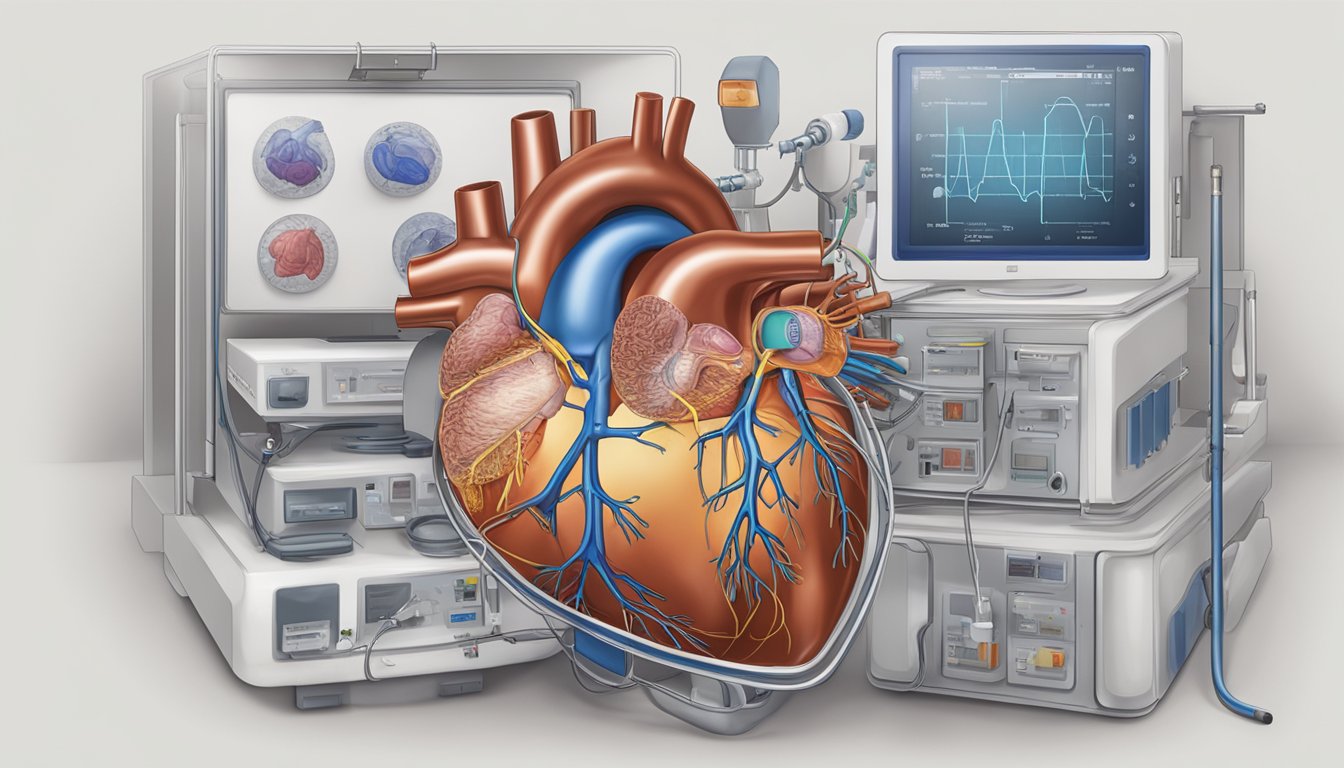
ESM-1, also known as endothelial cell-specific molecule-1, is a novel marker of endothelial dysfunction that has been linked to cardiovascular diseases. In this section, we will discuss the role of ESM-1 in various cardiovascular pathologies.
Atherosclerosis and ESM-1
Atherosclerosis is a chronic inflammatory disease characterized by the accumulation of lipids and fibrous elements in the arterial wall. ESM-1 has been found to be upregulated in atherosclerotic plaques, and its levels have been shown to be correlated with the severity of the disease. ESM-1 may play a role in the pathogenesis of atherosclerosis by promoting endothelial dysfunction, inflammation and thrombosis.
Valvular Heart Diseases
Valvular heart diseases are a group of conditions that affect the valves of the heart, including the aortic, mitral, and tricuspid valves. ESM-1 has been found to be upregulated in valvular heart diseases, particularly in aortic stenosis and mitral regurgitation. ESM-1 may be involved in the pathogenesis of these conditions by promoting valve calcification and fibrosis.
Cardiomyopathies and Myocardial Infarction
Cardiomyopathies are a group of diseases that affect the heart muscle, leading to heart failure and arrhythmias. Myocardial infarction, also known as a heart attack, is a condition where the blood flow to the heart muscle is blocked, leading to damage and necrosis of the tissue. ESM-1 has been found to be upregulated in cardiomyopathies and acute myocardial infarction. ESM-1 may play a role in the pathogenesis of these conditions by promoting inflammation, fibrosis, and apoptosis of cardiomyocytes.
In conclusion, ESM-1 is a novel marker of endothelial dysfunction that has been linked to various cardiovascular pathologies. Its upregulation in these conditions suggests that it may play a role in their pathogenesis. However, further studies are needed to elucidate the exact mechanisms by which ESM-1 contributes to these diseases. It is important to note that the information presented in this section is for educational purposes only and should not be used as a substitute for medical advice.
Diagnostic and Therapeutic Approaches

When it comes to diagnosing and treating cardiovascular diseases, ESM Cardiology offers a range of diagnostic and therapeutic approaches. These approaches are tailored to the individual needs of each patient and are designed to provide the most accurate diagnosis and effective treatment possible.
Echocardiography and Imaging
ESM Cardiology uses various imaging techniques, including transthoracic echocardiography (TTE), to evaluate the structure and function of the heart. TTE is a non-invasive test that uses high-frequency sound waves to produce images of the heart. It can help diagnose a range of conditions, including heart valve disease, heart failure, and congenital heart defects.
In addition to TTE, ESM Cardiology also offers other imaging tests, such as cardiac MRI and CT scans, to provide a more detailed evaluation of the heart.
Interventional and Surgical Treatments
ESM Cardiology provides a range of interventional and surgical treatments to manage cardiovascular diseases. These treatments include coronary angiography, transcatheter aortic valve implantation (TAVI), and coronary artery bypass grafting (CABG).
Coronary angiography is a diagnostic test that uses X-rays to visualize the inside of the coronary arteries. TAVI is a minimally invasive procedure that replaces a damaged aortic valve with a new valve. CABG is a surgical procedure that creates a new route for blood to flow around a blocked or narrowed coronary artery.
Pharmacological Management
ESM Cardiology also offers pharmacological management of cardiovascular diseases. This involves the use of medications to manage symptoms, prevent complications, and improve overall heart health. Anticoagulation therapy is one such medication that is commonly used to prevent blood clots in patients with certain heart conditions.
In addition to medication, ESM Cardiology also offers lifestyle modifications, such as diet and exercise, to help manage cardiovascular diseases.
It is important to note that the diagnostic and therapeutic approaches offered by ESM Cardiology are not a substitute for professional medical advice. Patients should always consult with their healthcare provider before starting any new treatment or medication.
Impact of Comorbidities on ESM Levels
Endothelial cell-specific molecule-1 (ESM-1) is a novel endothelial dysfunction marker that has been linked to cardiovascular disease. The levels of ESM-1 in the bloodstream are influenced by a variety of factors, including comorbidities. In this section, we will explore the impact of comorbidities on ESM levels.
Sleep-Related Disorders
Obstructive sleep apnea (OSA) is a common sleep-related disorder that has been linked to cardiovascular disease. A recent study found that circulating ESM-1 levels are correlated with the presence of coronary artery disease (CAD) in patients with OSA. Chinese OSA subjects with CAD had significantly higher levels of ESM-1 than those without CAD. Polysomnography, a diagnostic test for sleep disorders, can be used to identify patients with OSA. Sleep centers can help manage OSA and reduce the risk of cardiovascular disease.
Chronic Conditions and Systemic Diseases
Chronic kidney disease (CKD), chronic obstructive pulmonary diseases (COPD), active infections, and malignancy are examples of chronic conditions and systemic diseases that can impact ESM levels. A study found that patients with CKD had significantly higher levels of ESM-1 than those without CKD. COPD patients with acute exacerbations also had higher levels of ESM-1 than those without exacerbations. Active infections and malignancy can also increase ESM levels.
It is important to note that comorbidities can have complex interactions with ESM levels. For example, a study found that the presence of COPD in patients with CAD was associated with higher ESM-1 levels, but the presence of both CKD and CAD was associated with lower ESM-1 levels. Further research is needed to fully understand the impact of comorbidities on ESM levels.
In conclusion, comorbidities can have a significant impact on ESM levels. Patients with sleep-related disorders, chronic conditions, and systemic diseases may have higher ESM levels and be at greater risk for cardiovascular disease. Healthcare professionals should consider comorbidities when interpreting ESM levels and developing treatment plans for patients.
Frequently Asked Questions

What is the significance of an ejection systolic murmur in cardiac diagnosis?
An ejection systolic murmur is a type of heart murmur that occurs during the ejection phase of the cardiac cycle. It is typically heard as a harsh or vibratory sound that can be heard with a stethoscope. The presence of an ejection systolic murmur can be indicative of several cardiac conditions, including aortic stenosis, pulmonary stenosis, and hypertrophic cardiomyopathy.
Which conditions are commonly associated with the presence of an ejection systolic murmur?
As mentioned earlier, an ejection systolic murmur can be indicative of several cardiac conditions, including aortic stenosis, pulmonary stenosis, and hypertrophic cardiomyopathy. These conditions are characterized by the narrowing of the valves or chambers of the heart, which can lead to turbulence in blood flow and the production of the ejection systolic murmur.
How is an ejection systolic murmur typically detected during a clinical examination?
An ejection systolic murmur is typically detected during a clinical examination using a stethoscope. The clinician will listen to the heart sounds while the patient is in different positions, such as lying down and sitting up. The clinician will also ask the patient to take deep breaths, which can help to accentuate the murmur.
What are the distinguishing characteristics of the four types of heart murmurs?
There are four types of heart murmurs, including systolic, diastolic, continuous, and functional. Systolic murmurs occur during ventricular systole, while diastolic murmurs occur during ventricular diastole. Continuous murmurs are heard throughout the cardiac cycle, while functional murmurs are benign and do not indicate any underlying cardiac pathology.
In cardiology, what does the notation ‘hs 1+2+0’ indicate?
The notation ‘hs 1+2+0’ is a shorthand used in cardiology to describe the intensity of heart sounds. ‘Hs’ stands for heart sounds, ‘1’ indicates the intensity of the first heart sound, ‘2’ indicates the intensity of the second heart sound, and ‘0’ indicates the absence of any additional heart sounds.
How does the MDM process integrate into the management of cardiological conditions?
The MDM (Multidisciplinary Team Meeting) process is an important component of the management of cardiological conditions. It involves a team of healthcare professionals, including cardiologists, nurses, and other specialists, who work together to develop a comprehensive treatment plan for patients with complex cardiac conditions. The MDM process helps to ensure that patients receive the best possible care by providing a coordinated and integrated approach to diagnosis, treatment, and follow-up care.