

A rapid heartbeat, also known as tachycardia, is a condition in which the heart beats faster than normal. It is a common experience and can occur due to various reasons. Understanding the causes of a fast heart rate can help individuals take steps to manage the condition.
The heart is a vital organ that pumps blood throughout the body. A normal heart rate for an adult ranges between 60 and 100 beats per minute. However, factors such as physical activity, stress, and emotions can cause the heart to beat faster. When the heart beats more than 100 times per minute, it is considered tachycardia. Tachycardia can be caused by a variety of factors, including underlying medical conditions, lifestyle factors, and medications.
Key Takeaways
- Rapid heartbeat, or tachycardia, is a condition in which the heart beats faster than normal.
- A normal heart rate for an adult ranges between 60 and 100 beats per minute.
- Tachycardia can be caused by underlying medical conditions, lifestyle factors, and medications.
Understanding Tachycardia
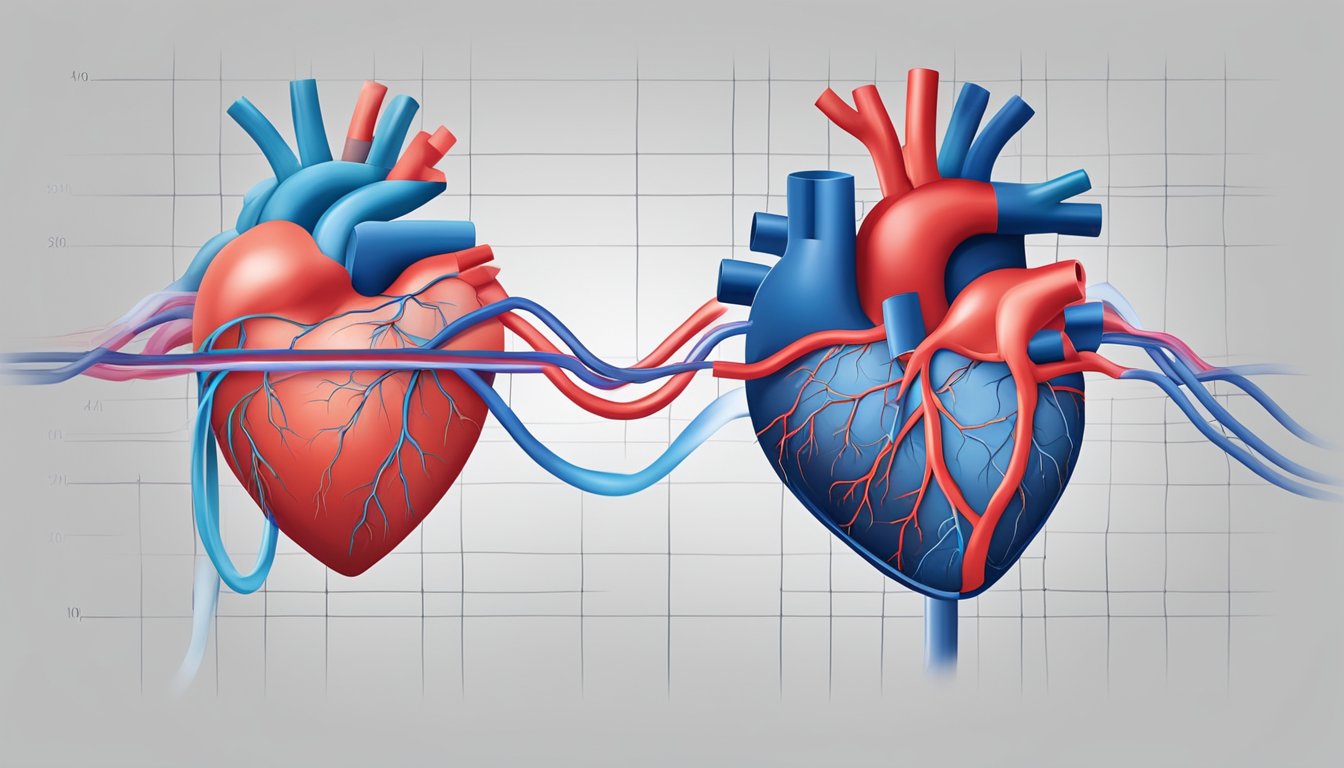
Tachycardia is a condition that occurs when the heart beats too fast, usually more than 100 beats per minute. This can happen due to a variety of reasons, including underlying medical conditions, lifestyle factors, medications, and emotional stress.
Types of Tachycardia
There are two main types of tachycardia: ventricular tachycardia and supraventricular tachycardia. Ventricular tachycardia occurs when the electrical signals that control the heart’s pumping action start in the ventricles, the heart’s lower chambers. Supraventricular tachycardia, on the other hand, occurs when the electrical signals start in the atria, the heart’s upper chambers.
Atrial fibrillation is another type of supraventricular tachycardia that affects millions of people worldwide. It is a condition where the heart’s electrical signals become disorganised, causing the atria to quiver instead of contracting normally.
Symptoms and Complications
The symptoms of tachycardia may vary depending on the type of tachycardia and the underlying cause. However, some common symptoms include palpitations, shortness of breath, chest pain, dizziness, and fainting.
If left untreated, tachycardia can lead to serious complications such as heart failure and cardiac arrest. In some cases, it can also increase the risk of stroke.
It is important to seek medical attention if you experience any of the symptoms mentioned above. Your doctor can perform a physical exam, review your medical history, and order tests to determine the underlying cause of your tachycardia.
In conclusion, tachycardia is a serious condition that requires prompt medical attention. By understanding the types of tachycardia and the symptoms and complications associated with it, you can take steps to prevent and manage this condition.
Causes of Rapid Heartbeat

A rapid heartbeat, also known as tachycardia, can be caused by a variety of factors. These can be broadly divided into two categories: lifestyle and environmental factors, and medical conditions.
Lifestyle and Environmental Factors
Several factors related to lifestyle and environment can cause the heart to beat too fast. These include:
- Stress: Emotional stress can cause the release of stress hormones, such as adrenaline, which can increase heart rate.
- Caffeine: Consumption of caffeine found in coffee, tea, energy drinks, and chocolate can stimulate the heart and cause it to beat faster.
- Alcohol: Drinking too much alcohol can cause the heart to beat faster as it tries to compensate for the reduced ability of the heart to pump blood effectively.
- Exercise: Intense exercise or physical activity can cause the heart to beat faster as the body needs more oxygenated blood.
- Smoking: Nicotine in cigarettes can cause the heart to beat faster and increase blood pressure.
- Stimulants: Certain drugs and medications, such as cocaine, amphetamines, and some asthma medications, can cause the heart to beat faster.
Medical Conditions
Several medical conditions can also cause the heart to beat too fast. These include:
- Overactive thyroid: Hyperthyroidism, a condition where the thyroid gland produces too much thyroid hormone, can cause the heart to beat faster.
- Electrolyte imbalance: Electrolytes are minerals in the body that help regulate heart function. An imbalance of electrolytes, such as potassium or magnesium, can cause the heart to beat too fast.
- Fever: A high fever can increase the heart rate as the body tries to fight off an infection.
- Anaemia: A lack of red blood cells or haemoglobin in the blood can cause the heart to beat faster as it tries to compensate for the reduced oxygen-carrying capacity of the blood.
- Pregnancy: During pregnancy, the body produces more blood to support the growing foetus, which can cause the heart to beat faster.
- Menopause: Hormonal changes during menopause can cause the heart to beat faster.
It is important to note that a rapid heartbeat can also be a symptom of underlying medical conditions such as heart disease, congenital heart defects, and arrhythmias. If you experience a rapid heartbeat, it is important to seek medical attention to determine the underlying cause and appropriate treatment.
Diagnosis and Treatment
Diagnostic Tests
When a person experiences a fast heartbeat, it is important to see a doctor to determine the underlying cause. The doctor may perform a physical examination and ask about the patient’s medical history. They may also order diagnostic tests such as an electrocardiogram (ECG) to check the electrical activity of the heart. A Holter monitor may be used to record the heart’s activity over a 24-hour period. Other tests may include an echocardiogram, stress test, or electrophysiology study.
Treatment Options
The treatment for a fast heartbeat depends on the underlying cause. If the fast heartbeat is due to an underlying medical condition such as hyperthyroidism, the doctor may treat that condition first. The doctor may also prescribe medication to control the heart rate. Beta-blockers, calcium channel blockers, and digoxin are commonly used to slow down the heart rate.
Lifestyle Changes and Prevention
Lifestyle changes can also help prevent episodes of a fast heartbeat. Patients should avoid triggers such as caffeine, alcohol, and stress. They should also maintain a healthy weight and exercise regularly. If the patient smokes, they should quit smoking. If lifestyle changes are not enough to control the fast heartbeat, the doctor may recommend a procedure such as catheter ablation or implantation of a defibrillator.
It is important to seek medical attention if a person experiences symptoms such as chest pain, shortness of breath, weakness, dizziness, or fainting. These symptoms may indicate a serious underlying condition that requires immediate treatment.
It is important to note that the information provided is not a substitute for medical advice. Patients should always consult with a qualified healthcare professional before starting any treatment or medication.
Special Considerations

Tachycardia in Specific Populations
Tachycardia, or a rapid heartbeat, can affect people of all ages, but certain populations may be more susceptible to this condition. For example, older adults may experience tachycardia due to age-related changes in the heart’s electrical system or underlying heart disease. Men are also more likely to develop tachycardia than women.
Individuals with certain medical conditions may also be at a higher risk of developing tachycardia. For instance, those with hyperthyroidism, a disorder that causes an overactive thyroid gland, may experience a rapid heartbeat as a result of increased thyroid hormone levels. Additionally, individuals with atrial fibrillation, a common heart arrhythmia, may experience tachycardia due to irregular electrical signals in the heart.
Emergency Situations
In some cases, tachycardia can be a life-threatening medical emergency. If an individual experiences tachycardia accompanied by chest pain, shortness of breath, weakness, dizziness, or lightheadedness, they should seek immediate medical attention. This could be a sign of a heart problem, such as ventricular fibrillation, a disorder that causes the heart’s electrical signals to become chaotic and ineffective.
Certain medications or recreational drugs, such as cocaine, can also cause tachycardia and may require immediate medical intervention. In some cases, medical procedures or shocks may be necessary to restore normal heart rhythm. It is important to note that some medications used to treat tachycardia may have side effects, and individuals should always consult with their doctor before starting any new medication.
In summary, tachycardia can affect individuals of all ages and may be caused by a variety of factors, including underlying medical conditions, medications, and recreational drugs. In emergency situations, tachycardia can be life-threatening and may require immediate medical attention. It is important for individuals to be aware of the symptoms of tachycardia and seek medical attention if they experience any concerning symptoms.
Getting assessed in Singapore
In Singapore, cardiovascular assessment is available through both the public and private sectors. Which tests are appropriate depends on your symptoms, risk factors and history rather than on choosing the most extensive option available. A GP or polyclinic can arrange a referral to a cardiologist, or a private clinic can be approached directly.
If this is relevant to your own situation, you can read what is involved in an ECG or a 24-hour Holter ECG assessment, or browse the cardiac services list.
Frequently Asked Questions
What are the underlying causes of tachycardia whilst at rest?
Tachycardia is defined as a heart rate greater than 100 beats per minute. If a person experiences tachycardia while at rest, it could be due to a variety of underlying causes. Some of the common causes include anxiety, stress, dehydration, fever, and certain medications. Other possible underlying causes include thyroid disorders, electrolyte imbalances, and heart rhythm disorders.
What medical conditions can lead to an inexplicable acceleration of heart rate?
Several medical conditions can lead to an inexplicable acceleration of heart rate. These include hyperthyroidism, anaemia, pulmonary embolism, and heart disease. In addition, certain medications, such as asthma inhalers and decongestants, can also cause an increase in heart rate.
What could be the reasons for experiencing rapid heart rate accompanied by dyspnoea?
Rapid heart rate accompanied by dyspnoea, or shortness of breath, can be a sign of a serious medical condition. Some of the common causes of this symptom include heart failure, pulmonary hypertension, and pulmonary embolism. Other possible causes include asthma, chronic obstructive pulmonary disease (COPD), and pneumonia.
What factors contribute to an elevated heart rate whilst in a seated position?
Several factors can contribute to an elevated heart rate while in a seated position. Some of the common causes include anxiety, stress, dehydration, and certain medications. Other possible causes include heart rhythm disorders, thyroid disorders, and pulmonary embolism.
Why might one experience palpitations when in a supine posture?
Palpitations, or the sensation of a racing or irregular heartbeat, can occur when a person is in a supine posture, or lying down. This can be due to a variety of underlying causes, including anxiety, stress, and dehydration. Other possible causes include heart rhythm disorders, thyroid disorders, and pulmonary embolism.
What are the potential causes of an abrupt and temporary rise in heart rate?
An abrupt and temporary rise in heart rate can be due to a variety of underlying causes. Some of the common causes include anxiety, stress, and dehydration. Other possible causes include heart rhythm disorders, thyroid disorders, and certain medications. It is important to note that an abrupt and temporary rise in heart rate can also be a normal physiological response to exercise or physical activity.
Please note that the above information is not intended to replace medical advice. If you are experiencing symptoms of tachycardia or any other medical condition, please consult your doctor for proper diagnosis and treatment.
Further reading
- HealthHub — Cardiovascular Disease
- Health Promotion Board — Healthy Living
- American Heart Association — Health Topics
Disclaimer: This article is general information about cardiovascular health. It is not medical advice, diagnosis or treatment, and reading it does not create a doctor–patient relationship. Always seek the advice of your doctor or another qualified health professional with any questions you have about a medical condition, and never disregard or delay seeking medical advice because of something you have read here. If you think you may be having a medical emergency, call 995 or go to the nearest emergency department.