

Shivering heart palpitations can be a concerning symptom for many people. Heart palpitations are an abnormal heartbeat that may feel like your heart is racing, fluttering, or skipping a beat. Shivering, on the other hand, is an involuntary movement of the body that can occur when you’re cold or anxious. When shivering and heart palpitations occur together, it can be a sign of an underlying medical condition.
There are several potential causes of shivering heart palpitations, including anxiety, stress, and panic attacks. These conditions can cause your body to release adrenaline, which can increase your heart rate and cause shivering. Other possible causes include low blood sugar, dehydration, and anemia. If you experience shivering heart palpitations frequently or they’re accompanied by other symptoms, it’s important to seek medical attention to determine the cause.
Key Takeaways
- Shivering heart palpitations can be a sign of an underlying medical condition.
- Anxiety, stress, and panic attacks are common causes of shivering heart palpitations.
- Seeking medical attention is important if you experience shivering heart palpitations frequently or they’re accompanied by other symptoms.
Understanding Heart Palpitations
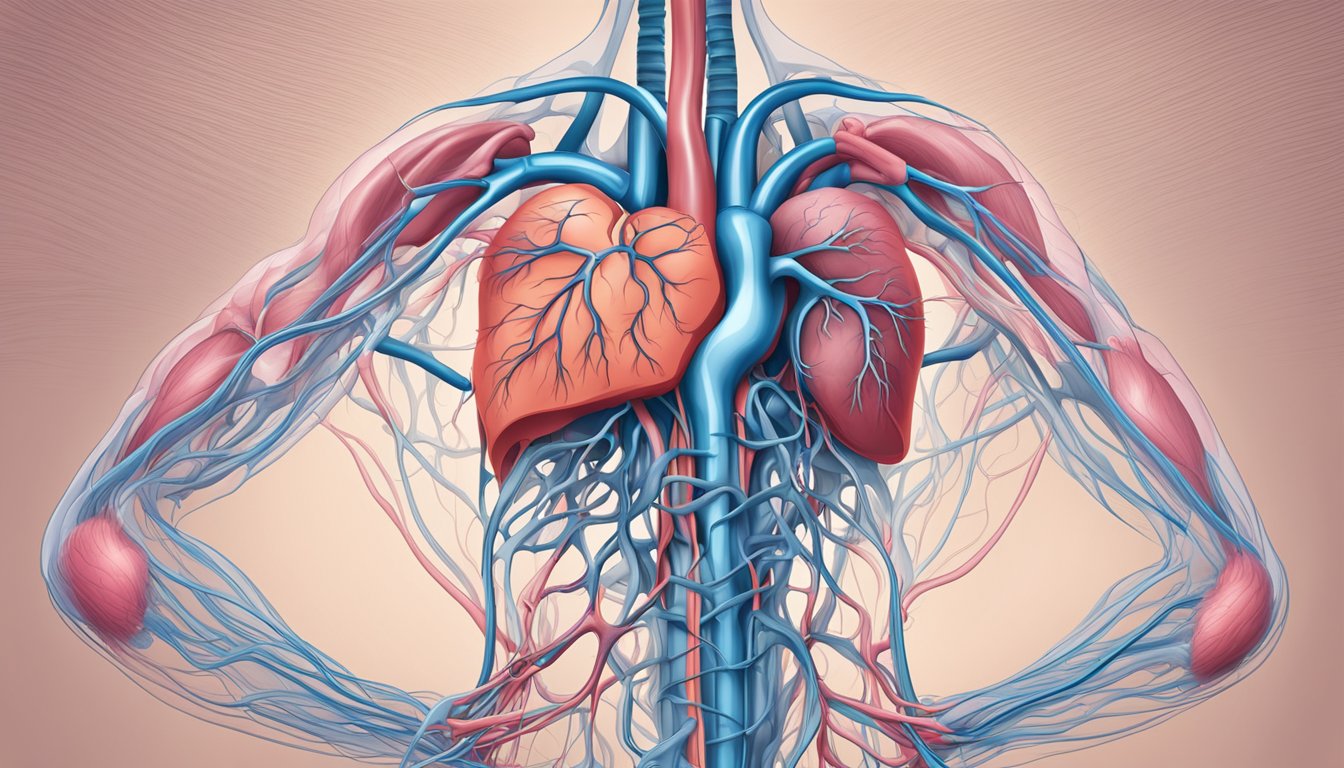
Heart palpitations refer to the sensation of feeling your heart beating irregularly or faster than usual. It can feel like your heart is skipping a beat, fluttering, racing, or pounding in your chest. Palpitations can be caused by a variety of factors, ranging from benign to potentially life-threatening conditions.
Symptoms and Diagnosis
The symptoms of heart palpitations can vary depending on the underlying cause. In some cases, palpitations may be accompanied by other symptoms such as dizziness, lightheadedness, shortness of breath, chest pain, or fainting. If you experience any of these symptoms, it is important to seek medical attention immediately.
To diagnose heart palpitations, your doctor may perform a physical exam and order tests such as an electrocardiogram (ECG), Holter monitor, or event recorder. These tests can help identify any underlying heart rhythm abnormalities or other conditions that may be causing your palpitations.
Causes and Triggers
Heart palpitations can be caused by a variety of factors, including anxiety, stress, caffeine, nicotine, arrhythmias, thyroid problems, heart disease, alcohol, cocaine, amphetamines, and certain medications. In some cases, palpitations may also be triggered by hormonal changes such as those that occur during menopause or pregnancy, fever, or strong emotions such as fear.
One common cause of heart palpitations is atrial fibrillation, a condition in which the heart’s upper chambers beat irregularly and out of sync with the lower chambers. Ventricular tachycardia and supraventricular tachycardia are other types of arrhythmias that can cause palpitations.
It is important to note that while heart palpitations can be a symptom of serious underlying conditions, they are often benign and do not require treatment. However, if you experience frequent or persistent palpitations, it is important to seek medical attention to rule out any serious underlying conditions.
Medical Evaluation and Tests
Initial Assessment
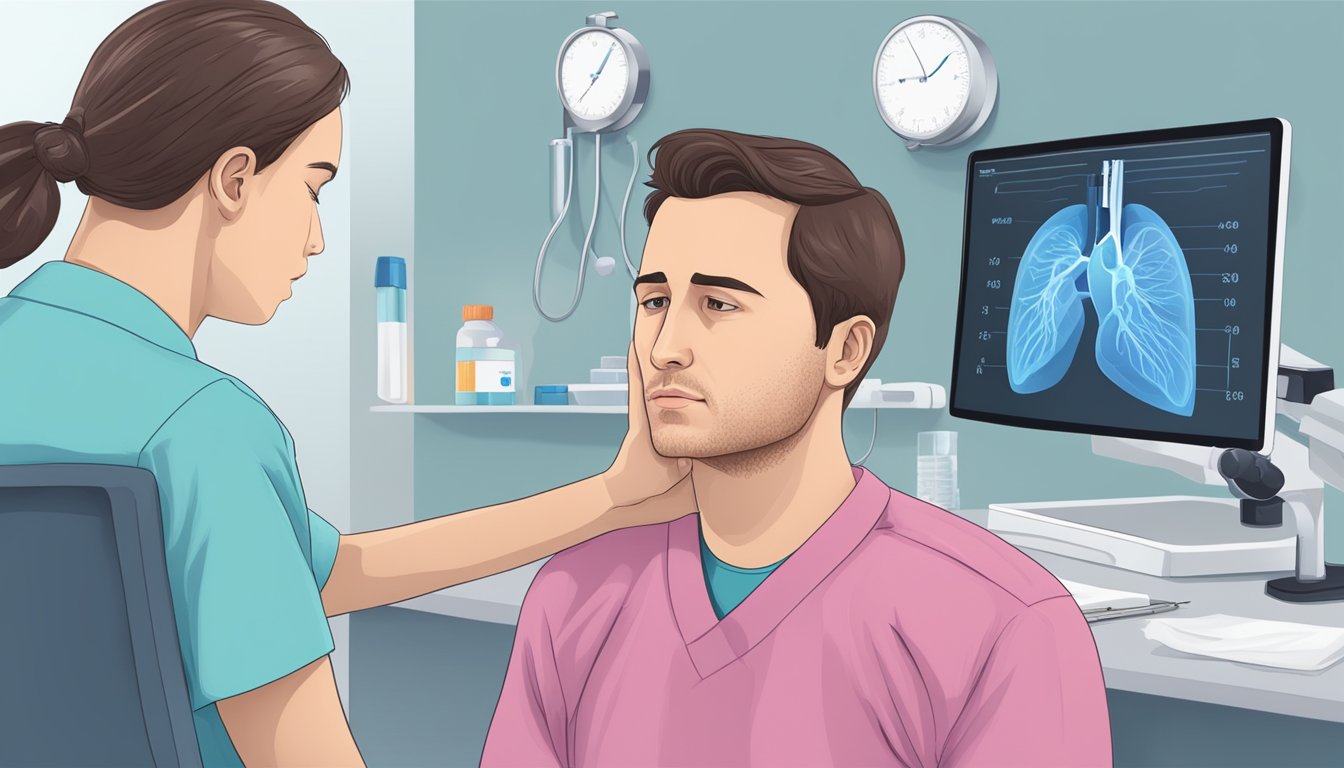
When a patient presents with shivering heart palpitations, the doctor will conduct an initial assessment to determine the cause of the symptoms. This will involve taking a detailed medical history, including any family history of heart disease, and conducting a physical examination. The doctor will also ask about any other symptoms the patient may be experiencing, such as shortness of breath or chest pain.
Diagnostic Procedures
After the initial assessment, the doctor may recommend further diagnostic procedures to determine the cause of the shivering heart palpitations. These may include:
- Blood tests: Blood tests may be used to check for conditions such as thyroid hormone imbalances or anemia.
- Electrocardiogram (ECG): An ECG is a non-invasive test that measures the electrical activity of the heart. It can help detect irregular heart rhythms or other heart conditions.
- Echocardiogram: An echocardiogram is a non-invasive test that uses sound waves to create images of the heart. It can help detect structural abnormalities or other heart conditions.
- Holter monitor: A Holter monitor is a portable device that records the heart’s electrical activity over a 24-hour period. It can help detect irregular heart rhythms that may not be captured during a standard ECG.
- Event recorder: An event recorder is a portable device that records the heart’s electrical activity when the patient experiences symptoms. It can help detect irregular heart rhythms that may be causing the shivering heart palpitations.
- Stress test: A stress test involves exercising on a treadmill or stationary bike while the heart’s electrical activity is monitored. It can help detect heart conditions that may only be present during exercise.
It is important to note that not all of these diagnostic procedures may be necessary for every patient. The doctor will determine which tests are appropriate based on the patient’s medical history, physical examination, and other factors.
It is also important to remember that shivering heart palpitations can be caused by a variety of factors, including anxiety, stress, or caffeine intake. Therefore, a comprehensive medical evaluation is necessary to determine the underlying cause of the symptoms.
Treatment and Management
Lifestyle Changes and Home Remedies
The treatment and management of shivering heart palpitations often involve lifestyle changes and home remedies. Patients are advised to avoid triggers such as stress, caffeine, and alcohol. They should also quit smoking and adopt a healthy diet to manage their symptoms.
Patients can practice relaxation techniques such as yoga, meditation and breathing exercises to reduce stress levels. They should also get adequate rest and avoid over-exerting themselves during physical activity.
Medical Treatments
In some cases, lifestyle changes and home remedies may not be enough to manage shivering heart palpitations. Medical treatments may include medications such as beta-blockers to control heart rate and rhythm. In severe cases, a pacemaker may be implanted to regulate the heart’s electrical activity.
Surgery may also be an option for patients with underlying heart conditions that cause shivering heart palpitations. The specific treatment plan will depend on the underlying cause of the patient’s symptoms.
It is important for patients to follow their doctor’s advice and take their medicines as prescribed. They should also report any new symptoms or side effects to their healthcare provider. It is important to note that this article is for informational purposes only and should not be used as a substitute for professional medical advice.
Getting assessed in Singapore
If symptoms are severe or come on suddenly in Singapore, emergency care is the right route rather than an outpatient appointment: call 995 or go to the nearest emergency department. For symptoms that are recurrent but not acute, a GP or polyclinic can arrange a cardiology referral, or a private clinic can be contacted directly.
Related pages on this site explain 24-hour Holter ECG monitoring and an ECG. You can also see all cardiac services.
Frequently Asked Questions

Under what circumstances should one be concerned about heart palpitations?
Heart palpitations can be concerning, but they are not always a sign of a serious medical condition. However, if an individual experiences heart palpitations along with other symptoms such as chest pain, shortness of breath, or lightheadedness, it is important to seek medical attention immediately.
Is it normal to experience heart palpitations even with an ECG that shows no abnormalities?
Yes, it is possible to have heart palpitations without any abnormalities showing up on an ECG. This is because heart palpitations can be caused by a variety of factors, including stress, anxiety, caffeine, alcohol, and certain medications.
What might cause a sensation of fatigue, tremors, and an accelerated heart rate?
These symptoms can be caused by a number of factors, including an overactive thyroid gland, low blood sugar, and dehydration. It is important to speak with a healthcare professional to determine the underlying cause of these symptoms.
Could there be a connection between feeling chilled and having heart palpitations?
Feeling chilled and having heart palpitations can be related, as both can be caused by a drop in body temperature. However, it is important to note that heart palpitations can also be caused by a variety of other factors, so it is important to speak with a healthcare professional to determine the underlying cause.
What are potential reasons for experiencing heart palpitations alongside cold extremities?
Heart palpitations and cold extremities can be caused by a number of factors, including anxiety, stress, and certain medications. However, it is important to speak with a healthcare professional to determine the underlying cause of these symptoms.
How can one distinguish between heart palpitations and other similar sensations?
Heart palpitations can be distinguished from other similar sensations, such as flutters or skipped beats, by the rhythm and timing of the sensation. Heart palpitations are typically described as a rapid or irregular heartbeat, while flutters or skipped beats may feel like a pause or a brief fluttering sensation. It is important to speak with a healthcare professional to determine the underlying cause of any unusual sensations in the chest.
Further reading
- National Heart Centre Singapore — Conditions & Treatments
- HealthHub — Cardiovascular Disease
- SingHealth — Conditions & Treatments
Disclaimer: This article is general information about cardiovascular health. It is not medical advice, diagnosis or treatment, and reading it does not create a doctor–patient relationship. Always seek the advice of your doctor or another qualified health professional with any questions you have about a medical condition, and never disregard or delay seeking medical advice because of something you have read here. If you think you may be having a medical emergency, call 995 or go to the nearest emergency department.