

Heart failure with normal ejection fraction (HFpEF) is a type of heart failure where the ejection fraction, which is the percentage of blood pumped out of the heart with each contraction, is within the normal range of 50-70%. HFpEF is also known as diastolic heart failure, as it is caused by the heart’s inability to relax and fill with blood during diastole. It is estimated that up to half of all heart failure cases are due to HFpEF, and it is more common in women and the elderly.
The pathophysiology of HFpEF is complex and not fully understood, but it is thought to involve abnormalities in the structure and function of the heart and blood vessels, as well as inflammation and oxidative stress. Clinical features of HFpEF include shortness of breath, fatigue, exercise intolerance, and fluid retention. Diagnosis is based on a combination of symptoms, physical examination, and diagnostic tests such as echocardiography and cardiac MRI. Management and treatment of HFpEF involves controlling underlying risk factors such as hypertension and diabetes, as well as medications to reduce symptoms and prevent complications.
Key Takeaways
- HFpEF is a type of heart failure where the ejection fraction is within the normal range of 50-70%.
- HFpEF is caused by the heart’s inability to relax and fill with blood during diastole.
- Diagnosis of HFpEF is based on a combination of symptoms, physical examination, and diagnostic tests such as echocardiography and cardiac MRI.
Pathophysiology and Epidemiology
Underlying Mechanisms
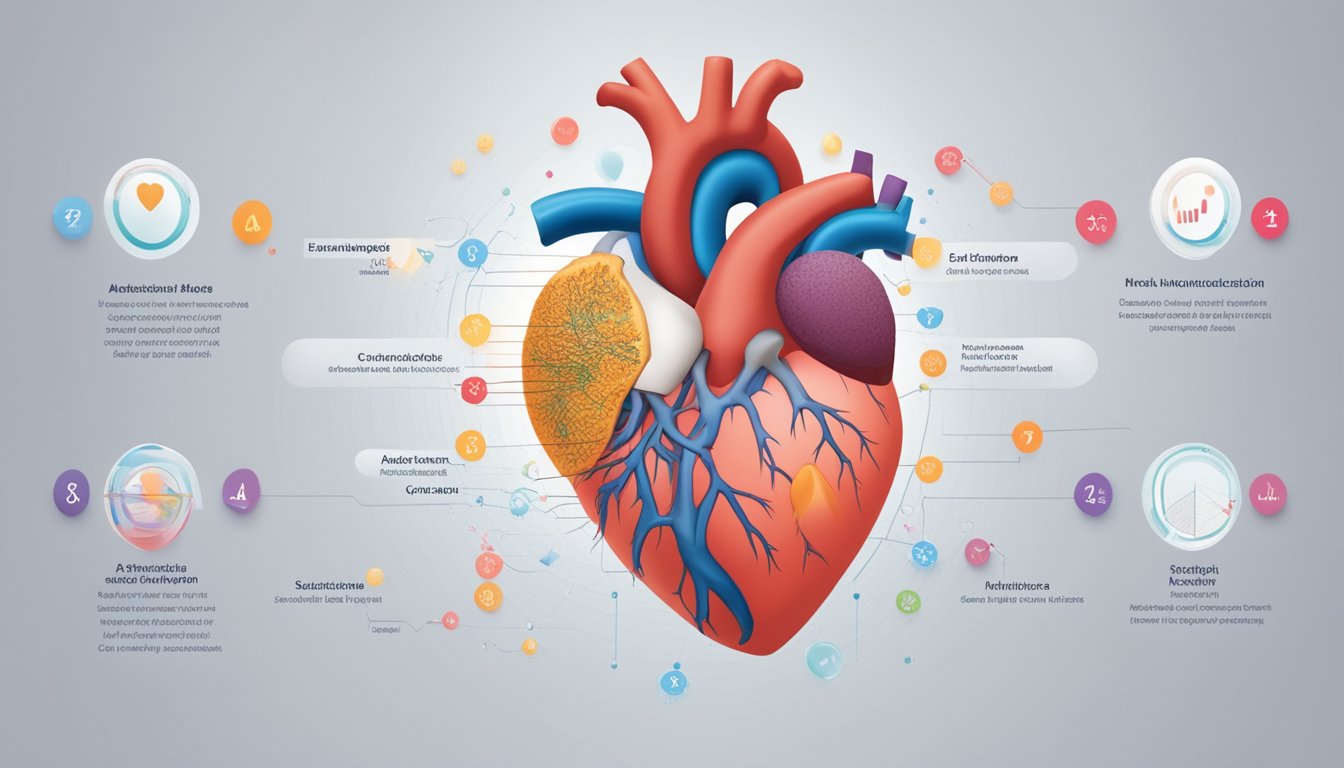
Heart failure with normal ejection fraction (HFpEF) is a clinical syndrome that is characterized by heart failure symptoms and a preserved ejection fraction of greater than or equal to 50%. The underlying mechanisms of HFpEF are complex and not fully understood. However, it is known that HFpEF is a multifactorial disease that involves multiple pathways, including inflammation, oxidative stress, endothelial dysfunction, and neurohormonal activation.
The pathophysiology of HFpEF involves changes in the structure and function of the heart muscle, especially the ventricles. These changes include left ventricular (LV) hypertrophy, fibrosis, and diastolic dysfunction. LV hypertrophy is a common finding in patients with HFpEF and is often associated with hypertension and ageing. Fibrosis, on the other hand, is a result of the deposition of collagen in the extracellular matrix of the heart muscle and is a common feature of many cardiac diseases, including coronary artery disease.
Prevalence and Risk Factors
The prevalence of HFpEF is increasing, and it is estimated that up to 50% of all patients with heart failure have a preserved ejection fraction. The risk factors for HFpEF include hypertension, diabetes, obesity, ageing, and female sex. In addition, coronary artery disease and myocardial infarction are also risk factors for HFpEF.
HFpEF is more common in women than in men, and it is often associated with comorbidities such as hypertension, diabetes, and obesity. The prevalence of HFpEF increases with age, and it is estimated that up to 85% of all patients with HFpEF are over the age of 60.
In conclusion, the pathophysiology of HFpEF is complex and involves multiple pathways. LV hypertrophy, fibrosis, and diastolic dysfunction are common findings in patients with HFpEF. The prevalence of HFpEF is increasing, and it is often associated with comorbidities such as hypertension, diabetes, and obesity. Ageing is also a risk factor for HFpEF, and it is estimated that up to 85% of all patients with HFpEF are over the age of 60.
Clinical Features and Diagnosis

Symptoms and Signs
Heart failure with normal ejection fraction (HFnEF) is characterized by symptoms and signs of heart failure in the presence of a normal left ventricular ejection fraction (LVEF). The symptoms of HFnEF are similar to those of heart failure with reduced ejection fraction (HFrEF) and include fatigue, shortness of breath, and swelling in the legs and ankles. Patients with HFnEF may also experience chest pain and palpitations.
Diagnostic Tests
The diagnosis of HFnEF is based on clinical features and diagnostic tests. The clinical features of HFnEF include symptoms and signs of heart failure, such as fatigue, shortness of breath, and swelling in the legs and ankles. The diagnostic tests used to confirm the diagnosis of HFnEF include echocardiography, chest x-ray, MRI, CT scan, and nuclear stress test.
Echocardiography is the most commonly used test to diagnose HFnEF. It is a non-invasive test that uses ultrasound waves to create images of the heart. Echocardiography can measure the LVEF and detect any abnormalities in the structure and function of the heart.
A chest x-ray may also be performed to detect any changes in the size and shape of the heart. MRI and CT scans can provide detailed images of the heart and can be used to detect any abnormalities in the structure and function of the heart.
A nuclear stress test is a type of imaging test that uses a small amount of radioactive material to detect any abnormalities in the blood flow to the heart. This test can be used to diagnose HFnEF by detecting any abnormalities in the function of the heart.
In conclusion, the diagnosis of HFnEF is based on clinical features and diagnostic tests. Echocardiography is the most commonly used test to diagnose HFnEF, while other tests such as chest x-ray, MRI, CT scan, and nuclear stress test can also be used to confirm the diagnosis. It is important to note that the diagnosis of HFnEF should be made by a qualified healthcare professional and that self-diagnosis can be dangerous.
Management and Treatment

Heart failure with normal ejection fraction (HFNEF) is a complex condition that requires a multifaceted approach to management and treatment. There are several strategies that can be employed to help manage this condition. These include pharmacological interventions, lifestyle modifications and rehabilitation, and advanced therapies and surgical options.
Pharmacological Interventions
Pharmacological interventions are an important aspect of managing HFNEF. Diuretics are often used to help reduce fluid build-up in the lungs and other parts of the body. Medicines such as ACE inhibitors, ARBs, and beta-blockers may also be prescribed to help manage blood pressure and improve heart function. Digoxin may be used to help improve heart function and reduce symptoms of heart failure.
Lifestyle Modifications and Rehabilitation
Lifestyle modifications and rehabilitation are also important aspects of managing HFNEF. Patients are encouraged to engage in physical activity and participate in a cardiac rehabilitation program. This can help improve physical fitness and overall health. Patients are also encouraged to maintain a healthy weight and follow a heart-healthy diet. Blood pressure control is also important for managing HFNEF.
Advanced Therapies and Surgical Options
In some cases, advanced therapies and surgical options may be necessary to manage HFNEF. These may include heart valve repair or replacement, implantable cardioverter defibrillator (ICD) placement, or heart transplant. These options are typically reserved for patients who have severe symptoms and have not responded to other treatments.
It is important to note that management and treatment of HFNEF should be individualised and tailored to each patient’s specific needs. Patients should work closely with their healthcare provider to develop a comprehensive management plan. It is also important for patients to follow their treatment plan and attend all scheduled appointments to ensure optimal management of their condition.
Prognosis and Future Directions
Heart failure with normal ejection fraction (HFNEF) is a condition that can be challenging to diagnose and manage. Despite significant advances in treatment, the prognosis for those with HFNEF remains poor. Patients with HFNEF are at an increased risk of morbidity and mortality, with a five-year survival rate of approximately 50%.
HFNEF is often associated with comorbidities such as hypertension, diabetes, and obesity. These conditions can exacerbate heart failure symptoms and increase the risk of life-threatening events. Therefore, it is essential to manage comorbidities aggressively in patients with HFNEF.
Lifestyle changes such as regular exercise, a healthy diet, and smoking cessation can help improve symptoms in patients with HFNEF. In addition, medication management is crucial in the treatment of HFNEF. ACE inhibitors and beta-blockers are often prescribed to reduce symptoms and improve outcomes in patients with HFNEF.
Severe symptoms of HFNEF can significantly impact the quality of life of patients. Symptoms such as shortness of breath, fatigue, and swelling can be debilitating and limit daily activities. Therefore, it is crucial to manage symptoms aggressively to improve the quality of life of patients with HFNEF.
The Mayo Clinic recommends regular follow-up appointments with a healthcare provider for patients with HFNEF. These appointments can help monitor symptoms, adjust medications, and identify potential complications.
In conclusion, HFNEF is a challenging condition to diagnose and manage. Patients with HFNEF are at an increased risk of morbidity and mortality, and therefore, it is essential to manage comorbidities aggressively. Lifestyle changes and medication management can help improve symptoms in patients with HFNEF. Regular follow-up appointments with a healthcare provider are crucial in the management of HFNEF.
Getting assessed in Singapore
In Singapore, ongoing cardiovascular management is shared between primary care and cardiology. Many people have blood pressure, cholesterol and diabetes reviewed by a GP or polyclinic, with specialist input where a cardiac problem is suspected or already diagnosed. Referral can be arranged through primary care, or a private clinic can be contacted directly.
Related pages on this site explain an echocardiogram scan and consultation and assessment of suspected heart conditions. You can also see all cardiac services.
Frequently Asked Questions

What are the common symptoms associated with heart failure with preserved ejection fraction?
Patients with heart failure with preserved ejection fraction (HFpEF) often experience symptoms such as shortness of breath, fatigue, and swelling in the legs and ankles. These symptoms can be caused by the heart’s inability to pump blood effectively, leading to fluid buildup in the lungs and other parts of the body.
What treatment options are available for patients diagnosed with heart failure with preserved ejection fraction?
The treatment of HFpEF is aimed at managing symptoms and improving quality of life. This may include medications such as diuretics to reduce fluid buildup, beta-blockers to slow the heart rate, and ACE inhibitors to improve blood flow. Lifestyle changes such as weight loss, exercise, and a low-sodium diet may also be recommended.
How does the prognosis for heart failure with preserved ejection fraction differ from other types of heart failure?
The prognosis for HFpEF can vary depending on the severity of the condition and the underlying causes. Generally, patients with HFpEF have a better prognosis than those with heart failure with reduced ejection fraction (HFrEF). However, HFpEF can still lead to complications such as hospitalization and death.
What are the primary causes of heart failure with preserved ejection fraction?
The primary causes of HFpEF include hypertension, diabetes, obesity, and coronary artery disease. Other contributing factors may include age, gender, and genetics.
How is heart failure with preserved ejection fraction classified in the ICD-10 medical coding system?
HFpEF is classified as I50.3 in the ICD-10 medical coding system.
What is the significance of right-sided heart failure in patients with preserved ejection fraction?
Right-sided heart failure can occur in patients with HFpEF and can lead to symptoms such as swelling in the legs and abdomen, liver enlargement, and shortness of breath. It is important to monitor for signs of right-sided heart failure in patients with HFpEF to ensure appropriate management and treatment.
Please note that the information provided is for educational purposes only and should not be used as a substitute for professional medical advice, diagnosis, or treatment. Patients with HFpEF should always consult with their healthcare provider for individualized recommendations and treatment options.
Further reading
- HealthHub — Understanding Heart Failure
- National Heart Centre Singapore — Conditions & Treatments
- SingHealth — Conditions & Treatments
Disclaimer: This article is general information about cardiovascular health. It is not medical advice, diagnosis or treatment, and reading it does not create a doctor–patient relationship. Always seek the advice of your doctor or another qualified health professional with any questions you have about a medical condition, and never disregard or delay seeking medical advice because of something you have read here. If you think you may be having a medical emergency, call 995 or go to the nearest emergency department.