

Heart failure is a serious medical condition in which the heart is unable to pump enough blood to meet the body’s needs. Left ventricular heart failure is a type of heart failure that occurs when the left ventricle, the heart’s main pumping chamber, is unable to contract properly. This results in a decrease in the amount of blood that is pumped out of the heart with each beat.
Left ventricular heart failure can be caused by a variety of factors, including coronary artery disease, high blood pressure, and valve disease. It can also be caused by conditions that affect the heart muscle itself, such as cardiomyopathy. Left ventricular heart failure can be classified as either systolic or diastolic heart failure, depending on whether the heart’s main pumping chamber is unable to contract or relax properly.
Left ventricular heart failure can cause a variety of symptoms, including shortness of breath, fatigue, and swelling in the legs and ankles. Diagnosis typically involves a physical exam, imaging tests such as echocardiography, and blood tests. Treatment options include medications, lifestyle changes, and in some cases, surgery. It is important for individuals with left ventricular heart failure to receive prompt and appropriate treatment in order to manage symptoms and improve quality of life.
Key Takeaways
- Left ventricular heart failure occurs when the heart’s main pumping chamber is unable to contract properly.
- It can be caused by a variety of factors, including coronary artery disease, high blood pressure, and valve disease.
- Treatment options include medications, lifestyle changes, and in some cases, surgery.
Pathophysiology of Left Ventricular Heart Failure
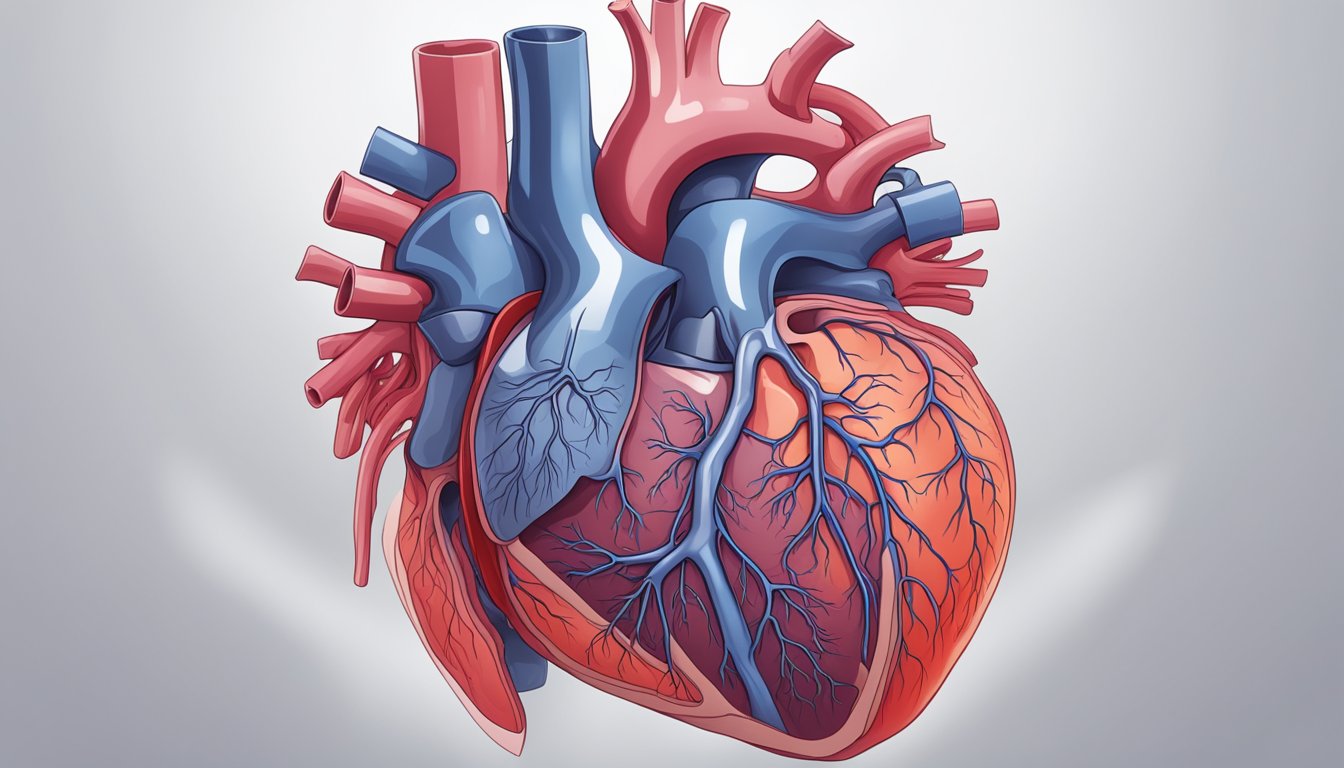
Left ventricular heart failure (LVHF) occurs when the left ventricle of the heart is unable to pump blood effectively to the rest of the body. This can result in a buildup of fluids in the lungs and other parts of the body, causing symptoms such as shortness of breath, fatigue, and swelling in the legs and ankles.
Systolic vs Diastolic Dysfunction
LVHF can be classified into two types based on the underlying pathophysiology: systolic dysfunction and diastolic dysfunction. Systolic dysfunction occurs when the left ventricle is unable to contract effectively, leading to a reduced ejection fraction (EF), which is the percentage of blood pumped out of the left ventricle with each heartbeat. Heart failure with reduced ejection fraction (HFrEF) is a type of systolic dysfunction.
Diastolic dysfunction, on the other hand, occurs when the left ventricle is unable to relax properly, leading to impaired filling of the ventricle during diastole. This can result in a preserved ejection fraction (EF) but still lead to heart failure. This type of heart failure is known as heart failure with preserved ejection fraction (HFpEF).
Role of the Left Ventricle
The left ventricle is responsible for pumping oxygen-rich blood to the rest of the body. In LVHF, the left ventricle is unable to pump blood effectively, leading to a buildup of fluid in the lungs and other parts of the body. This can be caused by a variety of factors, including coronary artery disease, hypertension, and valve disease.
The ejection fraction (EF) is an important measure of the left ventricle’s function. A normal EF is between 50% and 70%. In HFrEF, the EF is typically less than 40%, while in HFpEF, the EF is usually greater than 50%.
In conclusion, LVHF is a serious condition that can result in a variety of symptoms and complications. Understanding the underlying pathophysiology, including the role of the left ventricle and the differences between systolic and diastolic dysfunction, is crucial for effective management and treatment of this condition.
Clinical Manifestations and Diagnosis
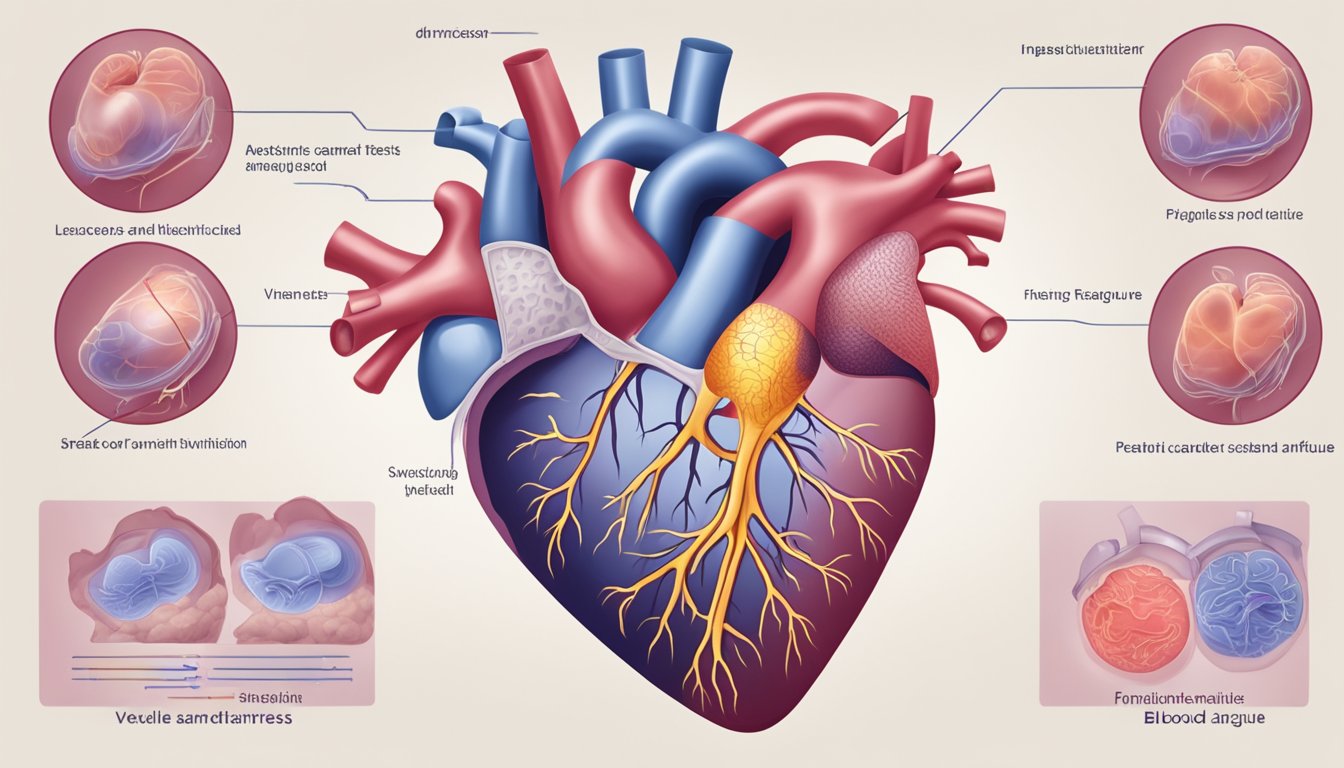
Symptoms of Left Ventricular Failure
Left ventricular failure is a complex clinical syndrome that is often characterized by the presence of characteristic symptoms such as shortness of breath and fatigue. Patients may also experience edema, which is the accumulation of fluid in the tissues of the body, particularly in the legs and ankles.
Shortness of breath is a common symptom of left ventricular failure and is often exacerbated by physical activity. Patients may also experience orthopnea, which is shortness of breath that occurs when lying flat. Paroxysmal nocturnal dyspnea, which is shortness of breath that occurs suddenly during the night, is also a common symptom.
Fatigue is another common symptom of left ventricular failure and may be due to reduced blood flow to the muscles. Patients may also experience weakness and decreased exercise tolerance.
Diagnostic Investigations
The diagnosis of left ventricular failure is based on a combination of clinical findings and diagnostic investigations. An echocardiogram is often used to assess left ventricular function and can provide information on the size and shape of the left ventricle. Coronary angiography may be used to assess the patency of the coronary arteries and to evaluate for the presence of coronary artery disease.
Cardiac MRI may also be used to assess left ventricular function and can provide information on the size and shape of the left ventricle. Other diagnostic investigations may include blood tests to assess for the presence of heart failure biomarkers such as B-type natriuretic peptide (BNP) and N-terminal pro-B-type natriuretic peptide (NT-proBNP).
It is important to note that the diagnosis of left ventricular failure should be made by a qualified healthcare professional and that patients should seek medical attention if they are experiencing any symptoms suggestive of heart failure.
Management and Treatment Options
Pharmacological Therapies
Pharmacological therapies are an essential part of the management of left ventricular heart failure. Diuretics are commonly prescribed to help reduce fluid retention and ease the workload on the heart. Angiotensin-converting enzyme (ACE) inhibitors are another class of medication that can help to improve symptoms and slow the progression of the disease. Beta-blockers are also used in the treatment of heart failure as they can help to reduce the workload on the heart and improve its efficiency.
It is important to note that the choice of medication will depend on the individual patient’s needs, and a healthcare professional should always be consulted before starting any new medication.
Lifestyle Modifications and Devices
In addition to pharmacological therapies, lifestyle modifications and devices can also be used to manage left ventricular heart failure. Lifestyle changes such as maintaining a healthy diet, quitting smoking, and regular exercise can help to improve symptoms and reduce the risk of complications.
Devices such as implantable cardioverter-defibrillators (ICDs) and cardiac resynchronisation therapy (CRT) devices can also be used in the management of heart failure. These devices help to regulate the heart’s rhythm and improve its efficiency.
It is important to note that these devices are not suitable for all patients, and the decision to use them should be made on a case-by-case basis by a healthcare professional.
Overall, the management of left ventricular heart failure requires a multifaceted approach that includes pharmacological therapies, lifestyle modifications, and devices where appropriate. It is important for patients to work closely with their healthcare professionals to develop a personalised treatment plan that meets their individual needs.
Complications and Prognosis
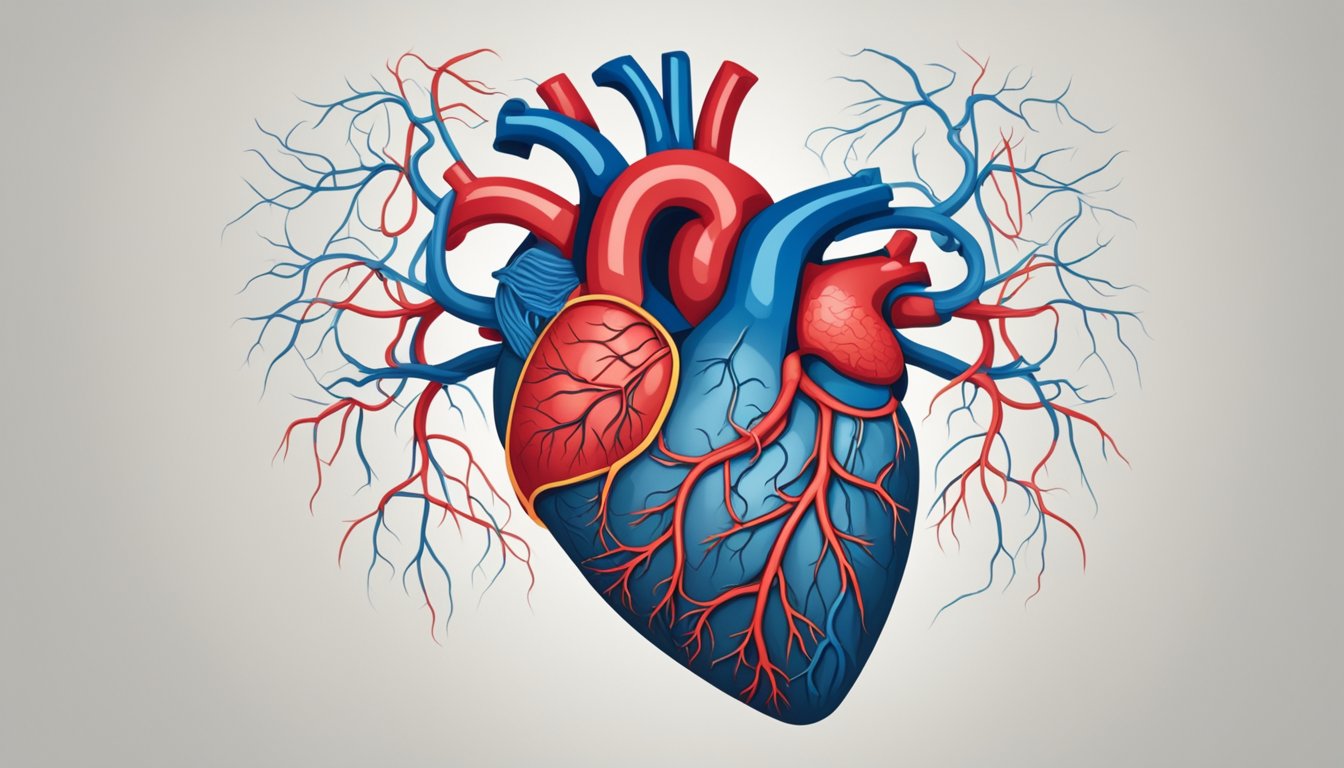
Common Complications
Left ventricular failure is a serious condition that can lead to a variety of complications. One of the most common complications is the development of arrhythmias, which are abnormal heart rhythms. Arrhythmias can be life-threatening and require immediate medical attention.
Another common complication of left ventricular failure is kidney disease. The kidneys play a crucial role in removing waste products from the body, and when they are not functioning properly, waste products can build up in the blood, leading to further health complications.
Chronic heart failure is another potential complication of left ventricular failure. Chronic heart failure occurs when the heart is no longer able to pump blood effectively, leading to a variety of symptoms such as shortness of breath, fatigue, and swelling in the legs and ankles.
Long-Term Outlook
The long-term outlook for patients with left ventricular failure can vary depending on a variety of factors, including the severity of the condition and the patient’s overall health. While left ventricular failure is a serious condition, with proper treatment and management, many patients are able to live relatively normal lives.
However, it is important to note that left ventricular failure is a chronic condition that requires ongoing medical management. Patients with left ventricular failure may need to take medication, make lifestyle changes, and undergo regular monitoring to manage their condition and prevent further complications.
Overall, while left ventricular failure can be a serious and life-threatening condition, with proper treatment and management, many patients are able to maintain a good quality of life. It is important for patients with left ventricular failure to work closely with their healthcare providers to develop a comprehensive treatment plan that meets their individual needs.
Disclaimer: The information provided in this article is for educational purposes only and should not be used as a substitute for professional medical advice. Patients with left ventricular failure should consult their healthcare providers for guidance on diagnosis, treatment, and management.
Frequently Asked Questions
What are the typical symptoms of left-sided heart failure?
Left-sided heart failure can cause shortness of breath, fatigue, coughing, and wheezing. Patients may also experience swelling in the legs, ankles, and feet. In some cases, patients may also experience chest pain or discomfort.
How does left-sided heart failure differ from right-sided heart failure?
Left-sided heart failure occurs when the left ventricle of the heart is unable to pump blood effectively to the rest of the body. Right-sided heart failure, on the other hand, occurs when the right ventricle is unable to pump blood effectively to the lungs. Symptoms of right-sided heart failure include swelling in the legs and abdomen, fatigue, and shortness of breath.
What are the primary causes of left-sided heart failure?
The primary causes of left-sided heart failure include coronary artery disease, high blood pressure, and valve disease. Other contributing factors can include diabetes, obesity, and a history of smoking.
What treatment options are available for left-sided heart failure?
Treatment options for left-sided heart failure may include medication to help manage symptoms, lifestyle changes such as diet and exercise, and surgical interventions such as valve replacement or bypass surgery. In some cases, a heart transplant may be necessary.
Can left ventricular dysfunction be equated with heart failure?
Left ventricular dysfunction is a condition in which the left ventricle of the heart is unable to pump blood effectively. While left ventricular dysfunction is a contributing factor to heart failure, it is not the same as heart failure. Heart failure is a more advanced condition in which the heart is unable to pump blood effectively to the rest of the body.
How does left-sided heart failure impact overall prognosis?
Left-sided heart failure can significantly impact a patient’s overall prognosis. If left untreated, it can lead to serious complications such as kidney damage, liver damage, and even death. However, with proper treatment and management, many patients with left-sided heart failure are able to live full and active lives. It is important for patients to work closely with their healthcare provider to manage their condition and reduce the risk of complications.