

Heart attack is a leading cause of death worldwide. It occurs when blood flow to the heart is blocked, which can cause damage to the heart muscle. Recognising the symptoms of an oncoming heart attack is crucial in getting prompt medical attention, which can save a person’s life.
Symptoms of a heart attack can vary from person to person, and some people may not experience any symptoms at all. However, common symptoms include chest pain or discomfort, shortness of breath, nausea, lightheadedness, and cold sweats. It’s important to note that not all heart attacks present with chest pain, and some people may only experience mild symptoms or no symptoms at all.
If someone experiences symptoms of a heart attack, it’s essential to call 999 or the emergency services in their country immediately. Waiting too long to seek medical attention can result in permanent damage to the heart muscle or even death. Knowing the symptoms of an oncoming heart attack and taking prompt action can increase the chances of survival and reduce the risk of long-term complications.
Key Takeaways
- Recognising the symptoms of a heart attack is crucial in getting prompt medical attention.
- Common symptoms of a heart attack include chest pain or discomfort, shortness of breath, nausea, lightheadedness, and cold sweats.
- If someone experiences symptoms of a heart attack, it’s essential to call 999 or the emergency services in their country immediately.
Recognising Heart Attack Symptoms
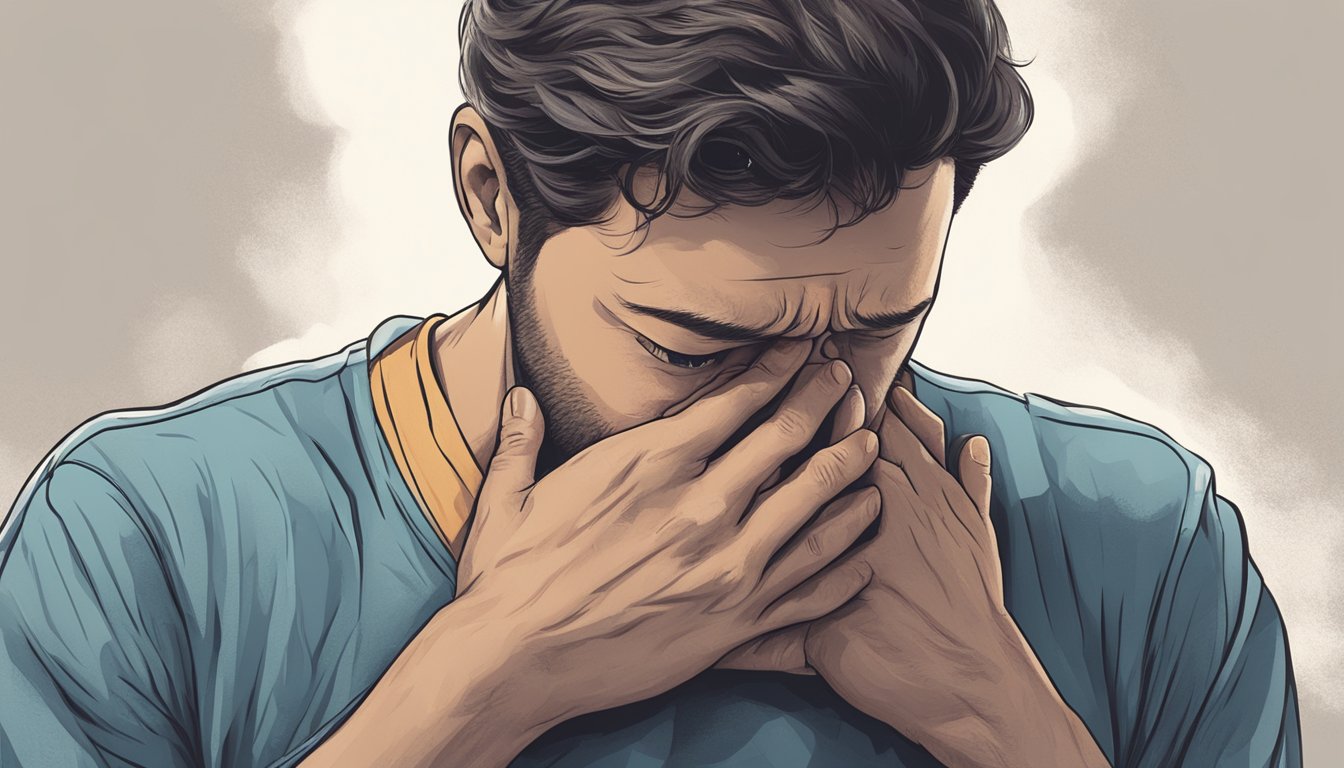
When it comes to recognising the symptoms of an oncoming heart attack, it is important to know that they can vary from person to person. However, there are some common symptoms that are experienced by most people who have had a heart attack. In addition, there are also some gender-specific and atypical symptoms that can occur.
Common Symptoms
The most common symptom of a heart attack is chest pain or pressure. This pain can feel like a squeezing or fullness in the chest, and it may also spread to other areas of the body, such as the back, neck, jaw, or stomach. Other common symptoms include shortness of breath, nausea, pain in the arms or shoulders, and a feeling of lightheadedness or dizziness.
Gender-Specific Symptoms
In women, the symptoms of a heart attack may be different than in men. Women may experience jaw pain, upper body pain, unusual fatigue, and vomiting, in addition to the common symptoms listed above. It is important for women to be aware of these symptoms and to seek medical attention if they experience them.
Atypical Symptoms
Some people may experience atypical symptoms of a heart attack, which can be more difficult to recognise. These symptoms may include sudden sweating, back pain, or a feeling of indigestion. It is important to pay attention to any unusual symptoms and to seek medical attention if there is any concern.
It is important to note that not everyone who has a heart attack experiences all of these symptoms. In some cases, a heart attack can occur without any symptoms at all. If you or someone you know is experiencing any of these symptoms, it is important to seek medical attention immediately.
Disclaimer: This article is not intended to be a substitute for professional medical advice, diagnosis, or treatment. Always seek the advice of your physician or other qualified healthcare provider with any questions you may have regarding a medical condition.
Responding to a Heart Attack

Immediate Actions
When someone experiences symptoms of a heart attack, it is crucial to take immediate action to increase their chances of survival. The first step is to call for emergency medical help by dialling 999. The faster treatment is received, the better the chances of survival.
While waiting for the EMS team to arrive, the person experiencing the heart attack should be made to sit down, and any tight clothing should be loosened. If the person is conscious, they should be given aspirin to chew, as this can help to reduce blood clots. However, aspirin should not be given to someone who is allergic to it or has been advised by their doctor not to take it.
If the person stops breathing or their heart stops, cardiopulmonary resuscitation (CPR) should be started immediately. CPR is a technique that involves chest compressions and rescue breaths to keep oxygen flowing to the brain and other vital organs.
Emergency Treatment
Once the EMS team arrives, they will take over resuscitation efforts and provide emergency treatment. This may involve administering oxygen, using an automated external defibrillator (AED) to shock the heart back into a normal rhythm, or administering nitroglycerin to help improve blood flow to the heart.
The American Heart Association recommends that heart attack patients receive treatment within 90 minutes of arriving at the hospital. In the emergency room, the patient may undergo further tests to determine the extent of the damage to the heart and receive medication to help stabilise their condition.
It is important to note that every heart attack is different, and treatment may vary depending on the individual’s circumstances. This article is not a substitute for medical advice, and anyone experiencing symptoms of a heart attack should seek emergency medical help immediately.
Understanding Causes and Risk Factors
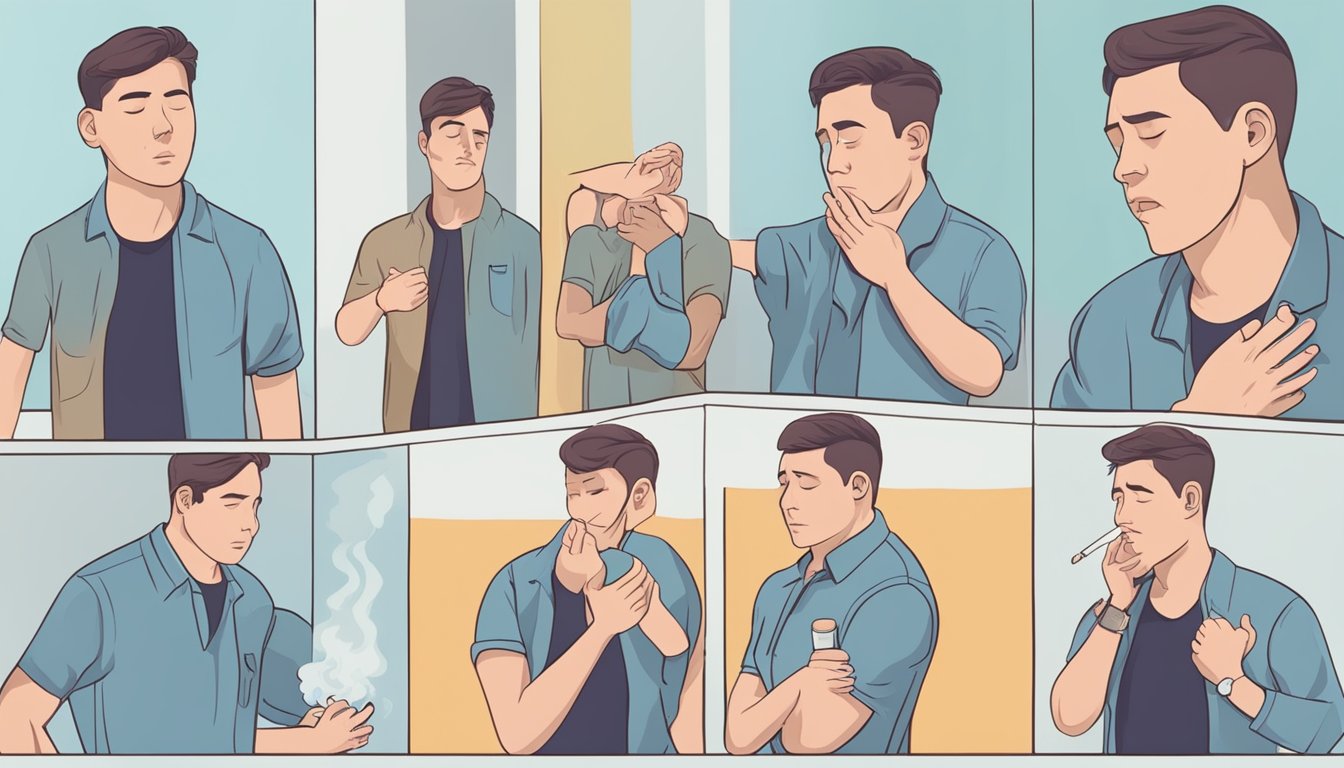
Heart attacks can be caused by a variety of factors, including lifestyle habits, medical history, and biological factors. Understanding these factors can help individuals take preventative measures to reduce their risk of a heart attack.
Lifestyle and Medical History
Certain lifestyle habits and medical conditions can increase the risk of a heart attack. Smoking, for example, can damage blood vessels and increase the risk of plaque buildup, which can lead to atherosclerosis and heart disease. Obesity, lack of exercise, high blood pressure, and high cholesterol can also contribute to the development of atherosclerosis and increase the risk of a heart attack.
Additionally, individuals with a family history of heart disease or a history of heart failure may be at a higher risk of having a heart attack. Diabetes, stress, and exposure to trans fats can also increase the risk of heart disease and heart attacks.
Biological Factors
Biological factors can also contribute to the development of atherosclerosis and increase the risk of a heart attack. For example, as individuals age, their risk of heart disease and heart attacks increases. Men over the age of 45 and women over the age of 55 are more likely to have a heart attack than younger individuals.
Other biological factors that can increase the risk of a heart attack include high triglycerides, which are a type of fat found in the blood, and a family history of early atherosclerotic cardiovascular disease.
It is important to note that while certain factors can increase the risk of a heart attack, not all individuals with these risk factors will experience a heart attack. Additionally, some individuals without any known risk factors may still experience a heart attack. Therefore, it is important to maintain a healthy lifestyle and regularly check in with a healthcare provider to monitor and manage any potential risk factors.
Frequently Asked Questions
What are the indications of an imminent cardiac arrest?
An imminent cardiac arrest may present itself through a variety of symptoms such as chest pain or discomfort, shortness of breath, nausea, lightheadedness, or cold sweats. It is crucial to seek medical attention immediately if these symptoms are experienced.
Can you identify early warning symptoms of a myocardial infarction in females?
Early warning symptoms of a myocardial infarction in females may include shortness of breath, fatigue, and discomfort in the neck, jaw, upper back, or abdominal area. It is important to note that symptoms may differ from person to person.
What symptoms might men experience prior to a cardiac event?
Men may experience symptoms such as chest pain or discomfort, shortness of breath, nausea, lightheadedness, or cold sweats prior to a cardiac event. It is important to seek medical attention immediately if these symptoms are experienced.
What does a minor myocardial infarction entail?
A minor myocardial infarction may present itself through symptoms such as chest pain, shortness of breath, and fatigue. It is important to seek medical attention immediately if these symptoms are experienced.
Are there silent precursors to a heart attack that one should be aware of?
Yes, there are silent precursors to a heart attack such as high blood pressure, high cholesterol, and obesity. It is important to monitor these risk factors and seek medical attention if necessary.
How might one’s sensations alter in the days leading up to a cardiac arrest?
In the days leading up to a cardiac arrest, one may experience symptoms such as fatigue, shortness of breath, chest pain, or discomfort. It is important to seek medical attention immediately if these symptoms are experienced.
Note: The information provided is for educational purposes only and should not be used as a substitute for professional medical advice. It is important to consult with a healthcare professional if you experience any symptoms or have any concerns about your heart health.