

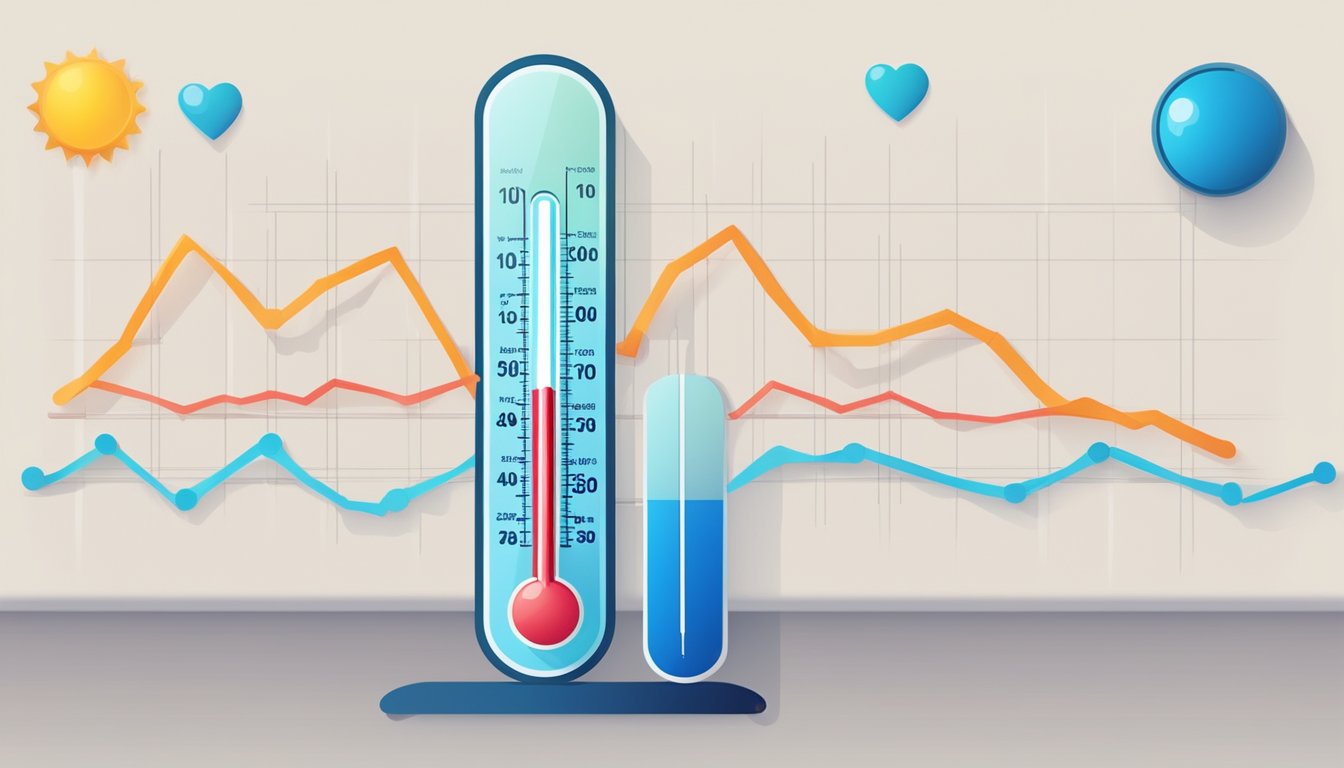
Temperature is one of the most important environmental factors that can affect heart rate. The human body is designed to maintain its internal temperature within a narrow range, and any deviation from this range can cause changes in heart rate. In general, when the body is exposed to high temperatures, the heart rate increases, while low temperatures can cause it to decrease.
Physiological Effects of Temperature on Heart Rate
The physiological effects of temperature on heart rate are complex and involve a number of different mechanisms. One of the primary ways in which temperature affects heart rate is through changes in blood flow. When the body is exposed to high temperatures, blood vessels in the skin dilate, which allows more blood to flow to the surface of the skin. This reduces the amount of blood that is available to the internal organs, including the heart, which can cause the heart rate to increase.
Health Risks and Medical Considerations
There are a number of health risks associated with changes in heart rate due to temperature. For example, people with heart conditions may be more susceptible to heat-related illnesses, as their bodies may be less able to cope with the stress of increased heart rate. In addition, changes in heart rate due to temperature can also be a sign of other underlying medical conditions, such as thyroid disorders or infections. Therefore, it is important to monitor heart rate regularly and seek medical attention if any unusual changes are observed.
Key Takeaways
- Temperature can have a significant effect on heart rate, with high temperatures causing an increase and low temperatures causing a decrease.
- Changes in heart rate due to temperature can be a sign of underlying medical conditions and can also increase the risk of heat-related illnesses.
- Regular monitoring of heart rate and taking preventive measures such as staying hydrated can help mitigate the risks associated with changes in heart rate due to temperature.
Physiological Effects of Temperature on Heart Rate
Influence of Heat on Cardiovascular System
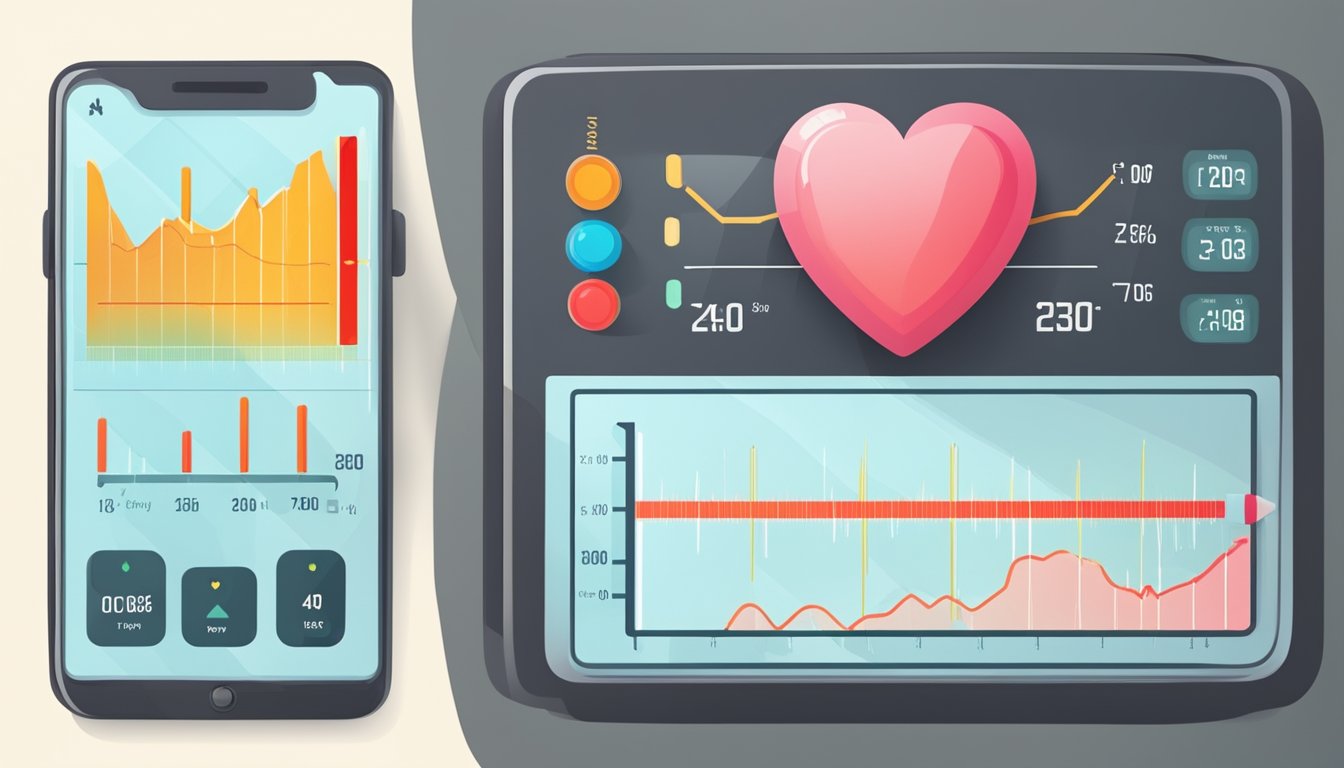
The human body has a natural mechanism to regulate the internal temperature, which is essential for maintaining homeostasis. When the temperature rises, the body’s natural response is to increase blood flow to the skin, which helps to dissipate the heat. This increase in blood flow to the skin results in a decrease in blood flow to other organs, including the heart. As a result, the heart has to work harder to maintain the same level of blood flow to the body.
Studies have shown that for every degree Celsius increase in body temperature, the heart rate increases by approximately 10 beats per minute. This increase in heart rate places added strain and stress on the heart, which can lead to adverse effects on the cardiovascular system, especially in individuals with pre-existing heart conditions.
Body Temperature Regulation and Heart Rate
The body has an intricate system for regulating body temperature. The hypothalamus, located in the brain, acts as the body’s thermostat, regulating body temperature by controlling the amount of heat produced and lost. When the body temperature rises, the hypothalamus sends a signal to the skin to increase blood flow, which results in sweating. Sweating helps to dissipate heat from the body, which in turn helps to lower the body temperature.
As the body temperature rises, the heart rate also increases. This is because the body is trying to pump more blood to the skin to help dissipate heat. However, if the body is unable to dissipate heat adequately, it can lead to dehydration, which can further increase the heart rate and place additional strain on the heart.
Age-Related Variations in Heart Rate Response
As individuals age, their bodies may not be able to regulate body temperature as effectively as younger individuals. This can lead to an increased risk of heat-related illnesses, such as heat exhaustion and heat stroke. Additionally, older individuals may experience age-related variations in heart rate response to changes in temperature.
Studies have shown that older individuals may have a reduced ability to increase their heart rate in response to changes in temperature. This reduced ability can make it more difficult for older individuals to regulate body temperature, which can increase the risk of heat-related illnesses.
In conclusion, the body’s natural response to heat can have significant effects on the cardiovascular system, especially in individuals with pre-existing heart conditions. It is essential to stay hydrated and take measures to regulate body temperature to prevent heat-related illnesses. Individuals who experience symptoms such as dizziness, nausea, or chest pain should seek medical attention immediately.
Health Risks and Medical Considerations
Heat-Related Illnesses and Heart Rate
Exposure to high temperatures can cause various heat-related illnesses, such as heat exhaustion and heat stroke. These conditions can lead to an increase in heart rate, as the heart works harder to cool the body down. Heat exhaustion can cause symptoms such as sweating, nausea, dizziness, and a rapid heartbeat. On the other hand, heat stroke is a medical emergency that can cause confusion, seizures, and even unconsciousness. It is important to seek immediate medical attention if any of these symptoms occur.
Heart Conditions and Temperature Sensitivity
Individuals with pre-existing heart conditions may be more sensitive to temperature changes. Extreme heat can cause an increase in heart rate and blood pressure, which can put additional strain on the heart. This can increase the risk of heart failure, especially in individuals with weakened heart muscles. It is important for individuals with heart conditions to be aware of their temperature sensitivity and take precautions to avoid extreme temperatures.
Medication Impact on Heart Rate and Temperature
Certain medications, such as beta blockers, can impact heart rate and temperature regulation. Beta blockers can lower heart rate and reduce the body’s ability to sweat, which can make it harder for the body to cool down in hot temperatures. This can increase the risk of heat-related illnesses and lead to an increase in heart rate. Individuals taking beta blockers should be aware of their temperature sensitivity and take precautions to avoid extreme temperatures.
It is important to consult with a medical professional before making any changes to medication or treatment plans. It is also important to note that the information provided in this article is for educational purposes only and should not be used as a substitute for medical advice.
Assessment and Measurement of Heart Rate
Methods of Measuring Heart Rate
The heart rate is the number of times the heart beats in one minute. It can be measured in several ways, including:
- Pulse palpation: This involves feeling the pulse at certain points on the body, such as the wrist, neck or groin. The pulse can be counted for 15 seconds and then multiplied by four to get the heart rate per minute.
- Electrocardiography (ECG): This is a non-invasive test that measures the electrical activity of the heart. It provides a more accurate measurement of heart rate than pulse palpation.
- Heart rate monitors: These are wearable devices that use sensors to measure heart rate continuously. They are commonly used during exercise.
Environmental Factors Affecting Heart Rate Accuracy
Several environmental factors can affect the accuracy of heart rate measurement. These include:
- Physical activity: Exercise can increase heart rate, making it difficult to accurately measure resting heart rate.
- Temperature: High temperatures can increase heart rate, while low temperatures can decrease it. It is important to measure heart rate in a comfortable environment with a stable temperature.
- Stress: Emotional stress can increase heart rate, while relaxation can decrease it. It is important to measure heart rate when the patient is calm and relaxed.
- Medications: Certain medications, such as beta-blockers, can decrease heart rate. It is important to take into account any medications the patient is taking when measuring heart rate.
It is important to ensure accurate measurement of heart rate, as it is a key indicator of cardiovascular health. In emergency departments, heart rate is often measured along with other vital signs, such as blood pressure, respiratory rate and oxygen saturation, to assess the patient’s overall health status. However, it is important to note that heart rate measurement alone cannot provide a complete picture of cardiovascular health and should be interpreted in conjunction with other clinical findings.
Preventive Measures and Recommendations
Staying Hydrated and Cool
One of the most important preventive measures against heat-related heart rate increase is staying hydrated and cool. It is essential to drink plenty of fluids, especially water, to avoid dehydration. When the body loses too much water, it can lead to an increase in heart rate, making it work harder to pump blood. It is recommended to drink at least 8-10 glasses of water per day, and more if engaging in physical activities or spending time in hot weather.
In addition to staying hydrated, it is also important to stay cool. It is recommended to stay indoors or in shaded areas during the hottest parts of the day, typically between 11 am and 3 pm. Wearing loose-fitting, light-coloured clothing can also help to keep the body cool. It is also recommended to use fans or air conditioning to circulate cool air and reduce the risk of overheating.
Importance of Recognising Early Symptoms
Recognising early symptoms of heat-related illness is crucial in preventing complications, including an increase in heart rate. Symptoms such as dizziness, fainting, and nausea may indicate a heat-related illness and should be taken seriously. If experiencing any of these symptoms, it is important to move to a cooler area, drink fluids, and rest. In severe cases, medical attention may be necessary.
It is also important to be aware of the risks associated with certain medications, which can increase the risk of heat-related complications. Some medications, such as diuretics and beta-blockers, can affect the body’s ability to regulate temperature and increase the risk of dehydration. It is recommended to speak with a healthcare professional about any medications and their potential effects on heat-related illnesses.
Overall, staying hydrated, cool, and recognising early symptoms are essential in preventing complications associated with an increase in heart rate due to temperature. By taking these simple precautions, individuals can reduce their risk of heat-related illness and maintain good heart health.
Getting assessed in Singapore
In Singapore, cardiovascular assessment is available through both the public and private sectors. Which tests are appropriate depends on your symptoms, risk factors and history rather than on choosing the most extensive option available. A GP or polyclinic can arrange a referral to a cardiologist, or a private clinic can be approached directly.
Readers looking into this next usually want to know about an ECG or 24-hour Holter ECG monitoring; the clinic directly is also listed.
Frequently Asked Questions
What is the relationship between elevated temperatures and an increase in heart rate?
An increase in body temperature, such as during hot weather or physical exertion, can cause an increase in heart rate. For every degree Celsius that the body’s internal temperature rises, the heart rate increases by about 10 beats per minute. This natural reaction places added strain and stress on the heart, which can be particularly problematic for individuals with pre-existing heart conditions.
In what ways does exposure to cold environments impact cardiac rhythm?
Exposure to cold environments can cause the blood vessels in the body to constrict, which can lead to an increase in blood pressure and heart rate. This is the body’s natural response to maintain core body temperature. However, prolonged exposure to cold temperatures can increase the risk of heart attacks, particularly in individuals with pre-existing heart conditions.
Why does the heart rate tend to rise during febrile conditions?
During febrile conditions, the body’s internal temperature rises as a result of an infection or illness. This increase in body temperature can cause an increase in heart rate, as the body works to maintain core body temperature. However, an elevated heart rate can also be a sign of more serious complications, such as sepsis or myocarditis, and should be monitored closely.
How does ambient temperature influence cardiovascular performance during physical exertion?
Ambient temperature can have a significant impact on cardiovascular performance during physical exertion. In hot and humid conditions, the body may struggle to regulate its internal temperature, leading to an increase in heart rate and blood pressure. Conversely, in cold conditions, the body may struggle to maintain core body temperature, leading to a decrease in heart rate and blood pressure. It is important to be aware of these factors when engaging in physical activity, particularly in extreme weather conditions.
What are the implications of temperature fluctuations on heart rate and arterial pressure?
Temperature fluctuations can have a significant impact on heart rate and arterial pressure, particularly in individuals with pre-existing heart conditions. Exposure to extreme temperatures, either hot or cold, can place added stress on the heart and increase the risk of heart attacks and other cardiovascular complications. It is important to monitor heart rate and arterial pressure closely in these situations and seek medical attention if necessary.
How can one manage an accelerated pulse rate in response to high body temperature?
If an individual experiences an accelerated pulse rate in response to high body temperature, there are several steps that can be taken to manage the condition. These may include staying hydrated, avoiding strenuous physical activity, and seeking medical attention if necessary. In some cases, medications may be prescribed to help regulate heart rate and reduce the risk of complications.
Further reading
- HealthHub — Cardiovascular Disease
- Health Promotion Board — Healthy Living
- American Heart Association — Health Topics
Disclaimer: This article is general information about cardiovascular health. It is not medical advice, diagnosis or treatment, and reading it does not create a doctor–patient relationship. Always seek the advice of your doctor or another qualified health professional with any questions you have about a medical condition, and never disregard or delay seeking medical advice because of something you have read here. If you think you may be having a medical emergency, call 995 or go to the nearest emergency department.