

Physicians and healthcare providers often monitor a patient’s heart rate to determine their overall health and well-being. While a person’s heart rate can vary depending on several factors, including age, fitness level, and stress, it can also be affected by illness. Many people wonder if their heart rate increases when sick and what this could mean for their health.
During an illness, the body’s immune system is activated to fight off the infection. This response can cause an increase in heart rate as the body works to deliver oxygen and nutrients to the tissues that need it most. Additionally, certain illnesses, such as the flu or COVID-19, can directly affect the heart and cause an increase in heart rate. It’s important to note that while an increased heart rate when sick is normal, a persistent or excessively high heart rate could indicate a more serious underlying condition.
Factors that can influence heart rate variability when sick include the type and severity of the illness, age, underlying health conditions, and medications. It’s important to monitor heart rate during illness, especially if a person has a pre-existing heart condition or is experiencing other concerning symptoms. Healthcare providers may recommend taking certain steps, such as staying hydrated, getting plenty of rest, and avoiding strenuous activity, to help manage heart rate during illness.
Key Takeaways
- Illness can cause an increase in heart rate as the body’s immune system works to fight off infection.
- Factors that can influence heart rate variability when sick include the type and severity of the illness, age, underlying health conditions, and medications.
- Monitoring and managing heart rate during sickness is important, especially for those with pre-existing heart conditions or other concerning symptoms.
Physiological Response to Illness

Illness can cause a variety of physiological responses in the body, including changes in heart rate. The immune system plays a significant role in these responses, as it is responsible for detecting and fighting off infections caused by viruses and bacteria. When the immune system detects an infection, it triggers a series of responses that can lead to inflammation and an increase in heart rate.
Role of the Immune System
The immune system is responsible for protecting the body against harmful pathogens, such as viruses and bacteria. When the immune system detects an infection, it triggers a series of responses that help to fight off the pathogen. These responses include the release of cytokines, which are small proteins that help to coordinate the immune response. Cytokines can cause inflammation, which can lead to an increase in heart rate.
Impact of Fever and Infection on Heart Rate
Fever is a common symptom of infection and can also cause an increase in heart rate. When the body’s temperature rises due to infection, the heart rate increases in an attempt to circulate more blood and oxygen to the body’s tissues. This increased heart rate can also help to increase the body’s metabolic rate, which can aid in fighting off the infection.
In addition to fever, infections themselves can also cause an increase in heart rate. When the immune system detects an infection, it releases cytokines that can cause inflammation and an increase in heart rate. This increase in heart rate can help to circulate more blood and oxygen to the body’s tissues, which can aid in fighting off the infection.
It is important to note that while an increase in heart rate is a normal physiological response to illness, it can also be a sign of more serious complications. In some cases, an increased heart rate can lead to tachycardia, which is a condition where the heart beats too fast. Tachycardia can cause a variety of symptoms, including dizziness, shortness of breath, and chest pain. If you experience these symptoms, it is important to seek medical attention.
Overall, an increase in heart rate is a normal physiological response to illness, and it can help to aid in fighting off infections. However, it is important to monitor your heart rate and seek medical attention if you experience any concerning symptoms.
Factors Influencing Heart Rate Variability When Sick

When an individual is sick, their heart rate can increase due to various factors. Some of these factors are:
Effects of Medications and Substances
Certain medications and substances can affect heart rate variability and cause an increase in heart rate. For instance, caffeine, alcohol, and nicotine can all cause an increase in heart rate. Additionally, some medications such as decongestants, bronchodilators, and some antidepressants can also cause an increase in heart rate. In some cases, these medications may be necessary for treating the underlying condition, but it is important to monitor heart rate and speak with a medical professional if any concerns arise.
Underlying Conditions and Heart Rate Changes
Underlying medical conditions can also cause heart rate changes. For instance, hyperthyroidism, high blood pressure, heart disease, and atrial fibrillation can all cause an increase in heart rate. Furthermore, illnesses such as COVID-19, colds, and flu can also cause an increase in heart rate due to the body’s immune response to the infection.
It is important to note that an increase in heart rate when sick may not always be a cause for concern. In some cases, it may be a normal response to the illness. However, if an individual experiences other symptoms such as shortness of breath, dizziness, or fainting, it is important to seek medical attention.
In conclusion, heart rate variability when sick can be influenced by various factors such as medication, underlying medical conditions, and illnesses. It is important to monitor heart rate and speak with a medical professional if any concerns arise.
Monitoring and Managing Heart Rate During Sickness
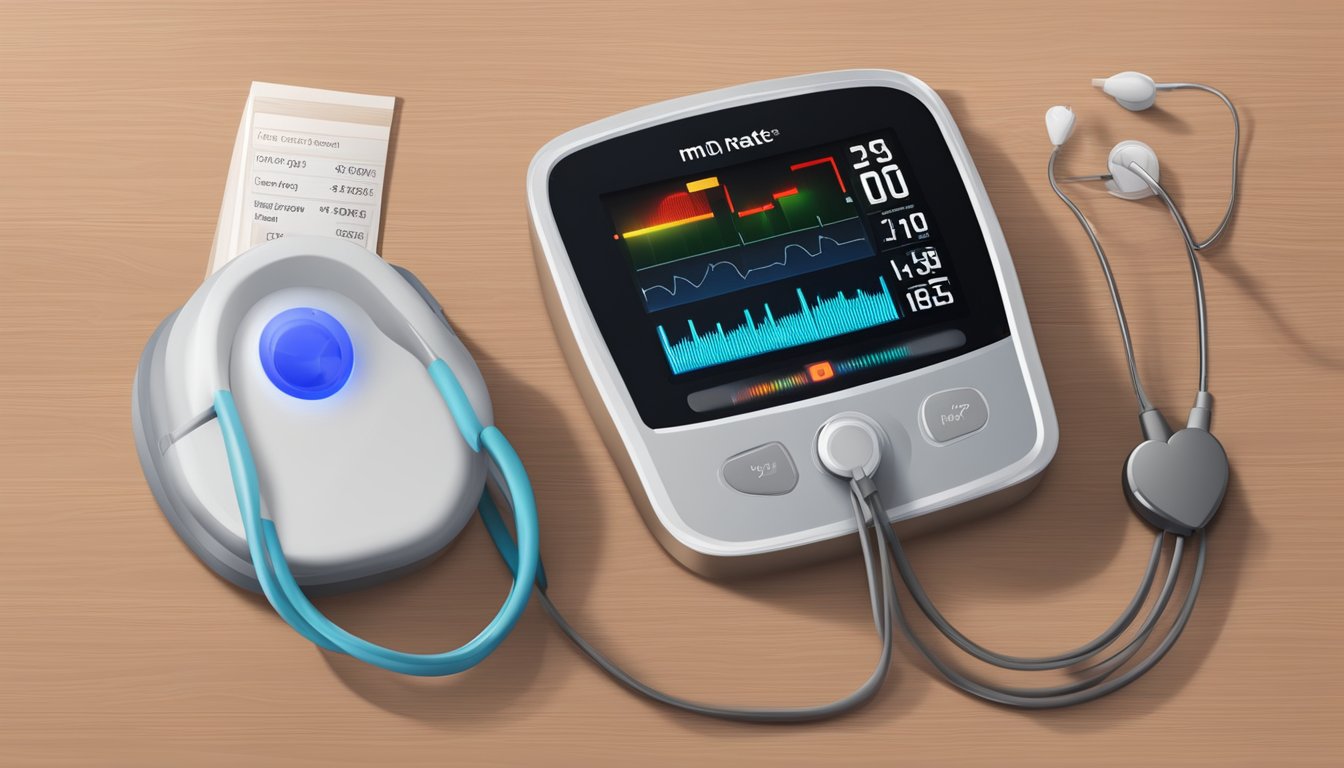
When someone is sick, it is not uncommon for their heart rate to increase. The body’s response to illness can cause an increase in heart rate as it works to fight off the infection. According to the American Heart Association, a normal resting heart rate for most adults is between 60 and 100 beats per minute (bpm). However, when someone is sick, their heart rate may be higher than usual.
When to Consult a Doctor
While an increased heart rate during sickness is common, it is important to monitor it closely. If someone experiences chest pain, shortness of breath, or fainting, they should seek medical attention immediately. These symptoms could indicate a more serious medical condition that requires prompt treatment.
Recommendations for Rest and Hydration
To help manage heart rate and support recovery during sickness, it is important to get plenty of rest and stay hydrated. Resting can help reduce the body’s need for oxygen and lower heart rate. Drinking plenty of water and other fluids can help prevent dehydration, which can cause an increase in heart rate.
It is also important to avoid activities that could further increase heart rate, such as exercise. While exercise is generally beneficial for heart health, it can be harmful during sickness. It is recommended to wait until fully recovered before returning to exercise.
Wearable sensors, such as Oxa, can be used to monitor heart rate and provide valuable insights into the body’s response to illness. However, it is important to consult with a doctor before using any wearable device for medical purposes.
In summary, an increased heart rate during sickness is common, but it is important to monitor it closely and seek medical attention if necessary. Rest and hydration are key to managing heart rate and supporting recovery during sickness. If someone is concerned about their heart rate during sickness, they should consult with a doctor before using any wearable device for medical purposes.
Getting assessed in Singapore
In Singapore, cardiovascular assessment is available through both the public and private sectors. Which tests are appropriate depends on your symptoms, risk factors and history rather than on choosing the most extensive option available. A GP or polyclinic can arrange a referral to a cardiologist, or a private clinic can be approached directly.
Readers looking into this next usually want to know about an ECG or 24-hour Holter ECG monitoring; the clinic directly is also listed.
Frequently Asked Questions
Is it normal for one’s resting heart rate to rise during illness?
Yes, it is common for one’s resting heart rate to increase during an illness. The body’s immune system is working harder to fight off the infection, which can cause an increase in heart rate. However, if the heart rate is excessively high or accompanied by other symptoms, it is important to seek medical attention.
What is considered a high heart rate when afflicted by illness without a fever?
A high heart rate can vary depending on the individual’s age, physical fitness, and overall health. However, generally speaking, a heart rate above 100 beats per minute (bpm) can be considered high when afflicted by illness without a fever. It is important to note that other factors can also cause an elevated heart rate, such as dehydration or anxiety.
How can one effectively lower their heart rate whilst unwell?
There are several ways to lower heart rate whilst unwell, including relaxation techniques such as deep breathing and meditation, staying hydrated, and avoiding caffeine and other stimulants. If the heart rate is excessively high or accompanied by other symptoms, it is important to seek medical attention.
What is the typical heart rate range when one is ill?
The typical heart rate range when one is ill can vary depending on the individual’s age, physical fitness, and overall health. However, generally speaking, a heart rate between 70-100 bpm is considered normal for most adults when they are unwell.
To what extent can a cold or cough elevate one’s heart rate?
A cold or cough can elevate one’s heart rate to some extent. The body’s immune system is working harder to fight off the infection, which can cause an increase in heart rate. However, if the heart rate is excessively high or accompanied by other symptoms, it is important to seek medical attention.
What methods are recommended to decrease heart rate during a fever?
To decrease heart rate during a fever, it is recommended to rest, stay hydrated, and take fever-reducing medication such as paracetamol. If the heart rate is excessively high or accompanied by other symptoms, it is important to seek medical attention.
It is important to note that while an elevated heart rate during illness is common, if you are experiencing other symptoms or have concerns about your heart rate, it is important to seek medical attention. This information is not intended to replace medical advice.
Related on this site
Further reading
- HealthHub — Cardiovascular Disease
- Health Promotion Board — Healthy Living
- American Heart Association — Health Topics
Disclaimer: This article is general information about cardiovascular health. It is not medical advice, diagnosis or treatment, and reading it does not create a doctor–patient relationship. Always seek the advice of your doctor or another qualified health professional with any questions you have about a medical condition, and never disregard or delay seeking medical advice because of something you have read here. If you think you may be having a medical emergency, call 995 or go to the nearest emergency department.