

Heart health is a critical aspect of overall wellness. The heart is one of the most important organs in the body, and it plays a crucial role in maintaining good health. Unfortunately, heart disease is a common health issue that affects many people around the world. Fortunately, there are many heart health supplements that can help support cardiovascular health.
Understanding Heart Health
The heart is a muscle that pumps blood throughout the body. It is responsible for delivering oxygen and nutrients to the cells and organs. When the heart is healthy, it can perform this function efficiently. However, when the heart is not functioning properly, it can lead to a range of health issues, including heart disease, heart attack, and stroke.
Key Supplements for Heart Health
There are many heart health supplements available on the market today. Some of the most popular supplements include omega-3 fatty acids, Coenzyme Q10, magnesium, and garlic. These supplements have been shown to support cardiovascular health by reducing inflammation, lowering blood pressure, and improving cholesterol levels.
Key Takeaways
- Heart health is crucial for overall wellness.
- Supplements such as omega-3 fatty acids, Coenzyme Q10, magnesium, and garlic can help support cardiovascular health.
- A healthy diet and lifestyle are also important for maintaining good heart health.
Understanding Heart Health

Heart health is a crucial aspect of overall health and wellbeing. The heart is responsible for pumping blood throughout the body, supplying vital oxygen and nutrients to all organs and tissues. To maintain optimal heart health, it is essential to understand the role of cholesterol in heart disease and the impact of blood pressure on cardiovascular health.
Role of Cholesterol in Heart Disease
Cholesterol is a waxy substance that is naturally produced by the liver and is also found in certain foods. It plays a vital role in the body, helping to build cell membranes and produce hormones. However, high levels of cholesterol in the blood can increase the risk of heart disease.
There are two main types of cholesterol: low-density lipoprotein (LDL) and high-density lipoprotein (HDL). LDL cholesterol is often referred to as “bad” cholesterol because it can build up in the arteries, leading to blockages and increasing the risk of heart disease. HDL cholesterol, on the other hand, is often referred to as “good” cholesterol because it helps to remove LDL cholesterol from the bloodstream.
Impact of Blood Pressure on Cardiovascular Health
Blood pressure is the force of blood against the walls of the arteries as the heart pumps it around the body. High blood pressure, also known as hypertension, can damage the arteries and increase the risk of heart disease.
There are two types of blood pressure: systolic and diastolic. Systolic blood pressure is the pressure in the arteries when the heart contracts, while diastolic blood pressure is the pressure in the arteries when the heart is at rest. A healthy blood pressure reading is typically around 120/80 mmHg, with higher readings indicating hypertension.
Maintaining a healthy lifestyle, including regular exercise, a balanced diet, and avoiding smoking and excessive alcohol consumption, can help to reduce the risk of heart disease. In some cases, heart health supplements may also be beneficial, but it is important to consult a healthcare professional before taking any supplements.
Key Supplements for Heart Health
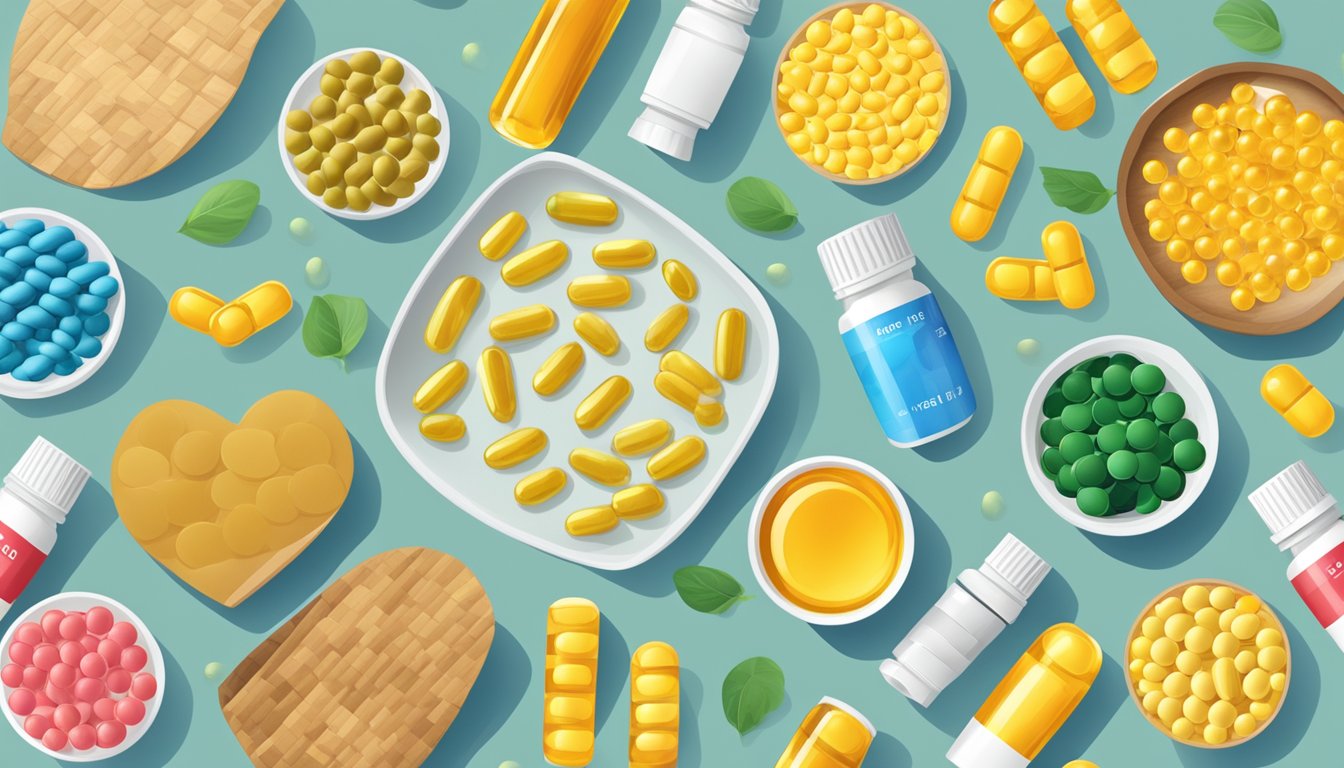
Maintaining a healthy heart is a top priority for most people, and taking supplements can be a great way to support heart health. Here are some key supplements that have been shown to benefit heart health:
Omega-3 Fatty Acids and Fish Oil
Omega-3 fatty acids are essential fatty acids that must be obtained from the diet. They are found in high amounts in fatty fish such as salmon, mackerel, and sardines. Omega-3 fatty acids have been shown to reduce inflammation, lower triglycerides, and decrease the risk of heart disease.
Fish oil supplements are a convenient way to increase omega-3 intake. When choosing a fish oil supplement, look for one that is high in EPA and DHA, the two most important types of omega-3s. It is important to note that fish oil supplements can interact with certain medications, so it is important to talk to a healthcare professional before starting any new supplement regimen.
Magnesium and Heart Function
Magnesium is an essential mineral that plays a role in many bodily functions, including heart function. Magnesium helps to regulate heart rhythm and can help to lower blood pressure.
Foods that are high in magnesium include leafy green vegetables, nuts, and whole grains. Magnesium supplements are also available and can be useful for those who are not getting enough magnesium from their diet. It is important to note that taking too much magnesium can cause side effects, so it is important to talk to a healthcare professional before starting any new supplement regimen.
Antioxidant Support
Antioxidants are compounds that help to protect the body from damage caused by free radicals. Free radicals are molecules that can damage cells and contribute to the development of heart disease.
Vitamins C and E are two important antioxidants that can help to protect the heart. Foods that are high in antioxidants include fruits, vegetables, and nuts. Supplements are also available and can be useful for those who are not getting enough antioxidants from their diet. It is important to note that taking too many antioxidants can cause side effects, so it is important to talk to a healthcare professional before starting any new supplement regimen.
Fiber and Plant Sterols
Fiber and plant sterols are two types of compounds that can help to lower cholesterol levels. High cholesterol levels are a risk factor for heart disease.
Fiber is found in plant-based foods such as fruits, vegetables, and whole grains. Plant sterols are found in foods such as nuts, seeds, and vegetable oils. Supplements that contain fiber and plant sterols are also available and can be useful for those who are not getting enough from their diet. It is important to note that taking too much fiber or plant sterols can cause side effects, so it is important to talk to a healthcare professional before starting any new supplement regimen.
In conclusion, there are several supplements that can support heart health. However, it is important to talk to a healthcare professional before starting any new supplement regimen. Supplements can interact with medications and can cause side effects if taken in excess. A healthy diet and regular exercise are also important for maintaining heart health.
Diet and Lifestyle Considerations

Maintaining a healthy heart requires a combination of diet and lifestyle changes. Incorporating heart-healthy foods and regular exercise can help improve cardiovascular health.
Incorporating Heart-Healthy Foods
A balanced diet that includes a variety of fruits, vegetables, whole grains, legumes, and beans can help reduce the risk of heart disease. These foods are rich in vitamins, minerals, and fiber that can help lower blood pressure, reduce inflammation, and improve cholesterol levels.
It is recommended to consume at least five portions of fruits and vegetables per day, including a variety of colors to ensure a wide range of nutrients. Whole grains, such as brown rice, whole wheat bread, and oats, are also recommended as they are high in fiber and can help regulate blood sugar levels.
Lean proteins, such as fish, poultry, and tofu, are also part of a healthy diet. It is recommended to limit red meat and processed meats as they are high in saturated fats and can increase the risk of heart disease.
Exercise and Cardiovascular Strength
Regular exercise is essential for maintaining a healthy heart. It can help improve cardiovascular strength, lower blood pressure, and reduce the risk of heart disease.
It is recommended to engage in moderate-intensity exercise for at least 150 minutes per week. This can include activities such as brisk walking, cycling, or swimming. Strength training exercises, such as weight lifting, can also help improve cardiovascular health.
Incorporating exercise into daily routines, such as taking the stairs instead of the elevator or walking instead of driving short distances, can also be beneficial.
While dietary supplements can be useful in improving heart health, it is important to consult a healthcare professional before taking any supplements. A balanced diet and regular exercise are the most effective ways to maintain a healthy heart.
It is important to note that the information provided is for educational purposes only and is not intended to replace medical advice. Individuals with pre-existing medical conditions or concerns should consult their healthcare professional before making any changes to their diet or exercise routine.
Safety and Recommendations
Consulting with Healthcare Professionals
Before starting any new supplement regimen, it is important to consult with a healthcare professional, such as a doctor or dietitian. They can help determine if the supplement is appropriate for the individual and if there are any potential interactions with other medications or health conditions.
It is especially important for individuals taking medication for heart conditions to consult with their doctor before taking any supplements. Some supplements may interact with medication and cause adverse effects.
Understanding Potential Side Effects
While supplements can provide benefits for heart health, they may also have potential side effects. It is important to understand the potential side effects of any supplement before taking it.
For example, some supplements may cause gastrointestinal issues such as nausea, vomiting, or diarrhea. Others may cause headaches or dizziness. In rare cases, some supplements may cause more serious side effects such as liver damage or allergic reactions.
It is important to follow the recommended dosage of any supplement and to discontinue use if any adverse effects occur. If an individual experiences any concerning symptoms, they should consult with a healthcare professional.
The American Heart Association, National Institutes of Health, and Centers for Disease Control and Prevention all recommend obtaining nutrients from a balanced diet rather than relying solely on supplements. It is important to remember that supplements should not replace a healthy diet and lifestyle.
It is important to purchase supplements from reputable sources and to look for products that have been third-party tested for quality and purity. It is also important to store supplements properly and to check expiration dates before use.
Disclaimer: The information provided in this section is for educational purposes only and should not be used as a substitute for professional medical advice. Individuals should always consult with a healthcare professional before starting any new supplement regimen.
Frequently Asked Questions
Which vitamins are most beneficial for heart and circulation improvement?
There are several vitamins and minerals that are essential for maintaining heart health and improving circulation. Among them are magnesium, potassium, calcium, and vitamins C, D, and E. Magnesium is particularly important for maintaining a healthy heart rhythm, while potassium helps regulate blood pressure. Calcium is necessary for muscle contraction, including the heart muscle, and vitamin C helps protect against oxidative damage. Vitamin D is important for bone health, but it may also play a role in reducing the risk of heart disease, and vitamin E has antioxidant properties that may help prevent heart disease.
What are the top supplements recommended for maintaining heart health?
The top supplements recommended for maintaining heart health include omega-3 fatty acids, Coenzyme Q10 (CoQ10), and garlic. Omega-3 fatty acids, found in fish oil supplements, have been shown to reduce the risk of heart disease and stroke. CoQ10 is an antioxidant that helps generate energy in cells and may help improve heart function. Garlic has been shown to lower cholesterol and blood pressure, both of which are risk factors for heart disease.
How can vitamins influence heart health and blood pressure regulation?
Vitamins can influence heart health and blood pressure regulation in several ways. For example, vitamin D may help reduce inflammation, which can damage blood vessels and lead to heart disease. Vitamin C helps protect against oxidative damage, which can contribute to the development of atherosclerosis, or the buildup of plaque in the arteries. Potassium helps regulate blood pressure by counteracting the effects of sodium, which can raise blood pressure. Magnesium may also help regulate blood pressure by relaxing the walls of blood vessels.
Are there specific heart health vitamins recommended for women?
While many of the vitamins and minerals that are important for heart health are beneficial for both men and women, there are some that may be particularly important for women. For example, folic acid, which is important for preventing birth defects, may also help reduce the risk of heart disease in women. Women who are pregnant or planning to become pregnant should talk to their doctor about taking a folic acid supplement.
Can supplements help with heart palpitations and if so, which are most effective?
Supplements may help with heart palpitations, but it is important to talk to a doctor before taking any supplements, as some may interact with medications or have side effects. Magnesium may be helpful for reducing heart palpitations, as it helps regulate heart rhythm. CoQ10 may also be beneficial for reducing heart palpitations, as it helps improve heart function.
What role does Coenzyme Q10 play in heart health?
Coenzyme Q10 (CoQ10) is an antioxidant that helps generate energy in cells. It is particularly important for heart health, as the heart requires a lot of energy to function properly. CoQ10 may help improve heart function and reduce the risk of heart disease. Some studies have also suggested that CoQ10 may be beneficial for reducing the side effects of statin medications, which are commonly used to lower cholesterol. However, more research is needed to confirm these findings.
Disclaimer: The information provided in this article is for educational purposes only and is not intended to replace medical advice. Always consult a doctor before taking any supplements or making changes to your diet or exercise routine.