

TGA Medical Heart is a complex congenital heart defect that affects the two main arteries that carry blood out of the heart. The condition is also known as Transposition of the Great Arteries and is present at birth. In TGA, the aorta and the pulmonary artery are switched in position, which can lead to serious complications if left untreated.
Understanding TGA is important for anyone who has been diagnosed with this condition or has a loved one who has. Symptoms of TGA can vary depending on the severity of the condition, but common signs include blue-tinted skin, rapid breathing, and poor feeding. Early diagnosis is crucial for effective treatment and management of TGA.
Treatment and management of TGA typically involve surgery to correct the position of the aorta and pulmonary artery. With proper treatment, many people with TGA are able to lead healthy lives. However, complications and prognosis can vary depending on the severity of the condition and other factors. It is important to work closely with a healthcare professional who specializes in congenital heart defects to develop an individualized treatment plan.
Key Takeaways
- TGA Medical Heart is a congenital heart defect that affects the two main arteries that carry blood out of the heart.
- Early diagnosis is crucial for effective treatment and management of TGA.
- Treatment and management of TGA typically involve surgery to correct the position of the aorta and pulmonary artery.
Understanding TGA

Transposition of the Great Arteries (TGA) is a rare and serious congenital heart defect that affects the normal flow of oxygen-rich and oxygen-poor blood in the body. In a healthy heart, the aorta carries oxygen-rich blood from the left ventricle to the body, while the pulmonary artery carries oxygen-poor blood from the right ventricle to the lungs. However, in TGA, these two main arteries are reversed, which means that the aorta carries oxygen-poor blood to the body, while the pulmonary artery carries oxygen-rich blood to the lungs.
Anatomy and Physiology of TGA
TGA occurs during fetal development when the aorta and pulmonary artery do not form properly. Instead of spiraling as they should, the aorta and pulmonary artery develop parallel to each other. This results in the aorta being positioned above the right ventricle, and the pulmonary artery being positioned above the left ventricle. As a result, the oxygen-rich blood and oxygen-poor blood do not mix, which can lead to a lack of oxygen in the body.
Types of TGA
There are three types of TGA: Complete Transposition of the Great Arteries, Dextro-Transposition of the Great Arteries, and Congenitally Corrected Transposition.
- Complete Transposition of the Great Arteries: In this type of TGA, the aorta is connected to the right ventricle, and the pulmonary artery is connected to the left ventricle. This means that the oxygen-poor blood is pumped to the body, and the oxygen-rich blood is pumped to the lungs.
- Dextro-Transposition of the Great Arteries: In this type of TGA, the aorta and pulmonary artery are switched, but the heart is also rotated to the right. This means that the aorta is connected to the right ventricle, and the pulmonary artery is connected to the left ventricle.
- Congenitally Corrected Transposition: In this type of TGA, the aorta and pulmonary artery are switched, but the ventricles are also switched. This means that the right ventricle pumps oxygen-rich blood to the body, and the left ventricle pumps oxygen-poor blood to the lungs.
It is important to note that TGA is a serious condition that requires prompt medical attention. If left untreated, it can lead to serious complications, including heart failure and even death. Therefore, individuals with TGA should be closely monitored by a healthcare professional and receive appropriate treatment.
Diagnosis and Symptoms

Initial Assessment
When a patient presents with symptoms suggestive of a heart defect, a thorough physical examination is conducted. The doctor will take a detailed history of the patient’s symptoms and medical history, including any family history of heart disease. They will also perform a physical examination, including measuring the patient’s vital signs, such as blood pressure, pulse rate, and oxygen saturation.
Diagnostic Imaging and Tests
If a heart defect is suspected, diagnostic imaging and tests may be ordered to confirm the diagnosis. These tests may include an echocardiogram, chest X-ray, ECG, pulse oximetry, and fetal echocardiogram.
An echocardiogram is a non-invasive test that uses sound waves to create images of the heart. It can show the structure and function of the heart, including any abnormalities in the blood vessels leaving the heart.
A chest X-ray can show the size and shape of the heart and lungs. It can also detect any fluid buildup in the lungs, which may be a sign of heart failure.
An ECG is a simple and painless test that records the electrical activity of the heart. It can detect any abnormalities in the heart’s rhythm or rate.
Pulse oximetry is a non-invasive test that measures the oxygen saturation in the blood. It can help determine the severity of the heart defect and whether the patient has cyanosis, a condition where the skin appears blue due to a lack of oxygen in the blood.
Finally, a fetal echocardiogram may be performed during pregnancy to diagnose heart defects before the baby is born.
It is important to note that the diagnosis of Transposition of the Great Arteries (TGA) is typically made during pregnancy or shortly after birth. Symptoms of TGA may include blue skin color (cyanosis), fast breathing, trouble breathing, fast heart rate, and poor feeding. If TGA is suspected, immediate medical attention is required, and surgery may be necessary to correct the defect.
It is important to consult a qualified medical professional for an accurate diagnosis and appropriate treatment.
Treatment and Management

Surgical Interventions
Surgical intervention is the primary treatment option for transposition of the great arteries (TGA). The goal of surgery is to correct the abnormal blood flow and restore normal circulation. The most common surgical procedure for TGA is the arterial switch operation (ASO), which involves switching the positions of the pulmonary artery and aorta. This procedure is usually performed within the first few weeks of life.
In some cases, a ventricular septal defect (VSD) may be present along with TGA. In such cases, the VSD is also repaired during the ASO. In rare cases, a balloon atrial septostomy (BAS) or atrial septostomy (AS) may be performed before the ASO to improve oxygen saturation levels.
Postoperative Care
After the surgical intervention, the patient is closely monitored in the intensive care unit (ICU). Supplemental oxygen and a ventilator may be required to support breathing. Prostaglandin E1 (PGE1) may be administered to maintain ductal patency and promote pulmonary blood flow.
In cases where a patent ductus arteriosus (PDA) is present, medical management may be used to close the ductus. The patient is usually discharged from the hospital within a week of surgery, but long-term follow-up care is necessary to monitor for any complications.
It is important to note that surgical intervention is not without risks, and the decision to proceed with surgery must be carefully considered on a case-by-case basis. Patients and their families should discuss the risks and benefits of surgery with their healthcare provider to make an informed decision.
Complications and Prognosis
Potential Complications
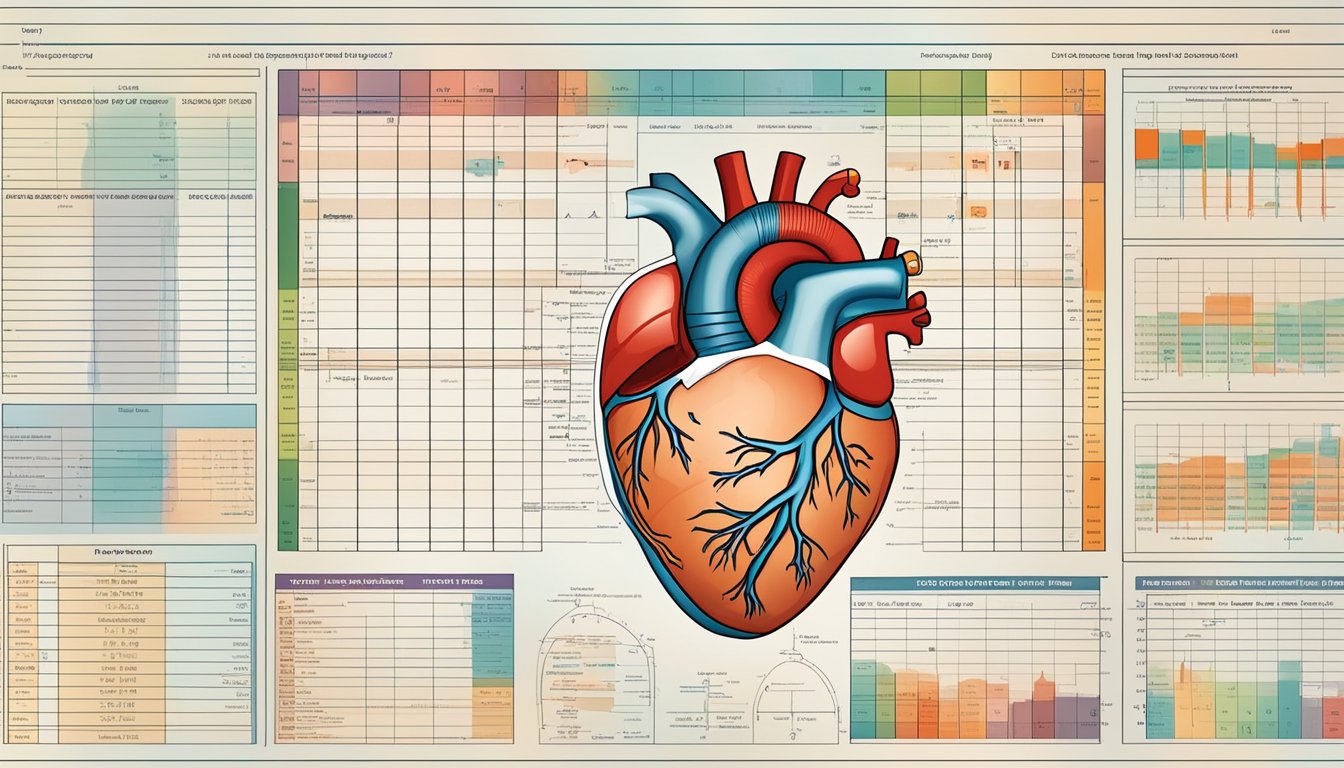
Transposition of the Great Arteries (TGA) is a congenital heart defect that requires surgery to correct. Although surgery can improve the prognosis, it does not guarantee a complete return to normal heart function. People who have undergone surgery for TGA may experience complications throughout their lives.
One of the most common complications of TGA is arrhythmia, which is an abnormal heart rhythm. Arrhythmia can cause dizziness, shortness of breath, and chest pain. In some cases, arrhythmia can be life-threatening.
Another potential complication is infection. People who have undergone surgery for TGA may be at increased risk for infections, especially if they have a heart valve replacement. Infections can cause fever, chills, and weakness, and can be serious if left untreated.
Heart failure is another potential complication of TGA. Heart failure occurs when the heart is unable to pump enough blood to meet the body’s needs. Symptoms of heart failure include shortness of breath, fatigue, and swelling in the legs and ankles.
Long-Term Outlook
The long-term outlook for people who have undergone surgery for TGA depends on a number of factors, including the severity of the defect and the age at which surgery was performed.
People who have TGA repair surgery as infants may continue to have complications throughout their lives, such as coronary artery problems, heart muscle problems, and heart valve leakage (regurgitation).
It is important for people who have undergone surgery for TGA to have regular follow-up care with a cardiologist. This can help identify complications early and ensure that appropriate treatment is provided.
In conclusion, while surgery can improve the prognosis for people with TGA, it does not guarantee a complete return to normal heart function. Complications such as arrhythmia, infection, and heart failure can occur, and people who have undergone surgery for TGA should have regular follow-up care with a cardiologist.
Getting assessed in Singapore
In Singapore, cardiology is provided in both the public and private sectors. Public heart services are concentrated at the National Heart Centre Singapore and the cardiology departments of the restructured hospitals, while private cardiologists practise from medical centres attached to private hospitals. A GP or polyclinic can arrange a referral, or a private clinic can be contacted directly.
Readers looking into this next usually want to know about consultation and assessment of suspected heart conditions or a cardiac screening assessment; the clinic directly is also listed.
Frequently Asked Questions

What are the long-term survival prospects for patients with transposition of the great arteries?
The long-term survival prospects for patients with transposition of the great arteries vary depending on the severity of the condition, age at diagnosis, and the type of treatment received. With timely and appropriate treatment, many patients with transposition of the great arteries can expect to live a normal life. However, some patients may experience complications that can affect their long-term survival prospects.
How does life expectancy change after surgery for transposition of the great arteries?
Life expectancy after surgery for transposition of the great arteries is generally good. However, it can vary depending on the type of surgery performed, the patient’s age, and the presence of any other medical conditions. In general, patients who undergo surgery for transposition of the great arteries can expect to live a normal life expectancy.
What are the common complications following surgery for transposition of the great arteries?
Common complications following surgery for transposition of the great arteries include arrhythmias, heart failure, pulmonary hypertension, and aortic insufficiency. However, the risk of these complications can be reduced with appropriate follow-up care and management.
Can transposition of the great arteries lead to heart failure?
Yes, transposition of the great arteries can lead to heart failure. This is because the condition causes the heart to work harder to pump blood to the body. Over time, this increased workload can cause the heart to weaken and eventually fail.
What is the distinction between L-TGA and D-TGA?
L-TGA (levo-transposition of the great arteries) and D-TGA (dextro-transposition of the great arteries) are two different types of transposition of the great arteries. In L-TGA, the heart is flipped along its vertical axis, while in D-TGA, the heart is flipped along its horizontal axis. The distinction is important because the two types of transposition of the great arteries require different treatment approaches.
What does an X-ray reveal about a heart with transposition of the great arteries?
An X-ray can reveal the position of the heart and the blood vessels leading to and from it. In a heart with transposition of the great arteries, an X-ray will show that the aorta is on the right side of the heart and the pulmonary artery is on the left side. This is the opposite of the normal anatomy of the heart. An X-ray can also reveal any abnormalities or complications that may be present. However, other imaging tests such as echocardiography and MRI may be needed to provide more detailed information about the heart and its function.
Note: The information provided is for educational purposes only and should not be used as a substitute for professional medical advice, diagnosis, or treatment. Always seek the advice of your physician or other qualified healthcare provider with any questions you may have regarding a medical condition.
Further reading
- HealthHub — Cardiovascular Disease
- National Heart Centre Singapore — Conditions & Treatments
- Health Promotion Board — Healthy Living
Disclaimer: This article is general information about cardiovascular health. It is not medical advice, diagnosis or treatment, and reading it does not create a doctor–patient relationship. Always seek the advice of your doctor or another qualified health professional with any questions you have about a medical condition, and never disregard or delay seeking medical advice because of something you have read here. If you think you may be having a medical emergency, call 995 or go to the nearest emergency department.