

Congenital heart disease is a condition that affects the structure and function of the heart. It is a type of heart defect that occurs during fetal development, and it can affect people of all ages, including children and adults. The condition can be mild or severe, and it can affect different parts of the heart, including the walls, valves, and blood vessels.
Understanding Congenital Heart Disease is important because it can help individuals and their families manage the condition and prevent complications. Signs and symptoms of the disease can vary depending on the type and severity of the defect. Some common symptoms include shortness of breath, fatigue, chest pain, and fainting. However, some individuals may not experience any symptoms at all.
Diagnosis and Screening for Congenital Heart Disease are essential to ensure early detection and treatment. Screening tests can be performed during pregnancy to detect heart defects in the fetus. After birth, doctors may use a variety of tests to diagnose the condition, including echocardiograms, electrocardiograms, and cardiac catheterization. Treatment options for congenital heart disease can include medication, surgery, and lifestyle changes. In some cases, individuals may require lifelong treatment and monitoring to manage the condition.
Key Takeaways
- Congenital heart disease is a condition that affects the structure and function of the heart and can occur in people of all ages.
- Signs and symptoms of the disease can vary, and early detection and treatment are essential for managing the condition and preventing complications.
- Diagnosis and screening tests can help detect heart defects, and treatment options can include medication, surgery, and lifestyle changes.
Understanding Congenital Heart Disease
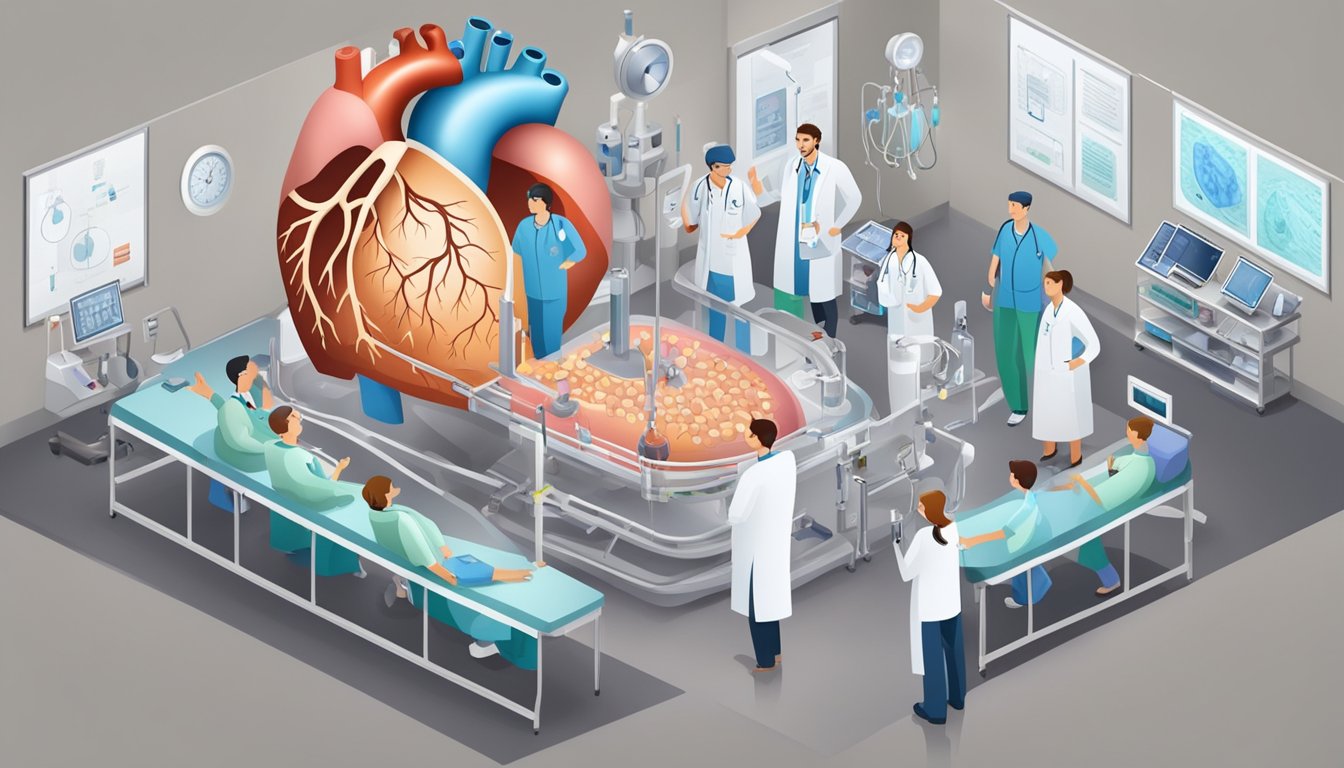
Congenital heart disease (CHD) is a term used to describe a range of heart defects that occur during foetal development. These defects can affect the heart’s structure, the blood flow through the heart, or both. CHD is a relatively common condition, affecting around 1 in every 100 babies born in the UK.
Types and Classification
There are many types of CHD, and they can be classified based on the specific area of the heart that is affected. Some common types of CHD include:
- Atrial septal defect (ASD): a hole in the wall that separates the two upper chambers of the heart.
- Ventricular septal defect (VSD): a hole in the wall that separates the two lower chambers of the heart.
- Tetralogy of Fallot: a combination of four heart defects that affect the structure of the heart and the flow of blood through it.
- Transposition of the great arteries: a condition where the two main arteries leaving the heart are switched, meaning that oxygen-poor blood is pumped to the body instead of oxygen-rich blood.
Common Causes and Risk Factors
The causes of CHD are not always clear, but there are some known risk factors that can increase the likelihood of a baby being born with the condition. These include:
- Genetics: CHD can run in families, so if a parent or sibling has a heart defect, the baby may be more likely to have one too.
- Rubella: if a woman contracts rubella during pregnancy, it can increase the risk of her baby developing CHD.
- Diabetes: women with diabetes are at a higher risk of having a baby with CHD.
- Alcohol and smoking: both alcohol and smoking during pregnancy can increase the risk of CHD in the baby.
It is important to note that not all cases of CHD can be prevented, and many babies with CHD go on to live healthy, normal lives with the right treatment and care. It is also important for parents to seek medical attention if they suspect their child may have CHD, as early diagnosis and treatment can improve outcomes.
Signs and Symptoms

Congenital heart disease may present with a wide range of symptoms, depending on the severity of the condition. Symptoms may be present at birth, or may not be noticed until later in life.
Infant Indicators
In infants, indicators of congenital heart disease may include feeding difficulties, cyanosis (a bluish tint to the skin, lips, and nails due to low oxygen levels), and fatigue. Infants with congenital heart disease may also experience shortness of breath, which may be particularly noticeable during feeding.
Symptoms in Older Children and Adults
Older children and adults with congenital heart disease may experience a range of symptoms, including arrhythmia (irregular heartbeat), fatigue, shortness of breath, and swelling in the legs, ankles, or feet.
It is important to note that not all cases of congenital heart disease will present with symptoms, and some cases may not be diagnosed until later in life. Additionally, some cases of congenital heart disease may be mild and not require treatment, while others may be severe and require immediate medical attention.
If you or someone you know is experiencing symptoms of congenital heart disease, it is important to seek medical attention as soon as possible. A qualified healthcare professional can provide a proper diagnosis and recommend appropriate treatment options.
Please note that this article is for informational purposes only and should not be used as a substitute for professional medical advice, diagnosis, or treatment. Always seek the advice of a qualified healthcare provider with any questions you may have regarding a medical condition.
Diagnosis and Screening
Physical Examination
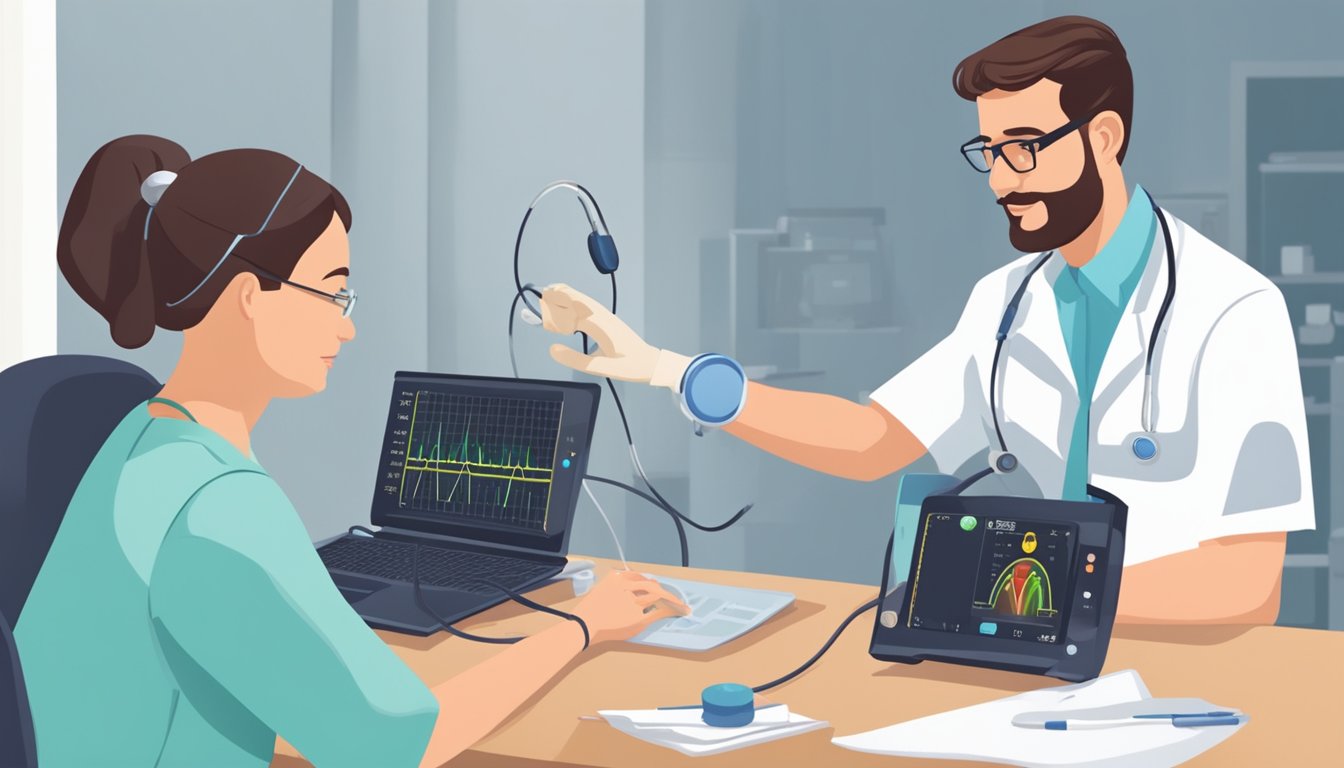
The diagnosis of congenital heart disease (CHD) begins with a thorough physical examination. The physician will listen to the heart sounds and check for any abnormal rhythms or murmurs. They will also check for signs of heart failure, such as cyanosis (blue tint to the skin), shortness of breath, and poor weight gain. In some cases, the physician may detect a heart defect during a routine check-up.
Diagnostic Imaging and Tests
After a physical examination, the physician may order diagnostic imaging and tests to confirm the diagnosis of CHD. The most common tests used to diagnose CHD include echocardiogram, MRI, electrocardiogram, chest X-ray, and cardiac catheterization.
An echocardiogram is a non-invasive test that uses ultrasound waves to create images of the heart. It is the most common test used to diagnose CHD. An MRI may also be used to create detailed images of the heart and blood vessels.
An electrocardiogram (ECG) is a test that measures the electrical activity of the heart. It can detect abnormal rhythms and other heart problems. A chest X-ray may also be ordered to look for signs of heart failure and to check the size and shape of the heart.
In some cases, a cardiac catheterization may be necessary to diagnose CHD. During this procedure, a thin tube is inserted into a blood vessel in the groin or arm and guided to the heart. Contrast dye is injected into the blood vessels to create images of the heart and blood vessels.
It is important to note that not all patients with CHD will require all of these tests. The diagnostic tests ordered will depend on the patient’s symptoms, medical history, and physical examination. It is also important to note that while diagnostic tests can be helpful in diagnosing CHD, they are not perfect and may not detect all cases of CHD.
It is important to consult a qualified healthcare professional for diagnosis and treatment of congenital heart disease.
Treatment Approaches

Congenital heart disease (CHD) is a condition that affects the heart’s structure and function. Treatment approaches for CHD vary depending on the type and severity of the condition. In some cases, medications and non-surgical interventions may be sufficient, while in others, surgical treatments and procedures may be necessary.
Medications and Non-Surgical Interventions
Medications can be used to treat CHD by improving blood flow, reducing blood pressure, and managing symptoms. Some common medications used to treat CHD include:
- Angiotensin-converting enzyme (ACE) inhibitors: These medications help to lower blood pressure and reduce the workload on the heart.
- Diuretics: These medications help to reduce fluid buildup in the body, which can be a symptom of CHD.
- Beta-blockers: These medications help to slow the heart rate and reduce blood pressure.
- Blood thinners: These medications help to prevent blood clots from forming in the heart.
Non-surgical interventions, such as catheterization, can also be used to treat CHD. During catheterization, a thin tube is inserted into a blood vessel and guided to the heart. Once in place, the tube can be used to repair or replace heart valves, widen narrow blood vessels, or close holes in the heart.
Surgical Treatments and Procedures
In some cases, surgical treatments and procedures may be necessary to treat CHD. Some common surgical treatments and procedures include:
- Heart surgery: This can involve repairing or replacing heart valves, closing holes in the heart, or repairing blood vessels.
- Heart transplant: In severe cases of CHD, a heart transplant may be necessary.
- Balloon angioplasty: This procedure involves inserting a small balloon into a narrow blood vessel and inflating it to widen the vessel.
It is important to note that treatment approaches for CHD will vary depending on the individual case. It is important to work closely with a healthcare professional to determine the best course of treatment for each individual. Additionally, it is important to follow any treatment plan prescribed by a healthcare professional to ensure the best possible outcome.
Getting assessed in Singapore
In Singapore, cardiology is provided in both the public and private sectors. Public heart services are concentrated at the National Heart Centre Singapore and the cardiology departments of the restructured hospitals, while private cardiologists practise from medical centres attached to private hospitals. A GP or polyclinic can arrange a referral, or a private clinic can be contacted directly.
Related pages on this site explain an echocardiogram scan and TAVI. You can also see all cardiac services.
Frequently Asked Questions

What are the primary causes of congenital heart defects?
Congenital heart defects are usually caused by a combination of genetic and environmental factors. In some cases, the cause of the defect is not known. Some factors that may increase the risk of congenital heart defects include maternal diabetes, maternal use of certain medications, and viral infections during pregnancy.
How is congenital heart disease diagnosed in patients?
Congenital heart disease is usually diagnosed during pregnancy or shortly after birth. In some cases, the disease may not be diagnosed until later in life. Diagnosis may involve a physical exam, medical history, and diagnostic tests such as echocardiography, electrocardiography, and cardiac catheterization.
What factors increase the risk of developing congenital heart disease?
Some factors that may increase the risk of developing congenital heart disease include genetic factors, maternal use of certain medications, viral infections during pregnancy, and maternal diabetes. In some cases, the cause of the disease may not be known.
What are the current treatment options for congenital heart disease?
Treatment for congenital heart disease depends on the type and severity of the defect. Treatment options may include medication, surgery, and cardiac catheterization. In some cases, no treatment may be necessary.
How does congenital heart disease affect life expectancy?
The life expectancy of individuals with congenital heart disease depends on the type and severity of the defect. With proper treatment and management, many individuals with congenital heart disease are able to live long, healthy lives.
What lifestyle modifications are recommended for individuals with congenital heart disease?
Individuals with congenital heart disease may be advised to make certain lifestyle modifications to help manage their condition. These may include maintaining a healthy weight, getting regular exercise, and avoiding smoking and alcohol. It is important for individuals with congenital heart disease to work closely with their healthcare provider to develop a personalised treatment plan.
Further reading
- National Heart Centre Singapore — Conditions & Treatments
- SingHealth — Conditions & Treatments
- HealthHub — Cardiovascular Disease
Disclaimer: This article is general information about cardiovascular health. It is not medical advice, diagnosis or treatment, and reading it does not create a doctor–patient relationship. Always seek the advice of your doctor or another qualified health professional with any questions you have about a medical condition, and never disregard or delay seeking medical advice because of something you have read here. If you think you may be having a medical emergency, call 995 or go to the nearest emergency department.