

Post myocardial infarction heart failure: Heart failure is a common complication that can occur after a myocardial infarction (MI). This condition is referred to as post-myocardial infarction heart failure (PMI-HF).
Heart failure is a common complication that can occur after a myocardial infarction (MI). This condition is referred to as post-myocardial infarction heart failure (PMI-HF). PMI-HF is a serious condition that can lead to significant morbidity and mortality. It is important for patients who have suffered an MI to be aware of the risk factors for PMI-HF and to receive appropriate treatment to prevent the development of this condition.
The pathophysiology of PMI-HF is complex and involves a number of different mechanisms. The development of heart failure after an MI is thought to be related to a number of factors, including the extent of myocardial damage, the degree of left ventricular dysfunction, and the presence of comorbidities such as hypertension and diabetes. Clinical management of PMI-HF involves a combination of pharmacological and non-pharmacological interventions. Key components of management include the use of angiotensin-converting enzyme (ACE) inhibitors, beta-blockers, and aldosterone antagonists, as well as lifestyle modifications such as weight loss, exercise, and smoking cessation.
Key Takeaways
- PMI-HF is a serious condition that can lead to significant morbidity and mortality.
- The pathophysiology of PMI-HF is complex and involves a number of different mechanisms.
- Clinical management of PMI-HF involves a combination of pharmacological and non-pharmacological interventions.
Pathophysiology of Post-Myocardial Infarction Heart Failure
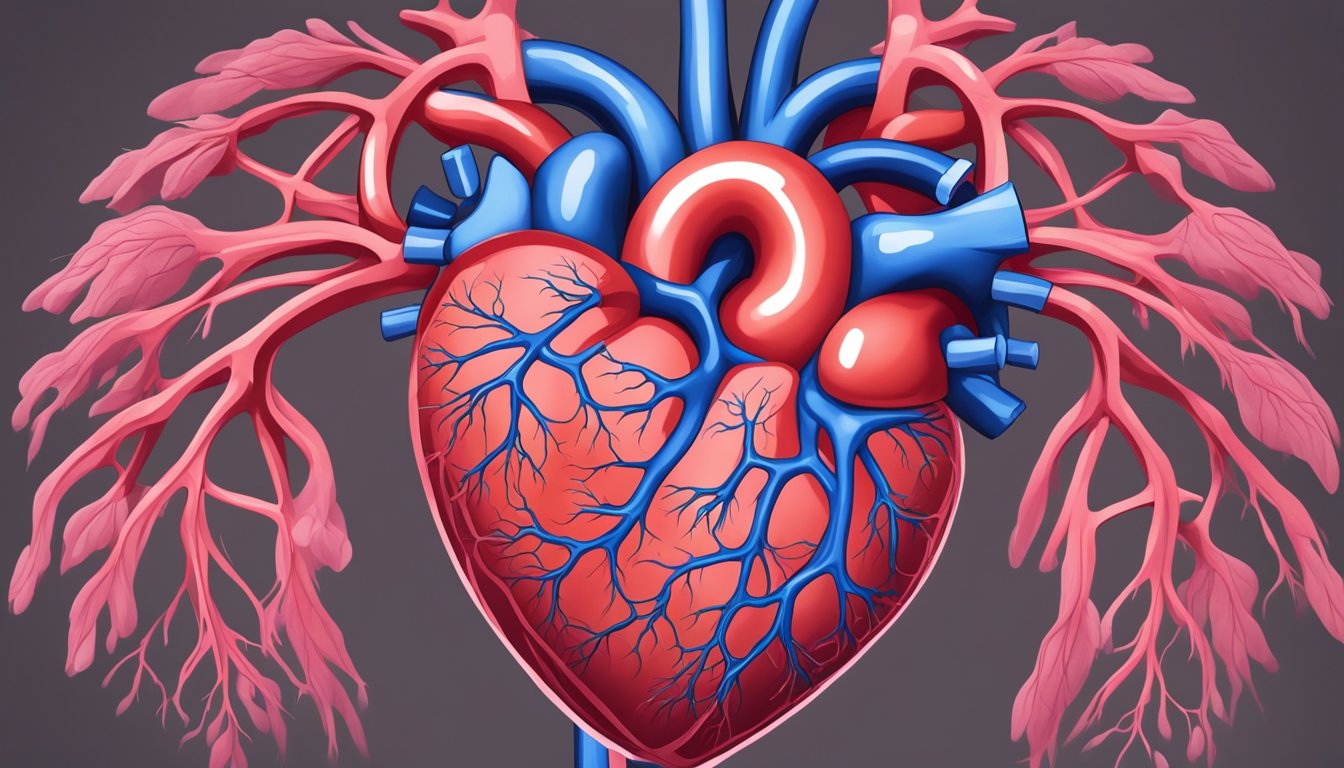
Post-myocardial infarction heart failure (PMI-HF) is a multifactorial disorder that results from the damage caused to the heart muscle during an acute myocardial infarction (AMI). The pathophysiology of PMI-HF is complex and involves a number of interrelated mechanisms that contribute to the development and progression of this condition.
Ventricular Remodelling
Ventricular remodelling is a key feature of PMI-HF and is characterized by changes in the size, shape, and function of the heart. Following an AMI, the damaged heart muscle undergoes a process of remodelling that involves the loss of viable myocardium, the replacement of this tissue with fibrotic scar tissue, and alterations in the geometry of the left ventricle. These changes lead to an increase in ventricular volume and a decrease in ejection fraction, which can ultimately result in heart failure.
Left Ventricular Dysfunction
Left ventricular systolic dysfunction is another important factor in the pathophysiology of PMI-HF. This condition is characterized by a reduction in the ability of the left ventricle to contract and pump blood effectively. Following an AMI, the damaged myocardium is unable to contract properly, which leads to a decrease in cardiac output and an increase in left ventricular end-diastolic pressure. These changes can ultimately result in heart failure.
In addition to ventricular remodelling and left ventricular dysfunction, a number of other factors are also thought to contribute to the pathophysiology of PMI-HF. These include inflammation, oxidative stress, neurohormonal activation, and endothelial dysfunction. While the exact mechanisms underlying the development and progression of PMI-HF are not fully understood, a better understanding of these factors may help to identify new therapeutic targets for the treatment of this condition.
It is important to note that PMI-HF is a serious medical condition that requires prompt diagnosis and appropriate management. Patients with a history of AMI should be closely monitored for signs and symptoms of heart failure, and appropriate measures should be taken to manage this condition. It is also important to note that the information provided here is for educational purposes only and should not be used as a substitute for medical advice.
Clinical Management

After a myocardial infarction (MI), patients are at an increased risk of developing heart failure (HF). Clinical management of post-MI HF involves a combination of pharmacological treatments, revascularisation strategies, and mechanical support devices.
Pharmacological Treatments
Pharmacological treatments for post-MI HF include angiotensin-converting enzyme inhibitors (ACE inhibitors), beta-blockers, aldosterone antagonists, and statins. ACE inhibitors and beta-blockers have been shown to reduce mortality and hospitalisation rates in patients with post-MI HF. In addition, aldosterone antagonists have been shown to reduce mortality in patients with chronic HF. Statins have also been shown to reduce the risk of cardiovascular events in patients with post-MI HF and should be considered for all patients who have had an MI.
Revascularisation Strategies
Revascularisation strategies, such as percutaneous coronary intervention (PCI) and primary PCI, may be used to treat post-MI HF. PCI is a minimally invasive procedure that involves the insertion of a catheter into the coronary artery to open up blockages and improve blood flow to the heart. Primary PCI is performed as an emergency procedure to treat acute MI. The CAPRICORN trial showed that carvedilol, a beta-blocker, reduced mortality and hospitalisation rates in patients with post-MI HF who had undergone PCI.
Mechanical Support Devices
Mechanical support devices, such as left ventricular assist devices (LVADs), may be used to support the heart in patients with post-MI HF. LVADs are implanted devices that help the heart pump blood to the rest of the body. They are typically used in patients with severe HF who are not responding to other treatments. LVADs have been shown to improve quality of life and reduce mortality rates in patients with post-MI HF.
It is important to note that the use of drugs for HF and diabetes should be carefully monitored in patients with post-MI HF. Patients with post-MI HF who are at high risk of cardiogenic shock should be closely monitored and treated with caution. Revascularization and mechanical support devices should be used only when appropriate and under the guidance of a qualified medical professional.
Prognostic Factors and Secondary Prevention

Risk Stratification
Post-myocardial infarction heart failure is associated with high morbidity and mortality rates. Risk stratification is crucial in identifying patients who are at higher risk of developing heart failure and those who require more aggressive treatment. The European Society of Cardiology recommends the use of biomarkers such as BNP and echocardiography to assess the risk of heart failure after myocardial infarction.
Several factors have been identified as influencing the prognosis of post-myocardial infarction heart failure. These include old age, diabetes, high Killip class, low left ventricular ejection fraction, recurrent MI, comorbidity of chronic disease and current smoking, and low socioeconomic status. Patients with these risk factors require more aggressive treatment and closer follow-up.
Lifestyle and Medication Adherence
Secondary prevention is essential in reducing the risk of recurrent myocardial infarction and heart failure. Patients should be advised to adopt a healthy lifestyle, including regular exercise, a healthy diet, and smoking cessation. Medications such as beta-blockers, ACE inhibitors, and statins have been shown to reduce the risk of recurrent myocardial infarction and heart failure.
Adherence to medication is crucial in achieving optimal secondary prevention. Patients should be educated on the importance of medication adherence and provided with the necessary support to achieve this. The use of left ventricular assist devices may be considered in patients with end-stage heart failure who are not responsive to medical therapy.
In conclusion, risk stratification and secondary prevention are crucial in reducing the morbidity and mortality associated with post-myocardial infarction heart failure. Patients with identified risk factors require more aggressive treatment and closer follow-up. Adherence to medication and a healthy lifestyle are essential in achieving optimal secondary prevention.
Getting assessed in Singapore
If symptoms are severe or come on suddenly in Singapore, emergency care is the right route rather than an outpatient appointment: call 995 or go to the nearest emergency department. For symptoms that are recurrent but not acute, a GP or polyclinic can arrange a cardiology referral, or a private clinic can be contacted directly.
For the practical side of this, a consultation for suspected heart conditions and coronary angiography and stenting are described in detail, alongside the full range of cardiac services.
Frequently Asked Questions

What are the treatment options for heart failure following a myocardial infarction?
The treatment options for heart failure following a myocardial infarction depend on the severity of the condition. Some of the common treatment options include medications, lifestyle changes, and surgery. Medications such as ACE inhibitors, beta-blockers, and diuretics can help manage symptoms and prevent further damage to the heart. Lifestyle changes such as quitting smoking, exercising regularly, and maintaining a healthy diet can also help improve heart health. In severe cases, surgery may be necessary to repair or replace damaged heart tissue.
How does a myocardial infarction contribute to the development of heart failure?
A myocardial infarction, also known as a heart attack, occurs when the blood flow to the heart is blocked, causing damage to the heart muscle. This damage can lead to the development of heart failure, which is a condition where the heart is unable to pump blood effectively. The damage caused by a myocardial infarction can weaken the heart muscle, making it less efficient at pumping blood and leading to the development of heart failure.
What are the risks associated with developing heart failure after experiencing a myocardial infarction?
The risks associated with developing heart failure after experiencing a myocardial infarction depend on various factors such as age, sex, and the severity of the heart attack. Some of the common risk factors include high blood pressure, diabetes, smoking, and a family history of heart disease. It is important to seek medical attention immediately if you experience any symptoms of a heart attack, as prompt treatment can help reduce the risk of developing heart failure.
What are the common complications that can arise after a myocardial infarction?
Some of the common complications that can arise after a myocardial infarction include arrhythmias, heart failure, and cardiogenic shock. Arrhythmias are abnormal heart rhythms that can cause the heart to beat too fast or too slow. Heart failure is a condition where the heart is unable to pump blood effectively, and cardiogenic shock is a life-threatening condition where the heart is unable to supply enough blood to the body’s organs.
How can one predict the incidence of heart failure following a myocardial infarction?
The incidence of heart failure following a myocardial infarction can be predicted by various factors such as age, sex, and the severity of the heart attack. Other factors such as high blood pressure, diabetes, smoking, and a family history of heart disease can also increase the risk of developing heart failure. It is important to seek medical attention immediately if you experience any symptoms of a heart attack, as prompt treatment can help reduce the risk of developing heart failure.
In what ways does heart failure differ from a myocardial infarction?
Heart failure and myocardial infarction are two distinct conditions. A myocardial infarction occurs when the blood flow to the heart is blocked, causing damage to the heart muscle. Heart failure, on the other hand, is a condition where the heart is unable to pump blood effectively. While a myocardial infarction can lead to the development of heart failure, the two conditions are not the same. It is important to seek medical attention immediately if you experience any symptoms of a heart attack or heart failure.
Further reading
- HealthHub — Chest Pain
- HealthHub — Cardiovascular Disease
- National Heart Centre Singapore — Conditions & Treatments
Disclaimer: This article is general information about cardiovascular health. It is not medical advice, diagnosis or treatment, and reading it does not create a doctor–patient relationship. Always seek the advice of your doctor or another qualified health professional with any questions you have about a medical condition, and never disregard or delay seeking medical advice because of something you have read here. If you think you may be having a medical emergency, call 995 or go to the nearest emergency department.