

Heart vein blockage, also known as coronary artery disease, is a serious condition that affects millions of people worldwide. It occurs when the arteries that supply blood to the heart become narrow or blocked, preventing the heart from receiving enough oxygen and nutrients. This can cause chest pain (angina), shortness of breath, and other symptoms that can be life-threatening if left untreated.
Recognising heart vein blockage symptoms is critical for early detection and treatment. Common symptoms of coronary artery disease include chest pain or discomfort, shortness of breath, fatigue, and a feeling of fullness or tightness in the chest. These symptoms may occur during physical activity or emotional stress, but can also happen at rest. It is important to note that some people with coronary artery disease may not experience any symptoms at all, making regular check-ups and screenings crucial for early detection.
Understanding the causes and risk factors of heart vein blockage is also important for prevention and management. Factors that increase the risk of developing coronary artery disease include high blood pressure, high cholesterol, smoking, diabetes, obesity, and a family history of heart disease. By adopting a healthy lifestyle, managing underlying health conditions, and seeking medical treatment when necessary, individuals can reduce their risk of developing heart vein blockage and improve their overall heart health.
Key Takeaways
- Heart vein blockage, or coronary artery disease, can cause chest pain, shortness of breath, and other life-threatening symptoms.
- Recognising symptoms and understanding risk factors is crucial for early detection and prevention.
- Adopting a healthy lifestyle and seeking medical treatment when necessary can reduce the risk of developing heart vein blockage and improve overall heart health.
Recognising Heart Vein Blockage Symptoms
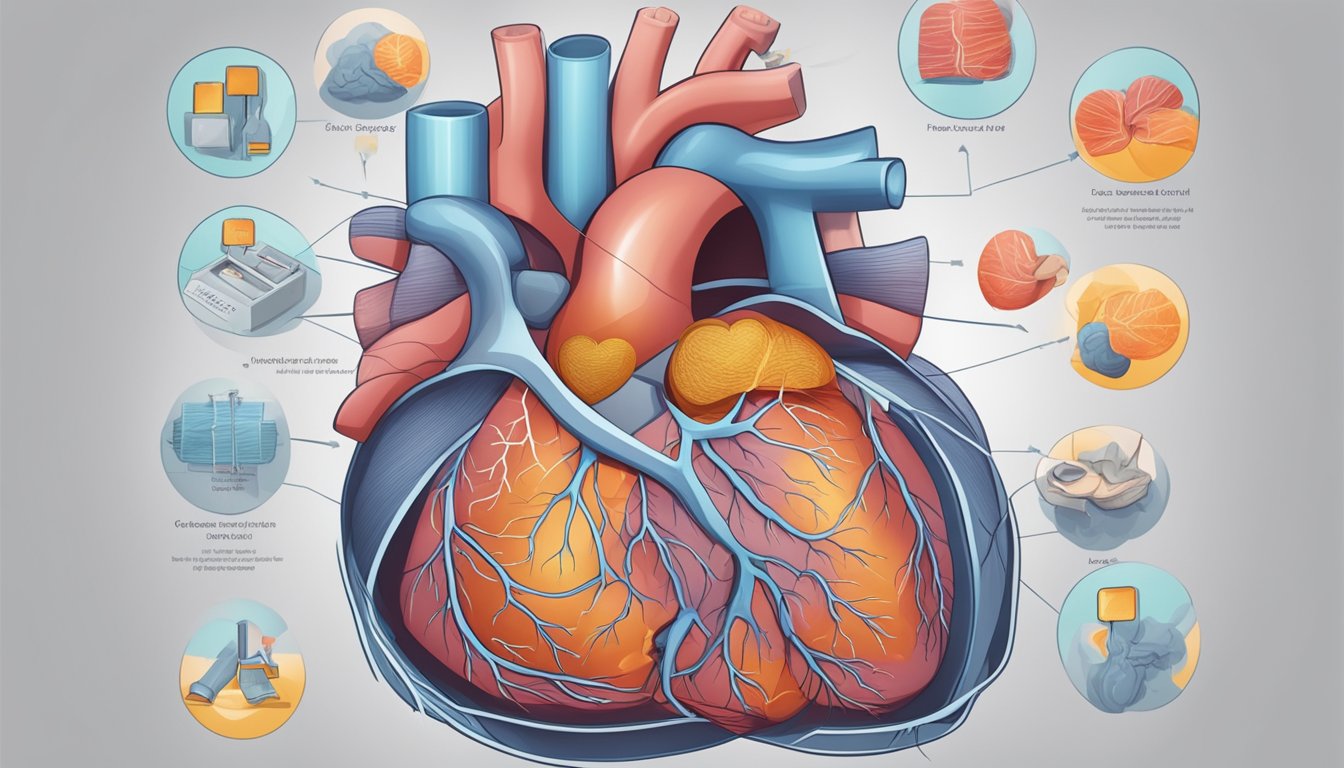
Heart vein blockage symptoms can vary from person to person, and some individuals may not experience any symptoms at all. However, some of the most common symptoms of heart vein blockage include chest pain, breathing difficulties, and physical manifestations such as fatigue.
Chest Pain and Discomfort
Chest pain is one of the most common symptoms of heart vein blockage. The pain may be a feeling of pressure, tightness, or squeezing in the chest. It may also be a dull ache or a sharp pain that radiates to the arms, shoulders, neck, jaw, or back. Chest pain may be triggered by physical activity or emotional stress and may last for several minutes or longer.
Breathing Difficulties and Dizziness
Shortness of breath and dizziness are also common symptoms of heart vein blockage. Individuals may experience difficulty breathing or feel like they cannot catch their breath, even while at rest. This may be accompanied by a feeling of lightheadedness or dizziness.
Physical Manifestations and Fatigue
Heart vein blockage can also cause physical manifestations such as fatigue, weakness, and sweating. Individuals may feel tired or weak even after getting enough rest. They may also experience cold sweats or excessive sweating, particularly during physical activity or emotional stress.
It is important to note that these symptoms may not always indicate heart vein blockage and may be caused by other conditions. If you experience any of these symptoms, it is important to seek medical attention immediately to determine the underlying cause and receive appropriate treatment.
Understanding Causes and Risk Factors
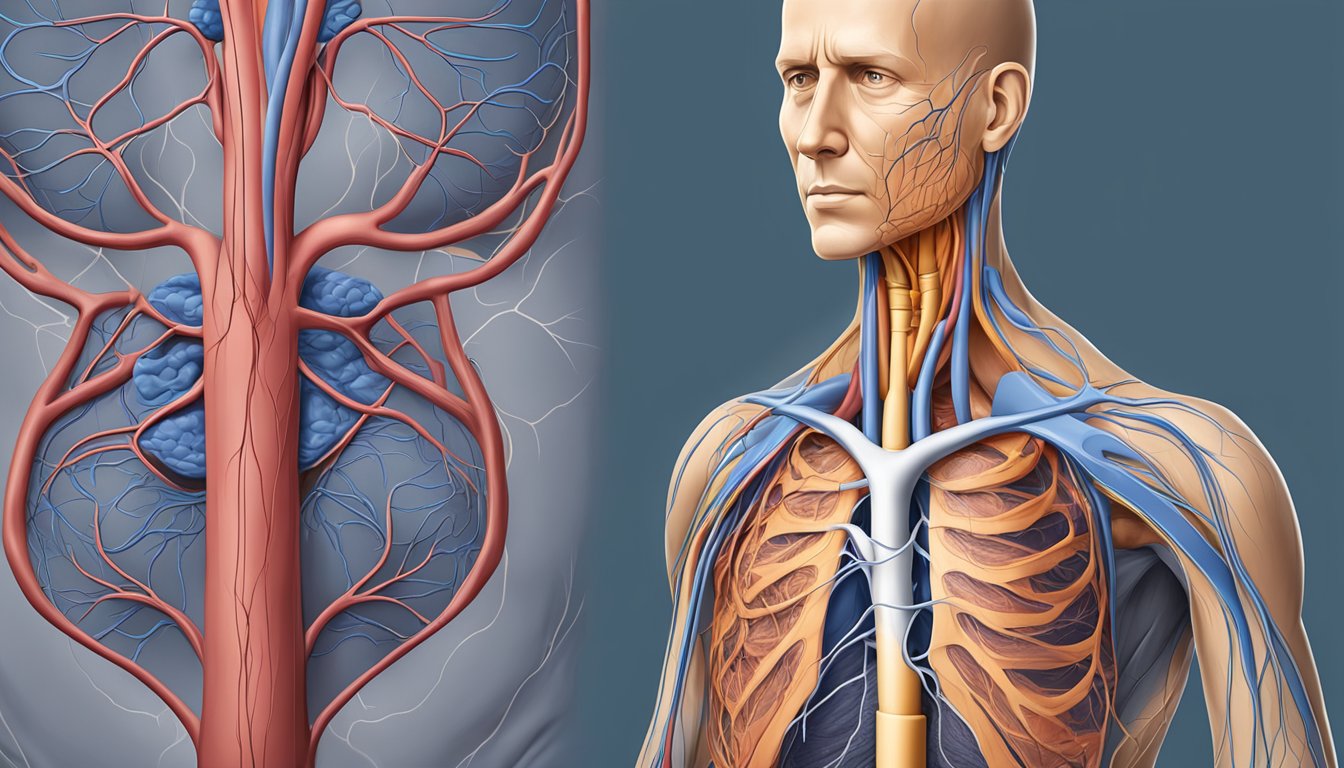
Heart vein blockage is a serious condition that can lead to a heart attack if not detected and treated early. Several factors can contribute to the development of heart vein blockage. This section will explore some of the most common causes and risk factors.
Lifestyle and Dietary Influences
A sedentary lifestyle and unhealthy diet can increase the risk of developing heart vein blockage. Lack of exercise and a diet high in fat, sugar, and salt can lead to obesity, high cholesterol, and diabetes, all of which are risk factors for heart disease. Smoking is also a significant risk factor for heart vein blockage. It damages the lining of blood vessels, making it easier for cholesterol and other substances to build up and form blockages.
Genetic Predispositions and Medical History
Family history plays a role in the development of heart vein blockage. If a close relative has had heart disease, there is an increased risk of developing the condition. Medical history, including high blood pressure, diabetes, and previous heart attacks, can also increase the risk of heart vein blockage.
It is essential to note that some individuals may develop heart vein blockage even if they do not have any of the above risk factors. Therefore, it is crucial to have regular check-ups with a healthcare professional to detect any potential issues early.
While many factors can contribute to heart vein blockage, a healthy lifestyle and regular check-ups can help reduce the risk of developing the condition. It is essential to maintain a balanced diet, exercise regularly, quit smoking, and manage stress levels to reduce the risk of heart disease. If you have any concerns about your heart health, it is important to speak to a healthcare professional.
Diagnosis and Medical Assessments
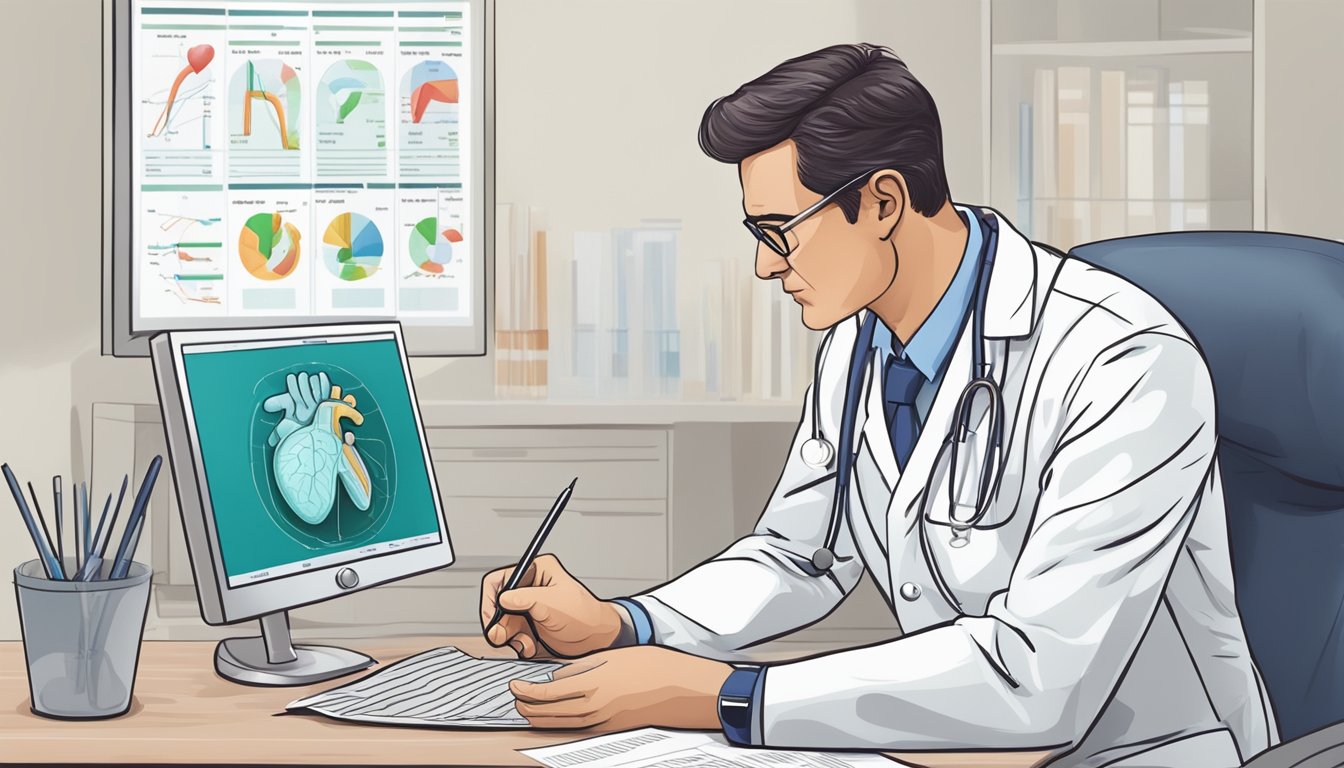
When a patient presents with symptoms of heart vein blockage, a doctor will conduct a thorough medical assessment to diagnose the condition. The doctor will begin by conducting a physical exam and ask the patient about their medical history and any symptoms they are experiencing.
Non-Invasive Diagnostic Tests
The doctor may then recommend non-invasive diagnostic tests to assess the patient’s heart health. These tests may include a blood pressure test, an electrocardiogram (ECG), and a stress test. A blood test may also be conducted to check for high cholesterol levels, which can contribute to heart vein blockage.
An echocardiogram may also be recommended to assess the structure and function of the heart. This test uses ultrasound waves to create images of the heart and can help identify any abnormalities.
Invasive Procedures and Imaging
In some cases, the doctor may recommend invasive procedures and imaging tests to diagnose heart vein blockage. An angiogram may be conducted to assess the blood flow in the heart. During this procedure, a dye is injected into the blood vessels, and X-rays are taken to identify any blockages.
Cardiac catheterization may also be recommended to diagnose heart vein blockage. During this procedure, a thin tube is inserted into a blood vessel in the arm or groin and guided to the heart. This allows the doctor to assess the blood flow in the heart and identify any blockages.
It is important to note that these invasive procedures carry some risks, and the doctor will carefully weigh the benefits and risks before recommending them to a patient.
It is important to seek medical attention if you experience any symptoms of heart vein blockage. Early diagnosis and treatment can help prevent serious complications and improve the patient’s overall health. However, it is important to note that only a qualified medical professional can diagnose and treat heart vein blockage.
Treatment Options and Management

When it comes to treating heart vein blockage, there are several options available. Treatment plans can vary depending on the severity of the condition, the patient’s overall health, and other factors. Here are some of the most common treatment options for heart vein blockage:
Medications and Therapies
Medications and therapies are often used to manage heart vein blockage symptoms and prevent further damage to the heart. Some of the most commonly prescribed medications for this condition include beta-blockers, aspirin, and other blood thinners. These medications can help reduce the risk of blood clots and improve blood flow to the heart.
In some cases, doctors may also recommend other therapies, such as angioplasty or stent placement. These procedures can help open up blocked arteries and improve blood flow to the heart. However, they are not always necessary and may not be appropriate for every patient.
Surgical Interventions
For more severe cases of heart vein blockage, surgical interventions may be necessary. The most common surgical procedure used to treat this condition is bypass surgery. During this procedure, a surgeon will create a new pathway for blood to flow around the blocked artery, thereby improving blood flow to the heart.
While bypass surgery can be effective, it is also a major surgical procedure that carries some risks. Patients who undergo this procedure will need to take time off work to recover and may need to make significant lifestyle changes to manage their condition.
Lifestyle Modifications and Rehabilitation
Along with medication and surgical interventions, lifestyle modifications and rehabilitation can also play a role in managing heart vein blockage. Patients may be advised to make changes to their diet and exercise habits to improve their heart health and reduce their risk of further complications.
Rehabilitation programs can also be helpful for patients recovering from bypass surgery or other surgical interventions. These programs can help patients regain their strength and improve their overall health after a major medical procedure.
It is important to note that every patient’s treatment plan will be different. Treatment plans should be developed in consultation with a qualified healthcare professional who can provide personalised advice and guidance. Patients should always follow their doctor’s advice and take any prescribed medications as directed.
Getting assessed in Singapore
If symptoms are severe or come on suddenly in Singapore, emergency care is the right route rather than an outpatient appointment: call 995 or go to the nearest emergency department. For symptoms that are recurrent but not acute, a GP or polyclinic can arrange a cardiology referral, or a private clinic can be contacted directly.
To understand what an assessment would actually involve, see a consultation for suspected heart conditions and coronary angiography, angioplasty and stenting, or look through the screening packages available.
Frequently Asked Questions
What are the indicators of a potential heart blockage?
Heart blockage may not always show symptoms until it becomes severe. However, some of the common indicators of a potential heart blockage include chest discomfort, shortness of breath, fatigue, and lightheadedness. If you experience any of these symptoms, it is important to seek medical attention immediately.
Can one detect signs of a heart blockage without medical intervention?
It is not always possible to detect signs of a heart blockage without medical intervention. However, some of the common diagnostic tests used to detect heart blockage include electrocardiograms (ECGs), stress tests, and angiograms. These tests can help determine the severity of the blockage and the appropriate treatment.
What are the distinct symptoms of heart blockage in women?
The symptoms of heart blockage in women may differ from those in men. Women may experience less typical symptoms, such as nausea, vomiting, jaw pain, and fatigue. It is important to note that the symptoms of heart blockage can vary from person to person, and some people may not experience any symptoms at all.
What treatments are available for significant arterial blockage?
The treatment for significant arterial blockage may depend on the severity of the blockage. Some of the common treatments include medications, lifestyle changes, and surgical procedures such as angioplasty and bypass surgery. It is important to consult with a healthcare professional to determine the appropriate treatment for your condition.
Is it possible to survive with a severely blocked artery, and for how long?
It is possible to survive with a severely blocked artery, but it depends on the severity of the blockage and the individual’s overall health. Some people may require immediate medical attention, while others may be able to manage their condition through medication and lifestyle changes. It is important to consult with a healthcare professional to determine the appropriate course of action.
How can one manage and treat minor arterial blockages?
Minor arterial blockages can be managed and treated through lifestyle changes such as regular exercise, a healthy diet, and quitting smoking. Medications such as aspirin and cholesterol-lowering drugs may also be prescribed to manage the condition. It is important to consult with a healthcare professional to determine the appropriate treatment plan for your condition.
Further reading
- HealthHub — Chest Pain
- HealthHub — Cardiovascular Disease
- National Heart Centre Singapore — Conditions & Treatments
Disclaimer: This article is general information about cardiovascular health. It is not medical advice, diagnosis or treatment, and reading it does not create a doctor–patient relationship. Always seek the advice of your doctor or another qualified health professional with any questions you have about a medical condition, and never disregard or delay seeking medical advice because of something you have read here. If you think you may be having a medical emergency, call 995 or go to the nearest emergency department.