

Cardiology technologists are healthcare professionals responsible for performing diagnostic tests and procedures related to the cardiovascular system. They work alongside physicians to help diagnose and treat cardiovascular conditions. Cardiology technologists use specialized equipment to perform tests such as electrocardiograms (ECGs), echocardiograms, and stress tests. These tests help diagnose heart conditions, evaluate heart function, and monitor treatment progress.
To become a cardiology technologist, a formal education is required. The most common educational pathway is a diploma or undergraduate certificate in cardiovascular technology from a university, hospital, or clinic. After completing their education, cardiology technologists must obtain certification and licensure to practice. Certification is typically obtained through a professional organization such as the Canadian Society of Cardiology Technologists or the American Registry of Diagnostic Medical Sonographers.
The career outlook for cardiology technologists is positive, with a projected growth rate of 14% from 2018 to 2028. This growth is due to an aging population and an increased need for cardiovascular diagnostic testing. Cardiology technologists can work in a variety of healthcare settings such as hospitals, clinics, and private practices. They may also have opportunities to advance their careers by pursuing higher education or specializing in a particular area of cardiology technology.
Key Takeaways
- Cardiology technologists perform diagnostic tests and procedures related to the cardiovascular system.
- A formal education, certification, and licensure are required to become a cardiology technologist.
- The career outlook for cardiology technologists is positive, with a projected growth rate of 14% from 2018 to 2028.
Educational Pathways
Basic Requirements
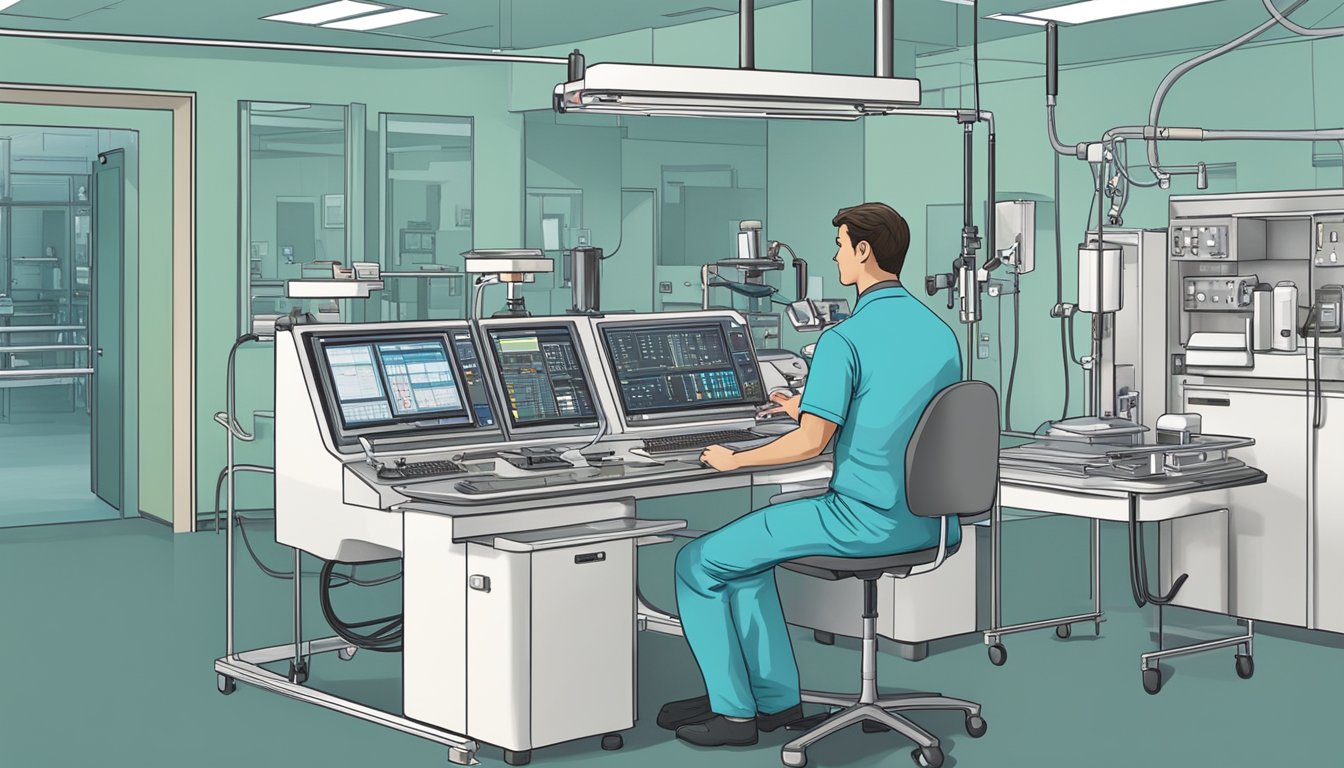
To become a cardiology technologist, one must have a high school diploma or GED equivalent. The candidate must have a strong foundation in mathematics and physics, as these subjects are essential in the field of cardiology.
After completing high school, the candidate should pursue an associate degree in cardiovascular technology program, which is accredited by the Commission on Accreditation of Allied Health Education Programs. The program typically takes two years to complete and includes coursework in anatomy, physiology, medical terminology, and patient care.
Advanced Education
After completing an associate degree, the candidate can pursue a bachelor’s degree in cardiovascular technology or a related field. A bachelor’s degree program typically takes four years to complete and includes advanced coursework in cardiovascular technology, research methods, and healthcare management.
In addition to formal education, clinical training is essential for becoming a cardiology technologist. Clinical training provides hands-on experience in performing various diagnostic tests and procedures.
After completing formal education and clinical training, the candidate should obtain certification from a recognised organisation, such as the American Registry of Diagnostic Medical Sonographers or the Cardiovascular Credentialing International.
It is important to note that the educational requirements for becoming a cardiology technologist may vary depending on the state or country. Therefore, candidates should check with their local regulatory board to ensure they meet all the requirements for practising in their area.
Certification and Licensure

Cardiovascular technologists are required to obtain professional certification and licensure to practice in the field. This section will discuss the credentialing bodies and continuing education requirements for cardiovascular technologists.
Credentialing Bodies
The two main credentialing bodies for cardiovascular technologists are the Cardiovascular Credentialing International (CCI) and the American Registry for Diagnostic Medical Sonography (ARDMS). Both organizations offer certification programs for professionals in the field.
The CCI offers nine certifications for both non-invasive and invasive credentialing, including the Registered Cardiovascular Invasive Specialist (RCIS), Registered Cardiac Sonographer (RCS), and Registered Vascular Technologist (RVT). The ARDMS offers certifications for cardiac sonographers, vascular technologists, and other related professions.
To become certified, candidates must meet specific educational and clinical training requirements and pass an exam. These certifications must be renewed periodically through continuing education.
Continuing Education
Continuing education is an essential component of maintaining professional certification and licensure in cardiovascular technology. The Commission on Accreditation of Allied Health Education Programs (CAAHEP) requires that cardiovascular technology programs provide continuing education opportunities for their graduates.
Continuing education can take many forms, including attending conferences, completing online courses, and participating in clinical case reviews. These activities help cardiovascular technologists stay up-to-date with the latest developments in the field and maintain their skills and knowledge.
It is important to note that professional certification and licensure do not guarantee a particular outcome or level of competence. Patients should always consult with their healthcare provider and seek appropriate medical advice and treatment.
Professional Roles and Responsibilities
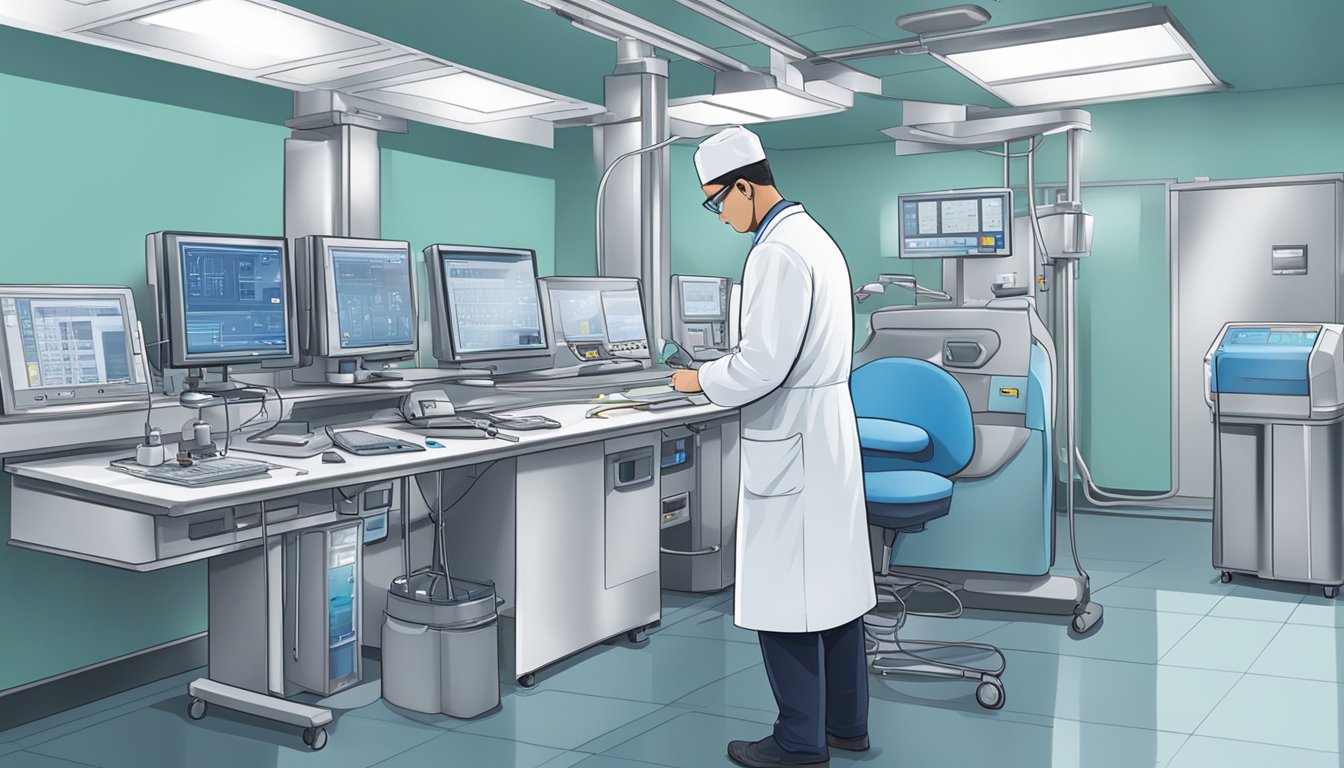
Cardiovascular technologists are healthcare professionals who specialize in diagnosing and treating patients with heart and blood vessel conditions. They are highly skilled and trained professionals who perform a range of clinical duties, including patient care, monitoring, recording, and diagnostic testing.
Cardiovascular Technologist Specialisations
There are several specialisations within cardiovascular technology, including vascular technologists, cardiac sonographers, and cardiovascular invasive specialists. Each of these specialisations requires specific training and expertise in different areas of the cardiovascular system.
Vascular technologists specialize in the diagnosis and treatment of blood vessel conditions, while cardiac sonographers focus on the use of ultrasound technology to diagnose heart conditions. Cardiovascular invasive specialists work in cardiac catheterization labs, performing diagnostic and therapeutic procedures on patients with heart conditions.
Clinical Duties and Patient Care
Cardiovascular technologists play a critical role in the healthcare field, working closely with physicians and other healthcare professionals to diagnose and treat patients with heart and blood vessel conditions. They use a range of diagnostic tools and technologies, including electrocardiograms, echocardiograms, and ultrasound, to assess the anatomy and physiology of the cardiovascular system.
In addition to diagnostic testing, cardiovascular technologists are responsible for monitoring patients during procedures and recording vital signs such as blood pressure, cerebral circulation, and oxygen saturation. They also provide patient care, including education and support, before and after procedures.
Cardiovascular technologists must be highly skilled and trained professionals who are committed to providing the highest level of care to their patients. They must have a thorough understanding of the anatomy and physiology of the cardiovascular system, as well as the latest diagnostic and therapeutic technologies and techniques.
In conclusion, cardiovascular technologists play a critical role in the healthcare field, diagnosing and treating patients with heart and blood vessel conditions. They are highly skilled and trained professionals who perform a range of clinical duties, including patient care, monitoring, recording, and diagnostic testing. It is important to note that the information provided in this section is for educational purposes only and should not be used as a substitute for professional medical advice, diagnosis, or treatment.
Career Outlook and Opportunities
Employment Settings
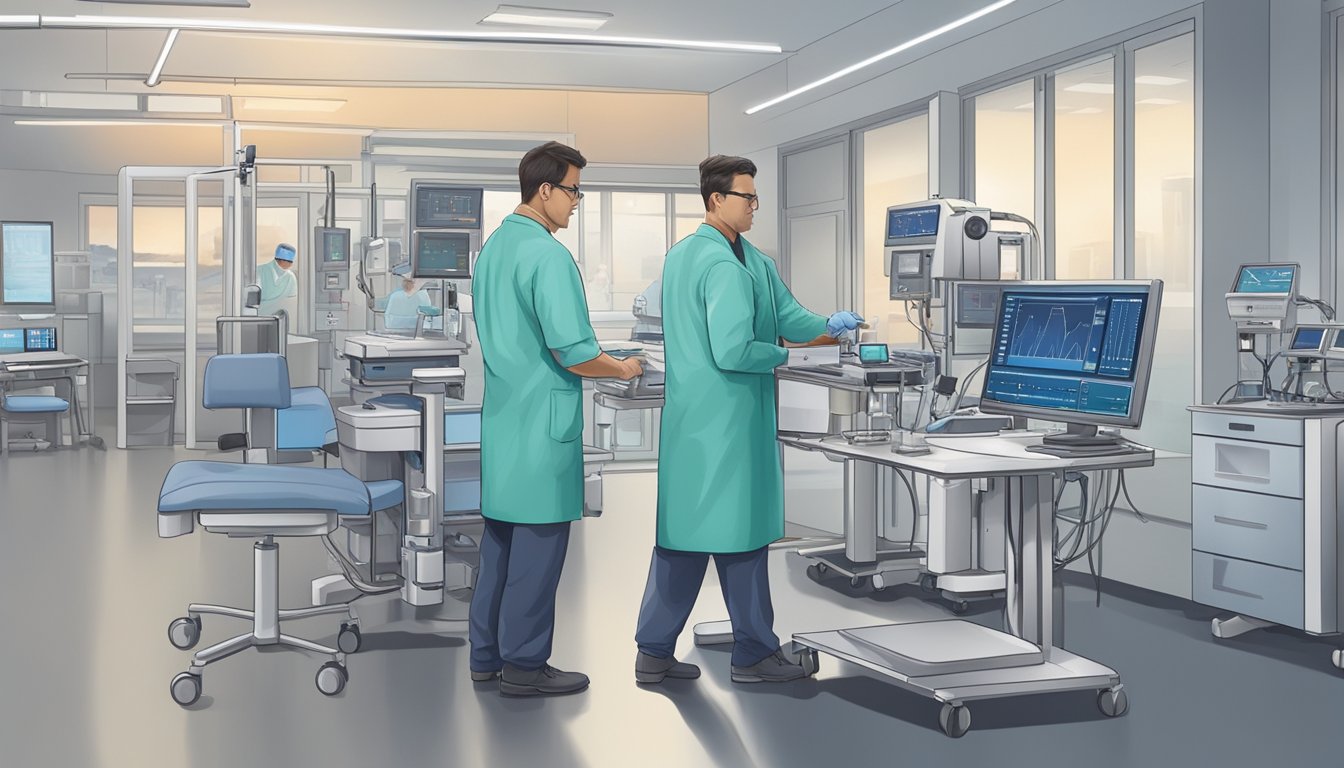
Cardiology technologists work in various healthcare settings, including hospitals, clinics, and medical equipment companies. They typically work in a team with other healthcare professionals, such as doctors and nurses, to provide accurate diagnosis and treatment of heart and vascular diseases.
According to the U.S. Bureau of Labor Statistics, the employment of cardiovascular technologists and technicians is projected to grow 10% from 2022 to 2032, which is much faster than the average for all occupations. This growth is due to the increasing demand for noninvasive diagnostic procedures, which are safer and less expensive than invasive procedures.
Salary Expectations
The average salary for cardiology technologists varies depending on the level of clinical experience, certification, and specialization. In Singapore, the national average salary for cardiac technologists is SGD 62,000 per year, according to Jobstreet.
Cardiology technologists can specialize in various areas, such as adult echocardiography, pediatric echocardiography, cardiac electrophysiology, and noninvasive vascular study. Specialization and certification can increase the salary potential for cardiology technologists.
It is important to note that salary expectations may vary depending on the work environment and location. Cardiology technologists working in hospitals and clinics may have different salary expectations than those working in medical equipment companies.
Getting assessed in Singapore
In Singapore, cardiology is provided in both the public and private sectors. Public heart services are concentrated at the National Heart Centre Singapore and the cardiology departments of the restructured hospitals, while private cardiologists practise from medical centres attached to private hospitals. A GP or polyclinic can arrange a referral, or a private clinic can be contacted directly.
Related pages on this site explain what a cardiology consultation involves and cardiac screening. You can also see all cardiac services.
Frequently Asked Questions
What qualifications are required to become a cardiology technologist?
To become a cardiology technologist, one must possess a minimum of a diploma or degree in cardiovascular technology from an accredited institution. In addition, they must be registered with the Canadian Society of Cardiology Technologists (CSCT) and hold a valid certification from the Canadian Association of Registered Diagnostic Ultrasound Professionals (CARDUP).
What duties does a cardiology technologist typically perform in their role?
Cardiology technologists are responsible for conducting diagnostic tests and procedures related to the cardiovascular system. These tests include electrocardiograms (ECGs), stress tests, echocardiograms, and Holter monitoring. They also assist physicians in diagnosing and treating cardiovascular conditions.
How does one pursue a career as a cardiology technologist in Canada?
To pursue a career as a cardiology technologist in Canada, one must first complete a diploma or degree in cardiovascular technology from an accredited institution. After graduation, they must register with the Canadian Society of Cardiology Technologists (CSCT) and obtain certification from the Canadian Association of Registered Diagnostic Ultrasound Professionals (CARDUP).
What is the average salary for a cardiology technologist in British Columbia?
The average salary for a cardiology technologist in British Columbia is around £53,000 per year. However, this may vary depending on the level of education, certification, and experience of the individual.
What are the prospects for employment in the field of cardiology technology?
The field of cardiology technology is growing rapidly, and job prospects are excellent. According to recent statistics, employment in this field is projected to grow by 17% over the next decade.
Which educational path must one follow to specialise as a cardiology technologist?
To specialize as a cardiology technologist, one must obtain a diploma or degree in cardiovascular technology from an accredited institution. After graduation, they may choose to pursue additional certifications or specializations through organizations such as the Canadian Society of Cardiology Technologists (CSCT) and the Canadian Association of Registered Diagnostic Ultrasound Professionals (CARDUP).
Please note that the information provided is for general guidance only, and individuals should consult with a qualified professional before making any decisions related to their career or education.
Further reading
- National Heart Centre Singapore — Conditions & Treatments
- SingHealth — Conditions & Treatments
- HealthHub — Cardiovascular Disease
Disclaimer: This article is general information about cardiovascular health. It is not medical advice, diagnosis or treatment, and reading it does not create a doctor–patient relationship. Always seek the advice of your doctor or another qualified health professional with any questions you have about a medical condition, and never disregard or delay seeking medical advice because of something you have read here. If you think you may be having a medical emergency, call 995 or go to the nearest emergency department.