

Senior cardiologists are highly trained specialists who diagnose and treat heart disease in patients. They are experts in the field of cardiology and have years of experience in managing complex cardiac conditions. Senior cardiologists work in hospitals, clinics, and private practices, and are responsible for providing comprehensive care to patients with heart disease.
Roles and Responsibilities Senior cardiologists are responsible for performing a variety of tasks related to the diagnosis and treatment of heart disease. They perform advanced cardiac procedures such as angiograms, angioplasties, and pacemaker implantations. They also manage patients with complex cardiac conditions such as heart failure, arrhythmias, and valve disease. Senior cardiologists work closely with other healthcare professionals such as nurses, anaesthetists, and radiographers to provide the best possible care to their patients.
Patient Care and Follow-Up Senior cardiologists are committed to providing high-quality care to their patients. They take the time to listen to their patients and understand their concerns. They work closely with their patients to develop treatment plans that are tailored to their individual needs. Senior cardiologists also provide ongoing care and follow-up to ensure that their patients are receiving the best possible care.
Professional Development and Accreditation Senior cardiologists are committed to ongoing professional development and accreditation. They attend conferences and seminars to stay up-to-date with the latest advances in cardiology. They also undergo regular training and accreditation to ensure that they are providing the highest quality care to their patients.
Key Takeaways
- Senior cardiologists are highly trained specialists who diagnose and treat heart disease in patients.
- They perform advanced cardiac procedures and manage patients with complex cardiac conditions.
- Senior cardiologists are committed to providing high-quality care to their patients and are committed to ongoing professional development and accreditation.
Roles and Responsibilities
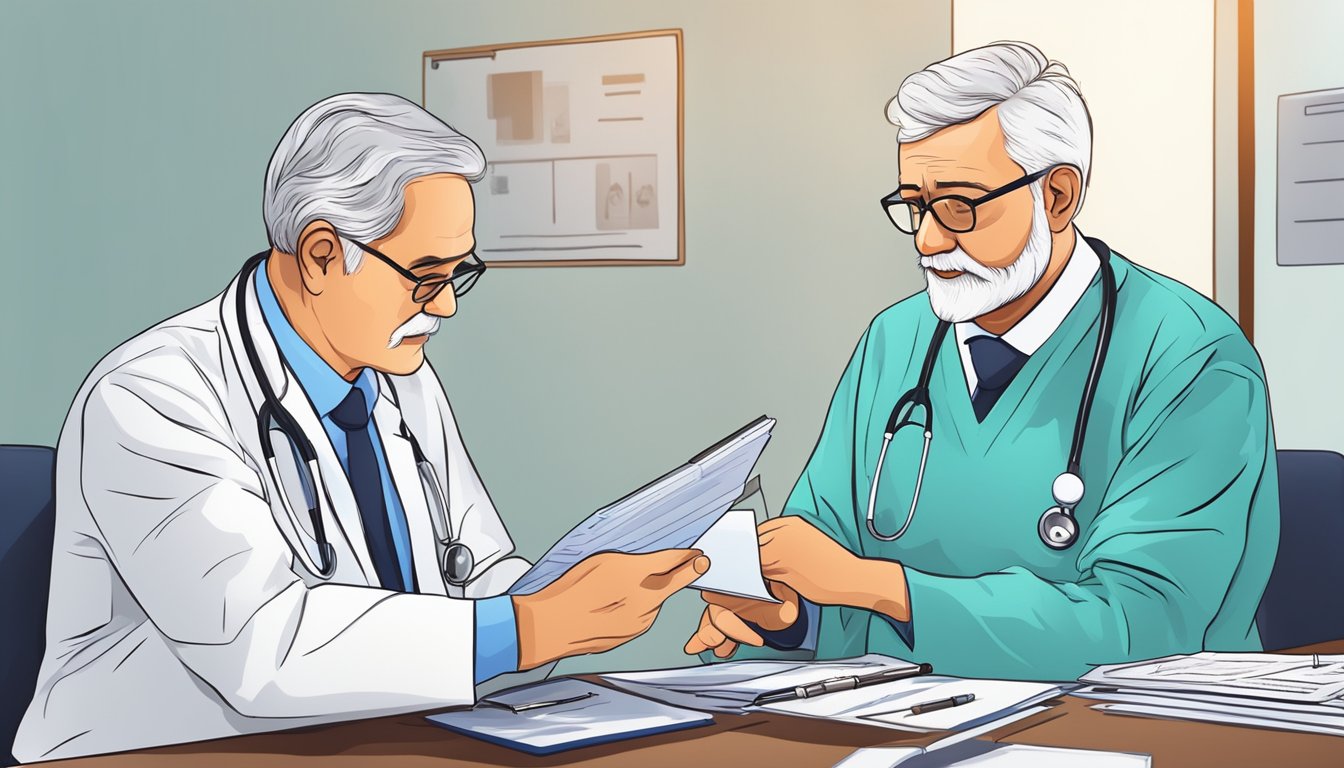
As a senior consultant cardiologist, one has a wide range of roles and responsibilities. The following sections will describe some of the key areas of focus in this role.
Diagnosis and Treatment
One of the primary responsibilities of a senior consultant cardiologist is to diagnose and treat patients with heart-related problems. This involves working with patients to understand their symptoms and medical history, as well as conducting physical examinations and ordering diagnostic tests. Once a diagnosis has been made, the senior consultant cardiologist will work with the patient to develop a treatment plan that may involve medication, lifestyle changes, or surgery.
Management and Leadership
In addition to providing clinical care to patients, senior consultant cardiologists are also responsible for managing and leading staff within their department or trust. This may involve overseeing the work of junior doctors, nurses, and other healthcare professionals, as well as developing and implementing policies and procedures to ensure that the department operates smoothly and efficiently.
Education and Mentorship
Senior consultant cardiologists also play an important role in educating and mentoring the next generation of healthcare professionals. This may involve teaching medical students, supervising junior doctors, and providing guidance and support to other healthcare professionals within the department or trust. By sharing their knowledge and expertise, senior consultant cardiologists can help to ensure that patients receive the highest quality of care possible.
It is important to note that the roles and responsibilities of a senior consultant cardiologist may vary depending on the specific department or trust in which they work. Additionally, senior consultant cardiologists must adhere to strict ethical and professional standards in order to provide safe and effective care to their patients.
Advanced Cardiac Procedures
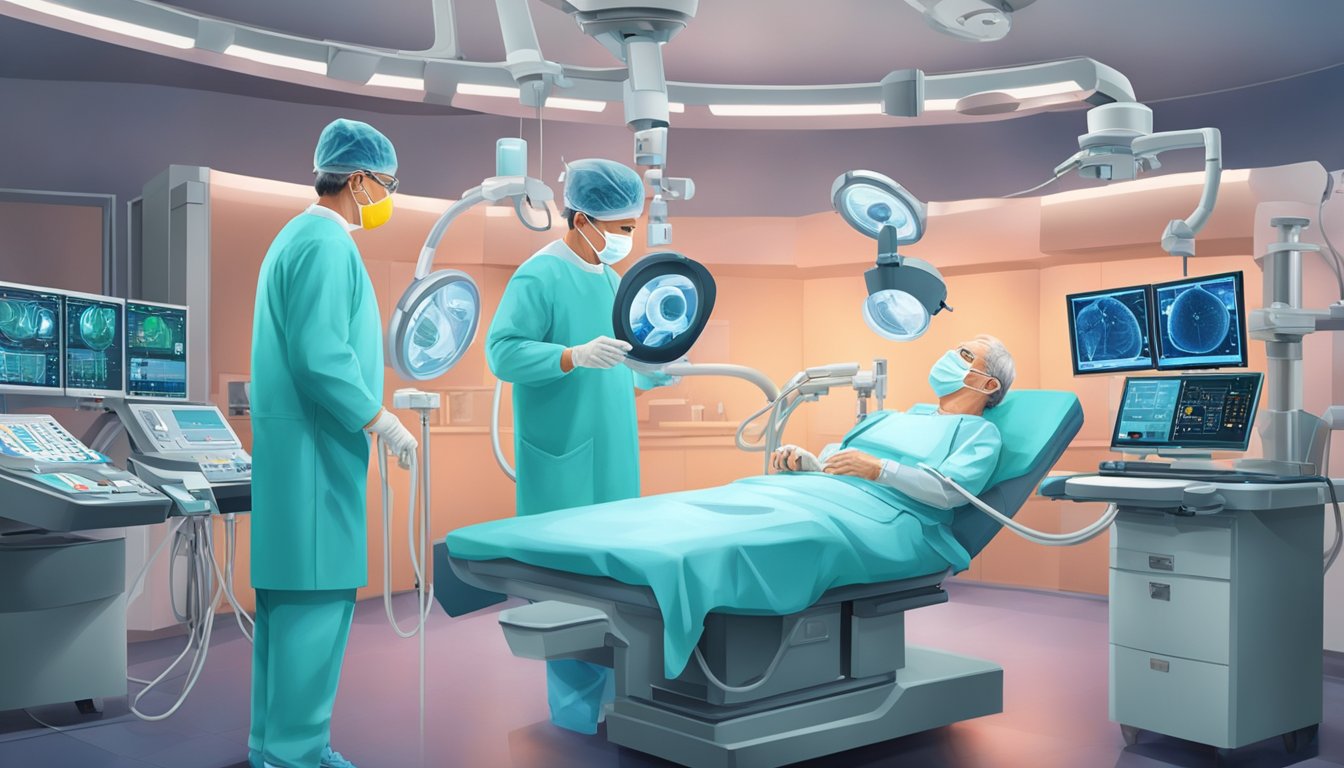
Senior cardiologists are highly skilled in performing advanced cardiac procedures to diagnose and treat various heart diseases. These procedures are often minimally invasive and require specialized training and equipment.
Interventional Cardiology
Interventional cardiology involves using minimally invasive techniques to diagnose and treat heart disease. This includes procedures such as angioplasty, coronary angioplasty, and stent placement. Angioplasty is a procedure that involves using a balloon catheter to open up blocked arteries, while coronary angioplasty involves opening up blocked arteries in the heart. Stent placement is a procedure that involves inserting a small metal mesh tube into a blocked artery to keep it open.
Cardiac Imaging Techniques
Cardiac imaging techniques are used to diagnose and monitor heart disease. These techniques include echocardiography, nuclear cardiology, and cardiac computed tomography (CT). Echocardiography uses sound waves to produce images of the heart, while nuclear cardiology uses a small amount of radioactive material to produce images of the heart. Cardiac CT is a non-invasive imaging test that uses X-rays to produce detailed images of the heart.
Electrophysiology
Electrophysiology is the study of the electrical activity of the heart. Senior cardiologists use this knowledge to diagnose and treat heart rhythm disorders. This includes procedures such as pacemaker implantation, transcatheter aortic valve implantation (TAVI), mitral valve repair, and aortic valve replacement. Pacemaker implantation involves inserting a small device under the skin that helps regulate the heartbeat. TAVI is a minimally invasive procedure that involves replacing the aortic valve with a new valve. Mitral valve repair and aortic valve replacement are surgical procedures that are used to treat heart valve disease.
It is important to note that these procedures carry risks, and patients should discuss the benefits and risks with their senior cardiologist before undergoing any procedure. Additionally, not all patients are candidates for these procedures, and alternative treatments may be recommended.
Patient Care and Follow-Up
Emergency Response
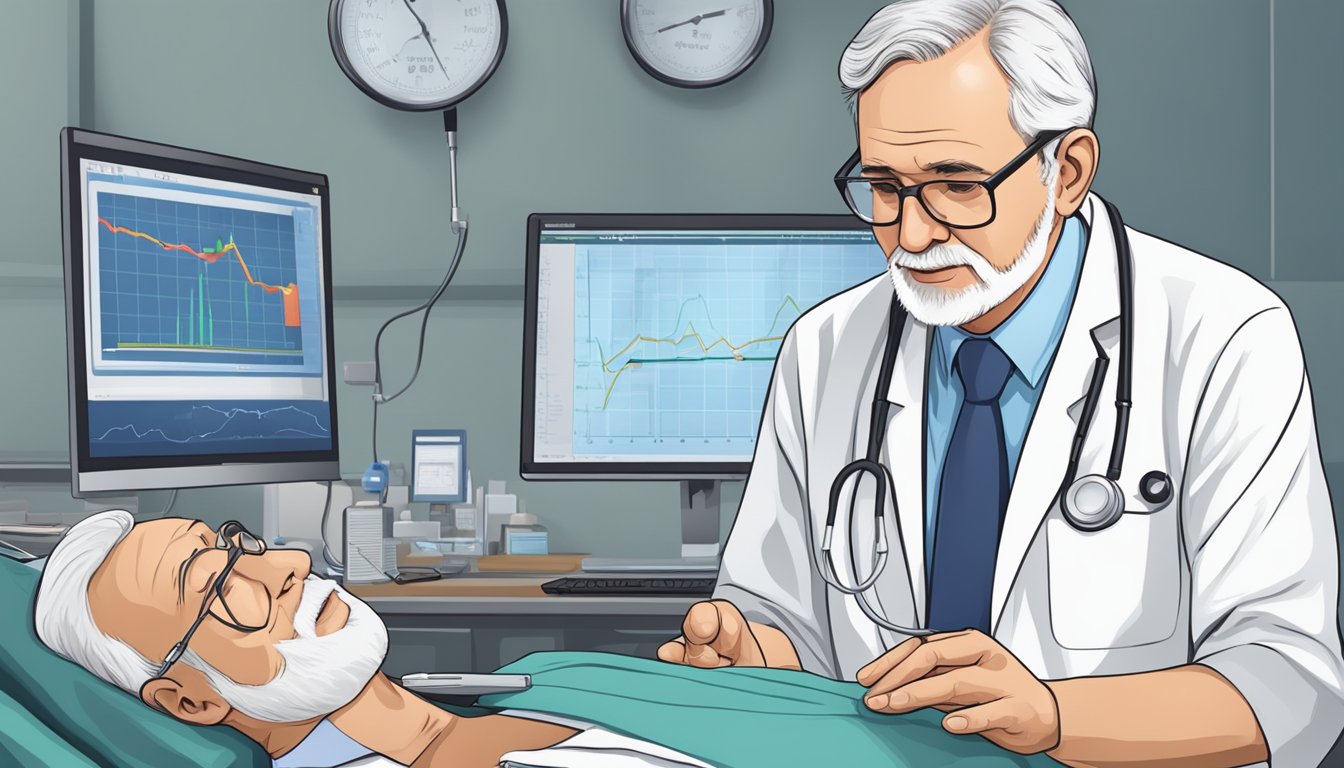
Senior cardiologists are highly trained to provide emergency response to patients experiencing heart attack, stroke, and other cardiac emergencies. They work closely with emergency medical services to ensure that patients receive timely and appropriate care. In addition, they may provide 24-hour ECG monitoring to patients who require close monitoring.
Chronic Disease Management
Senior cardiologists are experts in the diagnosis and management of chronic heart disease. They work closely with patients to develop individualised treatment plans that may include lifestyle changes, medications, and other interventions. They also provide regular follow-up appointments to monitor progress and adjust treatment plans as necessary.
Rehabilitation and Recovery
Senior cardiologists are committed to helping patients recover from heart attacks and other cardiac events. They may provide rehabilitation services such as exercise programs, dietary counselling, and stress management techniques to help patients regain their strength and improve their overall health. They also work closely with other healthcare professionals to coordinate care and ensure that patients receive the support they need to achieve their goals.
It is important to note that while senior cardiologists are highly skilled and experienced, they cannot guarantee outcomes or prevent all cardiac events. Patients should always seek medical assessment if they experience symptoms such as chest pain, shortness of breath, or changes in blood pressure. Additionally, patients should follow their cardiologist’s recommendations for prevention and management of heart disease, including regular consultation, medications and myocardial perfusion imaging.
Professional Development and Accreditation
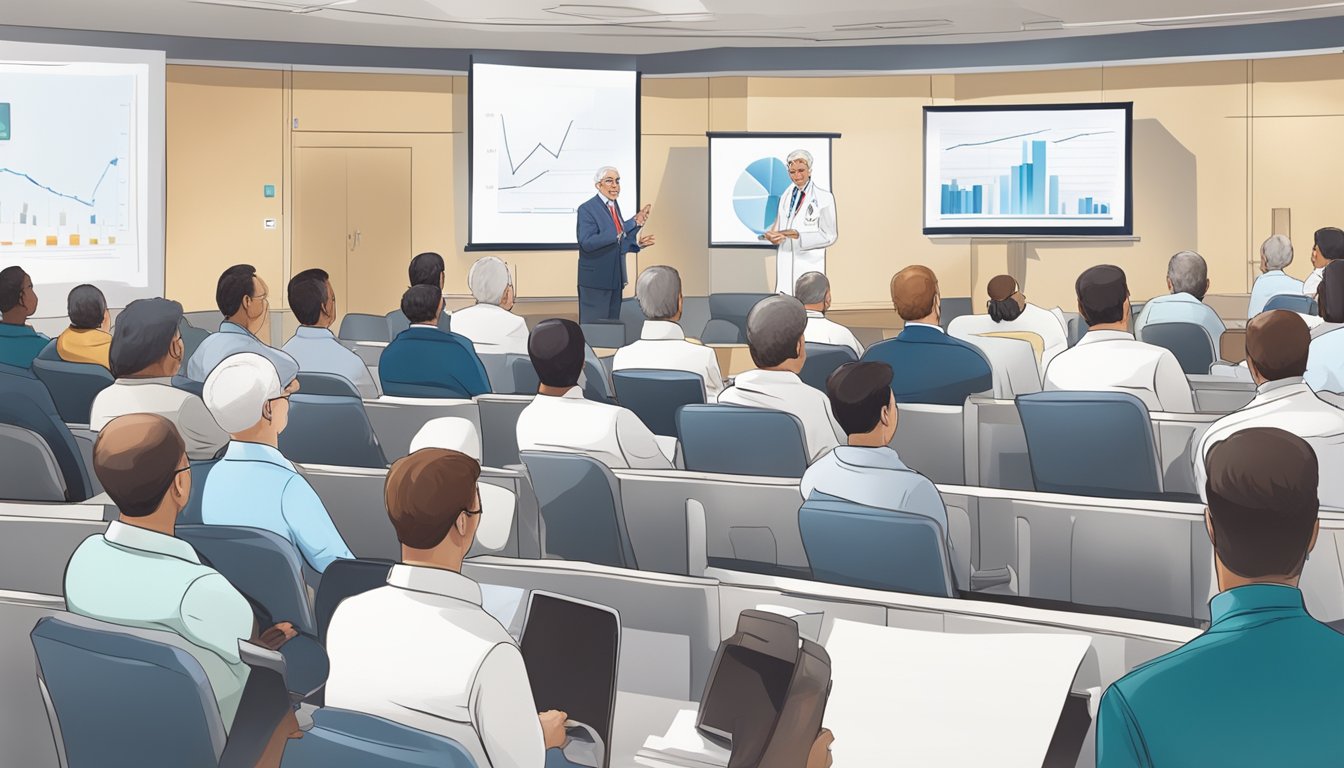
Senior cardiologists are required to maintain their professional development and accreditation through various means. This ensures that they remain up-to-date with the latest developments in the field of cardiology and provide the best possible care to their patients.
One way in which senior cardiologists can maintain their professional development is by obtaining accreditation from relevant organisations such as the Royal College of Physicians or the Federation of Asian and Oceanian Physiological Societies (FAMS) in Cardiology. This accreditation is obtained through rigorous training and assessment, and serves as a mark of distinction for senior cardiologists.
In addition to accreditation, senior cardiologists must also stay up-to-date with the latest technologies and procedures in the field of cardiology. This may include training in echocardiography, emergency angioplasty, or other advanced procedures. It is important for senior cardiologists to have a broad range of skills and knowledge to provide the best possible care to their patients.
Senior cardiologists may also hold positions as medical directors or other leadership roles within their organisations. This allows them to contribute to the development and implementation of new policies and procedures that improve heart health outcomes for patients.
Overall, maintaining professional development and accreditation is crucial for senior cardiologists to provide the best possible care to their patients. It is important for patients to seek out senior cardiologists who have the relevant training and experience to provide the highest quality of care.
Disclaimer: The information provided in this section is for informational purposes only and should not be considered medical advice. Patients should always consult with their healthcare provider for any questions or concerns regarding their heart health.
Frequently Asked Questions
What qualifications are required to become a senior cardiologist?
To become a senior cardiologist, one must first complete a medical degree from a recognised university. After that, he or she must complete a residency program in internal medicine and a fellowship program in cardiology. The individual must also be registered with the Singapore Medical Council and hold a valid license to practice medicine in Singapore.
How does one select a reputable cardiologist in Singapore?
When selecting a cardiologist in Singapore, it is important to consider factors such as their qualifications, experience, and reputation. Patients can ask their primary care physician for a referral or seek recommendations from family and friends. Additionally, patients can check the Singapore Medical Council’s website for a list of registered cardiologists in Singapore.
What are the typical fees for cardiology consultations in Singapore?
The fees for cardiology consultations in Singapore can vary depending on the individual cardiologist and the specific type of consultation required. On average, patients can expect to pay between $100 and $300 for a consultation. Additional fees may apply for diagnostic tests and procedures.
Which hospital in Singapore is renowned for its cardiology department?
The National Heart Centre Singapore (NHCS) is renowned for its cardiology department. The NHCS is a tertiary care centre that provides comprehensive care for patients with heart conditions. The hospital has a team of experienced cardiologists who use the latest diagnostic and treatment techniques to provide the best possible care for their patients.
At what age do most cardiologists reach senior status?
Most cardiologists reach senior status in their late 40s to early 50s. This is typically after they have completed their fellowship program and have gained several years of experience in the field.
What are the career prospects for a senior cardiologist?
The career prospects for a senior cardiologist are generally very good. Senior cardiologists can work in a variety of settings, including hospitals, clinics, and private practices. They may also have the opportunity to teach and mentor younger cardiologists. However, it is important to note that the demand for cardiologists may vary depending on the current healthcare landscape and the prevalence of heart disease in the population.