

Hypoplastic left heart syndrome (HLHS) is a rare congenital heart defect that affects the left side of the heart. This condition is characterized by an underdeveloped left ventricle, aorta, and other structures on the left side of the heart. It is a severe condition that requires prompt medical attention.
Babies with HLHS need a series of three surgeries to survive, but their life expectancy is still uncertain. The first surgery, called the Norwood procedure, is typically performed within the first week of life. The second surgery, called the Glenn procedure, is typically performed around 4-6 months of age. The final surgery, called the Fontan procedure, is typically performed around 2-3 years of age. Even with these procedures, the life expectancy of individuals with HLHS is still uncertain and depends on several factors, including the severity of the condition, the age at diagnosis, and the effectiveness of treatments.
Key Takeaways
- Hypoplastic left heart syndrome is a rare congenital heart defect that affects the left side of the heart.
- Babies with HLHS require a series of three surgeries to survive, but their life expectancy is still uncertain.
- The life expectancy of individuals with HLHS depends on several factors, including the severity of the condition, the age at diagnosis, and the effectiveness of treatments.
Understanding Hypoplastic Left Heart Syndrome
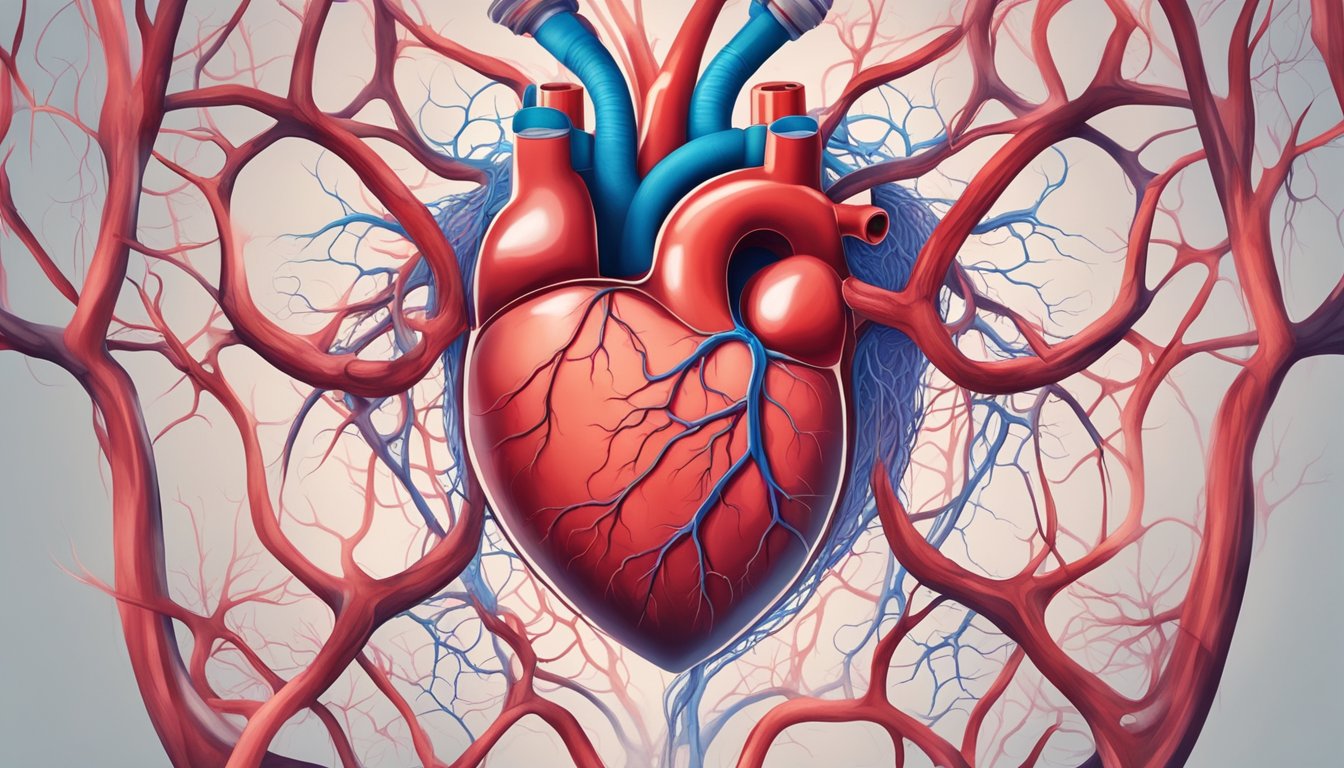
Hypoplastic Left Heart Syndrome (HLHS) is a rare congenital heart disease that affects the development of the left side of the heart. The left side of the heart is responsible for pumping oxygen-rich blood to the body. In HLHS, the left side of the heart is severely underdeveloped, making it difficult for the heart to pump blood effectively.
Anatomical Deficiencies
HLHS is characterized by several anatomical deficiencies, including an underdeveloped left ventricle, aorta, and aortic valve. The mitral valve, which controls the flow of blood from the left atrium to the left ventricle, may also be underdeveloped or absent. Additionally, the ductus arteriosus, a blood vessel that connects the pulmonary artery to the descending aorta, may be narrowed or closed.
Pathophysiology
In HLHS, the right ventricle must take on the workload of both the left and right sides of the heart. The right ventricle pumps oxygen-poor blood to the lungs, where it picks up oxygen, and then pumps it to the body. However, the right ventricle is not designed to handle the increased workload, which can lead to heart failure.
Babies with HLHS typically have a patent foramen ovale (PFO) or an atrial septal defect (ASD), which allows blood to flow between the upper chambers of the heart. This helps to bypass the underdeveloped left side of the heart and provide oxygen-rich blood to the body.
In summary, HLHS is a rare congenital heart disease that affects the development of the left side of the heart. The anatomical deficiencies in HLHS can lead to heart failure, and babies with HLHS typically have a PFO or ASD to help bypass the underdeveloped left side of the heart.
Diagnosis and Monitoring

Initial Detection
Hypoplastic left heart syndrome (HLHS) is a congenital heart defect that is usually detected during pregnancy or shortly after birth. Symptoms of HLHS may include difficulty breathing, bluish skin color, poor feeding, and a weak pulse. In some cases, HLHS may not be detected until later in life, when symptoms become more severe.
Diagnostic Imaging
Diagnostic imaging is essential for the diagnosis of HLHS. An echocardiogram is a non-invasive test that uses sound waves to create images of the heart. This test can help determine the size and function of the heart, as well as identify any structural abnormalities. Ultrasound may also be used to detect HLHS during pregnancy.
Continuous Monitoring
Continuous monitoring is essential for the management of HLHS. Pulse oximetry screening is a non-invasive test that measures the amount of oxygen in the blood. This test can help detect low oxygen levels, which may be a sign of HLHS. Chest X-rays and cardiac catheterization may also be used to monitor the condition of the heart.
Echocardiography is a non-invasive test that uses sound waves to create images of the heart. This test can help monitor the size and function of the heart, as well as identify any changes in the heart’s structure. Fetal echocardiography may be used during pregnancy to monitor the development of the heart.
It is important to note that while diagnostic imaging and continuous monitoring can help detect and manage HLHS, they do not guarantee a cure. Treatment options for HLHS may include surgery, medication, and lifestyle changes. It is essential to consult a healthcare professional for proper diagnosis and management of HLHS.
Treatment Options and Surgical Interventions
When it comes to treating hypoplastic left heart syndrome (HLHS), surgical interventions are necessary to improve the chances of survival. The treatment options available depend on the severity of the condition, the age and weight of the patient, and the presence of any other medical conditions. In this section, we will discuss the different surgical interventions that are commonly used to treat HLHS.
Initial Procedures
The initial procedures for treating HLHS include the Norwood procedure and the Hybrid procedure. The Norwood procedure is a three-stage open-heart surgery that involves creating a new aorta and connecting it to the pulmonary artery. This procedure is usually performed within the first few days of life and is followed by the Glenn procedure and the Fontan procedure. The Hybrid procedure is a less invasive alternative to the Norwood procedure and involves the placement of a stent in the ductus arteriosus to improve blood flow.
Staged Heart Surgeries
Staged heart surgeries are performed to improve blood flow and oxygenation in the body. The Glenn procedure is the second stage of the Norwood procedure and involves connecting the superior vena cava to the pulmonary artery. The Hemi-Fontan and Bidirectional Glenn procedures are variations of the Glenn procedure that are used in certain cases. The Fontan procedure is the final stage of the Norwood procedure and involves connecting the inferior vena cava to the pulmonary artery.
Heart Transplantation
In some cases, a heart transplant may be necessary to treat HLHS. This is usually considered when the patient’s heart is unable to function properly despite surgical interventions. A heart transplant involves removing the patient’s heart and replacing it with a healthy donor heart. This procedure is usually reserved for patients who have a poor prognosis and are not responding to other treatments.
It is important to note that surgical interventions for HLHS carry significant risks, including infection, bleeding, and complications from anesthesia. Patients who undergo these procedures require close monitoring and may need to take medication to prevent infection and manage pain. It is important to discuss the risks and benefits of these procedures with a qualified medical professional before making any treatment decisions.
Prognosis and Life Expectancy
Hypoplastic left heart syndrome (HLHS) is a serious congenital heart defect that affects the left side of the heart. The prognosis for individuals with HLHS depends on several factors, including the severity of the condition, the age at diagnosis, and the presence of any additional health complications.
Survival Rates
According to the Society of Thoracic Surgeons Congenital Heart Surgery Database, the 5-year survival rate for infants who undergo surgical treatment for HLHS is approximately 70%. However, long-term survival rates can vary depending on the individual’s overall health and the success of any surgical interventions. It is important to note that HLHS is a critical congenital heart defect, and without treatment, it is fatal.
Potential Complications
Individuals with HLHS are at risk for a variety of complications, including heart failure, arrhythmias, blood clots, and liver disease. Additionally, they may experience developmental problems and lifelong complications related to their heart condition.
Long-Term Management
Individuals with HLHS require ongoing care from a cardiologist and other healthcare professionals. Treatment may involve medications, nutrition support, and surgeries to address any complications that arise. In some cases, a feeding tube may be necessary to ensure adequate nutrition.
It is important for individuals with HLHS and their families to seek out support groups and other resources to help manage the emotional and physical challenges associated with this condition.
While HLHS is a serious condition, advances in medical technology and treatment options offer hope for improved outcomes and long-term survival. However, it is important for individuals with HLHS and their families to work closely with their healthcare providers to manage their condition and reduce the risk of complications.
Getting assessed in Singapore
In Singapore, cardiology is provided in both the public and private sectors. Public heart services are concentrated at the National Heart Centre Singapore and the cardiology departments of the restructured hospitals, while private cardiologists practise from medical centres attached to private hospitals. A GP or polyclinic can arrange a referral, or a private clinic can be contacted directly.
If this is relevant to your own situation, you can read what is involved in consultation and assessment of suspected heart conditions or a cardiac screening assessment, or browse the cardiac services list.
Frequently Asked Questions

What is the typical life expectancy for individuals with hypoplastic left heart syndrome following surgical intervention?
The life expectancy for individuals with hypoplastic left heart syndrome following surgical intervention varies depending on various factors, including the type of surgical intervention, the age at which the intervention was performed, and the overall health of the individual. According to research, the 1-year survival rate ranges from 20% to 60%, with 5-year, 10-year, and 15-year survival rates of approximately 40%. However, it is important to note that these statistics are not definitive and can vary depending on individual circumstances.
How does hypoplastic left heart syndrome affect the quality of life in adult patients?
Adult patients with hypoplastic left heart syndrome may experience various symptoms that can impact their quality of life, including shortness of breath, fatigue, and chest pain. Additionally, they may be at an increased risk of developing complications such as heart failure, arrhythmias, and stroke. However, with proper management and care, many individuals with hypoplastic left heart syndrome can lead full and productive lives.
What advancements in treatment have improved survival rates for babies born with hypoplastic left heart syndrome?
Advancements in treatment have significantly improved survival rates for babies born with hypoplastic left heart syndrome. One such advancement is the development of the Norwood procedure, a complex surgical intervention that has been shown to improve survival rates in infants with hypoplastic left heart syndrome. Additionally, the use of prostaglandin E1 to maintain ductal patency and improve oxygenation has also been shown to be effective in improving outcomes for infants with hypoplastic left heart syndrome.
Can individuals with hypoplastic left heart syndrome lead a full life, and what factors influence this?
With proper management and care, individuals with hypoplastic left heart syndrome can lead full and productive lives. Factors that can influence this include the type of surgical intervention performed, the age at which the intervention was performed, the overall health of the individual, and their access to ongoing medical care and support.
Is there a possibility for misdiagnosis of hypoplastic left heart syndrome, and what are the implications?
Misdiagnosis of hypoplastic left heart syndrome can occur, and the implications can be significant. Delayed or incorrect diagnosis can result in delayed treatment, which can lead to poor outcomes and increased mortality rates. It is important for healthcare professionals to be aware of the signs and symptoms of hypoplastic left heart syndrome and to conduct thorough diagnostic testing to ensure accurate diagnosis and prompt treatment.
What are the primary causes of hypoplastic left heart syndrome, and how do they impact management of the condition?
The primary causes of hypoplastic left heart syndrome are not well understood, but research suggests that genetic and environmental factors may play a role. The impact of these factors on the management of the condition is still being studied, but it is important for healthcare professionals to consider these factors when developing treatment plans and providing ongoing care to individuals with hypoplastic left heart syndrome.
Further reading
- HealthHub — Cardiovascular Disease
- National Heart Centre Singapore — Conditions & Treatments
- Health Promotion Board — Healthy Living
Disclaimer: This article is general information about cardiovascular health. It is not medical advice, diagnosis or treatment, and reading it does not create a doctor–patient relationship. Always seek the advice of your doctor or another qualified health professional with any questions you have about a medical condition, and never disregard or delay seeking medical advice because of something you have read here. If you think you may be having a medical emergency, call 995 or go to the nearest emergency department.