

The human heart is an incredibly important organ that pumps blood throughout the body, providing oxygen and nutrients to all of its cells. It is made up of four chambers, each of which has its own unique function. The heart valves are an essential part of the heart’s anatomy and play a crucial role in ensuring that blood flows in the correct direction.
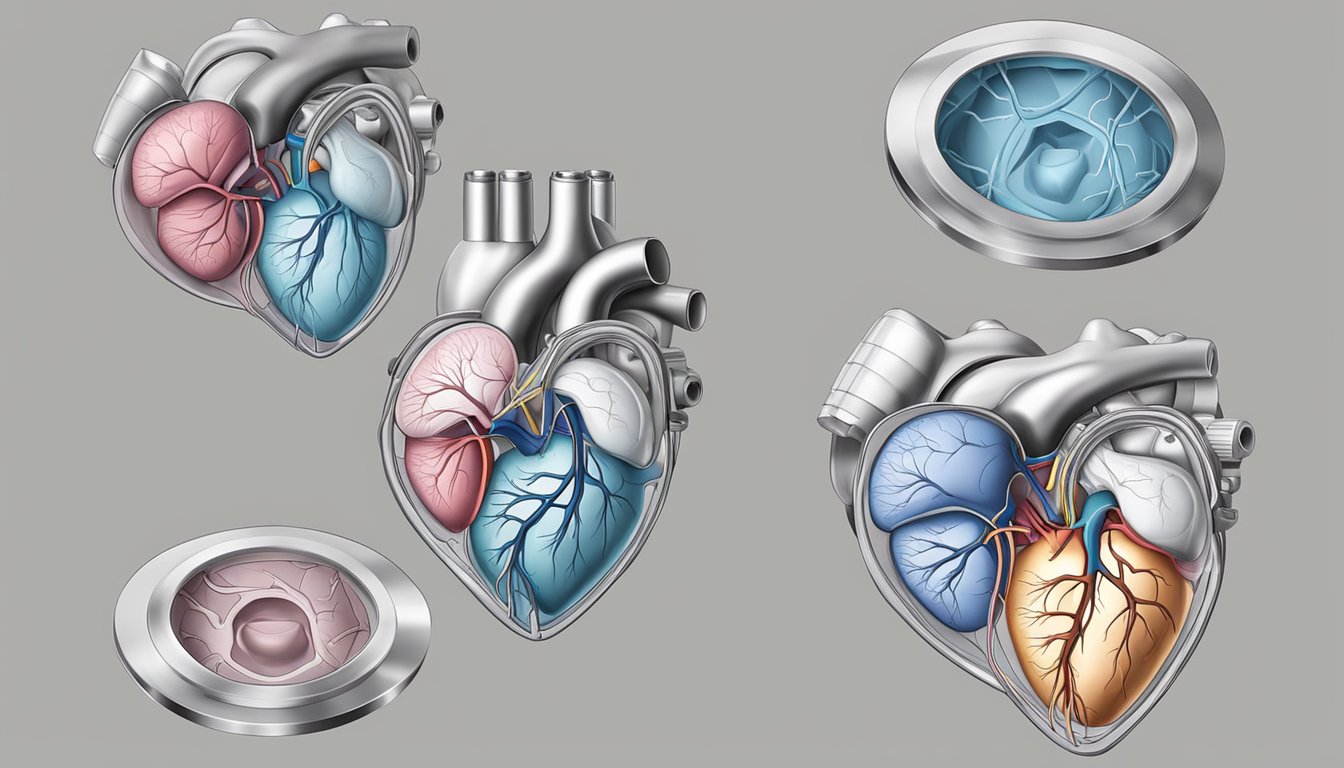
There are four heart valves in a healthy human heart. These are the aortic valve, the mitral valve, the tricuspid valve, and the pulmonic valve. Each valve has a specific function and is designed to open and close at the right time to keep blood flowing in the correct direction. As the heart beats, the valves open and close, creating the sound of a heartbeat.
Key Takeaways
- The human heart has four chambers and four valves.
- Each valve has a specific function and is designed to keep blood flowing in the correct direction.
- The heart valves play a crucial role in ensuring that blood flows through the heart and the rest of the body.
Anatomy of the Heart Valves
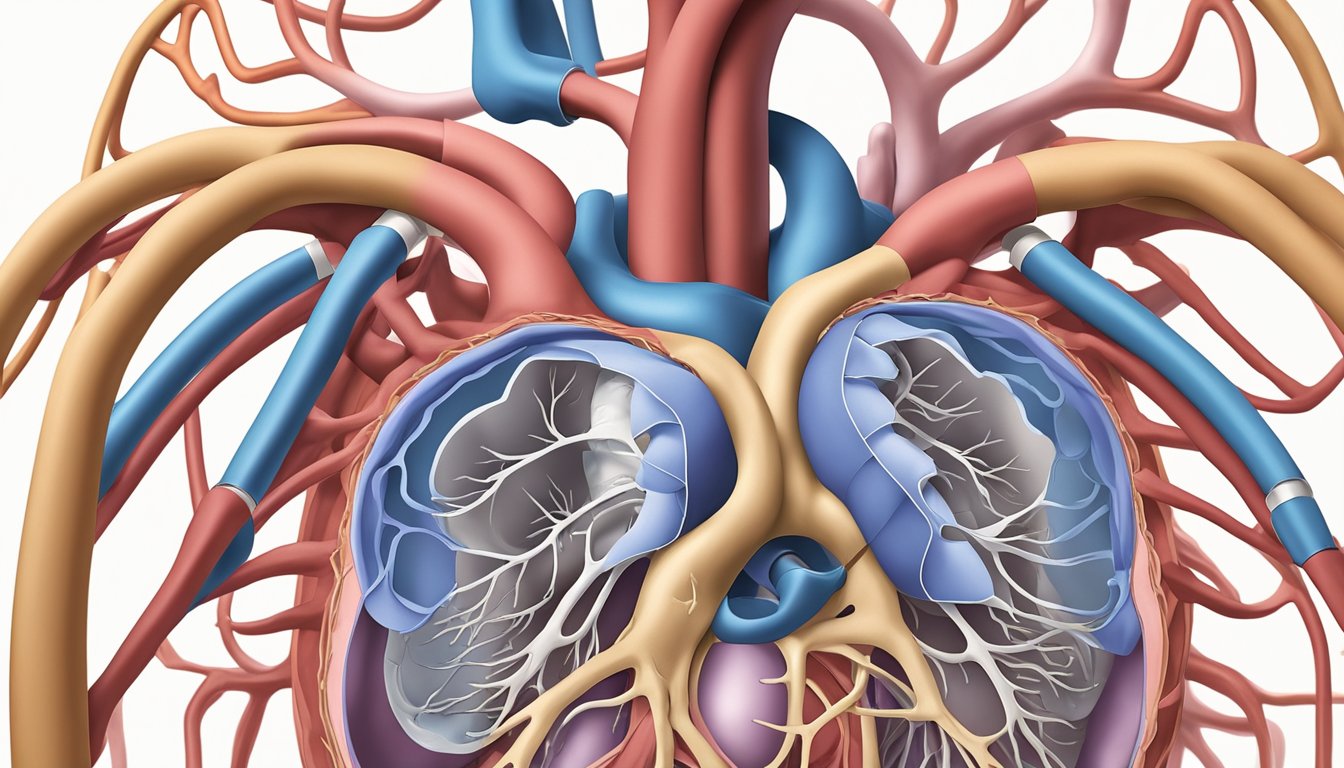
The heart is a vital organ that pumps blood throughout the body. It consists of four chambers: two atria and two ventricles. The heart valves play a crucial role in regulating the flow of blood through the heart. They ensure that blood flows in the correct direction and at the right time. The heart has two types of valves: atrioventricular valves and semilunar valves.
Atrioventricular Valves
The atrioventricular valves are located between the atria and ventricles. There are two atrioventricular valves: the mitral valve and the tricuspid valve. The mitral valve is located between the left atrium and left ventricle, while the tricuspid valve is located between the right atrium and right ventricle. The atrioventricular valves consist of cusps and connective tissue.
The mitral valve has two cusps and is also known as the bicuspid valve. The tricuspid valve has three cusps. The cusps are made of connective tissue and are anchored to the ventricular walls by chordae tendineae. The chordae tendineae are thin, strong strings that prevent the cusps from prolapsing into the atria during ventricular contraction.
Semilunar Valves
The semilunar valves are located between the ventricles and the arteries that carry blood away from the heart. There are two semilunar valves: the aortic valve and the pulmonary valve. The aortic valve is located between the left ventricle and the aorta, while the pulmonary valve is located between the right ventricle and the pulmonary artery.
The semilunar valves consist of three cusps that are shaped like half-moons. The cusps are made of connective tissue and are anchored to the arterial walls. The semilunar valves open during ventricular contraction and close when the ventricles relax. This prevents blood from flowing back into the ventricles.
In conclusion, the heart valves play a crucial role in regulating the flow of blood through the heart. The atrioventricular valves and semilunar valves ensure that blood flows in the correct direction and at the right time. It is important to note that any damage to the heart valves can lead to serious health problems. Therefore, it is essential to maintain a healthy lifestyle and seek medical attention if any symptoms arise.
Function and Blood Flow
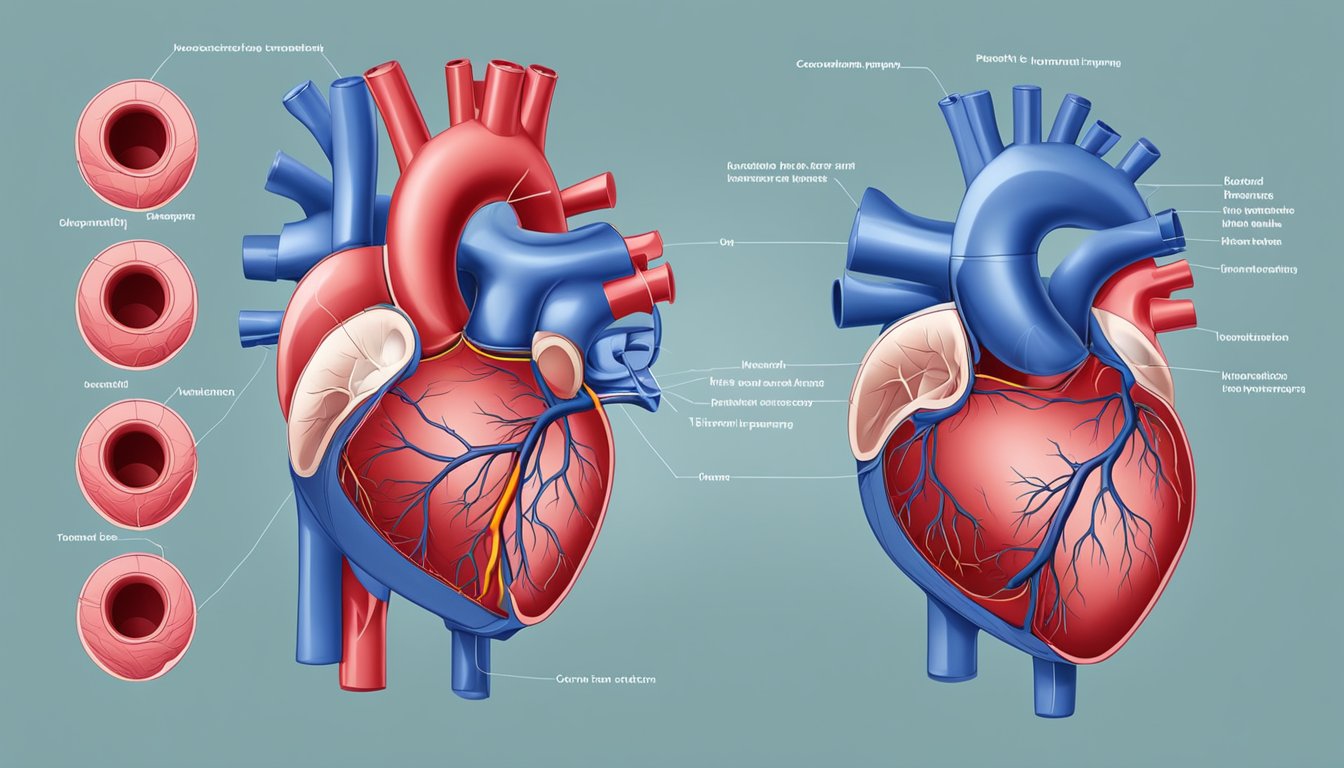
The heart is a vital organ that pumps blood throughout the body. It consists of four chambers, two atria and two ventricles, which work together to ensure that blood flows in the correct direction. The heart valves play a crucial role in this process, opening and closing to regulate blood flow.
Oxygenated and Deoxygenated Blood
The left ventricle receives oxygenated blood from the left atrium and pumps it into the aorta, which distributes it to the rest of the body. The right ventricle receives deoxygenated blood from the right atrium and pumps it into the pulmonary artery, which carries it to the lungs to be oxygenated.
Valve Operation During Cardiac Cycle
During the ventricular systole, the ventricles contract, and the pressure in the chambers increases. This forces the atrioventricular valves (mitral and tricuspid) to close, preventing blood from flowing back into the atria. At the same time, the semilunar valves (aortic and pulmonary) open, allowing blood to flow out of the ventricles.
During the diastole, the ventricles relax, and the pressure in the chambers decreases. This causes the semilunar valves to close, preventing blood from flowing back into the ventricles. At the same time, the atrioventricular valves open, allowing blood to flow from the atria into the ventricles.
It is essential to maintain proper blood flow through the heart to ensure that all organs and tissues receive adequate oxygen and nutrients. Any problems with the heart valves can disrupt this process, leading to various health issues. It is crucial to seek medical attention if any symptoms of heart valve problems occur, such as shortness of breath, chest pain, or fatigue.
Heart Valve Disorders
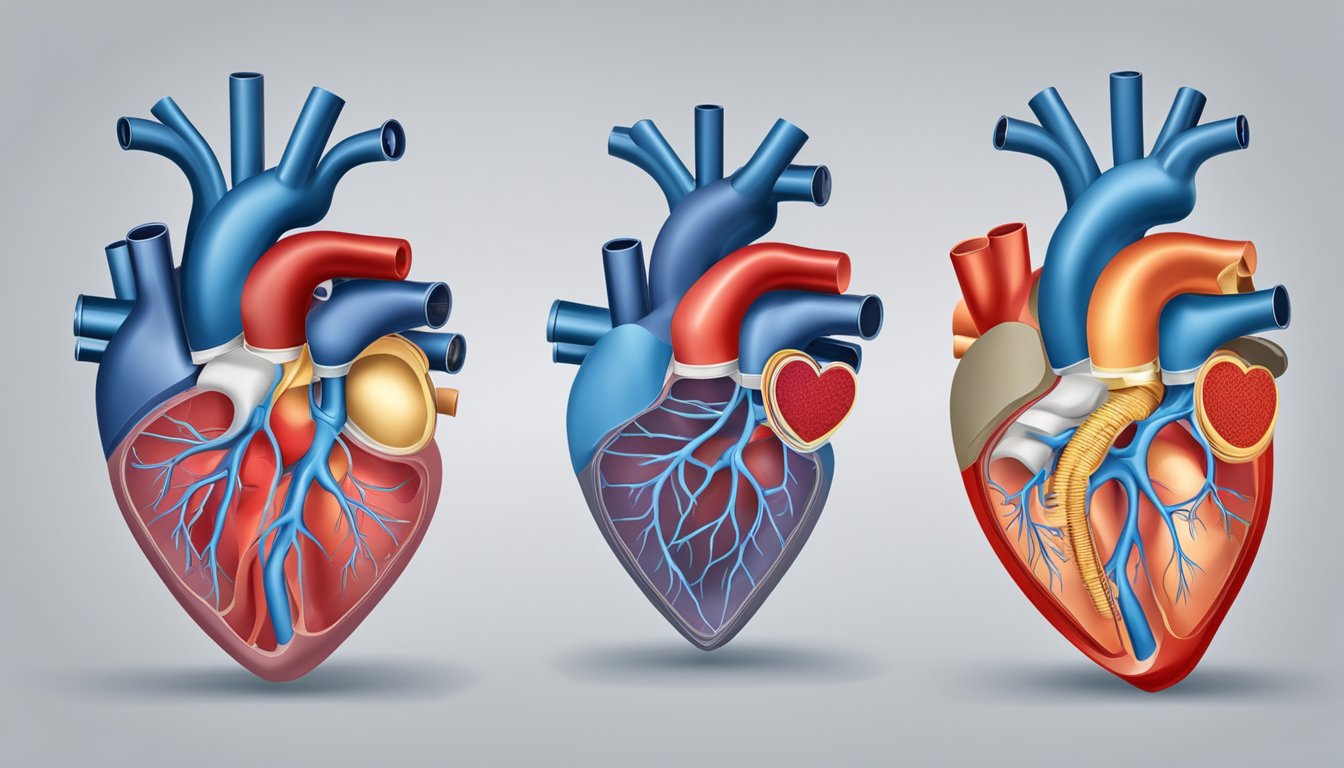
Heart valve disorders occur when the valves of the heart are not functioning properly. There are three main types of heart valve disorders: valvular stenosis, valvular regurgitation, and valve prolapse. Each type of disorder affects the heart valves in a different way.
Valvular Stenosis
Valvular stenosis is a condition where the valve does not open properly, which causes a reduction in blood flow through the heart. This can lead to symptoms such as chest pain, shortness of breath, fainting, and dizziness. Aortic stenosis is the most common type of valvular stenosis, which affects the aortic valve.
Valvular Regurgitation
Valvular regurgitation is a condition where the valve does not close properly, which allows blood to flow back into the heart. This can lead to symptoms such as shortness of breath, swelling, and heart murmur. Aortic regurgitation, mitral regurgitation, and tricuspid regurgitation are the most common types of valvular regurgitation.
Valve Prolapse
Valve prolapse is a condition where the valve does not close properly and bulges back into the atrium or ventricle. This can lead to symptoms such as chest pain, shortness of breath, and heart palpitations. Mitral valve prolapse is the most common type of valve prolapse.
It is important to note that not all valve conditions require treatment. However, if the condition is severe, it can lead to heart failure. Therefore, it is important to seek medical attention if any symptoms are present.
In summary, heart valve disorders can cause a range of symptoms and can affect any of the four valves of the heart. Valvular stenosis, valvular regurgitation, and valve prolapse are the three main types of heart valve disorders. If you experience any symptoms, it is important to seek medical attention to determine if treatment is necessary.
Treatment and Management
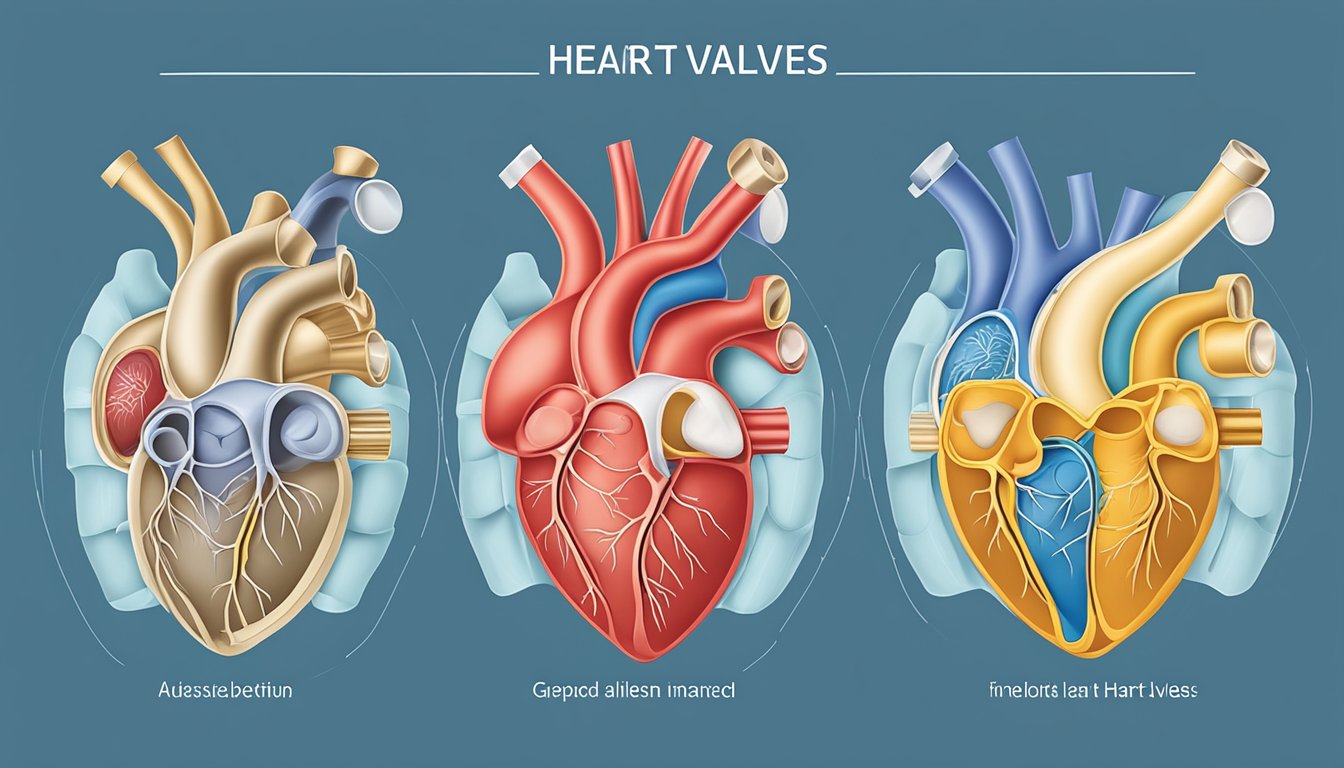
Heart valve disease is a serious condition that requires prompt treatment. The treatment plan will depend on the underlying cause, the severity of the condition, and the patient’s overall health. Treatment and management of heart valve disease may include medical procedures, lifestyle changes, and medication.
Medical Procedures
In some cases, medical procedures may be necessary to treat heart valve disease. These procedures may include valve replacement or valve repair. Valve replacement involves removing the damaged valve and replacing it with a new one. Valve repair involves repairing the damaged valve to improve its function.
Surgery may be recommended in cases where the heart valve problem is severe or if the patient is experiencing symptoms such as shortness of breath, chest pain, or fainting. The American Heart Association recommends that patients with heart valve disease should be evaluated by a heart specialist to determine the best course of treatment.
Lifestyle and Medication
Lifestyle changes can also help manage heart valve disease. Patients should aim to maintain a healthy weight, exercise regularly, and eat a healthy diet. It is also important to manage underlying conditions such as diabetes and congenital heart disease, which can contribute to heart valve disease.
Medications may also be prescribed to manage symptoms and prevent complications. These medications may include diuretics to reduce fluid buildup, anticoagulants to prevent blood clots, and medications to control blood pressure. Patients should always follow their doctor’s instructions when taking medication.
It is important to note that heart valve disease can increase the risk of stroke and other complications. Patients should be aware of the signs and symptoms of stroke and seek immediate medical attention if they experience any of these symptoms.
In conclusion, heart valve disease is a serious condition that requires prompt treatment. Treatment and management may include medical procedures, lifestyle changes, and medication. Patients with heart valve disease should work closely with their healthcare provider to determine the best course of treatment and to manage their condition effectively.
Getting assessed in Singapore
In Singapore, cardiology is provided in both the public and private sectors. Public heart services are concentrated at the National Heart Centre Singapore and the cardiology departments of the restructured hospitals, while private cardiologists practise from medical centres attached to private hospitals. A GP or polyclinic can arrange a referral, or a private clinic can be contacted directly.
For the practical side of this, echocardiography and TAVI are described in detail, alongside the full range of cardiac services.
Frequently Asked Questions
What are the primary functions of the four heart valves?
The four heart valves, namely the aortic valve, mitral valve, pulmonary valve, and tricuspid valve, have the primary function of regulating the flow of blood through the heart. The valves open and close in a coordinated manner to ensure that blood flows in the correct direction, preventing backflow and ensuring that the heart can pump blood efficiently.
Which types of valves are present in the human heart?
There are two types of valves present in the human heart: atrioventricular valves and semilunar valves. The atrioventricular valves, which include the tricuspid and mitral valves, regulate blood flow between the atria and ventricles. The semilunar valves, which include the aortic and pulmonary valves, regulate blood flow between the ventricles and the rest of the body.
What is the significance of the tricuspid and bicuspid valves?
The tricuspid and bicuspid valves, also known as the mitral valve, are the atrioventricular valves that regulate blood flow between the atria and ventricles. The tricuspid valve is located on the right side of the heart, while the bicuspid valve is located on the left side of the heart. These valves are crucial in preventing backflow of blood and ensuring that blood flows in the correct direction.
How do the semilunar valves operate within the cardiac cycle?
The semilunar valves, which include the aortic and pulmonary valves, regulate blood flow between the ventricles and the rest of the body. These valves open when the ventricles contract, allowing blood to be pumped out of the heart. When the ventricles relax, the valves close, preventing backflow of blood into the ventricles.
Which valve is considered the most vital for heart functionality?
All four heart valves are crucial for proper heart functionality. However, the aortic valve is considered to be the most vital as it regulates blood flow from the heart to the rest of the body. Any dysfunction or damage to this valve can result in serious health complications.
Is it possible to undergo replacement of multiple heart valves?
Yes, it is possible to undergo replacement of multiple heart valves. This is typically done in cases where multiple valves are damaged or dysfunctional. However, this is a complex surgical procedure that carries significant risks and should only be considered when necessary. Patients should consult with their healthcare provider to determine the best course of action.
Further reading
- National Heart Centre Singapore — Conditions & Treatments
- SingHealth — Conditions & Treatments
- HealthHub — Cardiovascular Disease
Disclaimer: This article is general information about cardiovascular health. It is not medical advice, diagnosis or treatment, and reading it does not create a doctor–patient relationship. Always seek the advice of your doctor or another qualified health professional with any questions you have about a medical condition, and never disregard or delay seeking medical advice because of something you have read here. If you think you may be having a medical emergency, call 995 or go to the nearest emergency department.