

Heart stents are tiny wire mesh tubes that are used to prop open arteries that have become narrowed or blocked due to the buildup of plaque. This buildup of plaque can lead to a heart attack or stroke if left untreated. Heart stents are often used in conjunction with angioplasty, a procedure in which a balloon is used to widen the artery and improve blood flow.
Understanding heart stents is important for anyone who has been diagnosed with coronary artery disease or who is at risk for a heart attack or stroke. Heart stents are a minimally invasive way to improve blood flow to the heart and reduce the risk of further complications. However, not everyone is a candidate for this procedure, and there are certain risks and contraindications that must be considered.
Indications and contraindications for heart stents vary depending on the individual patient and the severity of their condition. Post-operative care and recovery are also important factors to consider, as well as medication and follow-up appointments with a healthcare provider. Frequently asked questions about heart stents may include topics such as how long the stent will last, what types of activities are safe after the procedure, and whether or not the patient will need to continue taking medication.
Key Takeaways
- Heart stents are used to prop open arteries that have become narrowed or blocked due to plaque buildup.
- Indications and contraindications for heart stents vary depending on the individual patient and their condition.
- Post-operative care and recovery, medication, and follow-up appointments are important for patients who have undergone heart stent procedures.
Understanding Heart Stents
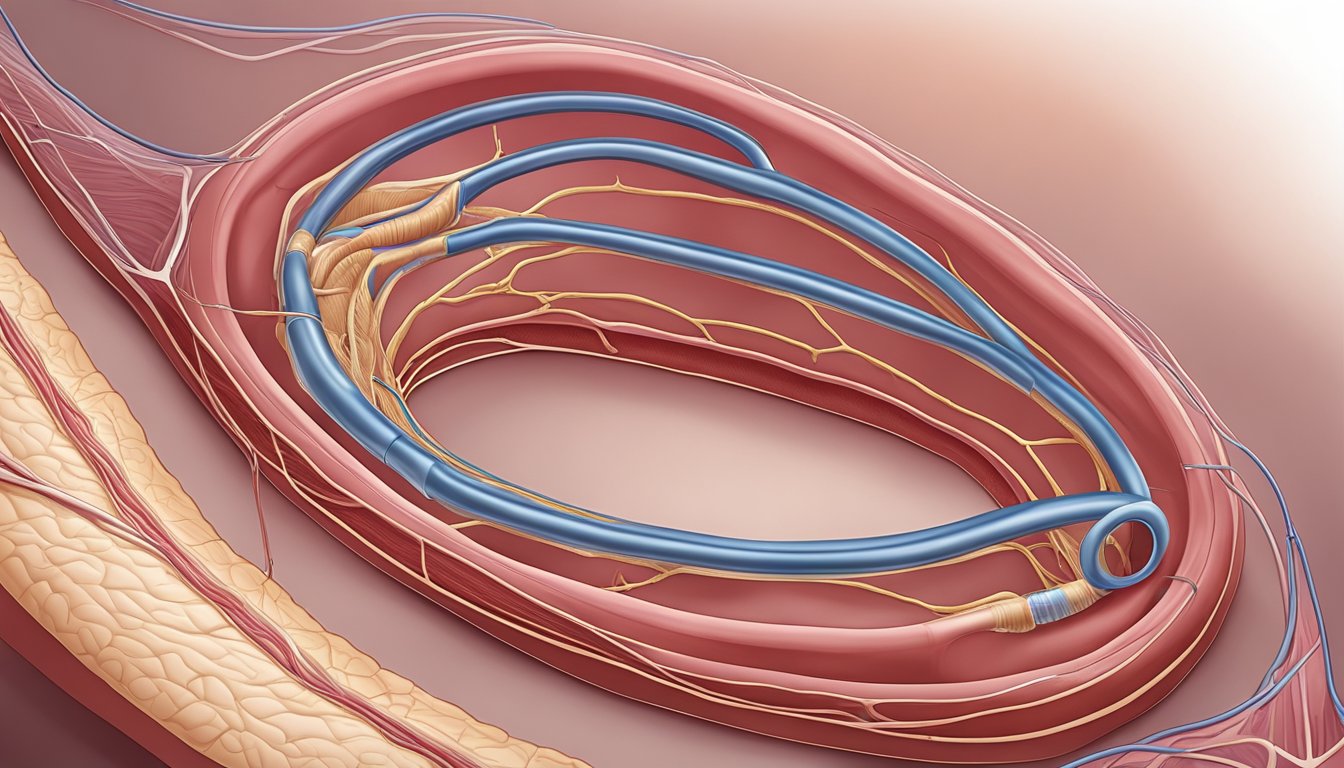
Heart stents are small wire or metal mesh tubes that are used to prop open narrowed or blocked coronary arteries. The coronary arteries supply oxygen-rich blood to the heart muscle, and when they become narrowed or blocked, it can lead to chest pain, shortness of breath, and even heart attack.
Types of Stents
There are two main types of heart stents: bare metal stents and drug-eluting stents. Bare metal stents are made of metal wire mesh and are used to keep the artery open after it has been widened with a balloon catheter. Drug-eluting stents, on the other hand, are coated with a medication that helps prevent the artery from becoming narrow again.
Stent Placement Procedure
The stent placement procedure, also known as angioplasty, involves threading a catheter through an artery in the groin or arm and guiding it to the blocked coronary artery. A balloon at the end of the catheter is inflated to widen the artery, and then the stent is placed to keep the artery open. The procedure is typically done under local anaesthesia and takes about an hour to complete.
Benefits of Heart Stents
Heart stents can help improve blood flow to the heart and relieve symptoms such as chest pain. They can also reduce the risk of heart attack and other complications associated with narrowed or blocked coronary arteries. However, it’s important to note that stents are not a cure for heart disease and may not be appropriate for everyone. Patients should discuss the risks and benefits of stent placement with their doctor to determine if it’s the right treatment option for them.
In conclusion, heart stents are an important tool in the treatment of coronary artery disease. They can help improve blood flow to the heart and relieve symptoms, but they are not a cure for heart disease. Patients should discuss the risks and benefits of stent placement with their doctor to determine if it’s the right treatment option for them.
Indications and Contraindications
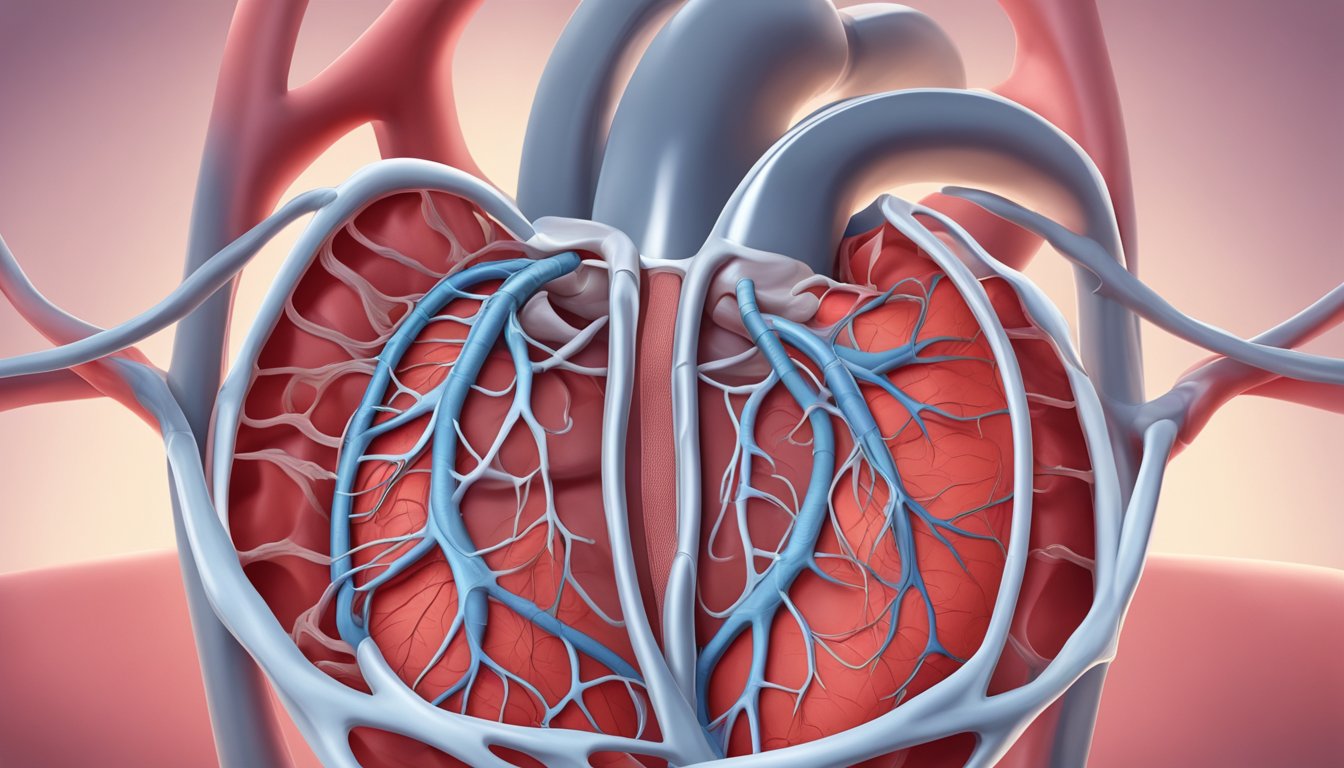
When Are Stents Necessary?
Stents are tiny mesh tubes that are inserted into narrowed or blocked arteries to help keep them open. They are typically used to treat chest pain caused by blocked arteries, which can lead to a heart attack if left untreated. Stents are often recommended when other treatments, such as medication or lifestyle changes, have not been effective.
Stents are typically used to treat blocked arteries in the heart, but they can also be used to treat blocked arteries in other parts of the body. In some cases, stents may be used to treat arteries that have become narrowed or blocked due to an injury or other medical condition.
Potential Risks and Complications
While stents can be an effective treatment for blocked arteries, they are not without risks. Some potential risks and complications of stent placement include bleeding, clotting, and restenosis (re-narrowing of the artery).
Bleeding is a potential risk during the stent placement procedure. In some cases, bleeding may occur at the site where the catheter was inserted, or it may occur inside the body. If bleeding occurs, it may be necessary to stop the procedure and take steps to control the bleeding.
Clotting is another potential complication of stent placement. If a blood clot forms inside the stent, it can block blood flow to the heart or other parts of the body. To reduce the risk of clotting, patients may be prescribed medication to thin their blood.
Restenosis is the re-narrowing of the artery after stent placement. This can occur if scar tissue forms around the stent, causing it to become blocked again. To reduce the risk of restenosis, patients may be prescribed medication or undergo additional procedures to keep the artery open.
It is important to note that stent placement is not appropriate for all patients. Patients with certain medical conditions, such as bleeding disorders or severe kidney disease, may not be good candidates for stent placement. Additionally, stent placement may not be effective in all cases, and some patients may require additional procedures or treatments to manage their blocked arteries. Patients should discuss the potential risks and benefits of stent placement with their healthcare provider to determine if it is the right treatment option for them.
Post-Operative Care and Recovery

Immediate Aftercare
After a heart stent procedure, immediate aftercare is essential to ensure a smooth recovery. Patients are usually monitored for a few hours after the procedure to check for any signs of complications. The patient may be discharged on the same day or may need to stay in the hospital for a day or two, depending on their condition.
Patients are typically prescribed blood thinners, such as aspirin, clopidogrel, or ticagrelor, to prevent blood clots from forming around the stent. It is essential to take these medications as prescribed by the doctor to reduce the risk of complications.
The patient should avoid any strenuous activity or heavy lifting for a few days after the procedure. They should also avoid driving or operating machinery for at least 24 hours after the procedure, as the sedative used during the procedure can affect their reflexes.
Long-Term Recovery and Lifestyle Changes
Long-term recovery after a heart stent procedure involves making some lifestyle changes to reduce the risk of future heart problems. Patients are advised to quit smoking, eat a healthy diet, and exercise regularly. It is also essential to manage any underlying health conditions, such as high blood pressure or diabetes.
Patients are usually advised to continue taking blood thinners for a few months after the procedure, as recommended by their doctor. It is important to take these medications as prescribed and not to stop taking them without consulting the doctor.
Regular follow-up appointments with the doctor are necessary to monitor the patient’s progress and make any necessary adjustments to their medications or lifestyle changes.
In conclusion, post-operative care and recovery after a heart stent procedure are crucial for a successful outcome. Patients must follow their doctor’s instructions carefully, take their medications as prescribed, make necessary lifestyle changes, and attend regular follow-up appointments to ensure a smooth recovery.
Medication and Follow-Up
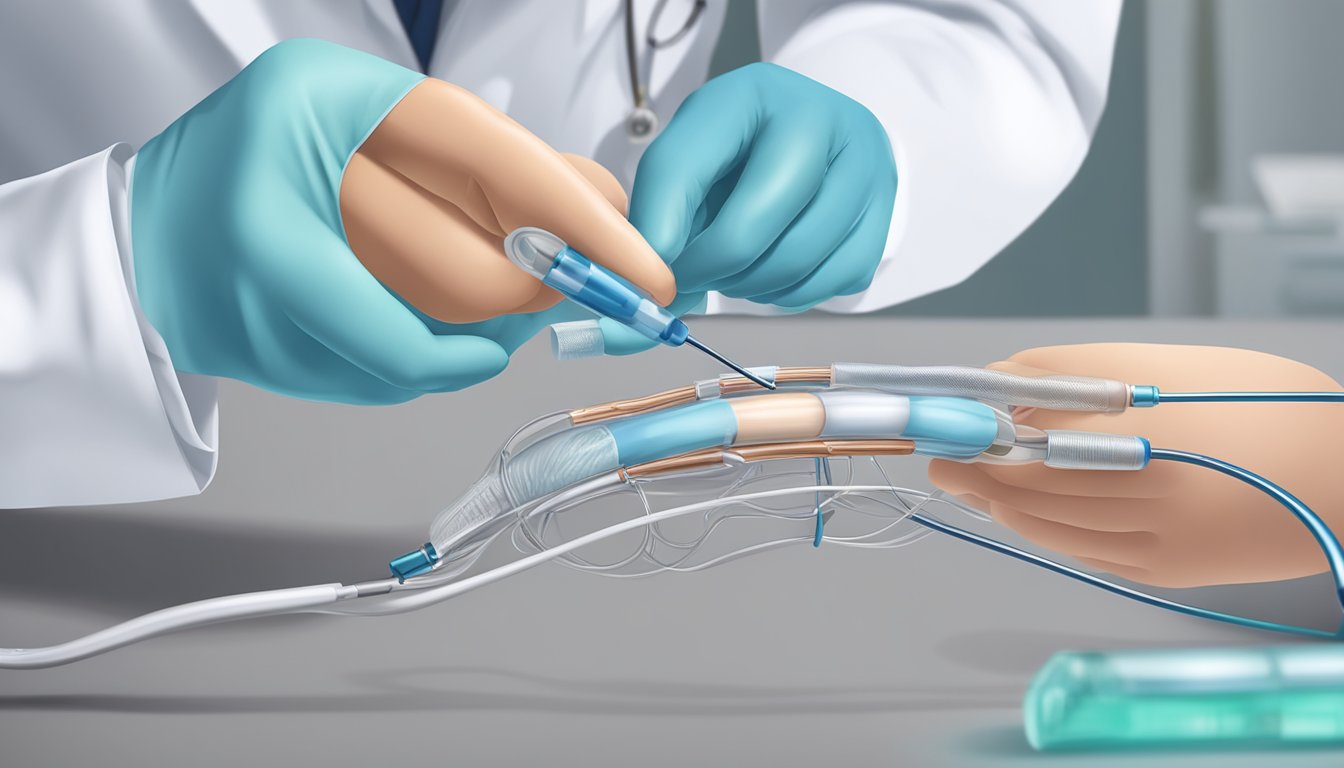
Antiplatelet Medications
After a heart stent procedure, the patient will need to take antiplatelet medications. These medications help prevent blood clots from forming on the stent and blocking the artery. The most commonly prescribed antiplatelet medication is aspirin. In some cases, a second antiplatelet medication, such as clopidogrel, may also be prescribed.
It is important to take these medications exactly as prescribed by the healthcare team. Missing doses or stopping the medication without consulting the healthcare team can increase the risk of blood clots forming on the stent.
Monitoring and Ongoing Care
After a heart stent procedure, the patient will need ongoing care and monitoring to ensure the stent is functioning properly and to prevent complications. The healthcare team will schedule follow-up appointments to monitor the patient’s progress and adjust their treatment plan as needed.
During these follow-up appointments, the healthcare team will check the patient’s blood pressure, cholesterol levels, and other vital signs. They may also perform additional tests, such as an electrocardiogram (ECG) or stress test, to monitor the heart’s function.
To ensure the best possible outcome, it is important for the patient to follow their healthcare team’s instructions and make any necessary lifestyle changes, such as quitting smoking or adopting a heart-healthy diet.
In some cases, the healthcare team may also prescribe medications to help manage high blood pressure or high cholesterol levels. Statins, for example, are a type of medication used to lower cholesterol levels and reduce the risk of heart attack and stroke.
It is important for the patient to work closely with their healthcare team to manage their medication and make any necessary lifestyle changes. With proper care and monitoring, most patients can expect a successful recovery from a heart stent procedure.
Getting assessed in Singapore
In Singapore, ongoing cardiovascular management is shared between primary care and cardiology. Many people have blood pressure, cholesterol and diabetes reviewed by a GP or polyclinic, with specialist input where a cardiac problem is suspected or already diagnosed. Referral can be arranged through primary care, or a private clinic can be contacted directly.
Readers looking into this next usually want to know about coronary angiography and stenting or cholesterol and blood pressure management; the clinic directly is also listed.
Frequently Asked Questions
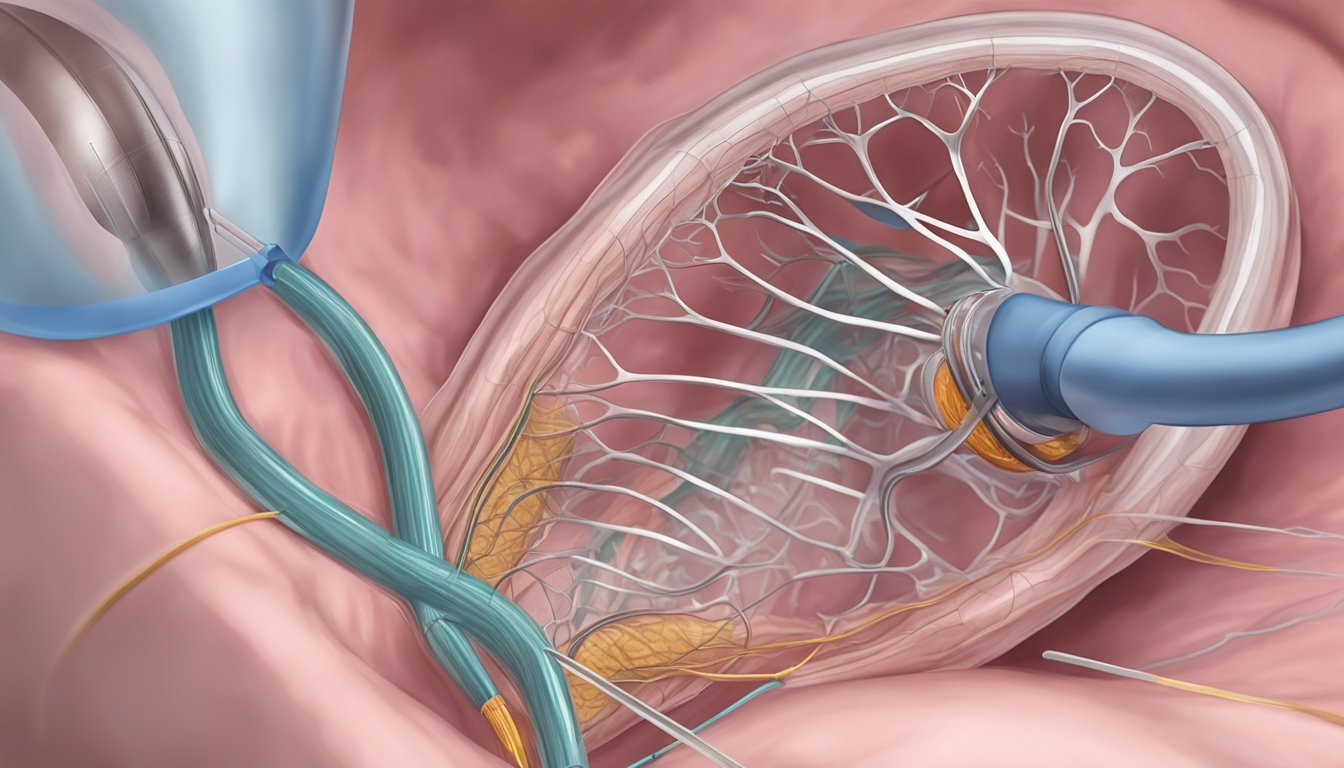
What precautions should one take after undergoing stent insertion?
After undergoing a stent insertion, patients should take the necessary precautions to ensure a smooth recovery. They should avoid strenuous activities, lifting heavy objects, and driving for at least a week. Patients should also avoid smoking and limit their alcohol intake. It is important to follow the doctor’s instructions regarding medication, diet, and exercise.
What is the typical recovery duration following a stent procedure?
The typical recovery duration following a stent procedure varies from patient to patient. However, most patients are able to return to their normal activities within a week. Patients should continue to follow the doctor’s instructions regarding medication, diet, and exercise to ensure a smooth recovery.
How does the life expectancy of a patient change after stent placement?
Stent placement can improve the quality of life for patients with blocked arteries. It can also reduce the risk of heart attack and other complications. However, it is important to note that stent placement does not guarantee a longer life expectancy. Patients should continue to follow a healthy lifestyle, take medication as prescribed, and attend regular follow-up appointments with their doctor.
What are the risks associated with undergoing a stent insertion procedure?
Like any medical procedure, stent insertion comes with a certain degree of risk. The risks associated with stent insertion include bleeding, infection, allergic reaction to medication, and damage to the artery. Patients should discuss the risks and benefits of stent insertion with their doctor before undergoing the procedure.
What potential side effects should be anticipated after a heart stent is fitted?
After a heart stent is fitted, patients may experience some side effects. These may include bruising, swelling, and tenderness at the site of the insertion. Patients may also experience chest pain or discomfort, shortness of breath, or fatigue. These side effects usually subside within a few days. However, patients should contact their doctor if they experience any severe or persistent symptoms.
How long is the hospital stay following the placement of a stent?
The length of hospital stay following stent placement varies depending on the patient’s condition and the type of stent used. In most cases, patients are able to return home within 24 hours of the procedure. However, some patients may need to stay in the hospital for a few days for observation. Patients should discuss the expected length of hospital stay with their doctor before the procedure.
Please note that the information provided is for educational purposes only and should not be taken as medical advice. Patients should consult their doctor for personalised medical advice.
Further reading
- HealthHub — Cholesterol and Heart Disease
- HealthHub — Hyperlipidemia
- HealthHub — Cardiovascular Disease
Disclaimer: This article is general information about cardiovascular health. It is not medical advice, diagnosis or treatment, and reading it does not create a doctor–patient relationship. Always seek the advice of your doctor or another qualified health professional with any questions you have about a medical condition, and never disregard or delay seeking medical advice because of something you have read here. If you think you may be having a medical emergency, call 995 or go to the nearest emergency department.