

Exercise after angioplasty heart surgery is an important aspect of recovery for patients. Angioplasty is a surgical procedure that is used to open blocked or narrowed arteries to improve blood flow to the heart. It is a minimally invasive procedure that is performed under local anaesthetic. After the procedure, patients are advised to take it easy for a few days to allow their body to recover.
Once patients have been cleared by their doctor to begin exercising, it is important that they take the necessary precautions to ensure their safety. Patients should begin with low-intensity exercises, such as walking, and gradually increase the intensity and duration of their workouts. It is also important to listen to the body and stop exercising if any discomfort or pain is experienced. Patients should also avoid lifting heavy weights or doing strenuous activities for at least 24 hours after the procedure.
Initiating cardiac rehabilitation is an important step towards developing a safe exercise routine post-angioplasty heart surgery. Cardiac rehabilitation is a program that is designed to help patients recover from heart surgery and improve their overall heart health. The program typically includes exercise training, education on heart-healthy lifestyle habits, and emotional support. Patients who participate in cardiac rehabilitation have been shown to have better outcomes and a reduced risk of future heart problems.
Key Takeaways
- Patients should take it easy for a few days after angioplasty heart surgery before beginning to exercise.
- Patients should start with low-intensity exercises and gradually increase the intensity and duration of their workouts.
- Initiating cardiac rehabilitation is an important step towards developing a safe exercise routine post-angioplasty heart surgery.
Preparing for Exercise Post-Angioplasty

Understanding Angioplasty and Recovery
Angioplasty is a minimally invasive procedure used to widen blocked or narrowed arteries. Recovery from angioplasty can vary from person to person and depends on various factors such as age, overall health, and the severity of the blockage. It is important to note that exercise is an essential part of the recovery process after angioplasty. However, it is important to consult with a cardiologist before starting any exercise routine.
Consulting Your Cardiologist
Before starting any exercise routine, it is important to consult with a cardiologist. This is because the cardiologist will be able to assess the individual’s overall health and determine the best exercise routine for them. The cardiologist may also prescribe medications such as aspirin, beta-blockers or ACE inhibitors to help manage the individual’s condition.
During the consultation, the cardiologist will also provide guidelines on how to exercise safely after angioplasty. It is important to follow these guidelines to avoid any complications. For instance, the cardiologist may recommend starting with low-intensity exercises such as walking and gradually increasing the intensity over time.
It is also important to note that cardiac rehabilitation may be recommended after angioplasty. This is a supervised exercise programme that is designed to help individuals recover from heart surgery. The programme is usually conducted in a hospital or a rehabilitation centre and is overseen by a team of healthcare professionals including doctors, nurses and physiotherapists.
In conclusion, exercise is an essential part of the recovery process after angioplasty. However, it is important to consult with a cardiologist before starting any exercise routine. It is also important to follow the guidelines provided by the cardiologist to avoid any complications. Finally, cardiac rehabilitation may be recommended after angioplasty to help individuals recover from heart surgery.
Initiating Cardiac Rehabilitation
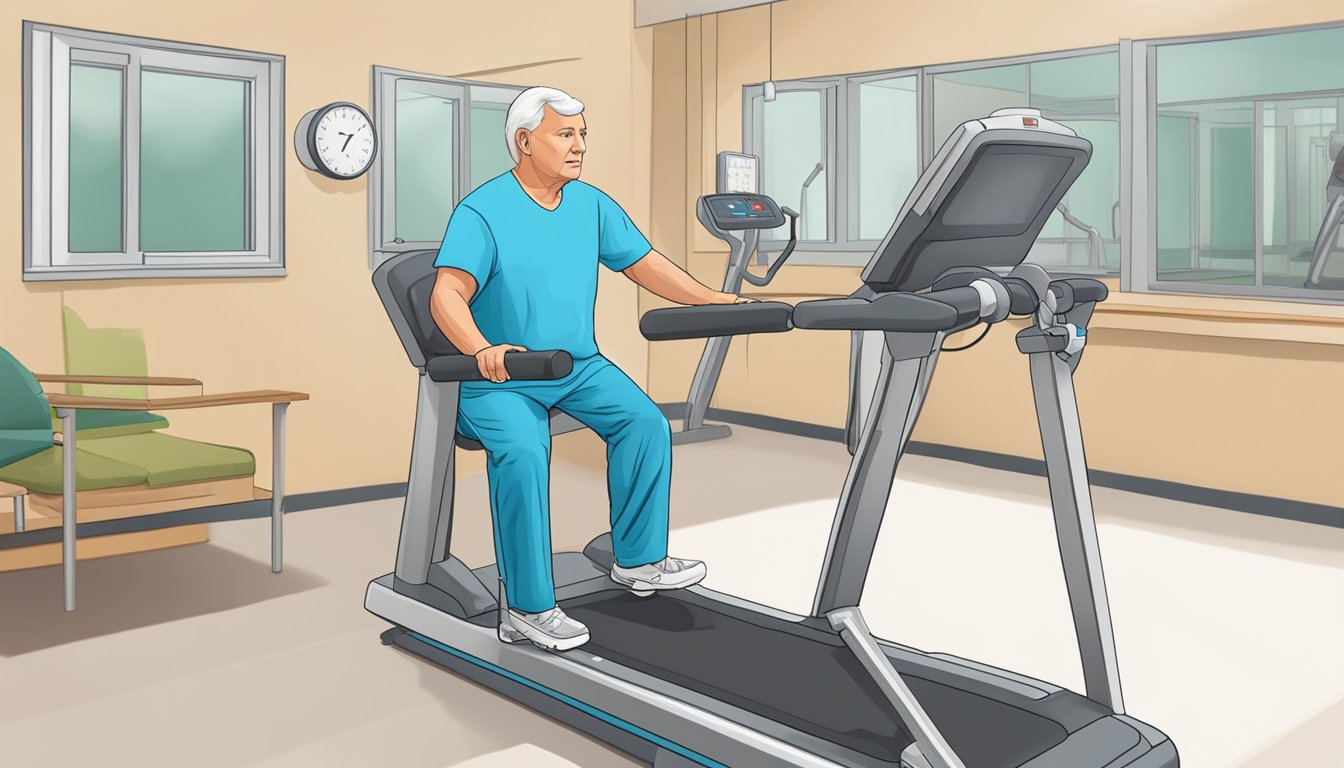
Cardiac rehabilitation is an essential part of the recovery process for patients who have undergone angioplasty heart surgery. The goal of cardiac rehabilitation is to improve the patient’s overall health and well-being by providing a structured exercise program that is tailored to their specific needs.
The Role of Cardiac Rehab Programmes
Cardiac rehab programs are designed to help patients recover from heart surgery and improve their overall health. These programs typically include exercise training, education on heart-healthy lifestyle changes, and support from healthcare professionals. The exercise program is typically a combination of aerobic and resistance training, which is designed to improve cardiovascular fitness, muscle strength, and endurance.
Assessing Heart Function and Risks
Before starting a cardiac rehab program, the patient’s heart function and risks must be assessed. This assessment is typically done through an exercise stress test, which measures the patient’s heart rate, blood pressure, and oxygen consumption during exercise. Based on the results of this test, the healthcare team can determine the appropriate exercise program for the patient.
It is important to note that cardiac rehab programs are not suitable for all patients. Patients with severe heart failure or other serious medical conditions may not be able to participate in a cardiac rehab program. Additionally, patients who have not fully recovered from their surgery may need to delay starting the program until they are more stable.
In summary, cardiac rehabilitation is an essential component of the recovery process for patients who have undergone angioplasty heart surgery. A structured exercise program, tailored to the patient’s specific needs, can help improve cardiovascular fitness, muscle strength, and endurance. However, it is important to assess the patient’s heart function and risks before starting the program to ensure that it is safe and appropriate for them.
Developing a Safe Exercise Routine

After angioplasty heart surgery, developing a safe exercise routine is crucial for a successful recovery. Incorporating aerobic and resistance training, monitoring intensity and heart rate, and setting realistic goals are all important factors to consider when developing a safe exercise routine.
Incorporating Aerobic and Resistance Training
Aerobic exercise, such as walking, cycling, swimming, or rowing, is an effective way to improve cardiovascular health. Resistance training, such as weight training, can help improve muscle strength and endurance. Incorporating both types of exercises into a routine can help achieve a well-rounded workout.
It is important to start slowly and gradually increase the intensity and duration of exercise. A treadmill or stationary bike may be useful for monitoring progress and gradually increasing intensity.
Monitoring Intensity and Heart Rate
Monitoring intensity and heart rate during exercise is important to ensure that it is safe and effective. A heart rate monitor can help track heart rate and ensure that it stays within a safe range. It is recommended to keep heart rate at around 50-70% of maximum heart rate during exercise.
It is also important to listen to the body and stop exercising if there is any discomfort or pain. Consulting with a healthcare professional before starting any exercise routine is recommended.
Setting Realistic Goals
Setting realistic goals is important for long-term success. Goals should be specific, measurable, achievable, relevant, and time-bound. For example, a goal could be to walk for 20 minutes, three times a week for the next month.
It is important to remember that recovery after angioplasty heart surgery is a gradual process and progress may be slow. Setting realistic goals can help maintain motivation and ensure that progress is made in a safe and effective manner.
Overall, developing a safe exercise routine after angioplasty heart surgery is important for a successful recovery. Incorporating aerobic and resistance training, monitoring intensity and heart rate, and setting realistic goals can help achieve a well-rounded and effective workout routine. It is important to consult with a healthcare professional before starting any exercise routine and to listen to the body during exercise.
Lifestyle Considerations and Long-Term Heart Health

After angioplasty heart surgery, it is crucial to adopt a heart-healthy lifestyle to ensure a successful recovery and long-term heart health. This section will discuss two main areas of lifestyle changes: managing weight and blood pressure and adopting healthy habits.
Managing Weight and Blood Pressure
Maintaining a healthy weight and blood pressure is essential for optimal heart health. Obesity and high blood pressure are major risk factors for heart disease and can lead to complications after angioplasty. Patients should aim to maintain a healthy weight through a balanced diet and regular exercise.
According to research, regular physical activity can help lower blood pressure and reduce the risk of heart disease. Patients should aim to exercise for at least 30 minutes a day, five days a week. However, it is essential to consult with a doctor or a cardiac rehabilitation specialist before starting any exercise program after angioplasty.
Adopting Healthy Habits
In addition to managing weight and blood pressure, adopting healthy habits can help improve overall heart health. Quitting smoking is one of the most effective ways to reduce the risk of heart disease. Smoking can damage the blood vessels and increase the risk of complications after angioplasty.
Patients should also aim to adopt a heart-healthy diet rich in fruits, vegetables, whole grains, and lean proteins. Reducing the intake of saturated and trans fats, sodium, and added sugars can help lower cholesterol levels and reduce the risk of heart disease.
In conclusion, adopting a heart-healthy lifestyle is crucial for long-term heart health after angioplasty heart surgery. Patients should aim to manage their weight and blood pressure through regular exercise and a balanced diet. Adopting healthy habits such as quitting smoking can also help reduce the risk of heart disease. However, it is essential to consult with a doctor or a cardiac rehabilitation specialist before starting any exercise or diet program after angioplasty.
Getting assessed in Singapore
In Singapore, cardiology is provided in both the public and private sectors. Public heart services are concentrated at the National Heart Centre Singapore and the cardiology departments of the restructured hospitals, while private cardiologists practise from medical centres attached to private hospitals. A GP or polyclinic can arrange a referral, or a private clinic can be contacted directly.
To understand what an assessment would actually involve, see coronary angiography and stenting and assessment and referral for open heart surgery, or look through the screening packages available.
This sits alongside preventive cardiology for active people.
Frequently Asked Questions

How soon is it permissible to commence physical activity following an angioplasty procedure?
Patients who have undergone angioplasty should consult their healthcare provider before engaging in any form of physical activity. Generally, patients are advised to start with light activities such as walking as soon as they feel comfortable. As per the British Heart Foundation, patients can aim for a 30-minute walk most days of the week. However, it is essential to follow the specific recommendations of the healthcare provider.
What forms of physical exercise are recommended for patients who have undergone stent implantation?
Patients who have undergone stent implantation are advised to engage in moderate-intensity aerobic exercise, such as brisk walking, cycling, or swimming. Resistance training can also be included in the exercise routine to improve muscle strength and endurance. However, it is crucial to consult with a healthcare provider before beginning any new exercise regimen.
Are there specific exercises that ought to be avoided post-angioplasty?
Patients who have undergone angioplasty should avoid high-intensity exercises such as weightlifting, running, or contact sports for a few weeks. It is also recommended to avoid exercises that involve sudden, jerky movements or those that cause discomfort or pain.
What is the optimal duration for exercise after experiencing a heart attack and receiving stent placement?
The optimal duration for exercise after experiencing a heart attack and receiving stent placement varies from patient to patient. However, the British Heart Foundation recommends at least 2.5 hours of moderate-intensity aerobic exercise per week. Patients are advised to consult their healthcare provider to determine the optimal duration and intensity of exercise.
How can one enhance cardiac strength subsequent to an angioplasty?
Patients can enhance cardiac strength by following a regular exercise regimen that includes aerobic and resistance training. A healthy diet, stress management techniques, and avoiding smoking can also help improve cardiac strength. However, it is essential to consult with a healthcare provider before beginning any new exercise regimen.
What is the significance of ambulation subsequent to cardiac surgery?
Ambulation, or walking, is crucial after cardiac surgery as it helps prevent blood clots, pneumonia, and other complications. Walking also helps improve blood circulation and oxygenation, which aids in the healing process. Patients are advised to start with short walks and gradually increase the duration and intensity as per the recommendations of their healthcare provider.
Note: The information provided is for educational purposes only and should not be considered medical advice. Patients are advised to consult with their healthcare provider before beginning any exercise regimen.
Further reading
- National Heart Centre Singapore — Conditions & Treatments
- SingHealth — Conditions & Treatments
- European Society of Cardiology — Clinical Practice Guidelines
Disclaimer: This article is general information about cardiovascular health. It is not medical advice, diagnosis or treatment, and reading it does not create a doctor–patient relationship. Always seek the advice of your doctor or another qualified health professional with any questions you have about a medical condition, and never disregard or delay seeking medical advice because of something you have read here. If you think you may be having a medical emergency, call 995 or go to the nearest emergency department.