

Heart pacemaker surgery is a surgical procedure that involves the implantation of a small device, known as a pacemaker, into the chest to regulate the heartbeat. The pacemaker is a battery-operated device that sends electrical impulses to the heart muscle to help it beat regularly. This surgery is typically recommended for patients with arrhythmias or other heart conditions that affect the heart’s rhythm.
Understanding pacemakers and their function is crucial before undergoing heart pacemaker surgery. Pacemakers are designed to monitor the heart’s rhythm and provide electrical stimulation when necessary. They can also be programmed to adjust the heart rate based on the patient’s activity level. Pacemakers have been shown to improve the quality of life for many patients with heart conditions.
Pre-surgery considerations and preparation are important to ensure a successful outcome for heart pacemaker surgery. Patients may need to undergo various tests, such as an electrocardiogram (ECG) or echocardiogram, to determine the best course of treatment. Patients should also inform their doctor of any medications they are taking, as some may need to be stopped before the surgery. Additionally, patients should arrange for someone to drive them home after the surgery and plan for a period of rest and recovery.
Key Takeaways
- Pacemakers are devices that regulate the heartbeat and improve the quality of life for many patients with heart conditions.
- Pre-surgery considerations and preparation are important to ensure a successful outcome for heart pacemaker surgery.
- Post-surgery lifestyle changes, such as avoiding certain activities and regular check-ups with a doctor, are necessary for proper management of the pacemaker.
Understanding Pacemakers and Their Function
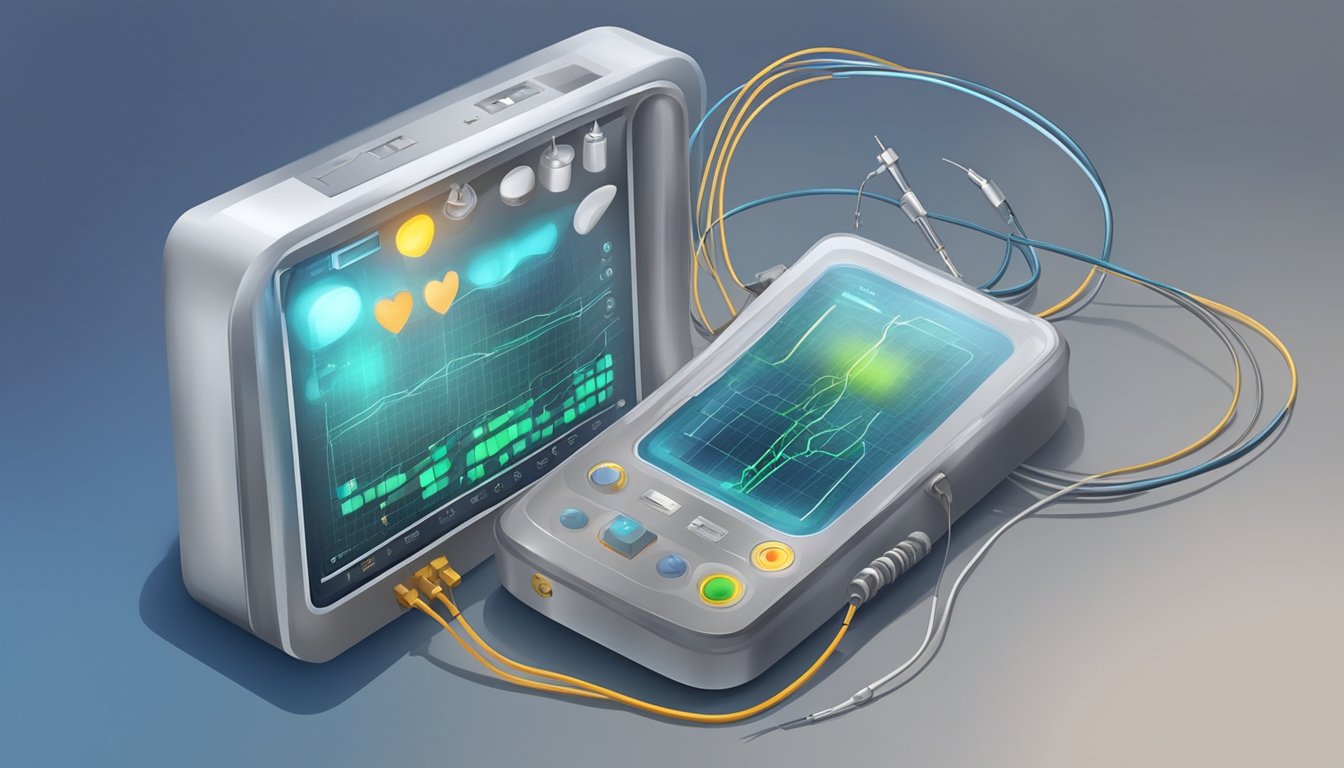
A pacemaker is a small, battery-powered device that is implanted under the skin, near the collarbone, to regulate heartbeat. It sends electrical signals to the heart, which helps to keep the heart rate from being too slow. Pacemakers are recommended for people who have heart rhythm problems, such as bradycardia or arrhythmia.
Types of Pacemakers
There are different types of pacemakers, including the biventricular pacemaker, dual-chamber pacemaker, and implantable cardioverter defibrillator. The biventricular pacemaker is used for people who have heart failure and have problems with the electrical signals in both ventricles. The dual-chamber pacemaker is used for people who have problems with the electrical signals in both the atria and ventricles. The implantable cardioverter defibrillator is used for people who are at risk of sudden cardiac death.
How Pacemakers Regulate Heartbeat
Pacemakers work by sending electrical signals to the heart, which helps regulate heartbeat. The electrical signals are sent through wires that are connected to the pacemaker and are placed in the heart. The pacemaker sends signals to the heart’s atria and ventricles, which helps to keep the heart rate from being too slow.
When the heart’s electrical system is not working properly, the pacemaker sends an electrical signal to the heart to help regulate heartbeat. The pacemaker can be programmed to send signals at different rates, depending on the person’s needs. For example, the pacemaker can be programmed to send signals only when the heart rate is too slow, or it can be programmed to send signals all the time.
It is important to note that while pacemakers can help regulate heartbeat, they do not cure heart rhythm problems. People who have pacemakers still need to take care of their heart health by following a healthy diet, getting regular exercise, and taking any medications as prescribed by their doctor.
Pre-Surgery Considerations and Preparation
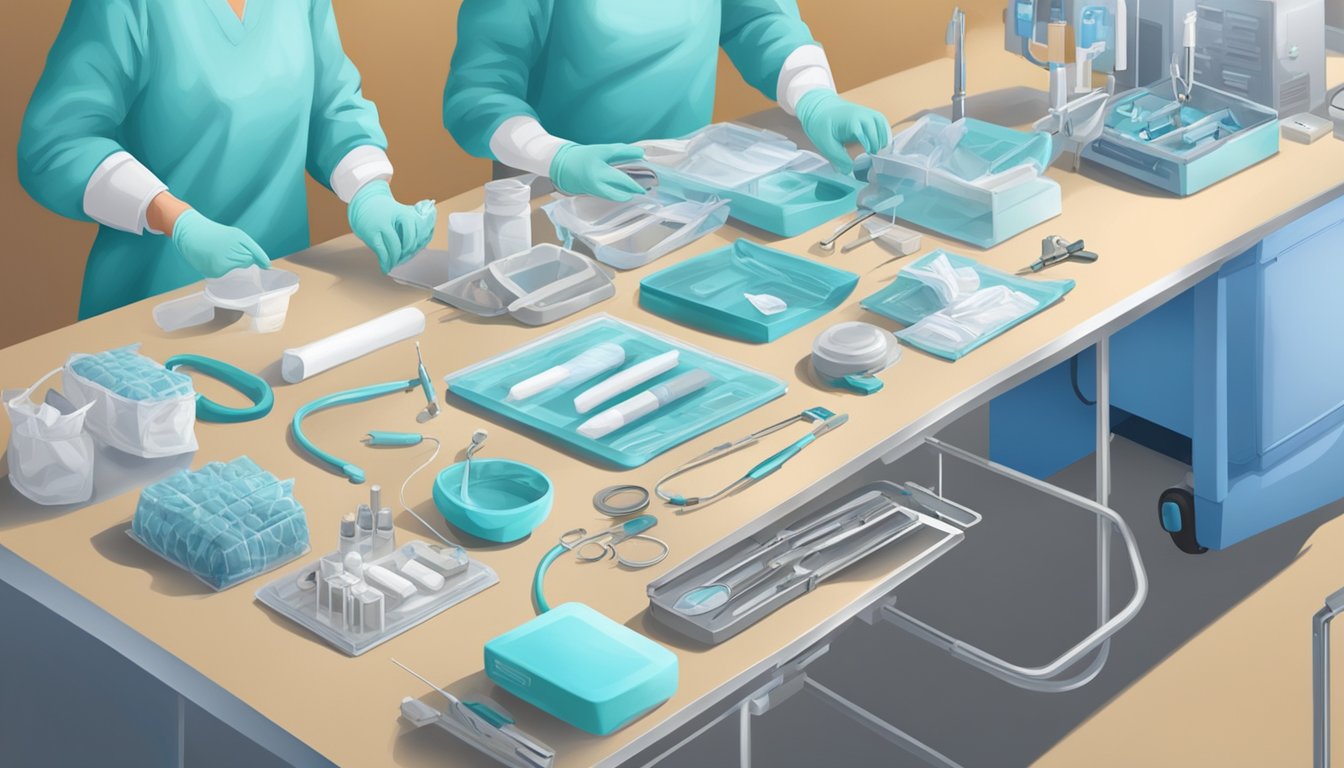
Before undergoing pacemaker surgery, patients must undergo a medical evaluation and tests to ensure that they are healthy enough to undergo the procedure. This evaluation may include a review of their medical history, an electrocardiogram (ECG), an echocardiogram, and blood tests. These tests help to determine the patient’s overall health and identify any potential risks or complications that may arise during the procedure.
Medical Evaluation and Tests
During the medical evaluation, the patient’s medical history will be reviewed to identify any pre-existing conditions that may affect the surgery. The patient’s heart function will be assessed using an electrocardiogram (ECG) and an echocardiogram. Blood tests will also be done to ensure that the patient’s blood is clotting properly and to check for any infections.
Understanding the Risks
Pacemaker surgery is generally considered to be a safe procedure. However, like any surgery, there are risks involved. Patients should be aware of the risks and complications that may arise during or after the surgery. These risks may include bleeding, infection, damage to the heart or blood vessels, or complications related to the sedative or local anaesthetic.
Pre-Operative Instructions
Prior to the surgery, patients will be given specific instructions to follow. These may include instructions on what to eat or drink before the surgery, when to stop taking certain medications, and how to prepare for the surgery. Patients will also be informed about what to expect during the surgery and what they can do to help ensure a successful outcome.
It is important for patients to follow these instructions carefully to help reduce the risk of complications during and after the surgery. Patients should also inform their doctor of any concerns or questions they may have prior to the surgery.
The Surgical Procedure
Implantation Process
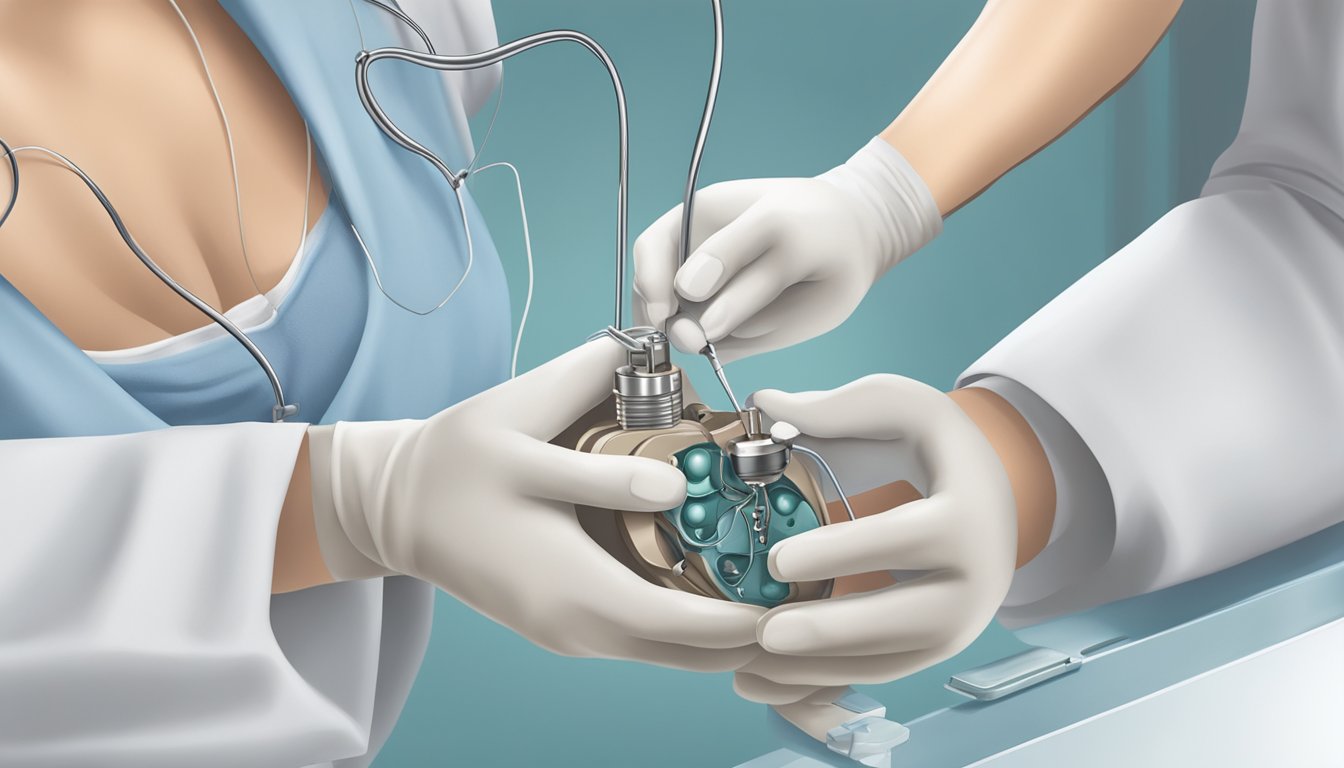
Heart pacemaker surgery is a medical procedure that involves the implantation of a small device, called a pulse generator, under the skin of the chest. The pulse generator is connected to the heart by one or more leads, which are thin wires that are threaded through a vein and into the heart. The leads are used to monitor the heart’s rhythm and deliver electrical impulses to regulate the heartbeat.
The implantation process typically involves making a small incision in the chest to create a pocket for the pulse generator. The leads are then inserted into the heart through a catheter, which is a thin tube that is threaded through a vein. The catheter is guided to the heart using X-ray imaging.
During the procedure, the patient is usually given sedation to help them relax and reduce any pain or discomfort. The surgery is performed in a hospital setting, and the patient may need to stay overnight for observation.
Post-Operative Care
After the surgery, the patient will need to take some time to recover. They may experience some pain or discomfort in the chest area, which can be managed with pain medication. The patient will need to avoid any strenuous activity or heavy lifting for a few weeks after the surgery.
The patient will also need to attend a follow-up appointment with their doctor to ensure that the pacemaker is functioning properly and to make any necessary adjustments. The follow-up appointments will typically occur every few months.
It is important to note that heart pacemaker surgery is a relatively safe procedure, but like any surgery, it does carry some risks. These risks include infection, bleeding, and damage to the heart or blood vessels. The patient should discuss these risks with their doctor before undergoing the procedure.
Post-Surgery Lifestyle and Management

Pacemaker surgery is a life-changing procedure that requires patients to make some adjustments to their daily routine. In this section, we will discuss the lifestyle changes and management techniques that patients should adopt after pacemaker surgery to ensure a healthy and comfortable life.
Activity Restrictions and Adjustments
After pacemaker surgery, patients should avoid any vigorous physical activity or heavy lifting for at least six weeks. Patients should gradually increase their physical activity, starting with light exercises such as walking and gradually increasing the intensity as advised by their doctor. Patients should avoid activities that involve repetitive arm movements on the side of the pacemaker implantation.
Monitoring and Checkups
Patients should attend regular checkups with their doctor to ensure that the pacemaker is functioning correctly. The initial checkup is usually scheduled one to two weeks after the surgery, followed by another checkup after six weeks. After that, patients should attend regular checkups every six months or as advised by their doctor.
Living with a Pacemaker
Patients should carry an ID card that indicates that they have a pacemaker implant. This card should be presented to any medical professional in case of emergency. Patients should also avoid sleeping on the side of the pacemaker implantation.
Patients should avoid exposing the pacemaker to strong electromagnetic fields, such as those generated by MRI machines and some industrial equipment. Patients should also keep their mobile phones at least six inches away from the pacemaker implantation site.
Patients should inform their doctor before undergoing any medical procedure, including CT scans and stress tests, as these procedures may interfere with the pacemaker’s functioning.
Cardiac resynchronization therapy (CRT) may be used in patients with heart failure. CRT involves implanting a pacemaker that coordinates the contractions of the heart’s ventricles. Patients who have undergone CRT should attend regular checkups to ensure the pacemaker is functioning correctly.
In conclusion, pacemaker surgery is a life-changing procedure that requires patients to make some adjustments to their daily routine. Patients should follow their doctor’s advice regarding activity restrictions and adjustments, attend regular checkups, carry an ID card, and avoid exposing the pacemaker to strong electromagnetic fields. By following these guidelines, patients can maintain a good quality of life after pacemaker surgery.
Getting assessed in Singapore
In Singapore, cardiology is provided in both the public and private sectors. Public heart services are concentrated at the National Heart Centre Singapore and the cardiology departments of the restructured hospitals, while private cardiologists practise from medical centres attached to private hospitals. A GP or polyclinic can arrange a referral, or a private clinic can be contacted directly.
For the practical side of this, permanent pacemaker implantation and coronary angiography and stenting are described in detail, alongside the full range of cardiac services.
Frequently Asked Questions

What are the indications for requiring a pacemaker implantation?
Pacemaker implantation is typically recommended for individuals with an abnormal heart rhythm, also known as arrhythmia. This condition can cause the heart to beat too slowly, too quickly, or irregularly, which can lead to dizziness, fatigue, shortness of breath, and fainting. A pacemaker can help regulate the heart’s rhythm and prevent these symptoms.
Is there an age limitation for undergoing pacemaker insertion?
There is no specific age limitation for undergoing pacemaker insertion. The decision to implant a pacemaker is based on the individual’s overall health and medical history, as well as the severity and frequency of their arrhythmia. Pacemakers have been successfully implanted in patients ranging from infants to the elderly.
What are the risks associated with pacemaker implantation?
Like any surgical procedure, pacemaker implantation carries some risks. These risks include infection, bleeding, damage to nearby blood vessels or nerves, and an allergic reaction to the anaesthesia or the materials used in the pacemaker. However, serious complications are rare, and most patients recover without any problems.
What is the mortality rate associated with pacemaker surgery?
The mortality rate associated with pacemaker surgery is very low, and the procedure is considered safe. According to the British Heart Foundation, the risk of dying from pacemaker implantation is less than 1 in 1,000.
What restrictions must be adhered to after receiving a pacemaker?
After receiving a pacemaker, patients are advised to avoid activities that may interfere with the device’s function, such as high-intensity contact sports, heavy lifting, and exposure to strong electromagnetic fields. Patients should also avoid undergoing certain medical procedures, such as MRI scans, unless they have a pacemaker that is specifically designed to be MRI compatible.
What is the expected recovery duration following a pacemaker implantation?
Most patients are able to return to their normal activities within a few days after pacemaker implantation. However, it may take several weeks for the incision site to fully heal, and patients may experience some discomfort or soreness during this time. Patients should follow their doctor’s instructions for caring for the incision site and monitoring their pacemaker’s function.
Further reading
- National Heart Centre Singapore — Conditions & Treatments
- SingHealth — Conditions & Treatments
- European Society of Cardiology — Clinical Practice Guidelines
Disclaimer: This article is general information about cardiovascular health. It is not medical advice, diagnosis or treatment, and reading it does not create a doctor–patient relationship. Always seek the advice of your doctor or another qualified health professional with any questions you have about a medical condition, and never disregard or delay seeking medical advice because of something you have read here. If you think you may be having a medical emergency, call 995 or go to the nearest emergency department.