

Heart rate monitors are devices that help monitor the heart rate of an individual. They have become increasingly popular over the years, especially among fitness enthusiasts and athletes. Heart rate monitors are used to track the heart rate during physical activity, which can help individuals adjust their workout intensity to achieve their fitness goals.
Understanding heart rate monitors is crucial to selecting the right one. Heart rate monitors come in various forms, including chest straps, wristbands, and earbuds. They also come with different features, such as GPS, Bluetooth connectivity, and water resistance. Chest strap monitors are considered the most accurate, while wristbands are more convenient to wear. Earbuds are a newer type of heart rate monitor that can be worn during physical activity and can also play music.
Selecting the right heart rate monitor depends on individual needs and preferences. Some heart rate monitors are designed for specific activities, such as swimming, cycling, or running. Others come with additional features, such as sleep tracking and calorie counting. It is essential to consider factors such as accuracy, comfort, and battery life when selecting a heart rate monitor.
Key Takeaways
- Heart rate monitors are devices used to track an individual’s heart rate during physical activity.
- Understanding the different types and features of heart rate monitors is crucial in selecting the right one.
- Selecting the right heart rate monitor depends on individual needs and preferences, and factors such as accuracy, comfort, and battery life should be considered.
Understanding Heart Rate Monitors
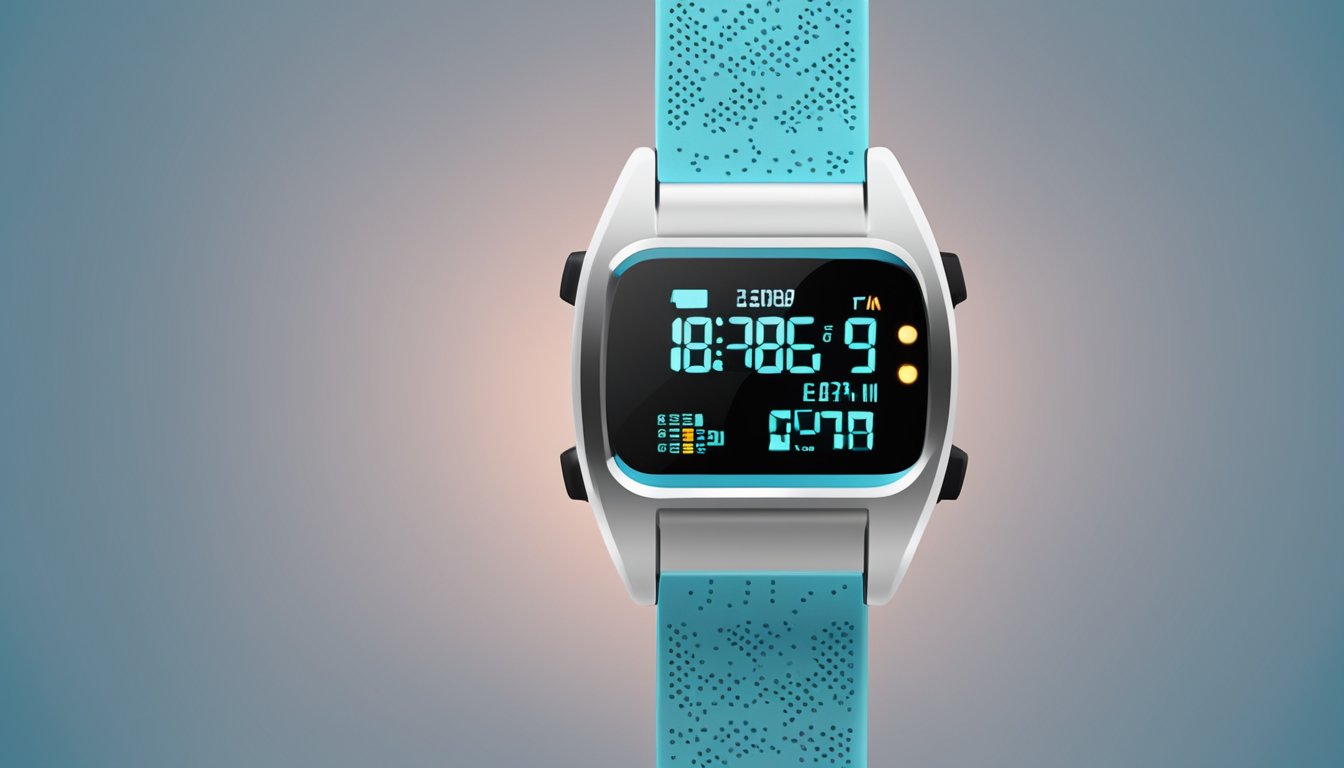
Heart rate monitors are devices that measure the heart rate of a person. They are useful for people who want to monitor their heart rate during exercise, or for people who have a medical condition that requires them to monitor their heart rate regularly.
Types of Heart Rate Monitors
There are several types of heart rate monitors available in the market. The most common types are optical sensors, chest straps, and armbands. Optical sensors use light to detect changes in blood flow, while chest straps use electrical signals to detect heart rate. Armbands are similar to chest straps, but they are worn on the arm instead of the chest.
Key Metrics and Functions
Heart rate monitors measure several key metrics, including heart rate, maximum heart rate, and calories burned. They can also track other metrics such as distance travelled, steps taken, and sleep patterns.
Heart rate monitors work by detecting electrical signals or changes in blood flow. The most accurate heart rate monitors use ECG or electrode sensors to detect heart rate. Optical sensors are less accurate, but they are more convenient to use.
It is important to note that heart rate monitors are not medical devices, and they should not be used as a substitute for medical care. People with heart conditions should consult their doctor before using a heart rate monitor.
In conclusion, heart rate monitors are useful devices for people who want to monitor their heart rate during exercise or for people who have a medical condition that requires them to monitor their heart rate regularly. There are several types of heart rate monitors available, each with its own strengths and weaknesses. It is important to choose the right type of heart rate monitor for your needs and to use it correctly to get accurate readings.
Selecting the Right Heart Rate Monitor
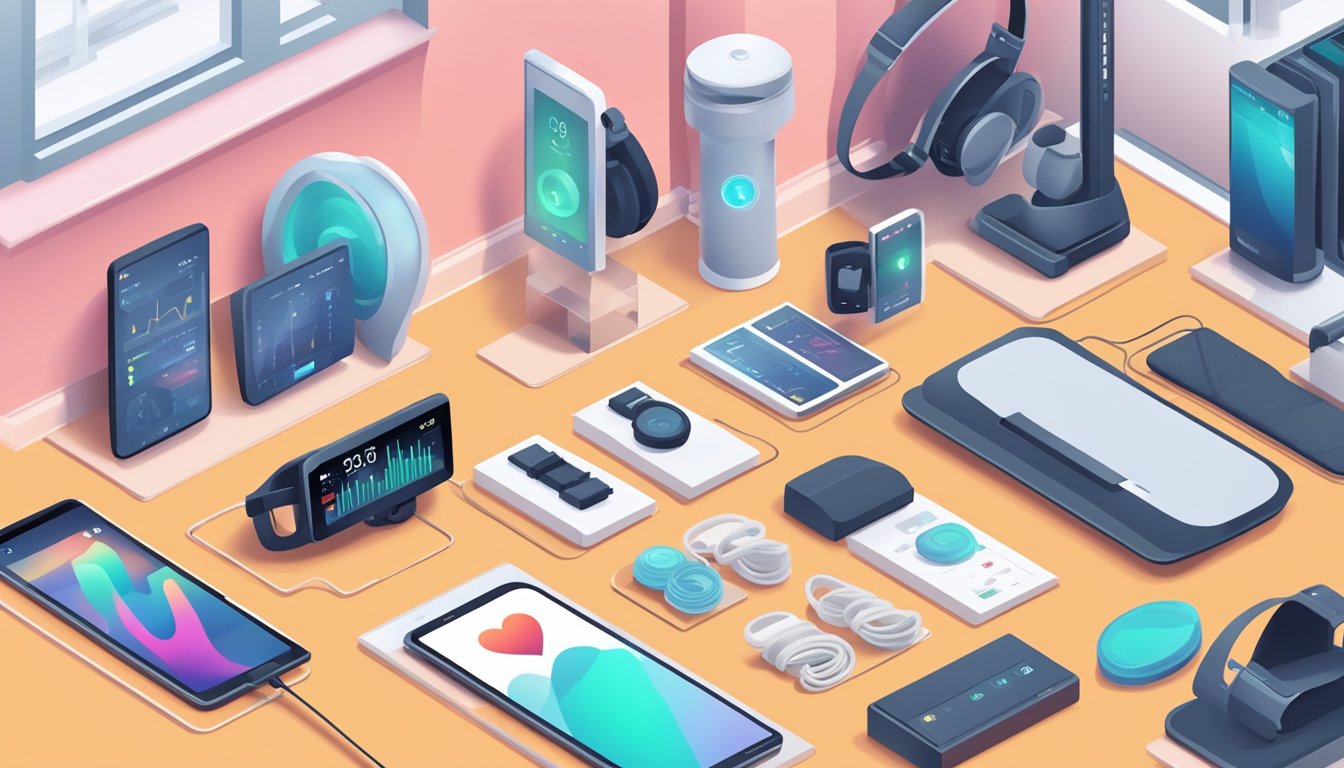
When it comes to selecting the right heart rate monitor, there are several factors that one should consider. These factors include form, comfort, accuracy, and battery life. In this section, we will explore these factors in detail and provide recommendations for top brands and models.
Factors to Consider
Form
The form of the heart rate monitor is an important factor to consider. There are different types of heart rate monitors available, including watches and fitness trackers. Watches are a popular choice for those who want a multi-purpose device that can track heart rate as well as other fitness metrics. Fitness trackers, on the other hand, are typically smaller and more discreet, making them a good choice for those who want to track their heart rate throughout the day.
Comfort
Comfort is another important factor to consider when selecting a heart rate monitor. It is important to choose a heart rate monitor that is comfortable to wear, especially if you plan to wear it for extended periods of time. Look for heart rate monitors that are adjustable and made from soft, breathable materials.
Accuracy
Accuracy is perhaps the most important factor to consider when selecting a heart rate monitor. Look for heart rate monitors that have been tested for accuracy and have received positive reviews from other users. Some of the top brands for heart rate monitors include Polar, Garmin, and Fitbit.
Battery Life
Battery life is also an important factor to consider when selecting a heart rate monitor. Look for heart rate monitors that have a long battery life, especially if you plan to use it for extended periods of time. Some heart rate monitors, such as the Polar H10 and Garmin HRM-Pro Plus, have a battery life of up to 400 hours.
Top Brands and Models
Polar
Polar is one of the top brands for heart rate monitors. Their heart rate monitors are known for their accuracy and reliability. The Polar H10 and H9 are both popular models that are highly recommended by fitness enthusiasts.
Garmin
Garmin is another top brand for heart rate monitors. Their heart rate monitors are known for their accuracy and durability. The Garmin HRM-Pro Plus is a popular model that is highly recommended by athletes.
Fitbit
Fitbit is a popular brand for fitness trackers, and their heart rate monitors are known for their accuracy and ease of use. The Fitbit Versa is a popular model that is highly recommended by fitness enthusiasts.
In conclusion, selecting the right heart rate monitor depends on your individual needs and preferences. Consider factors such as form, comfort, accuracy, and battery life when making your selection. Some of the top brands and models for heart rate monitors include Polar, Garmin, and Fitbit.
Integration and Connectivity
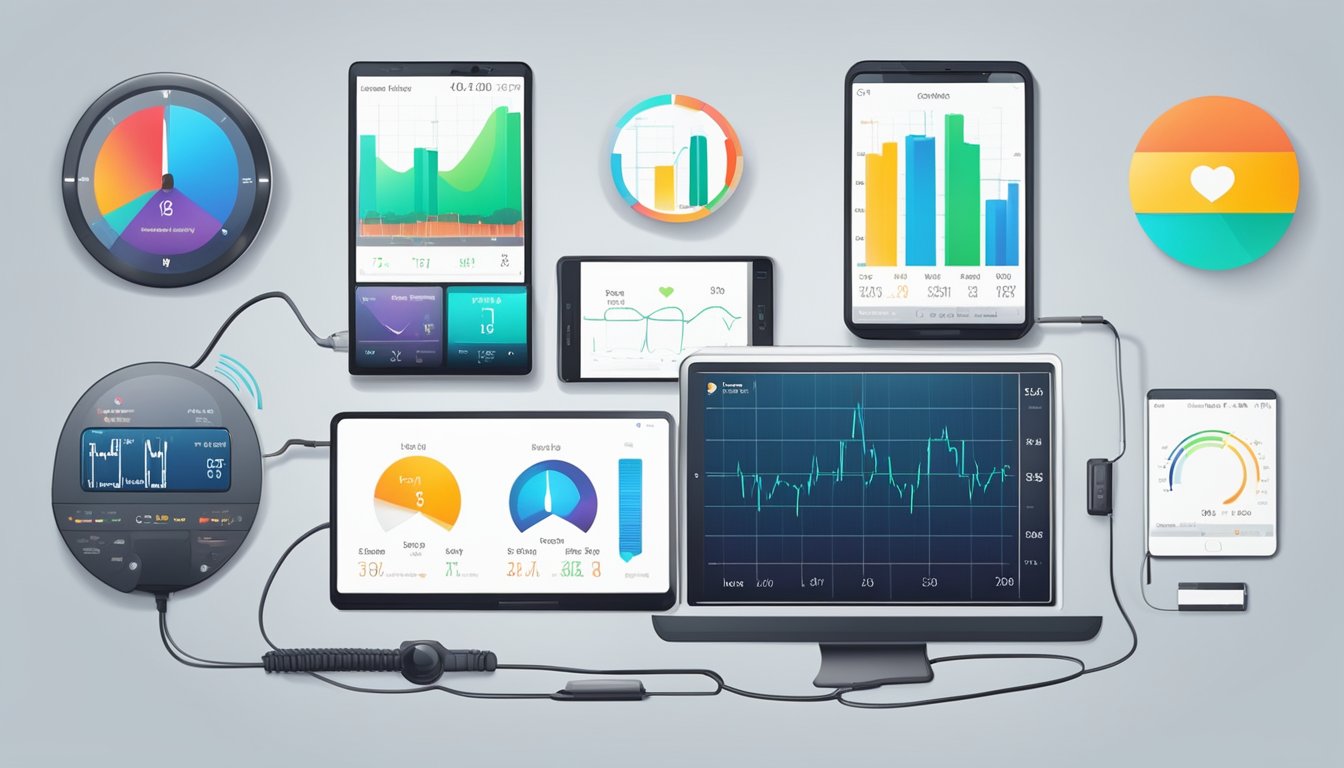
When choosing a heart rate monitor, one of the key considerations is how well it integrates with other devices and how easily it can be connected. This section will cover the compatibility of heart rate monitors with various devices and how data syncing and analysis can be done.
Compatibility with Devices
The majority of heart rate monitors available on the market today are compatible with smartphones, smartwatches, and GPS navigation devices. Some monitors use Bluetooth connectivity to connect to other devices, while others use ANT+ technology. It is essential to check the compatibility of the heart rate monitor with the device you intend to use it with before making a purchase.
Data Syncing and Analysis
Most heart rate monitors come with an app that allows users to sync their data wirelessly to their smartphones or other devices. The app provides users with a detailed analysis of their heart rate data, including average heart rate, maximum heart rate, and heart rate zones. Some apps even allow users to track their heart rate variability (HRV), which is a measure of the variation in time between heartbeats.
The heart rate data can be used to track progress over time, set goals, and monitor changes in fitness levels. Users can also share their data with personal trainers or doctors to get feedback and advice on their training regimen.
It is important to note that heart rate monitors are not medical devices, and the data they provide should not be used to diagnose or treat any medical condition. If you have any concerns about your heart health, you should consult a medical professional.
In conclusion, heart rate monitors that offer easy integration with other devices and provide detailed data syncing and analysis can be valuable tools for monitoring fitness levels and tracking progress over time. It is essential to choose a monitor that is compatible with the devices you intend to use it with and to use the data provided responsibly.
Health and Fitness Applications
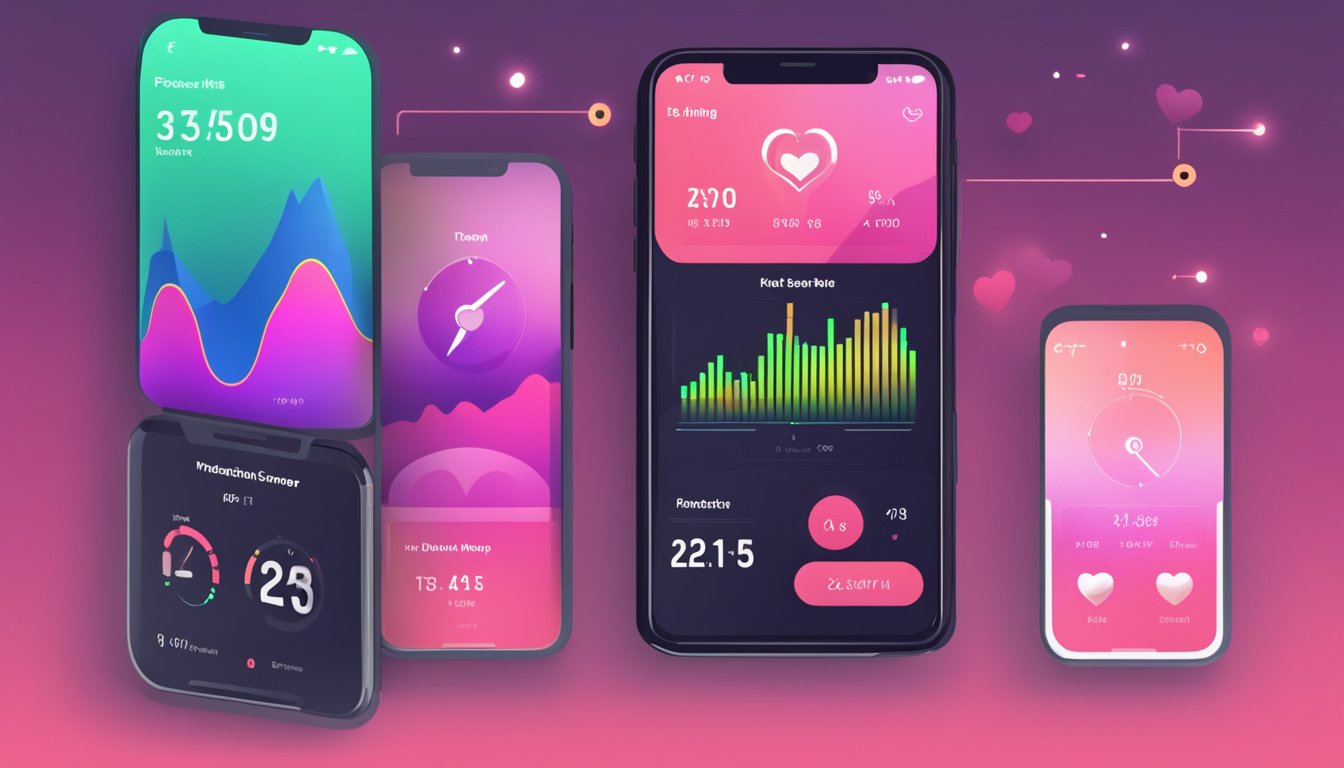
Heart rate monitors are a useful tool for individuals looking to improve their health and fitness. Health and fitness applications are available that can help users monitor their heart rate and track their progress over time. These applications can be used for exercise and training, as well as for monitoring health metrics.
Exercise and Training
Many health and fitness applications offer workout tracking features that allow users to monitor their heart rate during exercise. This information can be used to adjust the intensity of their workout and ensure that they are training at the appropriate level. Running, swimming, and other types of exercise can be tracked using these applications, which can provide valuable insights into the user’s performance.
Some fitness trackers, such as the Forerunner 265, offer advanced features like vertical oscillation and VO2 max tracking. These features can help users optimize their workouts and improve their overall fitness level.
Monitoring Health Metrics
Heart rate monitors can also be used to monitor health metrics like resting heart rate and heart rate variability. These metrics can provide valuable insights into the user’s overall health and can be used to identify potential health issues. For example, changes in resting heart rate or heart rate variability can be an early indicator of atrial fibrillation or other heart conditions.
Some heart rate monitors also offer blood pressure monitoring and stress tracking features. These features can be helpful for individuals looking to manage their stress levels and maintain a healthy blood pressure.
It is important to note that while these applications can be a useful tool for monitoring health and fitness, they should not be used as a substitute for medical advice. Individuals with pre-existing medical conditions should consult with their healthcare provider before using these applications. Additionally, users should ensure that their heart rate monitor is waterproof if they plan to use it while swimming or participating in other water-based activities.
Getting assessed in Singapore
In Singapore, cardiovascular assessment is available through both the public and private sectors. Which tests are appropriate depends on your symptoms, risk factors and history rather than on choosing the most extensive option available. A GP or polyclinic can arrange a referral to a cardiologist, or a private clinic can be approached directly.
If this is relevant to your own situation, you can read what is involved in cardiac screening or a general health screening, or browse the cardiac services list.
Frequently Asked Questions
How do chest strap heart rate monitors compare to wrist-based ones in terms of accuracy?
Chest strap heart rate monitors are generally considered to be more accurate than wrist-based ones. This is because chest strap monitors detect heart rate through electrical signals, which are more reliable than the optical sensors used in wrist-based monitors. However, chest strap monitors can be uncomfortable to wear and may interfere with certain types of exercise.
What features should one look for when purchasing a heart rate monitoring device?
When purchasing a heart rate monitoring device, it is important to consider factors such as accuracy, comfort, and ease of use. Look for a device that has a reliable heart rate sensor, is comfortable to wear during exercise, and has an easy-to-read display. Additional features such as GPS tracking and compatibility with fitness apps may also be desirable.
Which brands are most recommended for reliable heart rate monitoring during exercise?
There are many brands that offer reliable heart rate monitoring devices for exercise, including Garmin, Polar, and Fitbit. It is important to do research on specific models and read reviews before making a purchase.
Are there any heart rate monitoring applications that provide medical-grade accuracy?
While there are many heart rate monitoring applications available, few provide medical-grade accuracy. It is important to note that these applications are not intended to replace medical advice or diagnosis, and should not be used as a substitute for professional medical care.
How do hospital-grade heart rate monitors differ from those available for personal use?
Hospital-grade heart rate monitors are typically more advanced and accurate than those available for personal use. They are designed to be used by medical professionals in clinical settings, and may have additional features such as continuous monitoring and data logging.
What are the benefits of using an armband heart rate monitor over other types?
Armband heart rate monitors can be more comfortable to wear than chest strap monitors, and may be less likely to interfere with certain types of exercise. They are also less obtrusive than chest strap monitors and may be more aesthetically pleasing. However, they may not be as accurate as chest strap monitors, and may not be suitable for all types of exercise.
Related on this site
Further reading
- National Heart Centre Singapore — Conditions & Treatments
- HealthHub — Cardiovascular Disease
- SingHealth — Conditions & Treatments
Disclaimer: This article is general information about cardiovascular health. It is not medical advice, diagnosis or treatment, and reading it does not create a doctor–patient relationship. Always seek the advice of your doctor or another qualified health professional with any questions you have about a medical condition, and never disregard or delay seeking medical advice because of something you have read here. If you think you may be having a medical emergency, call 995 or go to the nearest emergency department.