

Heart rate is a vital sign that is used to determine a person’s overall health. It is a measurement of the number of times the heart beats per minute (bpm). The normal resting heart rate for adults is between 60 and 100 bpm. However, factors such as age, fitness level, and medication can affect heart rate.
Understanding heart rate is important for monitoring and managing overall health. A high resting heart rate may indicate an underlying health condition, such as anemia, thyroid problems, or heart disease. On the other hand, a low resting heart rate may be a sign of good cardiovascular health, but it can also be a symptom of a medical condition or a side effect of medication.
Key Takeaways
- Heart rate is a measurement of the number of times the heart beats per minute (bpm).
- A normal resting heart rate for adults is between 60 and 100 bpm.
- Factors such as age, fitness level, and medication can affect heart rate.
Understanding Heart Rate
Biological Basis of Heart Rate
Heart rate is the number of times the heart beats in a minute. The heart is a muscle that pumps blood to the body. It has four chambers, two atria, and two ventricles. The atria receive blood from the body and lungs, while the ventricles pump blood out to different parts of the body. The heart rate is controlled by the sinoatrial (SA) node, which is located in the right atrium. The SA node sends electrical signals to the heart muscle, causing it to contract and pump blood.
Normal vs Abnormal Heart Rates
The normal heart rate range for adults is between 60 and 100 beats per minute. However, factors such as age, sex, physical activity level, and overall health can affect the heart rate. Resting heart rate is the heart rate when a person is at rest. A normal resting heart rate for adults is between 60 and 100 beats per minute. Athletes and physically fit individuals may have a lower resting heart rate, which is considered normal for them.
Tachycardia is a condition where the heart rate is higher than normal. It can be caused by exercise, stress, anxiety, or certain medications. Bradycardia is a condition where the heart rate is lower than normal. It can be caused by certain medications, heart disease, or problems with the heart rhythm. Both tachycardia and bradycardia can be symptoms of an underlying heart condition and should be evaluated by a doctor.
The American Heart Association recommends monitoring heart rate to maintain heart health. A high heart rate over a prolonged period can increase the risk of heart disease and other health problems. It is essential to maintain a healthy lifestyle, including regular exercise, a balanced diet, and stress management, to keep the heart healthy.
Factors Influencing Heart Rate
The heart rate is the number of times the heart beats per minute. It is a vital sign that can be influenced by a variety of factors. Understanding these factors can help individuals maintain a healthy heart rate. The following subsections will discuss some of the factors that can influence heart rate.
Physical Activity and Exercise
Physical activity and exercise can have a significant impact on heart rate. During exercise, the heart rate increases to meet the body’s increased oxygen and energy demands. Regular exercise can help lower resting heart rate and improve cardiovascular health.
Emotional and Psychological Factors
Emotions and psychological factors can also influence heart rate. Stress and anxiety can cause an increase in heart rate, while relaxation techniques such as deep breathing and meditation can help lower heart rate.
Physiological and Environmental Influences
Physiological and environmental factors can also impact heart rate. Body position, air temperature, and body size can all affect heart rate. Lying down or sitting can lower heart rate, while smoking, drugs, and alcohol can increase heart rate. Air temperature can also affect heart rate, with higher temperatures causing an increase in heart rate.
It is important to note that heart rate can also be influenced by underlying medical conditions, such as high blood pressure or heart disease. Individuals with concerns about their heart rate should consult with a medical professional.
Overall, understanding the factors that can influence heart rate can help individuals maintain a healthy heart rate and improve their cardiovascular health.
Monitoring and Managing Heart Rate
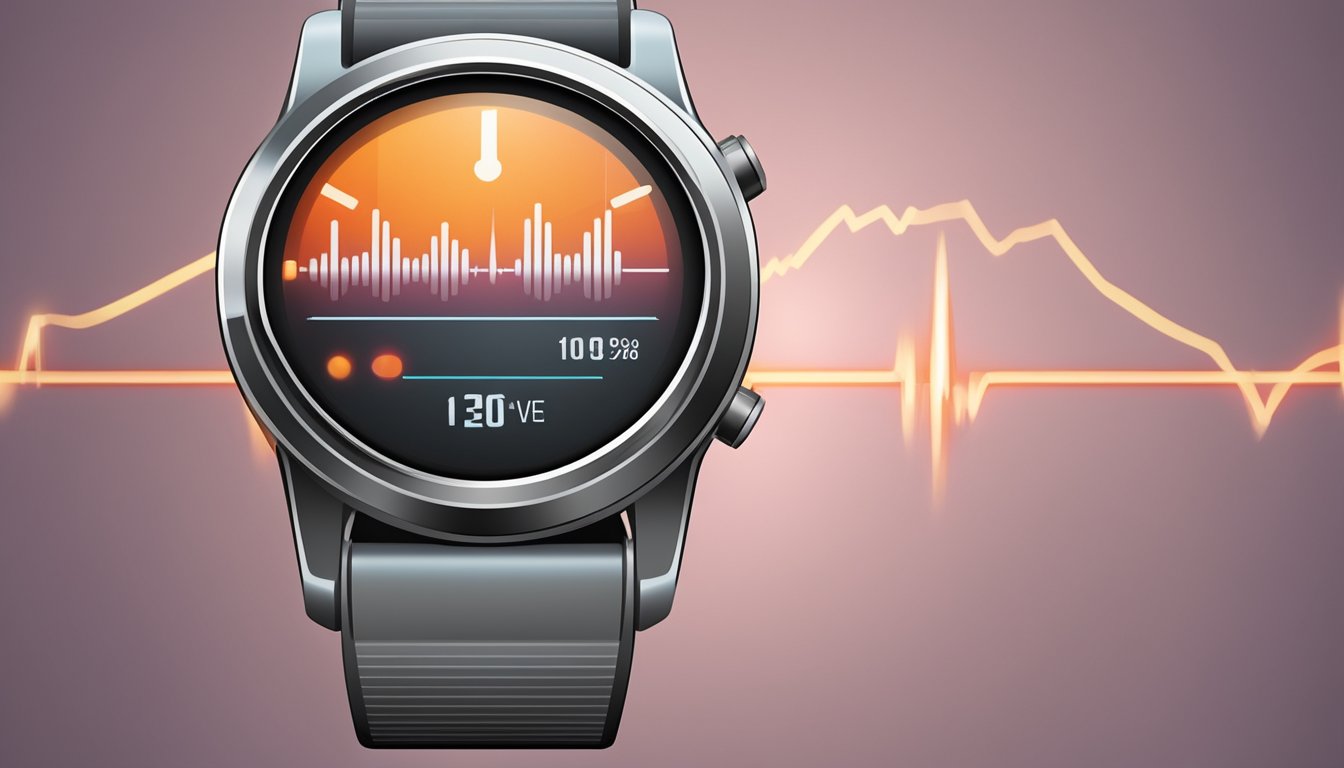
Regular heart rate monitoring can help individuals understand their cardiovascular health and make necessary lifestyle adjustments. This section will explore two key areas of heart rate monitoring: target heart rate and exercise intensity, and medical monitoring and medications.
Target Heart Rate and Exercise Intensity
Target heart rate is the ideal heart rate range an individual should aim for during exercise. It is calculated based on age and fitness level. The American Heart Association recommends that individuals aim for 50-85% of their maximum heart rate during exercise, which can be estimated by subtracting their age from 220. For example, a 30-year-old’s maximum heart rate would be around 190 beats per minute (bpm).
Exercise intensity is often measured in METs (Metabolic Equivalent of Task) or VO2 max (maximum oxygen uptake). Moderate exercise is considered 3-6 METs or 50-70% of VO2 max, while vigorous exercise is considered 6-9 METs or 70-85% of VO2 max. It is important to gradually increase exercise intensity to avoid injury or overexertion.
Medical Monitoring and Medications
Individuals with cardiovascular disease, high blood pressure, or chronic disease should consult with a healthcare provider before beginning an exercise program. They may need to undergo exercise testing to determine safe exercise levels. Medications such as beta blockers can lower heart rate and blood pressure, while medications for anemia or high cholesterol can affect heart rate variability.
It is important to monitor heart rate during exercise for symptoms such as fainting, dizziness, or weakness. The talk test can also be used to determine exercise intensity. If an individual cannot carry on a conversation during exercise, they are likely exercising too vigorously.
Wearable activity trackers and heart rate monitors can be useful tools for monitoring heart rate during exercise. However, it is important to consult with healthcare providers or medicine advisors before using any new technology or making changes to medication regimens.
Overall, regular heart rate monitoring can help individuals make informed decisions about their cardiovascular health and exercise routines. It is important to consult with healthcare providers and well-trained athletes to develop safe and effective exercise programs.
Heart Rate in Health and Disease

Heart rate is an essential indicator of cardiovascular fitness and overall health. It is the number of times the heart beats per minute and is influenced by various factors such as physical fitness, body weight, stress, and anxiety.
Cardiovascular Fitness and Weight Management
Maintaining a healthy heart rate is crucial for cardiovascular fitness and weight management. A relaxed heart rate is typically between 60 to 100 beats per minute (bpm) while the target heart rate zone for moderate-intensity physical activity is between 50% to 70% of the maximum heart rate. For athletes and sports medicine professionals, heart rate variability is a critical measure of physical fitness.
Heart Conditions and Chronic Diseases
High heart rate can be a sign of underlying heart conditions such as high blood pressure, stroke, and other chronic diseases. According to Mayo Clinic and Heart Matters Magazine, a resting heart rate above 100 bpm can be dangerous and may require consultation with a healthcare provider. Smokers and people with chronic diseases have a higher risk of developing heart conditions.
It is essential to maintain a healthy lifestyle to keep the heart rate in check. Regular exercise, a balanced diet, and stress management can help in maintaining a healthy heart rate. However, it is essential to consult a healthcare provider before making any significant changes to the lifestyle.
Getting assessed in Singapore
In Singapore, cardiovascular assessment is available through both the public and private sectors. Which tests are appropriate depends on your symptoms, risk factors and history rather than on choosing the most extensive option available. A GP or polyclinic can arrange a referral to a cardiologist, or a private clinic can be approached directly.
If you want to know how this is assessed in practice, see ECG testing or 24-hour Holter ECG monitoring, or review the preventive cardiology programme.
Frequently Asked Questions
What constitutes a normal resting heart rate for adults?
A normal resting heart rate for adults is typically between 60 and 100 beats per minute (bpm). However, some individuals may have a resting heart rate below or above this range, which may not necessarily indicate a health problem.
How does age affect resting heart rate?
Resting heart rate tends to decrease with age, with the average resting heart rate for individuals over the age of 65 being around 70 bpm. However, it is important to note that individual variations may occur.
What are the indicators of a dangerously high heart rate?
A dangerously high heart rate, also known as tachycardia, is typically defined as a resting heart rate above 100 bpm. Symptoms of tachycardia may include dizziness, shortness of breath, and chest pain. It is important to seek medical attention if experiencing these symptoms.
How do heart rate norms differ between men and women?
There is no significant difference in heart rate norms between men and women. However, hormonal changes during pregnancy may lead to an increase in heart rate.
What factors can influence one’s pulse rate?
Several factors can influence one’s pulse rate, including physical activity, stress, medication, and caffeine consumption. It is important to note that some medical conditions may also affect pulse rate.
How can one discern between pulse rate and heart rate?
Pulse rate and heart rate are often used interchangeably, but they are not the same thing. Heart rate refers to the number of times the heart beats per minute, while pulse rate refers to the number of times a pulse can be felt per minute. Pulse rate can be measured at various points on the body, such as the wrist or neck.
Further reading
- HealthHub — Cardiovascular Disease
- Health Promotion Board — Healthy Living
- American Heart Association — Health Topics
Disclaimer: This article is general information about cardiovascular health. It is not medical advice, diagnosis or treatment, and reading it does not create a doctor–patient relationship. Always seek the advice of your doctor or another qualified health professional with any questions you have about a medical condition, and never disregard or delay seeking medical advice because of something you have read here. If you think you may be having a medical emergency, call 995 or go to the nearest emergency department.