

The circulation of blood through the heart is a complex process that is vital to maintaining the health of the cardiovascular system. The heart, a muscular organ that pumps blood throughout the body, is responsible for ensuring that oxygen, nutrients, and other vital substances are delivered to cells, while also removing waste products. Understanding how blood flows through the heart is crucial for maintaining optimal health and preventing cardiovascular disorders.
The heart is made up of four chambers: the right atrium, left atrium, right ventricle, and left ventricle. Blood enters the heart through the right atrium, where it is then pumped into the right ventricle. From there, it moves into the lungs, where it is oxygenated and carbon dioxide is removed. The oxygen-rich blood then returns to the heart via the left atrium, where it is pumped into the left ventricle. Finally, the blood is pumped out of the heart and into the body, where it delivers oxygen and nutrients to cells and removes waste products.
Understanding the circulation of blood through the heart is essential for maintaining cardiovascular health. By ensuring that the heart is functioning properly and that blood is flowing smoothly through the body, individuals can reduce their risk of developing cardiovascular disorders such as heart disease, stroke, and hypertension. By following a healthy lifestyle, including exercise and a balanced diet, individuals can help to maintain optimal heart health and reduce their risk of developing these conditions.
Key Takeaways
- The heart is responsible for pumping blood throughout the body, ensuring that oxygen and nutrients are delivered to cells and waste products are removed.
- Blood flows through the heart in a complex process involving four chambers and multiple pathways.
- Maintaining cardiovascular health is crucial for reducing the risk of developing heart disease, stroke, and other cardiovascular disorders.
Heart Anatomy and Blood Vessels

The heart is a vital organ that pumps blood throughout the body. Understanding the anatomy of the heart and the blood vessels is essential for medical professionals to diagnose and treat heart-related diseases. This section will discuss the different chambers of the heart, heart valves, and circulation routes through the coronary and peripheral vessels.
Chambers of the Heart
The heart is divided into four chambers: the right atrium, left atrium, right ventricle, and left ventricle. The atria are the two upper chambers of the heart, and they receive blood from the veins. The ventricles are the two lower chambers of the heart, and they pump blood out of the heart into the arteries. The right atrium receives deoxygenated blood from the body, and the left atrium receives oxygenated blood from the lungs. The right ventricle pumps deoxygenated blood to the lungs, and the left ventricle pumps oxygenated blood to the rest of the body.
Valves and Circulation Routes
The heart has four valves: the aortic valve, tricuspid valve, mitral valve, and pulmonary valve. The aortic valve is located between the left ventricle and the aorta, and it prevents blood from flowing back into the heart. The tricuspid valve is located between the right atrium and right ventricle, and it prevents blood from flowing back into the right atrium. The mitral valve is located between the left atrium and left ventricle, and it prevents blood from flowing back into the left atrium. The pulmonary valve is located between the right ventricle and pulmonary artery, and it prevents blood from flowing back into the right ventricle.
The circulation routes through the heart are complex and involve several blood vessels. Blood flows from the body into the right atrium through the superior and inferior vena cava. From the right atrium, blood flows into the right ventricle through the tricuspid valve. The right ventricle then pumps blood into the pulmonary artery through the pulmonary valve. The pulmonary artery carries blood to the lungs, where it is oxygenated. Oxygenated blood returns to the heart through the pulmonary veins and enters the left atrium. From the left atrium, blood flows into the left ventricle through the mitral valve. The left ventricle then pumps oxygenated blood into the aorta through the aortic valve.
Coronary and Peripheral Vessels
The coronary arteries are responsible for supplying blood to the heart muscle. These arteries branch off the aorta and encircle the heart like a crown. The coronary veins drain blood from the heart muscle and empty into the right atrium. The peripheral vessels include arteries, veins, capillaries, venules, and arterioles. Arteries carry oxygenated blood away from the heart to the body’s tissues, while veins carry deoxygenated blood back to the heart. Capillaries are tiny blood vessels that connect arteries to veins and allow for the exchange of gases and nutrients. Venules and arterioles are smaller versions of veins and arteries, respectively.
In conclusion, understanding the anatomy of the heart and the blood vessels is crucial for medical professionals to diagnose and treat heart-related diseases. The different chambers of the heart, heart valves, and circulation routes through the coronary and peripheral vessels play a vital role in maintaining the body’s overall health. However, it is important to note that this information is not a substitute for professional medical advice, diagnosis, or treatment.
The Cardiac Cycle
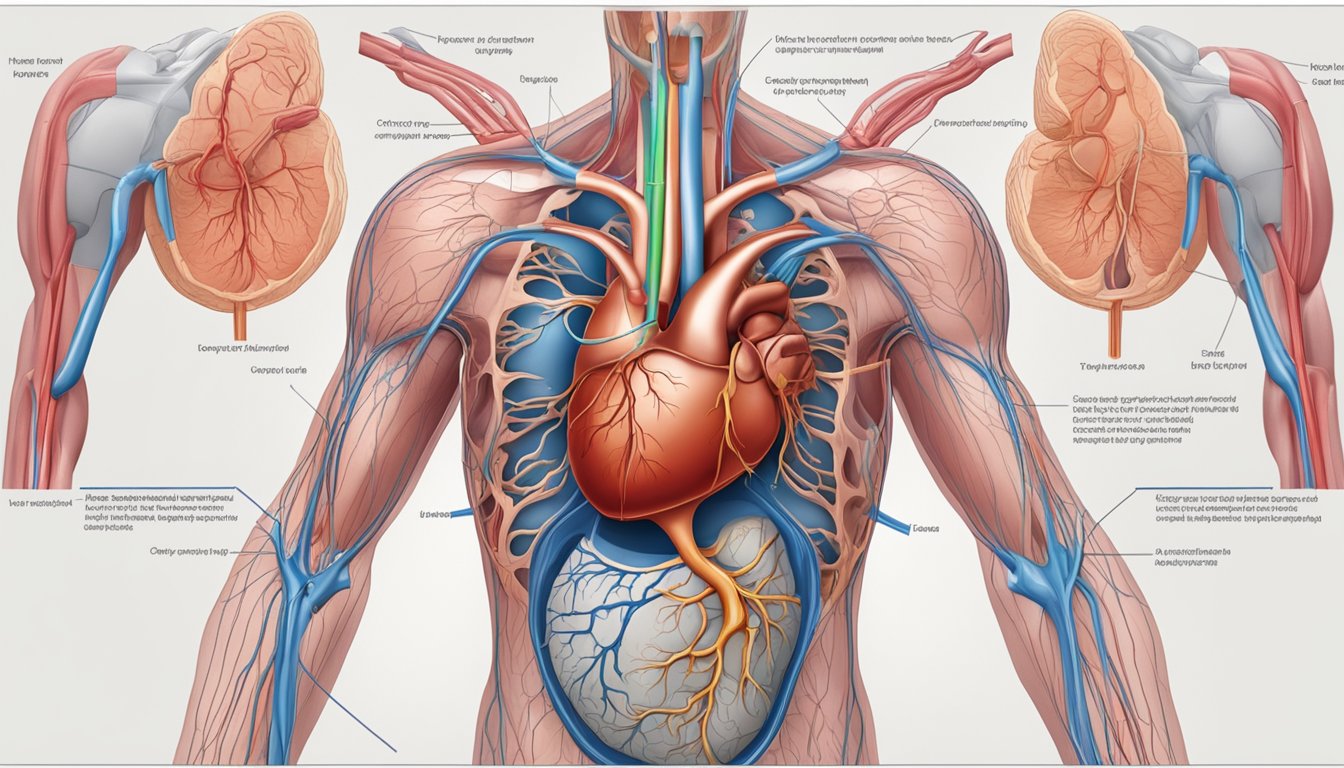
The cardiac cycle is a series of events that occur during one heartbeat. It is characterized by alternating contraction and relaxation of the atria and ventricles, which pumps blood throughout the body. The process begins as early as the 4th gestational week when the heart first begins contracting.
Systole and Diastole
The cardiac cycle is divided into two phases: systole and diastole. During systole, the ventricles contract and push blood out of the heart, while during diastole, the ventricles relax and fill with blood. The atria also contract during systole to push blood into the ventricles.
Systole and diastole are further divided into two phases each: atrial systole, atrial diastole, ventricular systole, and ventricular diastole. During atrial systole, the atria contract to push blood into the ventricles. During atrial diastole, the atria relax and fill with blood. During ventricular systole, the ventricles contract to push blood out of the heart. During ventricular diastole, the ventricles relax and fill with blood.
Blood Flow Dynamics
Blood flows through the heart in a specific order. Deoxygenated blood returns to the right atrium from the body through the inferior and superior vena cava. The right atrium then contracts during atrial systole, pushing the blood through the tricuspid valve into the right ventricle. During ventricular systole, the right ventricle contracts, pushing the deoxygenated blood through the pulmonary valve and into the pulmonary arteries, which carry it to the lungs for gas exchange.
After gas exchange occurs in the lungs, oxygenated blood returns to the left atrium through the pulmonary veins. The left atrium then contracts during atrial systole, pushing the blood through the mitral valve into the left ventricle. During ventricular systole, the left ventricle contracts, pushing the oxygenated blood through the aortic valve and into the aorta, which carries it to the rest of the body.
It is important to note that the left side of the heart is responsible for pumping high-pressure, oxygenated blood to the body, while the right side of the heart pumps low-oxygen blood to the lungs for gas exchange. The cardiac cycle is essential for maintaining proper blood flow and oxygenation in the body.
Circulatory Pathways
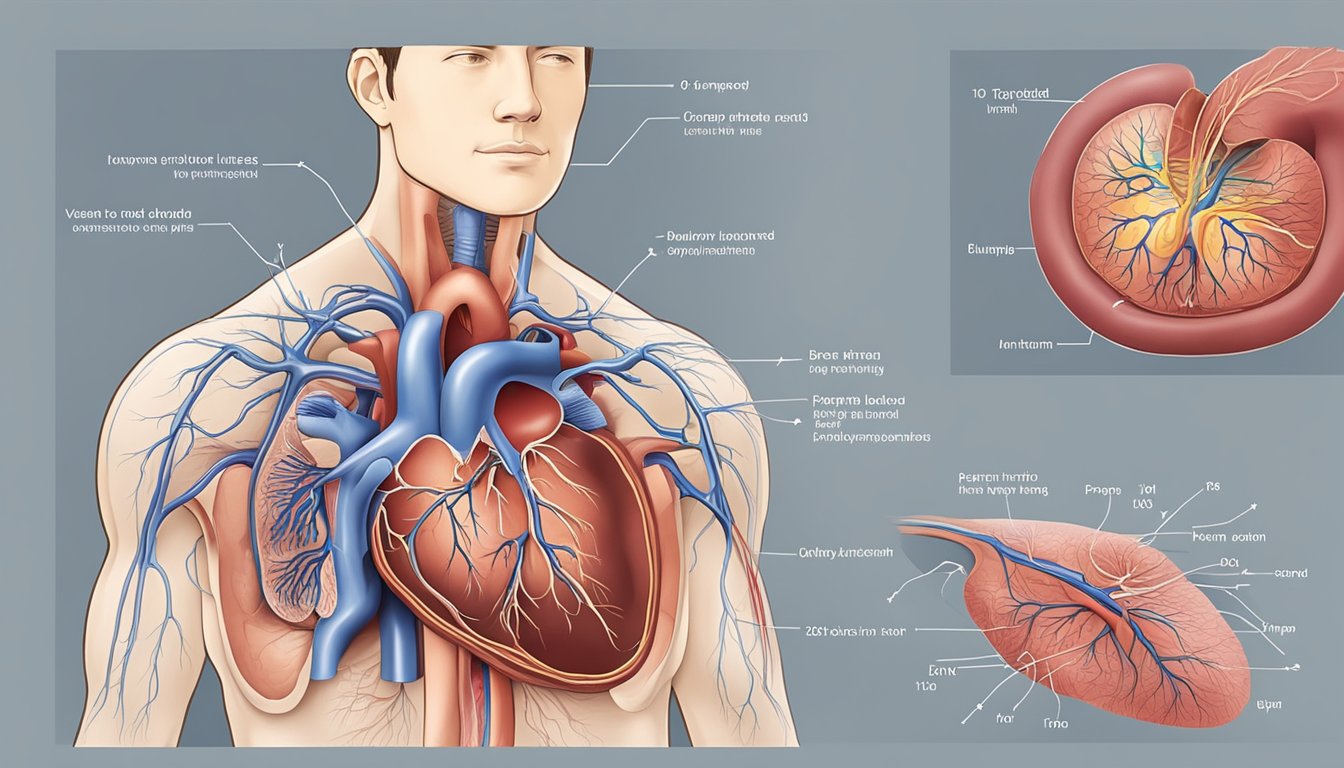
The circulatory system is responsible for transporting blood throughout the body, supplying oxygen and nutrients to the tissues and removing waste products. The heart plays a crucial role in this process by pumping blood through two distinct circulatory pathways: pulmonary circulation and systemic circulation.
Pulmonary Circulation
Pulmonary circulation is the pathway of blood from the heart to the lungs and back to the heart. Oxygen-poor blood from the body enters the right atrium of the heart through the superior and inferior vena cava. From there, it flows into the right ventricle and is pumped out of the heart through the pulmonary arteries. The pulmonary arteries carry the deoxygenated blood to the lungs, where it is oxygenated and carbon dioxide is removed. The oxygenated blood then returns to the heart through the pulmonary veins and enters the left atrium.
Systemic Circulation
Systemic circulation is the pathway of blood from the heart to the rest of the body and back to the heart. Oxygenated blood from the lungs enters the left atrium of the heart through the pulmonary veins. From there, it flows into the left ventricle and is pumped out of the heart through the aorta. The aorta carries the oxygenated blood to the rest of the body, supplying oxygen and nutrients to the tissues. The deoxygenated blood then returns to the heart through the superior and inferior vena cava, starting the process all over again.
It is important to note that the circulatory system is a closed system, meaning that blood always flows in the same direction. The heart valves help to control the direction of blood flow, ensuring that it flows in the correct direction. The pulmonary circuit and systemic circuit work together to ensure that the body’s tissues receive the oxygen and nutrients they need to function properly.
In summary, the heart pumps blood through two distinct circulatory pathways: pulmonary circulation and systemic circulation. Pulmonary circulation is the pathway of blood from the heart to the lungs and back to the heart, while systemic circulation is the pathway of blood from the heart to the rest of the body and back to the heart. The two circuits work together to ensure that the body’s tissues receive the oxygen and nutrients they need to function properly.
Cardiac Health and Disorders
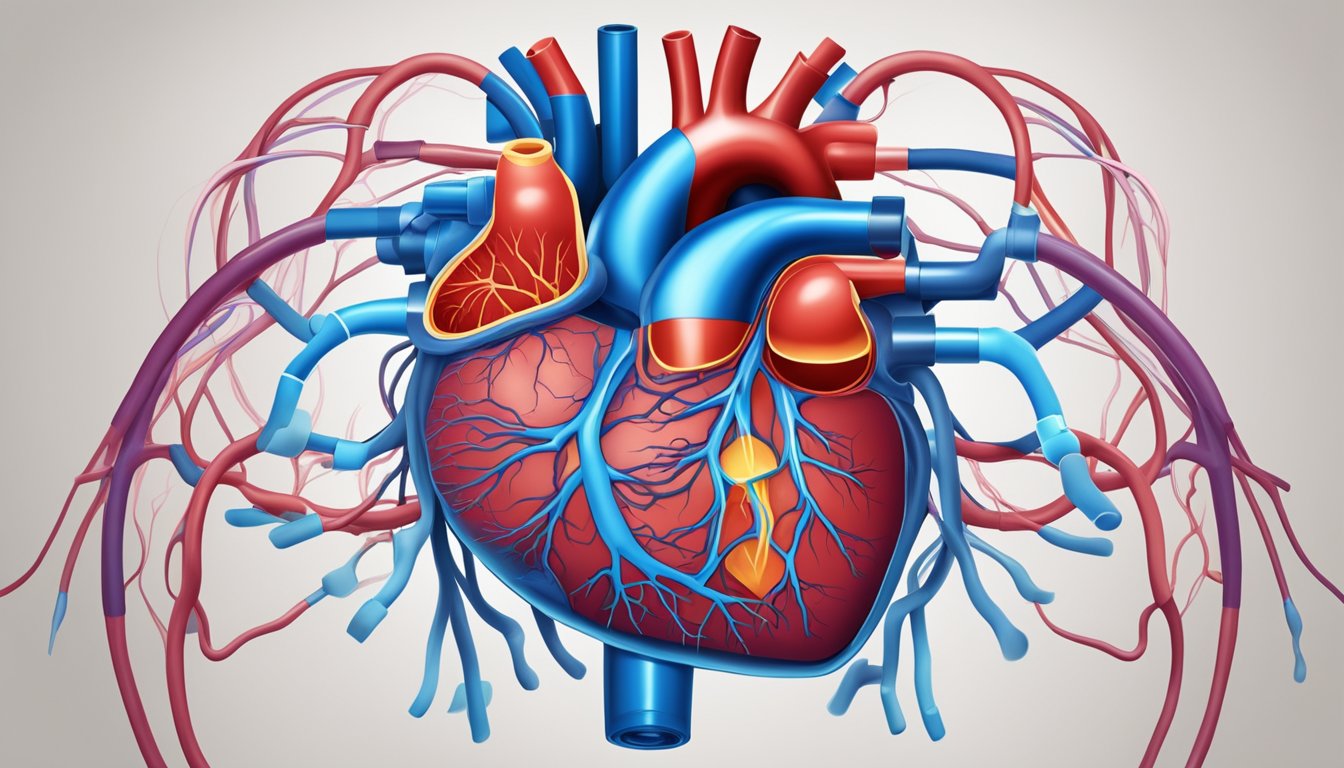
The heart is a vital organ that pumps blood throughout the body. However, it is susceptible to various disorders that can affect its ability to function properly. This section will discuss some of the most common cardiac disorders and their impact on the heart’s ability to circulate blood.
Coronary Artery Disease
Coronary artery disease (CAD) is a condition that occurs when the coronary arteries, which supply blood to the heart muscle, become narrowed or blocked. This can lead to chest pain (angina), heart attack, and other complications.
CAD is often caused by a buildup of plaque in the arteries, which can be caused by high blood pressure, high cholesterol, smoking, and other factors. Treatment for CAD may include lifestyle changes, medication, and in severe cases, surgery.
Valvular and Muscle Disorders
The heart has four valves that regulate blood flow through its chambers. Valvular disorders occur when these valves do not function properly, leading to conditions such as heart murmurs, valve stenosis, and valve regurgitation.
Muscle disorders, on the other hand, affect the heart’s ability to pump blood. These may be caused by various factors, including infections, medications, and genetic factors. Conditions such as cardiomyopathy and heart failure may result from muscle disorders.
Vascular Conditions
Vascular conditions affect the blood vessels that supply blood to the heart and other parts of the body. Peripheral artery disease, for example, occurs when the arteries in the legs become narrowed or blocked, leading to pain and other symptoms.
Other vascular conditions that can affect the heart include aneurysms, which are bulges in the walls of blood vessels, and arrhythmias, which are irregular heart rhythms. Treatment for these conditions may include medication, lifestyle changes, and in some cases, surgery.
It is important to note that while these conditions can be serious, many can be managed effectively with proper medical care and lifestyle changes. If you experience symptoms such as chest pain, shortness of breath, or palpitations, it is important to seek medical attention as soon as possible.
Getting assessed in Singapore
In Singapore, cardiology is provided in both the public and private sectors. Public heart services are concentrated at the National Heart Centre Singapore and the cardiology departments of the restructured hospitals, while private cardiologists practise from medical centres attached to private hospitals. A GP or polyclinic can arrange a referral, or a private clinic can be contacted directly.
Readers looking into this next usually want to know about an echocardiogram or a cardiac screening assessment; the clinic directly is also listed.
Frequently Asked Questions
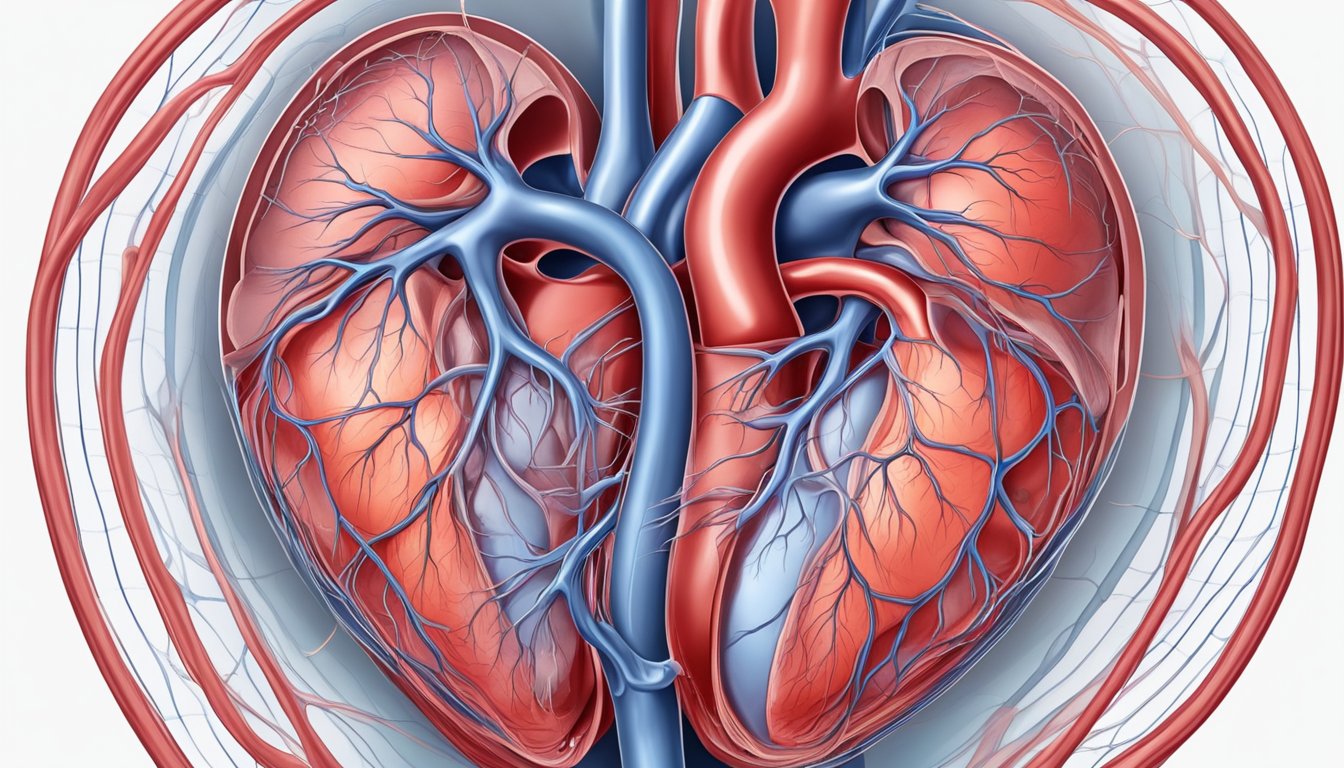
What is the sequence of blood flow through the cardiac chambers?
Blood flows through the heart in a specific sequence, starting with the right atrium, which receives deoxygenated blood from the body through the superior and inferior vena cava. The blood then passes through the tricuspid valve into the right ventricle. From there, it is pumped through the pulmonary valve into the pulmonary artery and on to the lungs, where it is oxygenated. Oxygenated blood then returns to the heart through the pulmonary veins and enters the left atrium. It then passes through the mitral valve into the left ventricle, which pumps it out of the heart through the aortic valve and into the systemic circulation.
How is oxygenated blood transported to the body’s tissues?
Oxygenated blood is transported to the body’s tissues via the systemic circulation. The left ventricle pumps oxygenated blood through the aorta, which branches into smaller arteries that carry blood to all parts of the body. The arteries eventually branch into smaller arterioles, which lead to the capillaries, where oxygen and nutrients are exchanged with the body’s tissues. The deoxygenated blood then returns to the heart via the venous system.
What role do the valves play in cardiac circulation?
The valves of the heart play a crucial role in ensuring that blood flows in the correct direction through the cardiac chambers. The tricuspid valve separates the right atrium from the right ventricle, while the mitral valve separates the left atrium from the left ventricle. The pulmonary valve separates the right ventricle from the pulmonary artery, and the aortic valve separates the left ventricle from the aorta. The opening and closing of these valves are timed to ensure that blood flows smoothly through the heart and to prevent backflow.
Can you describe the dual circulation system involving the lungs and the body?
The heart has a dual circulation system, consisting of the pulmonary circulation and the systemic circulation. The pulmonary circulation carries deoxygenated blood from the right ventricle to the lungs, where it is oxygenated. The oxygenated blood then returns to the left atrium via the pulmonary veins. The systemic circulation carries oxygenated blood from the left ventricle to the rest of the body, where it delivers oxygen and nutrients to the tissues. The deoxygenated blood then returns to the right atrium via the venous system.
How does the myocardium receive its blood supply?
The myocardium, or heart muscle, receives its blood supply from the coronary arteries. These arteries branch off from the aorta and supply oxygen and nutrients to the heart muscle. The heart’s blood supply is critical, as the heart requires a constant supply of oxygen and nutrients to function properly.
What are the key differences between systemic and pulmonary circulation?
The key difference between systemic and pulmonary circulation is the direction of blood flow. In systemic circulation, oxygenated blood is pumped from the left ventricle to the rest of the body, while deoxygenated blood returns to the right atrium. In pulmonary circulation, deoxygenated blood is pumped from the right ventricle to the lungs, where it is oxygenated, and then returns to the left atrium. Additionally, the pressure in the pulmonary circulation is lower than in the systemic circulation, as the lungs are not as resistant to blood flow as the rest of the body.
Further reading
- HealthHub — Cardiovascular Disease
- American Heart Association — Health Topics
- National Heart Centre Singapore — Conditions & Treatments
Disclaimer: This article is general information about cardiovascular health. It is not medical advice, diagnosis or treatment, and reading it does not create a doctor–patient relationship. Always seek the advice of your doctor or another qualified health professional with any questions you have about a medical condition, and never disregard or delay seeking medical advice because of something you have read here. If you think you may be having a medical emergency, call 995 or go to the nearest emergency department.