

Blood pressure and heart rate are two important vital signs that can provide valuable information about a person’s health. Blood pressure is the force of blood against the walls of arteries, while heart rate refers to the number of times the heart beats per minute. Understanding these two measurements can help individuals monitor their cardiovascular health and identify potential health problems.
Normal blood pressure for adults is typically around 120/80 mmHg, with variations depending on age, sex, and overall health. A normal resting heart rate for adults is between 60 and 100 beats per minute, although athletes or physically fit individuals may have lower resting heart rates. Exercise, emotions, and medications can all affect heart rate, while factors such as stress, smoking, and a high-sodium diet can contribute to high blood pressure.
Monitoring blood pressure and heart rate is important for individuals with certain health conditions, such as hypertension or heart disease. Regular monitoring can help detect changes in these vital signs and allow for early intervention to prevent complications. In this article, we will explore the relationship between blood pressure and heart rate, factors that can influence these measurements, and ways to monitor and manage heart health.
Key Takeaways
- Blood pressure and heart rate are two important vital signs that can provide valuable information about a person’s health.
- Normal blood pressure for adults is typically around 120/80 mmHg, while a normal resting heart rate for adults is between 60 and 100 beats per minute.
- Monitoring blood pressure and heart rate is important for individuals with certain health conditions, such as hypertension or heart disease.
Understanding Blood Pressure and Heart Rate
Blood Pressure Basics
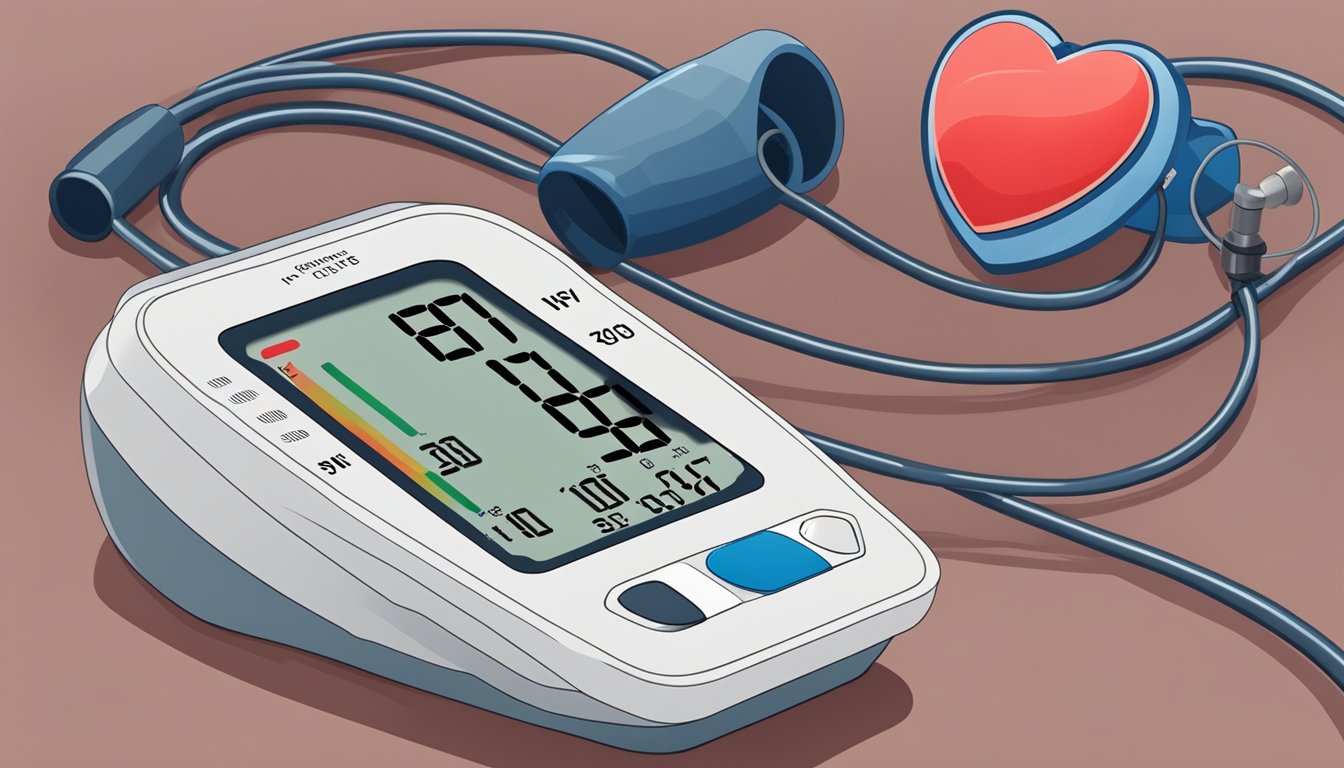
Blood pressure is the force of blood pushing against the walls of the blood vessels. It is measured in millimeters of mercury (mmHg) and is expressed as two numbers: systolic blood pressure (top number) and diastolic blood pressure (bottom number). Systolic blood pressure is the pressure in the arteries when the heart beats, while diastolic blood pressure is the pressure in the arteries when the heart rests between beats.
Normal blood pressure ranges from 90/60 mmHg to 120/80 mmHg. Blood pressure readings above 140/90 mmHg indicate hypertension, which is a serious medical condition that can lead to heart disease, stroke, and other health problems.
Heart Rate Fundamentals
Heart rate, also known as pulse, is the number of times the heart beats per minute (bpm). Resting heart rate is the heart rate when a person is at rest and not engaging in any physical activity. Maximum heart rate is the highest heart rate a person can achieve during exercise.
A normal resting heart rate for adults is between 60 and 100 bpm. Athletes may have a lower resting heart rate due to their increased cardiovascular fitness. Maximum heart rate is calculated by subtracting a person’s age from 220 bpm.
The Relationship Between Blood Pressure and Heart Rate
Blood pressure and heart rate are both indicators of cardiovascular health. The electrical system and nervous system of the body regulate both blood pressure and heart rate.
When the heart beats faster, such as during exercise, the blood pressure increases. However, blood pressure can also increase due to other factors such as stress, smoking, and obesity.
It is important to maintain a healthy blood pressure and heart rate to reduce the risk of cardiovascular disease. Regular exercise, a healthy diet, and stress management techniques can help to achieve and maintain a healthy blood pressure and heart rate.
Factors Influencing Blood Pressure and Heart Rate
Blood pressure and heart rate are two essential physiological parameters that are closely related to cardiovascular health. Several factors can influence these parameters, including physical activity, age, gender, stress, emotions, medications, and substances.
Physical Activity and Exercise
Physical activity and exercise are essential for maintaining cardiovascular health. Regular exercise can help to lower blood pressure and heart rate by improving the efficiency of the cardiovascular system. Exercise can also help to reduce stress and anxiety, which can contribute to high blood pressure and heart rate.
Age and Gender Considerations
Age and gender can also influence blood pressure and heart rate. As individuals age, their blood vessels become less elastic, and their heart muscles may weaken, leading to higher blood pressure and heart rate. Women may have lower blood pressure and heart rate than men due to hormonal differences.
Impact of Stress and Emotions
Stress and emotions can have a significant impact on blood pressure and heart rate. When individuals experience stress or anxiety, their bodies release hormones that can increase blood pressure and heart rate. Chronic stress can lead to long-term increases in blood pressure and heart rate, which can increase the risk of cardiovascular disease.
Effects of Medications and Substances
Several medications and substances can also influence blood pressure and heart rate. Caffeine, beta-blockers, hormones, smoking, and alcohol can all affect these parameters. It is essential to speak with a healthcare professional before taking any medications or substances that may affect blood pressure and heart rate.
It is important to note that blood pressure and heart rate can fluctuate throughout the day and can be influenced by many factors. Regular monitoring of these parameters can help individuals to identify potential health issues and take appropriate action. Individuals with high blood pressure or heart rate should speak with a healthcare professional for advice on managing these conditions.
Health Conditions and Complications
Hypertension and Hypotensive Conditions
Hypertension, also known as high blood pressure, is a common condition that affects many people. It is often referred to as the “silent killer” because it often has no symptoms but can lead to serious health problems if left untreated. High blood pressure can cause damage to the blood vessels and organs, including the heart, brain, and kidneys.
On the other hand, hypotension, or low blood pressure, can also cause health problems. It can cause dizziness, fainting, and even shock in severe cases. Hypotension can be caused by a variety of factors, including dehydration, blood loss, and certain medications.
Heart Diseases and Arrhythmias
High blood pressure can also lead to heart diseases and arrhythmias. When the heart has to work harder than normal to pump blood through the body, it can become enlarged and weakened over time. This can lead to heart failure, a condition in which the heart is unable to pump enough blood to meet the body’s needs.
Arrhythmias, or irregular heartbeats, can also be caused by high blood pressure. Atrial fibrillation, a common type of arrhythmia, is often associated with hypertension. This condition can increase the risk of stroke and other serious health problems.
Recognising Serious Symptoms
It is important to recognise the symptoms of serious health problems that can be caused by high blood pressure and other related conditions. Symptoms such as chest pain, shortness of breath, palpitations, and weakness can be signs of a heart attack or stroke. If you experience any of these symptoms, it is important to seek medical attention immediately.
Chronic kidney disease is another serious health problem that can be caused by high blood pressure. This condition can lead to kidney failure and the need for dialysis or a kidney transplant.
It is important to monitor blood pressure regularly and to seek medical attention if you have any concerns about your health. Lifestyle changes, such as exercise and a healthy diet, can help to lower blood pressure and reduce the risk of serious health problems. However, medication may be necessary in some cases.
Monitoring and Managing Heart Health
Measuring and Tracking Vital Signs
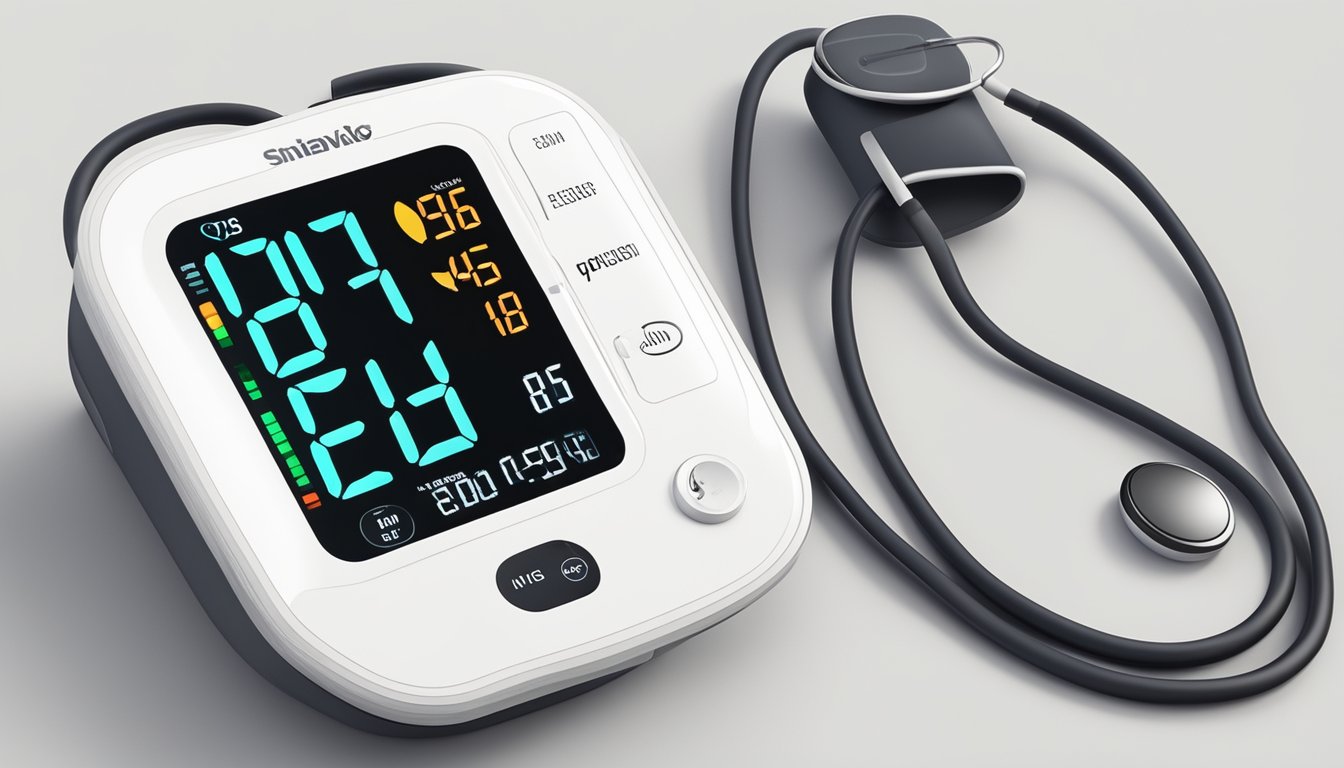
Measuring and tracking vital signs, such as blood pressure and heart rate, is an essential part of maintaining a healthy heart. Blood pressure is the force of blood against the walls of the arteries, and it is measured in millimeters of mercury (mmHg). The American Heart Association recommends that blood pressure should be less than 120/80 mmHg.
Heart rate, also known as pulse rate, is the number of times the heart beats per minute. The target heart rate for most adults is between 60 and 100 beats per minute. Measuring and tracking these vital signs can help detect any changes that may indicate an underlying heart condition.
Lifestyle Modifications for Better Heart Health
Making lifestyle modifications can help improve heart health. Some of the changes that can be made include:
- Eating a healthy diet that is low in saturated and trans fats, cholesterol, and sodium
- Engaging in regular physical activity, such as walking, cycling, or swimming, for at least 30 minutes a day
- Maintaining a healthy body weight
- Quitting smoking
- Limiting alcohol consumption
By making these changes, individuals can reduce their risk of developing heart disease and other related conditions.
When to Seek Medical Attention
If an individual experiences any symptoms of heart disease, such as chest pain, shortness of breath, or dizziness, they should seek medical attention immediately. Additionally, if an individual has a family history of heart disease or has been diagnosed with high blood pressure or high cholesterol, they should have regular check-ups with their doctor.
Treatment for heart disease may include lifestyle modifications, such as those listed above, as well as medications and other medical interventions. The American College of Cardiology and the American Heart Association provide guidelines for the management of heart disease.
It is important to note that heart disease is a leading cause of death in the UK. By monitoring and managing heart health through regular check-ups, lifestyle modifications, and medical treatment, individuals can reduce their risk of developing heart disease and improve their overall health.
Getting assessed in Singapore
In Singapore, ongoing cardiovascular management is shared between primary care and cardiology. Many people have blood pressure, cholesterol and diabetes reviewed by a GP or polyclinic, with specialist input where a cardiac problem is suspected or already diagnosed. Referral can be arranged through primary care, or a private clinic can be contacted directly.
If this is relevant to your own situation, you can read what is involved in ambulatory blood pressure monitoring or managing cholesterol and blood pressure, or browse the cardiac services list.
For the background to this, see hypertension and cardiovascular risk.
Frequently Asked Questions
What are the standard blood pressure and pulse rates for different age groups?
Blood pressure and pulse rate can vary depending on a person’s age, sex, and health status. The standard blood pressure for an adult is 120/80 mmHg. However, blood pressure can be considered normal if it falls within the range of 90/60 mmHg to 120/80 mmHg. The normal pulse rate for an adult is between 60 to 100 beats per minute (bpm). However, it can vary depending on factors such as age, physical activity, and stress levels.
How might one interpret a blood pressure chart?
A blood pressure chart is a tool used to monitor and track blood pressure readings over time. It is important to interpret the chart correctly to understand the trend of blood pressure readings. Blood pressure readings that consistently fall above the normal range can be an indication of hypertension. Blood pressure readings that consistently fall below the normal range can be an indication of hypotension.
What are the treatments available for concurrent hypertension and tachycardia?
Hypertension and tachycardia can be treated with lifestyle changes and medication. Lifestyle changes such as regular exercise, a healthy diet, and stress management can help reduce blood pressure and heart rate. Medication such as beta-blockers, calcium channel blockers, and diuretics can also be prescribed to help control blood pressure and heart rate.
What methods can effectively reduce hypertension?
Lifestyle changes such as regular exercise, a healthy diet, and stress management can be effective in reducing hypertension. Medications such as beta-blockers, calcium channel blockers, and diuretics can also be prescribed to help control blood pressure. It is important to work with a healthcare professional to determine the best treatment plan for hypertension.
Is there a correlation between blood pressure and pulse rate?
Blood pressure and pulse rate are both important vital signs that can be used to monitor a person’s health. There can be a correlation between blood pressure and pulse rate, as they can both be affected by factors such as physical activity, stress, and health conditions. However, it is important to note that they are not always directly related.
What could be the cause of a low blood pressure coupled with a high heart rate?
A low blood pressure coupled with a high heart rate can be an indication of a medical condition such as dehydration, anaemia, or hyperthyroidism. It is important to consult with a healthcare professional to determine the underlying cause and appropriate treatment plan.
Further reading
- HealthHub — Cardiovascular Disease
- Health Promotion Board — Healthy Living
- National Heart Centre Singapore — Conditions & Treatments
Disclaimer: This article is general information about cardiovascular health. It is not medical advice, diagnosis or treatment, and reading it does not create a doctor–patient relationship. Always seek the advice of your doctor or another qualified health professional with any questions you have about a medical condition, and never disregard or delay seeking medical advice because of something you have read here. If you think you may be having a medical emergency, call 995 or go to the nearest emergency department.