

Heart palpitations can be a frightening experience, causing individuals to feel as though their heart has skipped a beat or is racing. While palpitations are often harmless, they can sometimes be a sign of a serious underlying condition. Understanding the causes and symptoms of heart palpitations can help individuals determine when to seek medical attention and how to manage their symptoms.
Heart palpitations are a sensation of the heart beating irregularly, fluttering, or racing. They can be caused by a variety of factors, including stress, anxiety, caffeine, and certain medications. In some cases, heart palpitations may be a sign of an underlying heart condition, such as arrhythmia or heart disease. Individuals who experience heart palpitations should pay close attention to their symptoms and seek medical attention if they are accompanied by chest pain, shortness of breath, or fainting.
Diagnostic procedures, such as electrocardiogram (ECG) testing, can help doctors determine the cause of heart palpitations and develop an appropriate treatment plan. Treatment for heart palpitations may include lifestyle changes, such as reducing caffeine intake and managing stress, as well as medications or surgical procedures. With proper diagnosis and management, individuals with heart palpitations can lead healthy, active lives.
Key Takeaways
- Heart palpitations can be caused by a variety of factors, including stress, anxiety, and certain medications.
- Heart palpitations can be a sign of an underlying heart condition, such as arrhythmia or heart disease.
- Diagnostic procedures, such as ECG testing, can help doctors determine the cause of heart palpitations and develop an appropriate treatment plan.
Understanding Heart Palpitations

Heart palpitations, also known as fluttering or skipped heartbeat, refer to the sensation of feeling your heart beating irregularly or faster than usual. This sensation can be felt in your chest, throat, or neck. It can be caused by a variety of factors, including stress, anxiety, caffeine, alcohol, nicotine, smoking, cocaine, exercise, pregnancy, menopause, high blood pressure, heart disease, and dehydration.
Symptoms and Signs
Heart palpitations can manifest in different ways, including a pounding or racing heart, skipped beats, fluttering, or an irregular heartbeat. Some people may also experience dizziness, chest pain, shortness of breath, or fainting. It is important to note that while heart palpitations can be alarming, they are not always a sign of a serious medical condition.
Common Causes
Heart palpitations can be caused by a variety of factors, including stress and anxiety, panic attacks, caffeine, alcohol, nicotine, smoking, and cocaine use. They may also be caused by exercise, pregnancy, menopause, high blood pressure, heart disease, and dehydration. In some cases, heart palpitations may be a side effect of medication.
When to See a Doctor
If you experience heart palpitations that are sudden, severe, or accompanied by chest pain, shortness of breath, or fainting, it is important to seek medical attention immediately. Additionally, if you have a history of heart disease or other medical conditions, it is important to consult with your doctor to determine the cause of your heart palpitations.
It is important to note that while heart palpitations can be alarming, they are not always a sign of a serious medical condition. However, if you experience heart palpitations frequently or they are accompanied by other symptoms, it is important to seek medical attention to rule out any underlying medical conditions.
Diagnostic Procedures
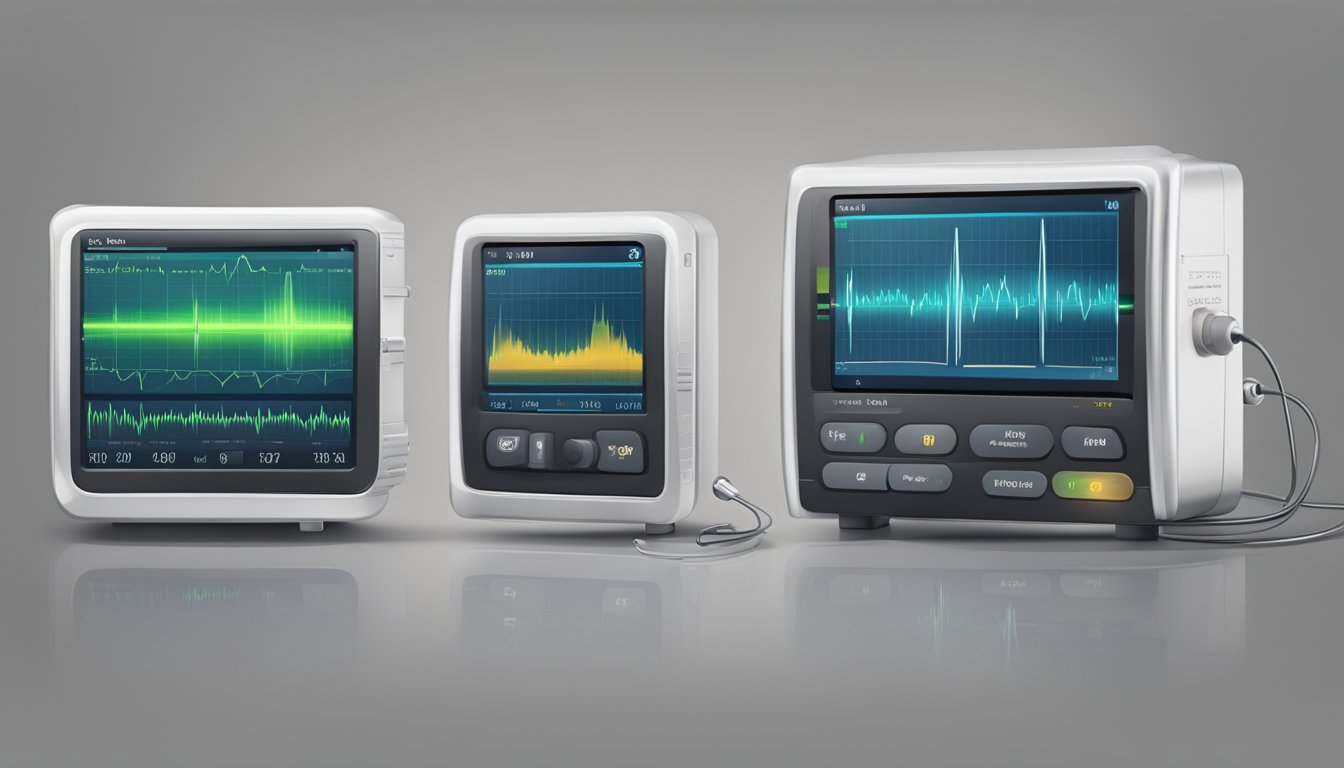
When a patient presents with symptoms of heart palpitations or skipped beats, a healthcare professional will typically perform a number of diagnostic procedures to determine the underlying cause. These may include an electrocardiogram (ECG), Holter monitoring, and additional tests.
Electrocardiogram (ECG)
An electrocardiogram (ECG) is a non-invasive test that measures the electrical activity of the heart. During an ECG, electrodes are attached to the patient’s chest, arms, and legs, and a machine records the electrical signals produced by the heart. This test can detect abnormal heart rhythms, such as arrhythmia, and can help identify the location of the problem within the heart.
Holter Monitoring
Holter monitoring is a type of ECG that is performed over a longer period of time, typically 24 to 48 hours. During this test, the patient wears a small, portable device that records the electrical activity of the heart. This test is useful for detecting arrhythmias that may not occur during a short ECG test.
Additional Tests
In some cases, additional tests may be necessary to diagnose the underlying cause of heart palpitations or skipped beats. Blood tests can be used to check for electrolyte imbalances, thyroid problems, and other conditions that can cause heart rhythm disturbances. Medical attention is important for proper diagnosis and treatment.
It is important to note that diagnostic procedures should only be performed by a qualified healthcare professional. Patients should always seek medical attention if they experience symptoms of heart palpitations or skipped beats.
Treatment and Management
When a person experiences heart palpitations or skipped beats, it is important to seek medical attention to determine the underlying cause. Treatment and management of heart palpitations depend on the cause and severity of the condition.
Medications and Therapies
Medications may be prescribed to manage heart palpitations caused by certain medical conditions. For example, beta-blockers may be prescribed to manage palpitations caused by arrhythmias, such as atrial fibrillation or ventricular tachycardia. Calcium channel blockers may also be prescribed to manage palpitations caused by supraventricular tachycardia.
In some cases, electrical signals in the heart may be disrupted, leading to heart palpitations. In such cases, a pacemaker may be implanted to regulate the heart’s electrical signals and prevent palpitations.
Lifestyle Modifications
Lifestyle changes may also be recommended to manage heart palpitations. These changes may include reducing or eliminating caffeine and alcohol consumption, staying hydrated, and maintaining a healthy diet and exercise routine.
Stress and anxiety can also trigger heart palpitations. Relaxation techniques such as meditation and yoga may help manage palpitations caused by stress and anxiety.
Emergency Interventions
In some cases, heart palpitations may be a sign of a more serious condition, such as a heart attack or stroke. If a person experiences heart palpitations along with symptoms such as chest pain, lightheadedness, or difficulty breathing, they should seek emergency medical attention.
Illegal drugs, amphetamines, and cold medicines may also cause heart palpitations. It is important to avoid these substances to prevent palpitations.
It is important to note that heart palpitations may also be a symptom of a congenital heart defect, heart failure, or other medical conditions. If a person experiences frequent or persistent heart palpitations, they should seek medical attention to determine the underlying cause and appropriate treatment.
Disclaimer: The information provided in this article is for educational purposes only and is not intended as medical advice. Always consult with a qualified healthcare professional before making any changes to your healthcare routine.
Frequently Asked Questions

What does it signify when one feels their heart momentarily stop?
Feeling like your heart has momentarily stopped can be a sign of a skipped heartbeat or a heart palpitation. It is important to note that these sensations are common and usually harmless. However, if you experience other symptoms such as chest pain, shortness of breath, or dizziness, it is advisable to seek medical attention.
Is it normal for the heart to occasionally miss a beat?
Yes, it is normal for the heart to occasionally miss a beat. In fact, most people experience this sensation at some point in their lives. It is usually harmless and can be caused by various factors such as stress, anxiety, or caffeine intake.
What could be the reasons for the heart to miss beats?
There are several reasons why the heart may miss beats. These include:
- Stress and anxiety
- Caffeine and alcohol consumption
- Certain medications
- Hormonal changes
- Heart disease
- Electrolyte imbalances
How can one address the issue of their heart skipping beats?
If you experience heart palpitations or skipped beats frequently, it is advisable to speak to your doctor. They may recommend lifestyle changes such as reducing caffeine intake or managing stress levels. In some cases, medication may be prescribed to regulate the heartbeat.
What is the acceptable frequency of heartbeats being skipped?
There is no specific acceptable frequency of heartbeats being skipped. However, if you experience frequent or persistent heart palpitations, it is advisable to seek medical attention.
Over several days, my heart has been missing beats; should I be concerned?
If you experience persistent heart palpitations or skipped beats over several days, it is advisable to seek medical attention. Your doctor may recommend further tests to determine the underlying cause of the palpitations. It is important to note that in most cases, heart palpitations are harmless and can be easily managed with lifestyle changes or medication.
Disclaimer: The information provided in this article is for educational purposes only and should not be used as a substitute for professional medical advice. Always consult your doctor if you have any concerns about your heart health.