

Heart attacks are a serious medical emergency that require immediate attention. One of the most common diagnostic tools used to diagnose heart attacks is an electrocardiogram (ECG). An ECG is a non-invasive test that measures the electrical activity of the heart. It is a simple and painless procedure that can provide valuable information about the heart’s health.
Understanding ECG in the Context of Heart Attacks is crucial to interpreting the results accurately. An ECG can show whether the heart is receiving enough blood and oxygen, and can detect abnormal heart rhythms. In the context of a heart attack, an ECG can show changes in the heart’s electrical activity that indicate damage to the heart muscle. These changes can help doctors diagnose a heart attack quickly and accurately, which is essential for providing prompt and effective treatment.
Clinical Interpretation of Heart Attack ECG Results is a complex process that requires a trained medical professional. The results of an ECG can be difficult to interpret, especially in the context of a heart attack. However, with proper training and experience, doctors can use ECG results to diagnose a heart attack and determine the best course of treatment for the patient. It is important to note that an ECG is just one tool used to diagnose a heart attack, and doctors may use other tests and procedures to confirm the diagnosis and assess the extent of the damage to the heart.
Key Takeaways
- An ECG is a non-invasive test that measures the electrical activity of the heart and can provide valuable information about the heart’s health.
- Understanding ECG in the Context of Heart Attacks is crucial to interpreting the results accurately.
- Clinical Interpretation of Heart Attack ECG Results is a complex process that requires a trained medical professional.
Understanding ECG in the Context of Heart Attacks
Basics of Electrocardiogram (ECG/EKG)
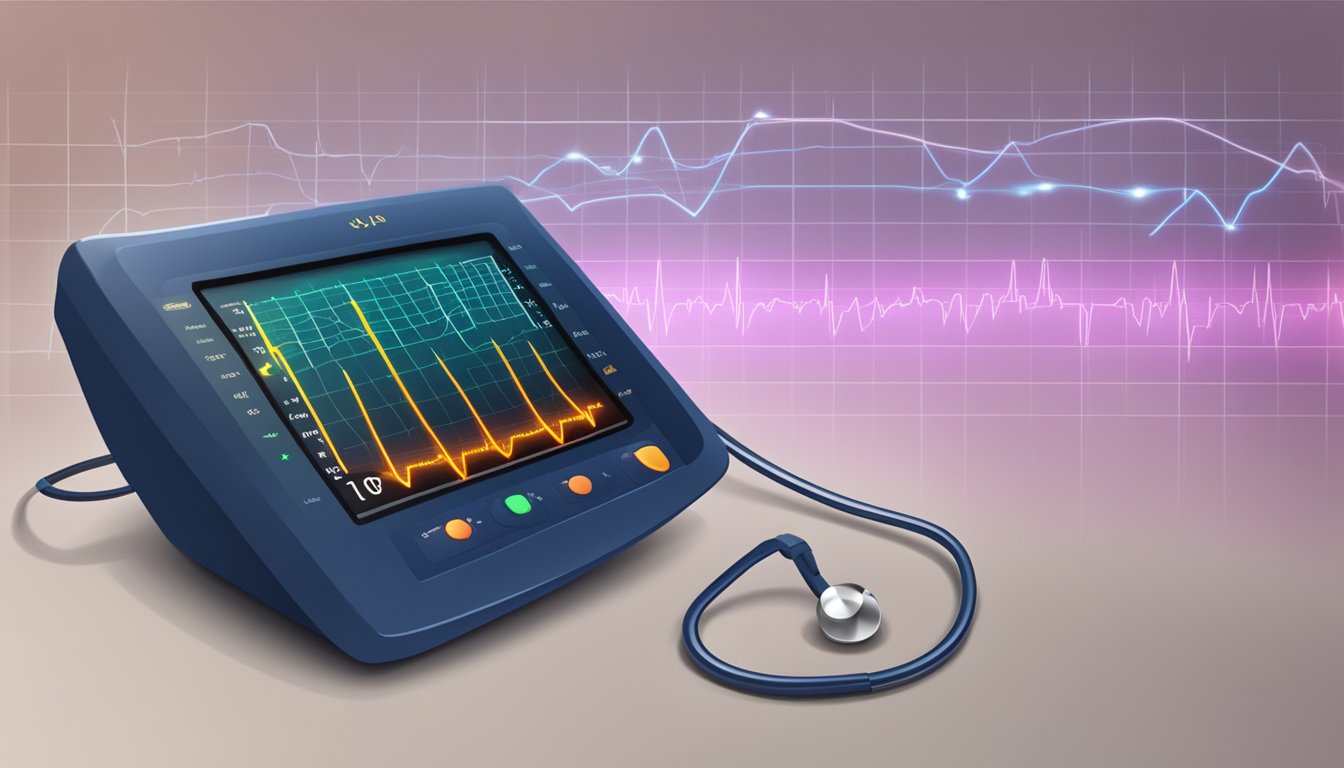
An electrocardiogram (ECG/EKG) is a non-invasive test that measures the electrical activity of the heart. The test records the electrical signals that make the heart muscle contract and relax. The ECG/EKG can help in diagnosing various heart conditions, including heart attacks. The test involves attaching electrodes to the chest, arms, and legs to record the electrical activity of the heart.
Heart Attack Indicators on an ECG
ECG/EKG results can show indicators of a heart attack. The test can detect changes in the rhythm and wave patterns of the heart. A heart attack may cause changes in the T wave, P wave, QRS complex, and ST segment on the ECG/EKG. The T wave may become inverted, and the ST segment may become elevated or depressed. These changes may indicate that the heart muscle is not receiving enough oxygen and nutrients due to blocked or narrowed heart arteries.
Distinguishing Heart Attack from Other Cardiac Conditions
It is essential to distinguish heart attack from other cardiac conditions using ECG/EKG results. The test can help diagnose various heart conditions, including arrhythmias and heart failure. Arrhythmias may cause irregular heartbeats, while heart failure may cause slow or fast heartbeats. The ECG/EKG can help distinguish between these conditions and a heart attack.
It is important to note that an ECG/EKG is not always accurate in detecting a heart attack. Other imaging tests, such as blood tests, CT scans, and cardiac MRI, may be necessary to confirm a heart attack diagnosis. It is also important to seek medical attention immediately if you experience symptoms of a heart attack, such as chest pain, shortness of breath, and nausea.
Disclaimer: The information provided is for educational purposes only and is not intended to replace medical advice. Always consult a healthcare professional for medical advice and treatment.
Clinical Interpretation of Heart Attack ECG Results
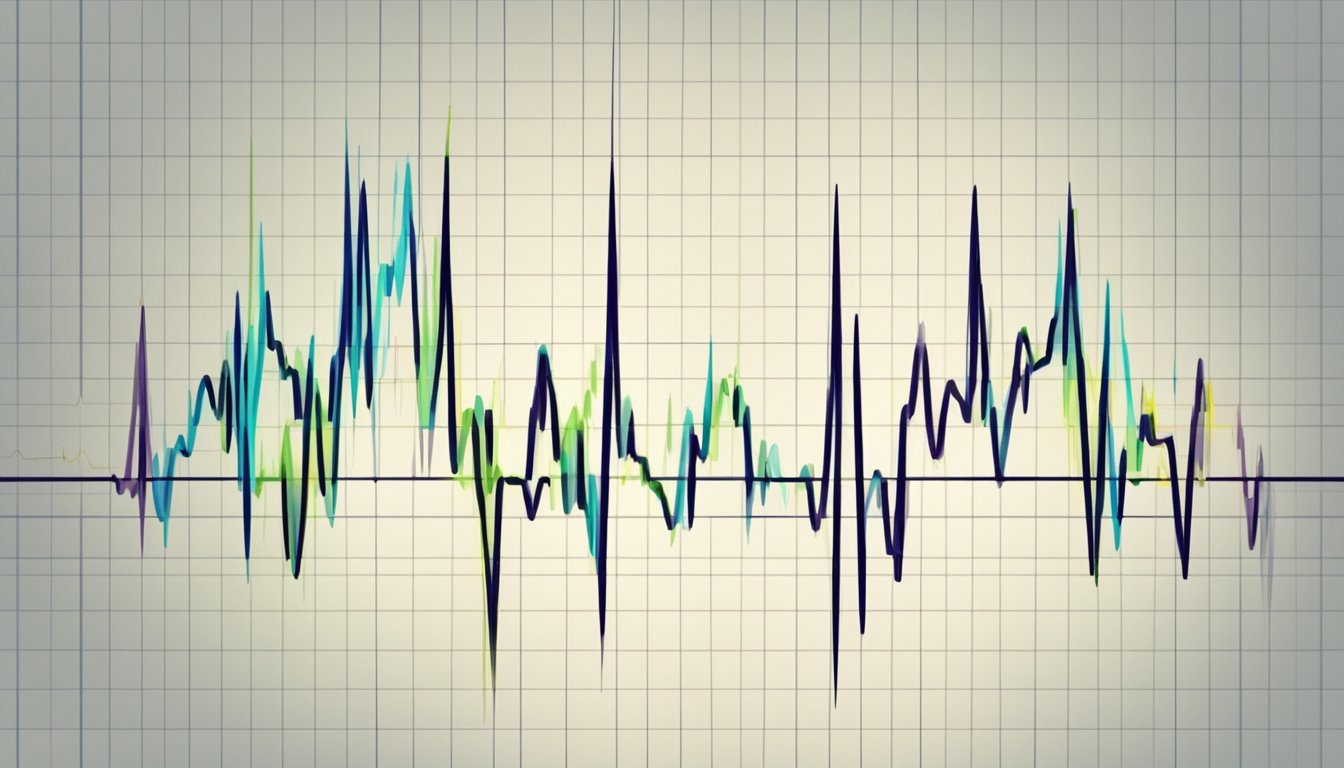
An electrocardiogram (ECG) is a diagnostic tool that is routinely used to assess the electrical and muscular functions of the heart. It is a non-invasive test that records the electrical activity of the heart through electrodes placed on the skin. ECG results can help diagnose a heart attack, also known as a myocardial infarction (MI), by showing abnormalities in the heart’s electrical activity.
Analysing ECG Waveforms and Segments
ECG waveforms and segments are analysed to identify abnormalities that may indicate a heart attack. The ST segment is a critical segment of the ECG waveform that is analysed to diagnose a heart attack. A ST-segment elevation myocardial infarction (STEMI) occurs when the ST segment is elevated above the baseline, indicating a complete blockage of a coronary artery. A non-ST segment elevation myocardial infarction (NSTEMI) occurs when there is no ST-segment elevation, but there are other ECG abnormalities that suggest a heart attack.
Role of a Cardiologist in Diagnosis
A cardiologist is a medical professional who specialises in diagnosing and treating heart conditions. A cardiologist plays a crucial role in diagnosing a heart attack by interpreting ECG results. They can identify abnormalities in the ECG waveform and segments that suggest a heart attack. A cardiologist may also order additional diagnostic tests, such as blood tests, to confirm the diagnosis.
Correlation with Other Diagnostic Tests
ECG results are often correlated with other diagnostic tests to confirm a heart attack diagnosis. Blood tests, such as troponin, can detect proteins released into the bloodstream when the heart muscle is damaged. A CT scan or cardiac MRI can provide detailed images of the heart to confirm the diagnosis. Correlating ECG results with other diagnostic tests can help provide a more accurate diagnosis of a heart attack.
It is important to note that ECG results are just one piece of information used to diagnose a heart attack. A cardiologist will consider the patient’s medical history, symptoms, and other diagnostic tests when making a diagnosis. It is essential to consult a medical professional for an accurate diagnosis and treatment plan.
Risk Factors and Prevention of Heart Attacks
Heart attack is a serious medical condition that requires immediate medical attention. Understanding the role of lifestyle and genetics in heart attack risk is crucial to its prevention and management.
Understanding the Role of Lifestyle and Genetics
Several risk factors can increase the likelihood of developing a heart attack. Some of these risk factors can be controlled, while others cannot. Age, family history, smoking, high blood pressure, diabetes, and high cholesterol are all significant risk factors for heart attack.
A healthy lifestyle can significantly reduce the risk of developing a heart attack. Regular exercise, a heart-healthy diet, and avoiding smoking are all essential components of a healthy lifestyle. Additionally, maintaining a healthy weight and managing stress can help prevent heart attack.
Importance of Early Detection and Regular Monitoring
Early detection and regular monitoring are crucial for preventing heart attack. Regular screening tests such as electrocardiograms (ECG) can help detect heart disease before symptoms occur. An ECG can identify heart rhythm problems, such as atrial fibrillation, which can increase the risk of blood clots and stroke.
Moreover, an ECG can also detect signs of atherosclerosis, a condition where plaque builds up in the arteries, which can lead to heart attack. Congenital heart disease can also be detected through an ECG.
It is important to note that while prevention is key, not all heart attacks can be prevented. In some cases, heart attacks can occur suddenly and without warning. Therefore, it is essential to seek immediate medical attention if you experience any symptoms of a heart attack, such as chest pain, shortness of breath, or dizziness.
The American Heart Association recommends that individuals over the age of 20 should have their cholesterol levels checked every four to six years. Additionally, individuals with a family history of heart disease should be screened more frequently.
It is important to consult a healthcare professional for personalised advice on heart attack prevention and management. This article is for informational purposes only and should not be used as a substitute for medical advice.
Treatment and Management of Heart Attack Patients

Immediate and Long-Term Treatment Options
The immediate treatment of a heart attack patient involves restoring blood flow to the heart muscle as quickly as possible. This can be achieved through medications such as thrombolytic agents or through surgical procedures such as angioplasty or bypass surgery. Thrombolytic agents are powerful blood-thinning medications that dissolve the clot and remove the blockage in the artery. Angioplasty involves the insertion of a catheter into the blocked artery, followed by the inflation of a balloon to widen the artery. Bypass surgery involves the creation of a new route for blood to flow around the blocked artery.
Long-term treatment options for heart attack patients include lifestyle modifications such as regular exercise, a healthy diet, and stress management. Medications may also be prescribed to lower blood pressure, cholesterol, and prevent blood clots. In some cases, a pacemaker may be necessary to regulate the heart rhythm. Patients who have suffered from heart damage may require heart failure treatment.
Rehabilitation and Lifestyle Modifications
Rehabilitation is an essential part of the treatment process for heart attack patients. It involves a combination of exercise, education, and emotional support. Exercise is important for improving heart health, reducing fatigue, and preventing future heart attacks. Patients are encouraged to engage in regular physical activity, such as walking, cycling, or swimming.
Lifestyle modifications such as quitting smoking, reducing alcohol consumption, and managing stress are also important for preventing future heart attacks. Patients are advised to follow a healthy diet that is low in saturated and trans fats, and high in fruits, vegetables, whole grains, and lean protein.
Advancements in Heart Attack Treatment
Advancements in heart attack treatment have led to improved outcomes for patients. New medications such as beta-blockers, ACE inhibitors, and statins have been developed to lower blood pressure, reduce cholesterol, and prevent blood clots. Surgical procedures such as angioplasty and bypass surgery have become less invasive and more effective.
In addition, new technologies such as implantable cardioverter-defibrillators (ICDs) and left ventricular assist devices (LVADs) have been developed to treat arrhythmias and heart failure. These devices can help regulate the heart rhythm and improve heart function.
It is important to note that every patient is unique, and treatment options may vary depending on individual circumstances. Patients should consult with their healthcare provider to determine the best course of treatment for their specific needs.
Frequently Asked Questions
What are the distinguishing features of a heart attack on an electrocardiogram compared to a normal reading?
An electrocardiogram (ECG) is a diagnostic tool used to detect heart problems. When there is a heart attack, the ECG will show changes in the electrical activity of the heart. The most common changes seen on an ECG during a heart attack include ST-segment elevation, T-wave inversion, and the presence of Q waves. These changes indicate that there is a blockage in one or more of the coronary arteries, which supply blood to the heart muscle.
How does an electrocardiogram present differently in women experiencing a myocardial infarction?
Women experiencing a myocardial infarction (MI) may have different symptoms than men. They may also have different ECG findings. Women are more likely to have atypical symptoms such as fatigue, shortness of breath, and nausea, which may not be immediately recognized as signs of a heart attack. The ECG may show subtle changes such as ST-segment depression, which can be easily missed. Therefore, it is important for healthcare providers to be aware of these differences and to consider the possibility of a heart attack in women with atypical symptoms.
What is the time frame within which an electrocardiogram can detect a heart attack after its occurrence?
An ECG can detect a heart attack within minutes of its occurrence. The changes seen on the ECG may persist for several hours or even days after the heart attack. However, if the ECG is done too soon after the onset of symptoms, it may not show any abnormalities. Therefore, it is important to seek medical attention immediately if you experience symptoms of a heart attack such as chest pain, shortness of breath, and nausea.
Is it possible to have a normal electrocardiogram following a myocardial infarction?
It is possible to have a normal ECG following a myocardial infarction (MI). This is because the ECG may not show any abnormalities if the heart attack was small or if it occurred in an area of the heart that is not easily detected by the ECG. However, a normal ECG does not rule out the possibility of a heart attack. Other diagnostic tests such as blood tests and imaging studies may be needed to confirm the diagnosis.
How effective is the Apple Watch in detecting electrocardiogram changes indicative of a heart attack?
The Apple Watch has a feature that allows users to take an ECG and detect changes in heart rhythm. While this feature has the potential to detect abnormalities that may be indicative of a heart attack, it is not a substitute for a medical evaluation. The accuracy of the Apple Watch in detecting ECG changes has not been extensively studied, and it may not be reliable in all cases. Therefore, it is important to seek medical attention if you experience symptoms of a heart attack, even if your Apple Watch ECG is normal.
What do abnormal electrocardiogram results typically indicate about cardiac health?
Abnormal ECG results can indicate a wide range of cardiac problems, including arrhythmias, heart block, and coronary artery disease. The specific abnormalities seen on the ECG can provide important clues about the underlying cardiac condition. However, a definitive diagnosis cannot be made based on the ECG alone. Other diagnostic tests such as blood tests and imaging studies may be needed to confirm the diagnosis. It is important to follow up with a healthcare provider if you have abnormal ECG results to determine the appropriate next steps.