
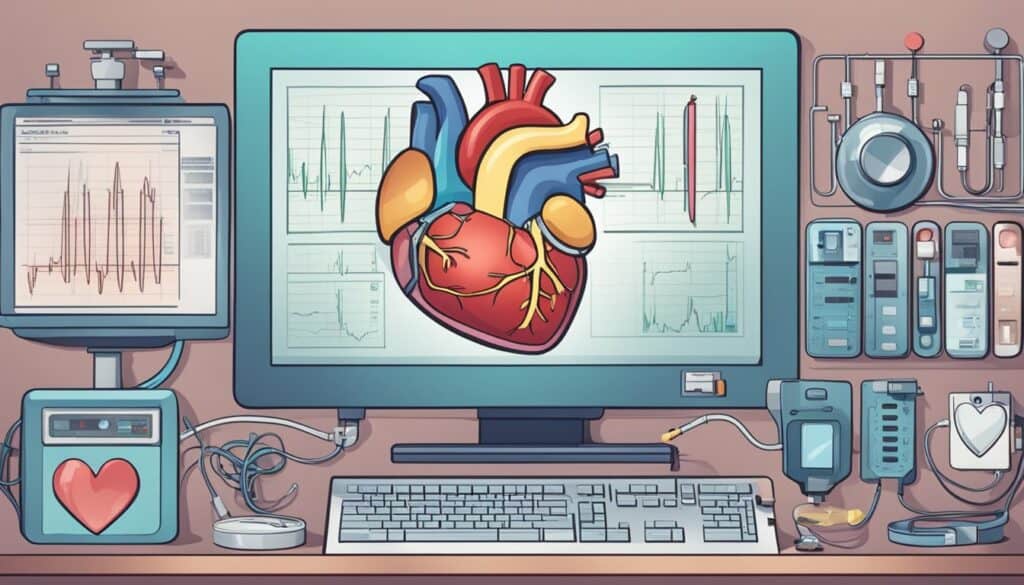
Congenital heart disease is a condition that affects the heart’s structure and function. It is a condition that is present at birth and can affect people of all ages. Congenital heart disease in adults is a growing concern, as more and more people are living with the condition due to advances in medical care and treatment.
Understanding Congenital Heart Disease in Adults is essential for patients, their families, and healthcare providers. There are many different types of congenital heart disease, and each patient’s experience is unique. Some patients may have mild symptoms that do not require treatment, while others may require surgery or other interventions to manage their condition.
Key Takeaways
- Congenital heart disease is a condition that affects the heart’s structure and function and is present at birth.
- Understanding Congenital Heart Disease in Adults is essential for patients, their families, and healthcare providers.
- Management and Treatment Options for Congenital Heart Disease in Adults depend on the specific type of heart condition and how severe it is.
Understanding Congenital Heart Disease in Adults
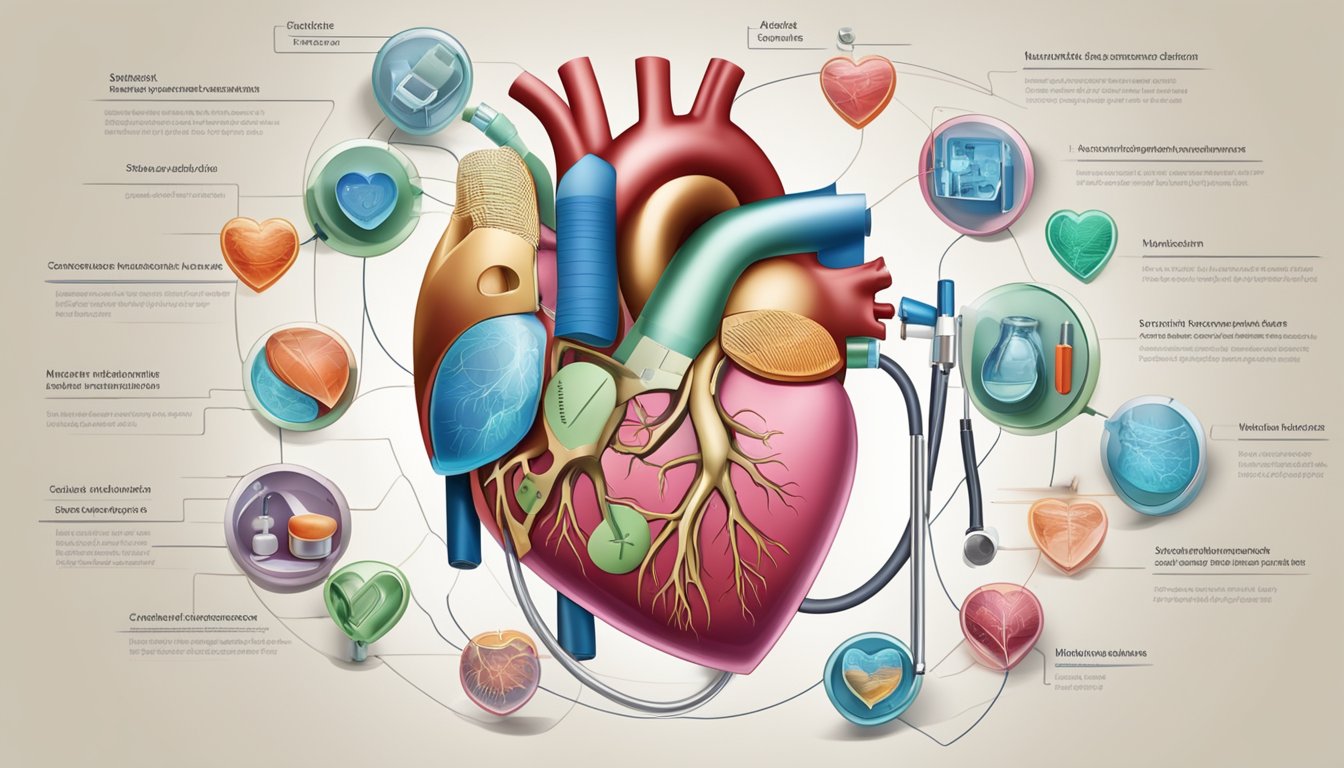
Congenital heart disease (CHD) is a structural abnormality of the heart that is present at birth. It can affect the heart’s structure, function, or both. CHD is the most common birth defect, with an incidence of approximately 1 in 100 live births. While some CHD cases are mild and require no treatment, others can be severe and life-threatening.
Epidemiology and Prevalence
The prevalence of CHD in adults is increasing due to advances in medical and surgical interventions that have improved survival rates. In the UK, it is estimated that there are over 300,000 adults living with CHD, and this number is expected to rise.
Types and Pathophysiology
There are many types of CHD, each with its own pathophysiology. Some common types of CHD in adults include:
- Tetralogy of Fallot: a combination of four heart defects that affect blood flow to the lungs and body.
- Transposition of the Great Arteries: a condition where the two main arteries leaving the heart are switched.
- Atrial Septal Defect: a hole in the wall separating the two upper chambers of the heart.
- Ventricular Septal Defect: a hole in the wall separating the two lower chambers of the heart.
- Hypoplastic Left Heart Syndrome: a condition where the left side of the heart is underdeveloped.
- Pulmonary Atresia: a condition where the pulmonary valve is blocked or missing.
- Tricuspid Atresia: a condition where the tricuspid valve is blocked or missing.
- Patent Ductus Arteriosus: a condition where a blood vessel that should have closed after birth remains open.
- Coarctation of the Aorta: a narrowing of the aorta, the main artery that carries blood from the heart to the body.
- Eisenmenger Syndrome: a condition where a left-to-right shunt in the heart causes pulmonary hypertension and reversal of blood flow.
- Truncus Arteriosus: a condition where there is only one large blood vessel leaving the heart instead of two.
- Bicuspid Aortic Valve: a condition where the aortic valve has two leaflets instead of three.
- Ebstein Anomaly: a condition where the tricuspid valve is abnormally positioned and does not work properly.
- Patent Foramen Ovale: a hole in the wall separating the two upper chambers of the heart that should have closed after birth.
- Pulmonary Valve Stenosis: a condition where the pulmonary valve is narrowed.
- Congenitally Corrected Transposition of the Great Arteries: a condition where the two main arteries leaving the heart are switched, but the heart is structured in a way that allows it to function normally.
- Univentricular Heart: a condition where there is only one functional ventricle instead of two.
- Systemic Right Ventricle: a condition where the right ventricle becomes the systemic pump instead of the left ventricle.
Each CHD type has its own set of symptoms, complications, and treatment options. It is important to consult a healthcare professional for accurate diagnosis and treatment.
Note: The information provided is for educational purposes only and should not be used as a substitute for professional medical advice, diagnosis, or treatment. Always seek the advice of a qualified healthcare provider with any questions you may have regarding a medical condition.
Diagnosis and Monitoring
Clinical Assessment
The diagnosis of congenital heart failure in adults requires a thorough clinical assessment. The American Heart Association and American College of Cardiology guidelines recommend that a detailed medical history and physical examination be performed to evaluate the signs and symptoms of heart failure. Patients may present with symptoms such as chest pain, fatigue, shortness of breath, cyanosis, heart murmur, and abnormal heart rhythm.
Advanced Imaging and Testing
Advanced imaging and testing are essential for the diagnosis and monitoring of congenital heart failure in adults. Echocardiogram, magnetic resonance imaging (MRI), and electrocardiogram (ECG) are some of the tests that may be performed to evaluate the heart’s structure and function.
Echocardiogram is a non-invasive test that uses sound waves to produce images of the heart. It is a useful tool for diagnosing and monitoring the progression of heart failure in adults. MRI is another imaging test that can provide detailed images of the heart’s structure and function. It is particularly useful for evaluating the heart’s blood flow and identifying any abnormalities.
ECG is a test that measures the electrical activity of the heart. It can help identify abnormal heart rhythms and other electrical abnormalities. Other tests, such as blood tests and exercise stress tests, may also be performed to evaluate the patient’s overall health and fitness level.
Regular checkups are crucial for the monitoring and management of congenital heart failure in adults. Patients should follow up with their healthcare provider as recommended to ensure that any changes in their condition are detected and addressed promptly.
It is important to note that the information provided here is for educational purposes only and should not be used as a substitute for medical advice. Patients should always consult with their healthcare provider for proper diagnosis and treatment of any medical condition.
Management and Treatment Options

Medical Therapies
Medical therapies are the cornerstone of management for adults with congenital heart failure. The goal of medical therapy is to improve symptoms, quality of life, and survival. The selection of medications depends on the underlying hemodynamic lesion, symptoms, and comorbidities. In general, angiotensin-converting enzyme inhibitors (ACEIs), angiotensin receptor blockers (ARBs), beta-blockers, and diuretics are commonly used in the management of heart failure.
In some cases, medications may not be sufficient to control symptoms, and additional therapies may be needed. Cardiac resynchronization therapy (CRT) and implantable cardioverter-defibrillators (ICDs) are two such therapies that have been shown to improve outcomes in certain patients with heart failure.
Surgical Interventions
Surgical interventions may be necessary in some cases of congenital heart failure. The type of surgery depends on the underlying hemodynamic lesion and the severity of the condition. For example, patients with severe pulmonary hypertension may require a pulmonary artery banding or an atrial septostomy. In contrast, patients with severe aortic stenosis may require an aortic valve replacement.
In some cases, heart transplantation may be necessary for patients with end-stage heart failure. Heart transplantation is a complex procedure that requires careful evaluation and management by a multidisciplinary team of doctors.
Lifestyle and Ongoing Care
In addition to medical and surgical therapies, lifestyle modifications and ongoing care are important components of managing congenital heart failure. Patients should be encouraged to engage in regular exercise and to follow a heart-healthy diet. Patients should also be monitored closely for arrhythmias, hypertension, and other complications.
Regular follow-up with a cardiologist is essential for patients with congenital heart failure. The cardiologist can monitor the patient’s symptoms, exercise capacity, and medication regimen, and adjust treatment as needed. Patients should also be educated about the signs and symptoms of heart failure, and should seek medical care promptly if they experience any of these symptoms.
It is important to note that the management of congenital heart failure is complex and requires careful evaluation and management by a multidisciplinary team of doctors. The information provided here is intended as a general overview and should not be used as a substitute for medical advice from a qualified healthcare professional.
Living with Adult Congenital Heart Disease

Living with Adult Congenital Heart Disease (ACHD) can be challenging, but it is possible to live a full and healthy life with the condition. ACHD is a lifelong condition that requires ongoing care and management. Patients with ACHD should have regular check-ups with a cardiologist who specializes in congenital heart defects.
Psychosocial Impact
ACHD can have a significant psychosocial impact on patients. Patients may experience anxiety, depression, and social isolation due to their condition. It is essential for patients to have a support system in place, including family, friends, and healthcare professionals.
Future Considerations
As patients with ACHD age, they may experience complications such as heart failure (HF) and arrhythmias. Patients with HF may experience symptoms such as swelling (edema) and difficulty breathing due to fluid buildup in the lungs. Treatment for HF may include medication, device therapy, or surgery.
It is important for patients with ACHD to maintain a healthy lifestyle to reduce the risk of complications. This includes avoiding alcohol and smoking, maintaining a healthy weight, and managing any underlying conditions such as diabetes.
The Centers for Disease Control and Prevention (CDC) estimate that approximately 1.3 million adults in the U.S. are living with ACHD. The epidemiology of ACHD is complex and varies depending on the underlying congenital heart defect. Some congenital heart defects, such as anomalous pulmonary venous return, are more common in patients with Down syndrome or those whose mothers had rubella during pregnancy.
In conclusion, living with ACHD can be challenging, but with proper care and management, patients can lead full and healthy lives. Patients with ACHD should work closely with their healthcare team to manage their condition and reduce the risk of complications.
Frequently Asked Questions
What are the primary causes of heart failure in adults born with heart defects?
The primary causes of heart failure in adults born with heart defects are related to the underlying congenital heart disease. This can include factors such as abnormal heart structure, valve abnormalities, and abnormal blood vessels. Additionally, factors such as high blood pressure, obesity, and diabetes can contribute to the development of heart failure in these individuals.
Is a normal lifespan achievable for individuals with congenital heart defects?
With appropriate medical care, individuals with congenital heart defects can achieve a normal lifespan. However, this is dependent on the type and severity of the heart defect and the individual’s overall health. It is important for individuals with congenital heart defects to receive regular medical care and follow their treatment plan to optimize their health and lifespan.
What are the treatment options available for adults with congenital heart failure?
Treatment options for adults with congenital heart failure vary depending on the underlying heart defect and the severity of the heart failure. Treatment may include medications, lifestyle modifications, and surgical interventions such as valve replacement or repair, heart transplant, or other surgical procedures as deemed necessary by a cardiologist.
How does congenital heart failure affect quality of life in affected adults?
Congenital heart failure can significantly impact an individual’s quality of life, as it can cause symptoms such as shortness of breath, fatigue, and reduced exercise tolerance. Additionally, the need for ongoing medical care and potential surgical interventions can impact an individual’s daily life. However, with appropriate medical care and lifestyle modifications, many individuals with congenital heart failure are able to maintain a good quality of life.
What are the risks of surgery for adults with congenital heart defects?
Surgery for adults with congenital heart defects carries risks, including bleeding, infection, and complications related to anaesthesia. Additionally, the risk of complications is higher in individuals with complex congenital heart defects. However, the risks of surgery must be weighed against the potential benefits in terms of improving heart function and quality of life.
How can lifestyle changes impact the prognosis of congenital heart failure in adults?
Lifestyle changes such as maintaining a healthy weight, engaging in regular exercise, and avoiding smoking can help improve the prognosis of congenital heart failure in adults. Additionally, following a heart-healthy diet and managing other medical conditions such as high blood pressure and diabetes can also help improve overall health and reduce the risk of complications. It is important for individuals with congenital heart failure to work closely with their healthcare provider to develop a personalized treatment plan that includes lifestyle modifications.
Disclaimer: The information provided is for educational purposes only and should not be used as a substitute for professional medical advice. Always consult your healthcare provider for advice on your individual medical condition.