

High blood pressure, also known as hypertension, is a common condition that affects many people worldwide. It is often referred to as the “silent killer” since it can have no symptoms and go unnoticed for years. However, high blood pressure can lead to serious health problems, including heart attacks, strokes, and kidney disease. One question that many people ask is whether blood pressure is high during a heart attack.
During a heart attack, the blood flow to the heart is blocked, which can lead to damage or death of the heart muscle. While blood pressure can change during a heart attack, it is not a reliable sign of a heart attack. Symptoms of a heart attack, such as chest pain, shortness of breath, and cold sweats, are more important to look for. However, high blood pressure can increase the risk of a heart attack, and it is essential to manage blood pressure levels to prevent heart problems.
Key Takeaways:
- High blood pressure is a common condition that can lead to serious health problems, including heart attacks, strokes, and kidney disease.
- Blood pressure can change during a heart attack, but it is not a reliable sign of a heart attack. Symptoms of a heart attack are more important to look for.
- High blood pressure can increase the risk of a heart attack, and it is essential to manage blood pressure levels to prevent heart problems.
Understanding Heart Attacks
Causes of Heart Attacks
A heart attack, also known as a myocardial infarction, occurs when the blood flow to the heart muscle is blocked. This blockage is usually caused by a blood clot that forms in one of the coronary arteries. The coronary arteries are responsible for supplying the heart muscle with oxygen-rich blood. When the blood flow is blocked, the heart muscle is deprived of oxygen and nutrients, which can lead to damage or death of the heart muscle.
There are several risk factors that can increase the likelihood of developing a heart attack. These risk factors include high blood pressure, high cholesterol, diabetes, smoking, a family history of heart disease, and atherosclerosis. Atherosclerosis is a condition in which plaque builds up in the walls of the arteries, which can eventually lead to a blockage.
Heart Attack Symptoms
The symptoms of a heart attack can vary from person to person. Some people may experience chest pain or discomfort, while others may feel shortness of breath, nausea, or lightheadedness. In some cases, a heart attack may not cause any symptoms at all, which is known as a silent heart attack.
It is important to seek medical attention immediately if you suspect you are having a heart attack. Delaying treatment can lead to further damage to the heart muscle, and can even be life-threatening.
Blood Pressure and Heart Attacks
High blood pressure, also known as hypertension, is a risk factor for developing a heart attack. When the blood pressure is high, it can cause damage to the blood vessels, which can lead to atherosclerosis and eventually a blockage. Additionally, high blood pressure can put extra strain on the heart, which can weaken the heart muscle over time.
During a heart attack, blood pressure readings can vary. Depending on the area of the heart affected by the heart attack, blood pressure could be expected, elevated, or low. It is possible for blood pressure to remain normal during a heart attack as well.
The American Heart Association and the American College of Cardiology recommend that individuals with high blood pressure take steps to lower their blood pressure, such as through lifestyle changes or medication. It is important to work with a healthcare provider to determine the best course of treatment for high blood pressure.
Disclaimer: The information provided in this article is for educational purposes only and should not be used as a substitute for professional medical advice. Individuals with concerns about their heart health should consult with a healthcare provider.
Recognising the Signs
Heart attacks can be a life-threatening emergency, and it is essential to recognise the signs and symptoms quickly and take immediate action. High blood pressure is a risk factor for a heart attack, and it can lead to the development of blood clots, which can obstruct the flow of blood to the heart. This section discusses the physical symptoms of a heart attack and the risk factors that can lead to it.
Physical Symptoms
The most common symptom of a heart attack is chest pain or pressure, which can feel like squeezing, aching, or tightness. The pain may radiate to the arms, back, neck, jaw, or stomach. Other symptoms include shortness of breath, nausea, cold sweat, lightheadedness, and fatigue. Some people may experience indigestion, heartburn, or anxiety before a heart attack.
Risk Factors and Prevention
High blood pressure is a risk factor for a heart attack, and it is essential to manage it to prevent the development of blood clots. Other risk factors include age, smoking, diabetes, high cholesterol, and a family history of heart disease. It is crucial to maintain a healthy lifestyle by eating a balanced diet, exercising regularly, and avoiding smoking and excessive alcohol consumption.
If someone experiences the symptoms of a heart attack, they should call 911 or the emergency medical services immediately. Emergency medical help can provide the necessary care and transport the patient to the hospital quickly. It is essential to take immediate action to prevent further damage to the heart and increase the chances of survival.
In conclusion, recognising the signs and symptoms of a heart attack is crucial to prevent life-threatening complications. High blood pressure is a risk factor for a heart attack, and it is essential to manage it to prevent the development of blood clots. Maintaining a healthy lifestyle and seeking emergency medical help when necessary can help reduce the risk of a heart attack.
Immediate Response and Treatment
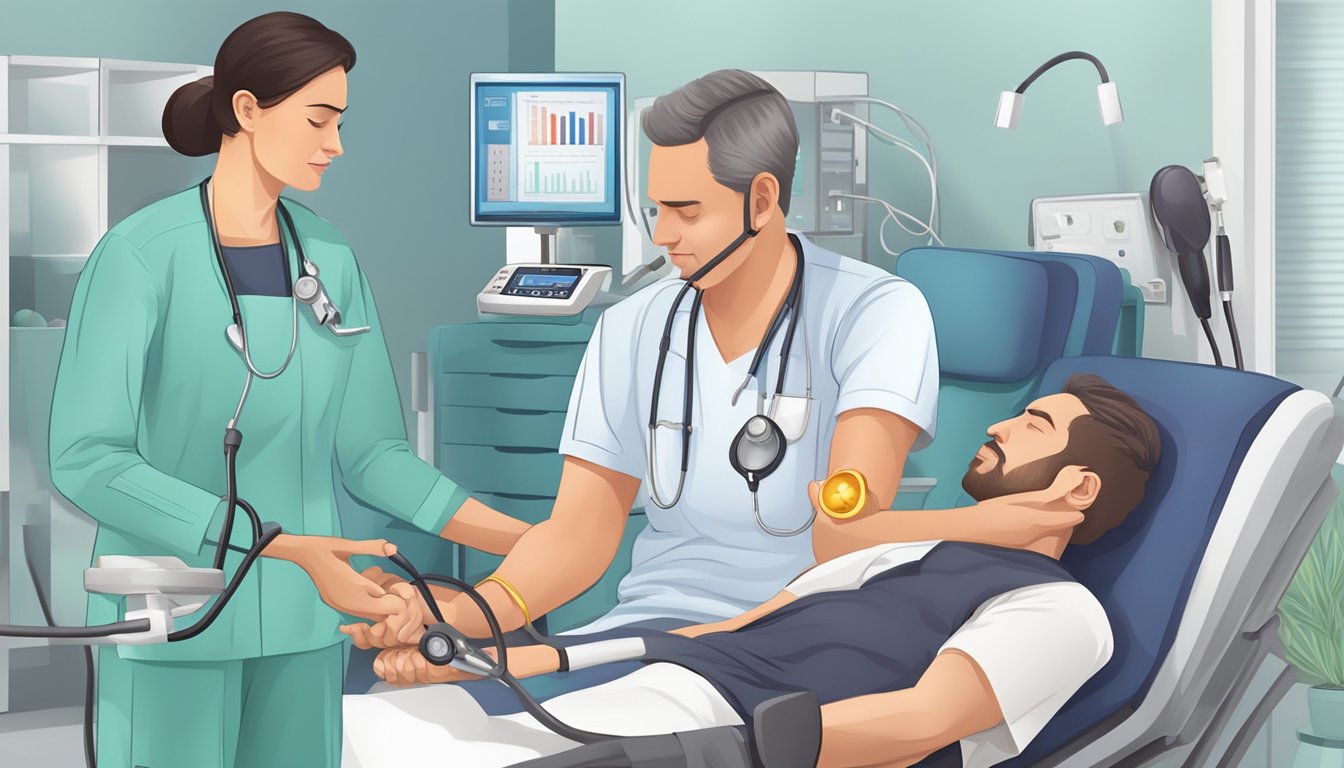
During a heart attack, it is crucial to seek medical help immediately. Every minute counts, and prompt treatment can significantly improve the outcome.
When to Seek Medical Help
Individuals experiencing symptoms of a heart attack, such as chest pain or discomfort, shortness of breath, or nausea, should seek medical help immediately. It is important not to ignore these symptoms or wait to see if they go away.
If an individual has a history of heart disease or high blood pressure, they should be particularly vigilant and seek medical help if they experience any new symptoms or changes in their condition. Regular checkups with a healthcare provider can help monitor blood pressure readings and identify any potential issues early on.
Emergency Treatment Options
Once medical help is sought, emergency treatment options may include administering nitroglycerin and aspirin. Nitroglycerin helps to relax blood vessels and improve blood flow, while aspirin helps to prevent blood clots from forming.
In addition, an electrocardiogram (ECG) may be performed to diagnose a heart attack. If a STEMI (ST-elevation myocardial infarction) is detected, emergency treatment such as angioplasty or thrombolysis may be necessary to restore blood flow to the heart.
It is important to note that every case is different, and treatment options may vary depending on the individual’s condition and medical history. It is essential to follow the advice of a healthcare provider and seek prompt medical attention in the event of a heart attack.
Disclaimer: The information provided here is for educational purposes only and should not be used as a substitute for professional medical advice. Always consult a healthcare provider for personalized medical advice and treatment.
Prevention and Management
Lifestyle Modifications
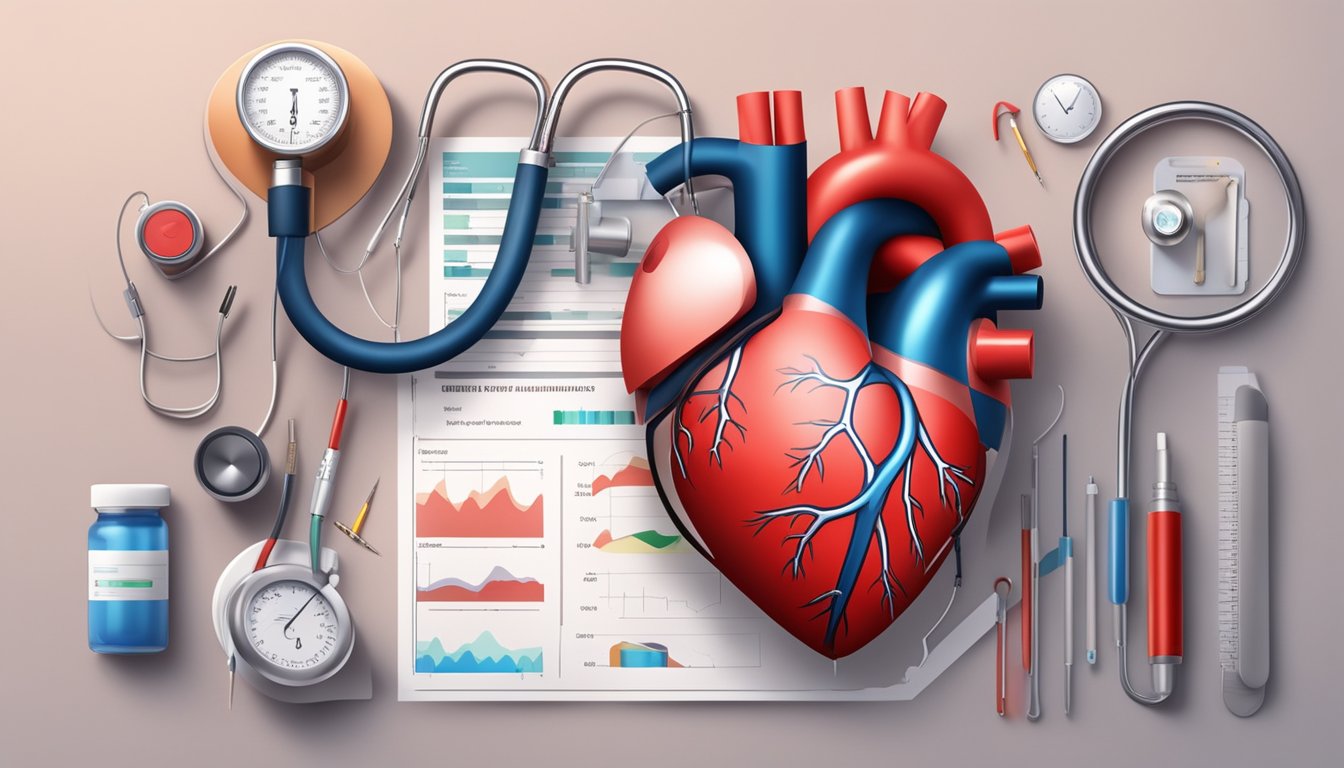
Lifestyle modifications play a crucial role in preventing high blood pressure, which is a significant risk factor for heart attack. Maintaining a healthy weight, following a heart-healthy diet, and regular physical activity can help lower blood pressure and reduce the risk of heart attack.
Obesity is a significant risk factor for high blood pressure and heart attack. Losing weight through a combination of healthy eating and regular exercise can help reduce the risk of heart attack.
A heart-healthy diet, rich in fruits, vegetables, whole grains, and low-fat dairy products, can help lower blood pressure and reduce the risk of heart attack. Limiting the intake of salt, saturated and trans fats, and cholesterol is also essential.
Physical activity is another essential lifestyle modification that can help lower blood pressure and reduce the risk of heart attack. Regular exercise can help maintain a healthy weight, lower blood pressure, and improve overall cardiovascular health.
Managing stress is also crucial in preventing high blood pressure and heart attack. Stress can cause a temporary increase in blood pressure, which can lead to long-term hypertension if left unmanaged. Engaging in activities such as meditation, yoga, or deep breathing exercises can help manage stress levels.
Medical Management
Medical management is necessary for people with high blood pressure or other risk factors for heart attack. Blood pressure-lowering medications, such as ACE inhibitors, beta-blockers, and diuretics, can help reduce the risk of heart attack.
People with high blood pressure should also monitor their blood pressure regularly and follow up with their healthcare provider. In some cases, lifestyle modifications alone may not be enough to lower blood pressure, and medication may be necessary.
It is essential to note that blood pressure can fluctuate during a heart attack. Some people may experience an increase in blood pressure, while others may experience a decrease. It is crucial to seek medical attention immediately if experiencing any symptoms of a heart attack, such as chest pain, shortness of breath, or nausea.
In conclusion, lifestyle modifications and medical management are both essential in preventing and managing high blood pressure and reducing the risk of heart attack. It is crucial to maintain a heart-healthy lifestyle and work closely with a healthcare provider to manage blood pressure and other risk factors for heart attack.
Frequently Asked Questions
What are the typical blood pressure readings observed in a patient experiencing a myocardial infarction?
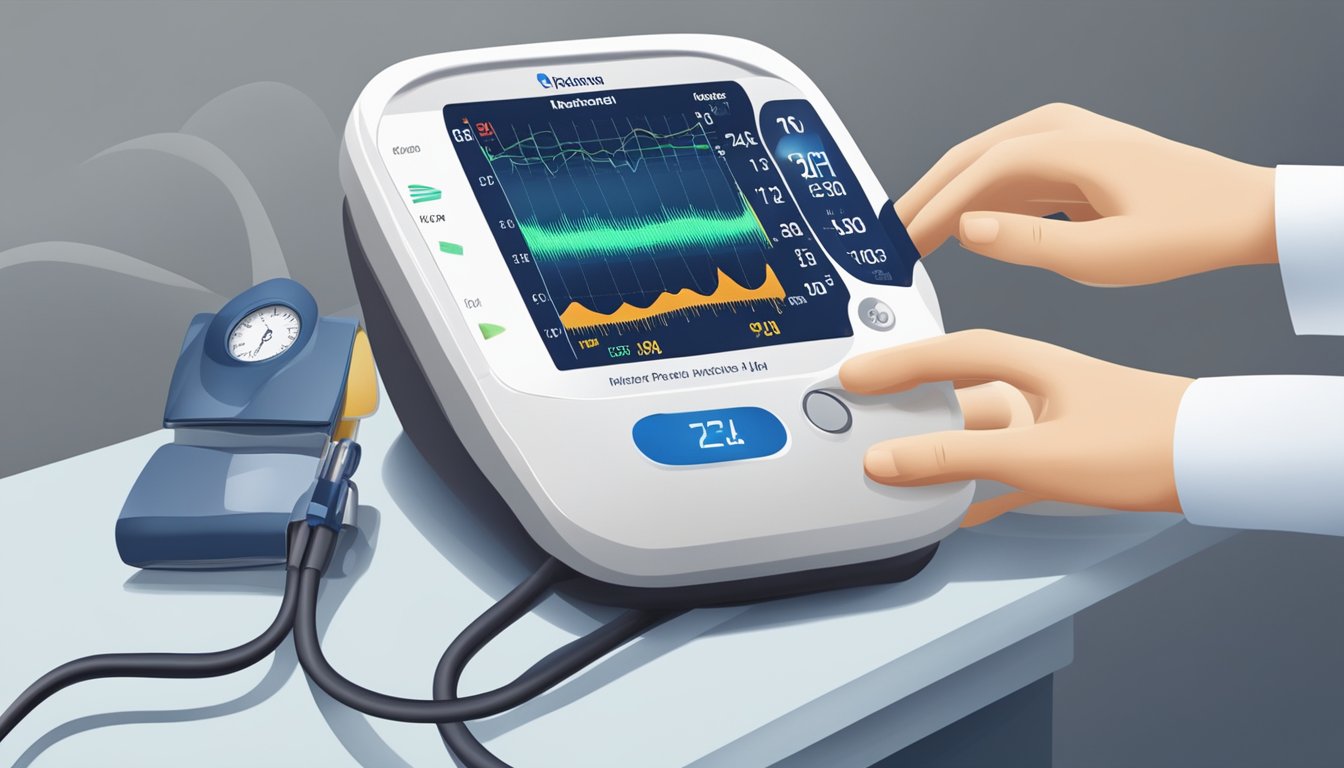
During a myocardial infarction, a patient’s blood pressure can vary. However, it is common to observe high blood pressure readings. In some cases, the increase in blood pressure can be sudden and significant.
Is it possible to suffer from a myocardial infarction with blood pressure within normal limits?
Yes, it is possible to suffer from a myocardial infarction with blood pressure within normal limits. While high blood pressure is a risk factor for heart attack, it is not the only one. Other risk factors include smoking, high cholesterol levels, diabetes, obesity, family history of heart disease, and a sedentary lifestyle.
What constitutes an ideal blood pressure level post-myocardial infarction?
Following a myocardial infarction, an ideal blood pressure level is one that is within the normal range. This is typically a systolic blood pressure of less than 120 mm Hg and a diastolic blood pressure of less than 80 mm Hg. However, the target blood pressure level may vary depending on the patient’s age, overall health, and other factors.
How does blood pressure fluctuate following a myocardial infarction?
Following a myocardial infarction, blood pressure can fluctuate. In some cases, blood pressure may remain high for a period of time after the heart attack. However, with appropriate treatment and lifestyle changes, blood pressure can be controlled and brought back to normal levels.
What indications suggest a potential myocardial infarction is imminent?
Some indications that suggest a potential myocardial infarction is imminent include chest pain or discomfort, shortness of breath, nausea or vomiting, sweating, dizziness or lightheadedness, and pain or discomfort in the arms, neck, jaw, shoulder, or back. If any of these symptoms are present, it is important to seek medical attention immediately.
How does one differentiate between high blood pressure and symptoms of a myocardial infarction?
High blood pressure and symptoms of a myocardial infarction can have similar symptoms, such as chest pain and shortness of breath. However, high blood pressure typically does not cause sudden or severe symptoms. On the other hand, symptoms of a myocardial infarction can be sudden and severe. If in doubt, it is important to seek medical attention to rule out any potential heart-related issues.
Disclaimer: The information provided in this article is for educational purposes only and should not be used as a substitute for professional medical advice. It is important to consult a qualified healthcare provider for any health concerns.