

High heart rate, also known as tachycardia, is a condition where the heart beats faster than the normal range, which is between 60 and 100 beats per minute. A high heart rate can be a sign of an underlying health condition and can cause serious complications if left untreated. In this article, we will explore the consequences of high heart rate, including the causes, symptoms, and treatment options available.
Understanding tachycardia is essential to understanding the consequences of high heart rate. Tachycardia is a type of arrhythmia where the heart beats faster than the normal range. Tachycardia can be caused by several factors, including heart disease, stress, anxiety, and certain medications. When the heart beats too fast, it can lead to serious complications, including heart failure, stroke, and sudden cardiac death.
It is important to recognize the symptoms of high heart rate to seek prompt medical attention. Symptoms of high heart rate include palpitations, shortness of breath, chest pain, and dizziness. If left untreated, high heart rate can lead to serious complications. Fortunately, there are several treatment options available, including medication, lifestyle changes, and medical procedures. With prompt medical attention, many people with high heart rate can live a healthy and active life.
Key Takeaways
- High heart rate, or tachycardia, is a condition where the heart beats faster than the normal range.
- Tachycardia can lead to serious complications, including heart failure, stroke, and sudden cardiac death.
- Prompt medical attention and treatment can help manage high heart rate and prevent complications.
Understanding Tachycardia
Tachycardia is a medical condition characterized by a rapid heart rate, which is higher than the normal range. The normal heart rate for adults is usually between 60 and 100 beats per minute. Tachycardia is a serious condition that can lead to various complications if left untreated. In this section, we will discuss the definition and types of tachycardia, as well as the normal heart rate and its variations.
Definition and Types of Tachycardia
Tachycardia is a condition where the heart beats faster than normal. There are different types of tachycardia, which can be classified based on the location of the abnormal electrical signals in the heart. Some of the common types of tachycardia include sinus tachycardia, atrial fibrillation, ventricular tachycardia, and supraventricular tachycardia.
Sinus tachycardia is a type of tachycardia where the heart rate increases due to physical activity, stress, or anxiety. Atrial fibrillation is a type of tachycardia where the heart beats irregularly, and the electrical signals in the atria are chaotic. Ventricular tachycardia is a type of tachycardia where the electrical signals originate from the ventricles, and the heart rate is very high. Supraventricular tachycardia is a type of tachycardia where the electrical signals originate from the atria or the AV node.
Normal Heart Rate and Variations
The normal heart rate for adults is usually between 60 and 100 beats per minute. However, the heart rate can vary depending on various factors such as age, physical activity, stress, and health conditions. For example, athletes may have a lower resting heart rate due to their high level of fitness. Similarly, older adults may have a slightly higher resting heart rate than younger adults.
It is important to note that tachycardia can be a symptom of various health conditions such as heart disease, lung disease, and thyroid problems. Therefore, it is important to seek medical attention if you experience symptoms such as rapid heartbeat, shortness of breath, dizziness, or chest pain.
In conclusion, tachycardia is a serious medical condition that can lead to various complications if left untreated. It is important to understand the definition and types of tachycardia, as well as the normal heart rate and its variations, to identify the symptoms and seek medical attention if necessary.
Causes and Risk Factors
When the heart beats faster than the normal range, it is known as tachycardia. There are several medical and lifestyle factors that contribute to high heart rate.
Medical Conditions Contributing to High Heart Rate
Some medical conditions that can cause high heart rate include high blood pressure, hyperthyroidism, fever, infection, and heart disease. These conditions can put extra stress on the heart, causing it to beat faster than usual.
Hyperthyroidism is a condition in which the thyroid gland produces too much thyroid hormone, which can increase the heart rate. Similarly, fever and infection can cause the heart rate to increase as the body tries to fight off the infection.
Lifestyle Factors and High Heart Rate
Lifestyle factors that can contribute to high heart rate include stress, caffeine, alcohol, smoking, exercise, obesity, and diabetes. Stressful situations can cause the body to release adrenaline, which can increase the heart rate. Similarly, caffeine and alcohol can stimulate the heart and cause it to beat faster.
Smoking is also known to increase heart rate and blood pressure, while lack of exercise and obesity can put extra strain on the heart. Diabetes can also cause high heart rate as it affects the body’s ability to regulate blood sugar levels.
It is important to note that illegal drugs can also cause high heart rate, which can be dangerous and potentially life-threatening.
While some causes of high heart rate are unavoidable, many can be prevented or managed through lifestyle changes and medical treatment. It is important to consult a medical professional if experiencing symptoms of high heart rate or if concerned about the risk factors.
Symptoms and Complications

Recognising the Symptoms of High Heart Rate
High heart rate, also known as tachycardia, can cause a range of symptoms. These symptoms can vary in severity depending on the underlying cause of the tachycardia and the individual’s overall health. Some common symptoms of high heart rate include palpitations, shortness of breath, dizziness, chest pain, fainting, and lightheadedness.
Palpitations, or the sensation of a racing or pounding heart, are a common symptom of high heart rate. Palpitations can be a sign of a serious underlying condition, such as atrial fibrillation, so it is important to seek medical attention if they occur frequently or are accompanied by other symptoms.
Shortness of breath is another common symptom of high heart rate. This can occur because the heart is not able to pump enough blood to meet the body’s needs, which can lead to a buildup of fluid in the lungs. If shortness of breath is severe or accompanied by other symptoms, such as chest pain or dizziness, it is important to seek medical attention.
Dizziness and lightheadedness can be caused by a drop in blood pressure, which can occur when the heart is beating too fast. This can be particularly dangerous for older adults or people with underlying health conditions, as it can increase the risk of falls and other accidents.
Potential Complications of Prolonged Tachycardia
Prolonged tachycardia can lead to a range of complications, including stroke, heart failure, heart attack, and cardiac arrest. These complications can occur because the heart is not able to pump blood effectively, which can lead to damage to the heart muscle and other organs.
Stroke is a particularly serious complication of high heart rate, as it can cause permanent damage to the brain. This can occur if a blood clot forms in the heart and travels to the brain, blocking blood flow to the area.
Heart failure is another potential complication of prolonged tachycardia. This occurs when the heart is not able to pump enough blood to meet the body’s needs, which can lead to fluid buildup in the lungs and other organs.
In some cases, high heart rate can also lead to a heart attack or cardiac arrest. These conditions occur when the blood flow to the heart is blocked, which can cause damage to the heart muscle or even death.
It is important to seek medical attention if you experience any symptoms of high heart rate, as early diagnosis and treatment can help to prevent complications.
Diagnosis and Treatment
Diagnostic Procedures for High Heart Rate
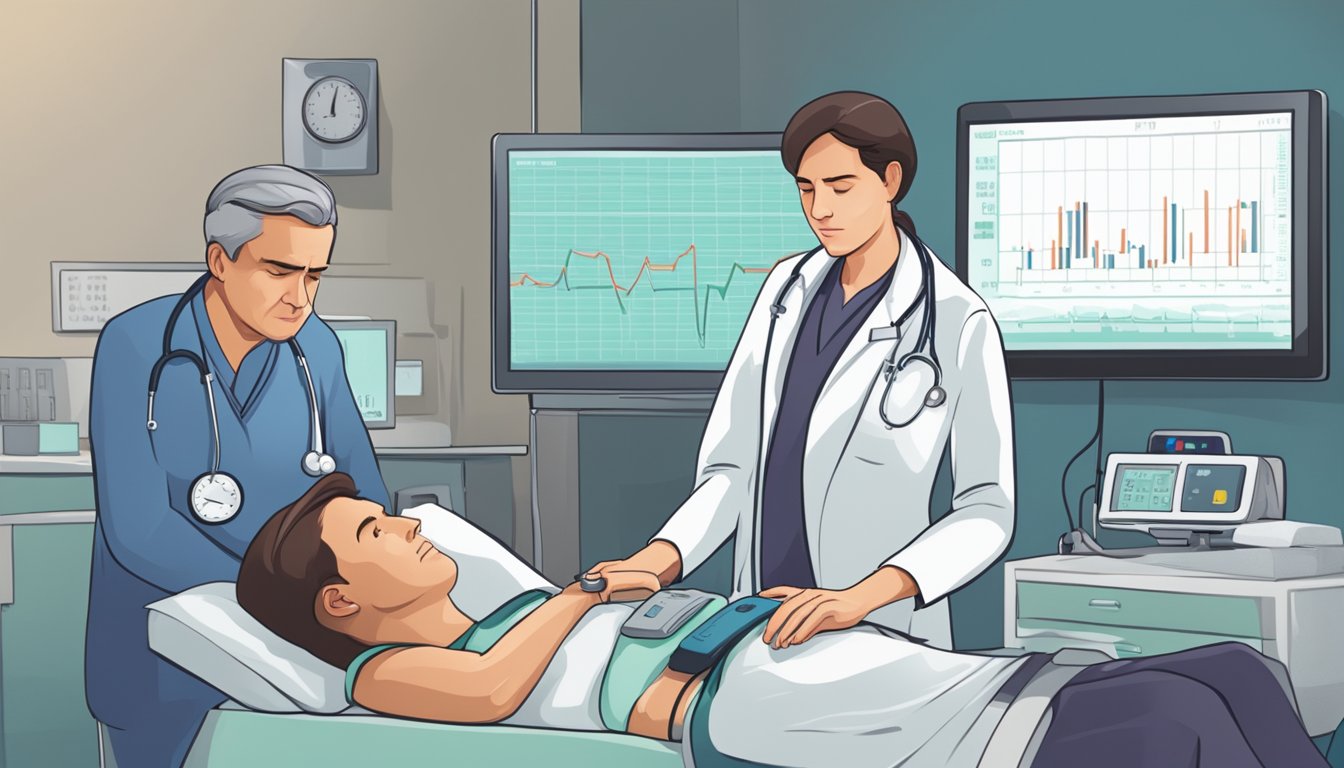
When a person experiences a high heart rate, it is important to seek medical attention and undergo appropriate diagnostic procedures to identify the underlying cause. One of the most common diagnostic procedures for high heart rate is an electrocardiogram (ECG). This test measures the electrical activity of the heart and can help identify abnormal heart rhythms that may be causing the high heart rate.
In addition to an ECG, doctors may also order blood tests to check for any underlying medical conditions that could be causing the high heart rate. These tests can check for imbalances in electrolytes, thyroid function, and other factors that can affect heart function.
Treatment Options and Management
The treatment for high heart rate depends on the underlying cause of the condition. In some cases, medication may be prescribed to help slow the heart rate and improve heart function. Beta-blockers and calcium channel blockers are commonly used medications for this purpose.
If medication is not effective or if the high heart rate is caused by an abnormal heart rhythm, other treatment options may be necessary. Ablation, cardioversion, and surgery are all options that may be considered in these cases.
In some cases, a defibrillator or pacemaker may be implanted to help regulate the heart rate and improve heart function. These devices can be life-saving for individuals with certain heart conditions.
It is important for individuals with high heart rate to work closely with their healthcare provider to identify the underlying cause of the condition and develop an appropriate treatment plan. The American Heart Association recommends that individuals with high heart rate maintain a healthy lifestyle, including regular exercise and a balanced diet, to help manage the condition.
Getting assessed in Singapore
In Singapore, cardiovascular assessment is available through both the public and private sectors. Which tests are appropriate depends on your symptoms, risk factors and history rather than on choosing the most extensive option available. A GP or polyclinic can arrange a referral to a cardiologist, or a private clinic can be approached directly.
Readers looking into this next usually want to know about an ECG or 24-hour Holter ECG monitoring; the clinic directly is also listed.
Frequently Asked Questions
What are the potential risks of a persistently elevated pulse rate while at rest?
A persistently elevated pulse rate while at rest may indicate an underlying health condition, such as an abnormal heart rhythm or heart disease. If left untreated, these conditions may increase the risk of stroke, heart attack, and other serious health complications. It is important to consult a healthcare professional if you are experiencing a persistently elevated pulse rate while at rest.
At what point should one seek medical attention for a rapid heartbeat?
If you are experiencing a rapid heartbeat that is accompanied by symptoms such as dizziness, shortness of breath, chest pain, or fainting, you should seek immediate medical attention. In some cases, a rapid heartbeat may be a sign of a serious underlying health condition that requires prompt medical treatment.
What could be the underlying reasons for experiencing tachycardia without apparent triggers?
Tachycardia, or a rapid heartbeat, may be caused by a variety of factors, including stress, anxiety, caffeine, alcohol, certain medications, and underlying health conditions such as heart disease or thyroid problems. In some cases, tachycardia may occur without any apparent triggers.
What are the health implications of experiencing a sudden and brief surge in heart rate?
A sudden and brief surge in heart rate, also known as palpitations, may be caused by a variety of factors, including stress, anxiety, caffeine, alcohol, and certain medications. While palpitations may be unsettling, they are usually not a cause for concern. However, if palpitations are accompanied by other symptoms such as chest pain or shortness of breath, you should seek medical attention.
How might a high heart rate during physical exertion negatively impact one’s health?
A high heart rate during physical exertion may be a sign of poor cardiovascular fitness and may increase the risk of heart disease and other health complications. It is important to maintain a healthy level of physical activity and to consult a healthcare professional if you are experiencing a consistently high heart rate during exercise.
What constitutes a dangerously high heart rate that requires immediate medical intervention?
A dangerously high heart rate, also known as ventricular tachycardia, is a medical emergency that requires immediate medical intervention. Ventricular tachycardia is characterized by a heart rate of 100 beats per minute or more and may cause symptoms such as chest pain, shortness of breath, and fainting. If you are experiencing these symptoms, you should seek immediate medical attention.
Related on this site
- Speed Comedown Heart Rate: Understanding the Effects and Risks
- Heart Rate 93 BPM at Rest: Causes, Risks, and Treatment
- What is a Dangerously High Heart Rate When Exercising: Understanding the Risks
Further reading
- HealthHub — Cardiovascular Disease
- Health Promotion Board — Healthy Living
- American Heart Association — Health Topics
Disclaimer: This article is general information about cardiovascular health. It is not medical advice, diagnosis or treatment, and reading it does not create a doctor–patient relationship. Always seek the advice of your doctor or another qualified health professional with any questions you have about a medical condition, and never disregard or delay seeking medical advice because of something you have read here. If you think you may be having a medical emergency, call 995 or go to the nearest emergency department.