

Heart flutters, also known as palpitations, are a symptom that can cause significant concern for those experiencing them. They are often described as a sensation of the heart beating rapidly, irregularly, or skipping a beat. While heart flutters can be a normal response to certain situations, such as exercise or anxiety, they can also indicate an underlying medical condition.
Understanding heart flutters is important in order to differentiate between normal and abnormal occurrences. Heart flutters can be caused by a variety of factors, including hormonal changes, medication side effects, and underlying heart conditions. It is important to note that heart flutters can be a symptom of a more serious condition, such as arrhythmia or heart disease, and should be evaluated by a healthcare professional.
Common causes of heart flutters include stress, caffeine, alcohol, nicotine, and certain medications. Additionally, underlying medical conditions such as hyperthyroidism, anemia, and electrolyte imbalances can also cause heart flutters. Diagnosis and treatment of heart flutters depend on the underlying cause and severity of the symptoms.
Key Takeaways
- Heart flutters are a symptom that can indicate an underlying medical condition.
- Common causes of heart flutters include stress, caffeine, alcohol, nicotine, and certain medications.
- Diagnosis and treatment of heart flutters depend on the underlying cause and severity of the symptoms.
Understanding Heart Flutters

Defining Palpitations and Arrhythmia
Heart flutters, also known as palpitations, are an abnormal awareness of the heart’s rhythm. Palpitations can be caused by a variety of factors, including stress, anxiety, caffeine, and medication. However, in some cases, palpitations can be a sign of an underlying heart condition, such as arrhythmia.
Arrhythmia is a condition that occurs when the heart beats too quickly, too slowly, or irregularly. This can be caused by a problem with the heart’s electrical system, which controls the rate and rhythm of the heartbeat. Arrhythmia can be a serious condition, and it is important to seek medical attention if you experience symptoms.
The Heart’s Electrical System
The heart’s electrical system is responsible for controlling the rate and rhythm of the heartbeat. The electrical signals originate in the sinoatrial (SA) node, which is located in the right atrium of the heart. From there, the signals travel through the atria, causing them to contract and pump blood into the ventricles.
The signals then pass through the atrioventricular (AV) node, which is located between the atria and ventricles. From there, the signals travel down the bundle of His and into the Purkinje fibres, causing the ventricles to contract and pump blood out of the heart.
If there is a problem with the heart’s electrical system, it can cause arrhythmia and palpitations. Common causes of arrhythmia include heart valve disorders, heart conditions present at birth, coronary artery disease, high blood pressure, and an overactive thyroid.
It is important to note that not all palpitations are a sign of an underlying heart condition. However, if you experience symptoms such as chest pain, shortness of breath, or dizziness along with palpitations, it is important to seek medical attention immediately.
Common Causes of Heart Flutters

Heart flutters, also known as palpitations, are a common symptom that can be caused by various factors. Here are some of the most common causes of heart flutters:
Lifestyle Factors
Lifestyle factors such as stress, caffeine, alcohol, and nicotine can all contribute to heart flutters. Stress can cause your heart to beat faster and irregularly, while caffeine and alcohol can increase your heart rate and cause palpitations. Nicotine, found in cigarettes and other tobacco products, can also stimulate your heart and cause palpitations.
Medical Conditions
Several medical conditions can cause heart flutters. These include heart conditions such as atrial fibrillation and atrial flutter, which are caused by abnormal electrical signals in the heart. An overactive thyroid, also known as hyperthyroidism, can also cause heart flutters due to the increased levels of thyroid hormone in the body.
Medication and Substances
Certain medications and substances can cause heart flutters as a side effect. Stimulants such as cocaine and amphetamines can cause palpitations, as can some over-the-counter cold and cough medications that contain pseudoephedrine. Some prescription medications, such as those used to treat asthma and high blood pressure, can also cause heart flutters.
It is important to note that heart flutters can also be a symptom of a more serious underlying condition. If you experience frequent or persistent heart flutters, it is important to consult a healthcare professional for an accurate diagnosis and appropriate treatment.
Diagnosis and Tests

When a patient experiences heart flutters, they should seek medical attention promptly. A doctor will perform an initial evaluation to determine the cause of the symptoms. This evaluation will typically involve a physical examination, medical history review, and a discussion of any symptoms the patient may be experiencing.
Initial Evaluation by a Doctor
During the initial evaluation, the doctor will look for any signs of medical conditions that can cause heart flutters, such as an overactive thyroid or anemia. They will also ask about any medications the patient may be taking, as some medications can cause heart flutters as a side effect.
Electrocardiogram and Imaging
An electrocardiogram (ECG) is a common diagnostic test used to evaluate heart function. This test records the electrical activity of the heart and can detect any abnormalities that may be causing heart flutters. Imaging tests, such as an echocardiogram, may also be used to evaluate heart function and detect any structural abnormalities.
Monitoring and Blood Tests
In some cases, a doctor may recommend monitoring the patient’s heart function over a period of time using a Holter monitor. This device records the heart’s electrical activity over a 24-48 hour period and can detect any abnormalities that may be causing heart flutters. Blood tests may also be used to evaluate the patient’s electrolyte levels and detect any imbalances that may be causing heart flutters.
It is important to note that while heart flutters are often benign, they can be a sign of a more serious underlying condition. Patients who experience heart flutters should seek medical attention promptly to determine the cause of the symptoms and receive appropriate treatment.
Management and Treatment
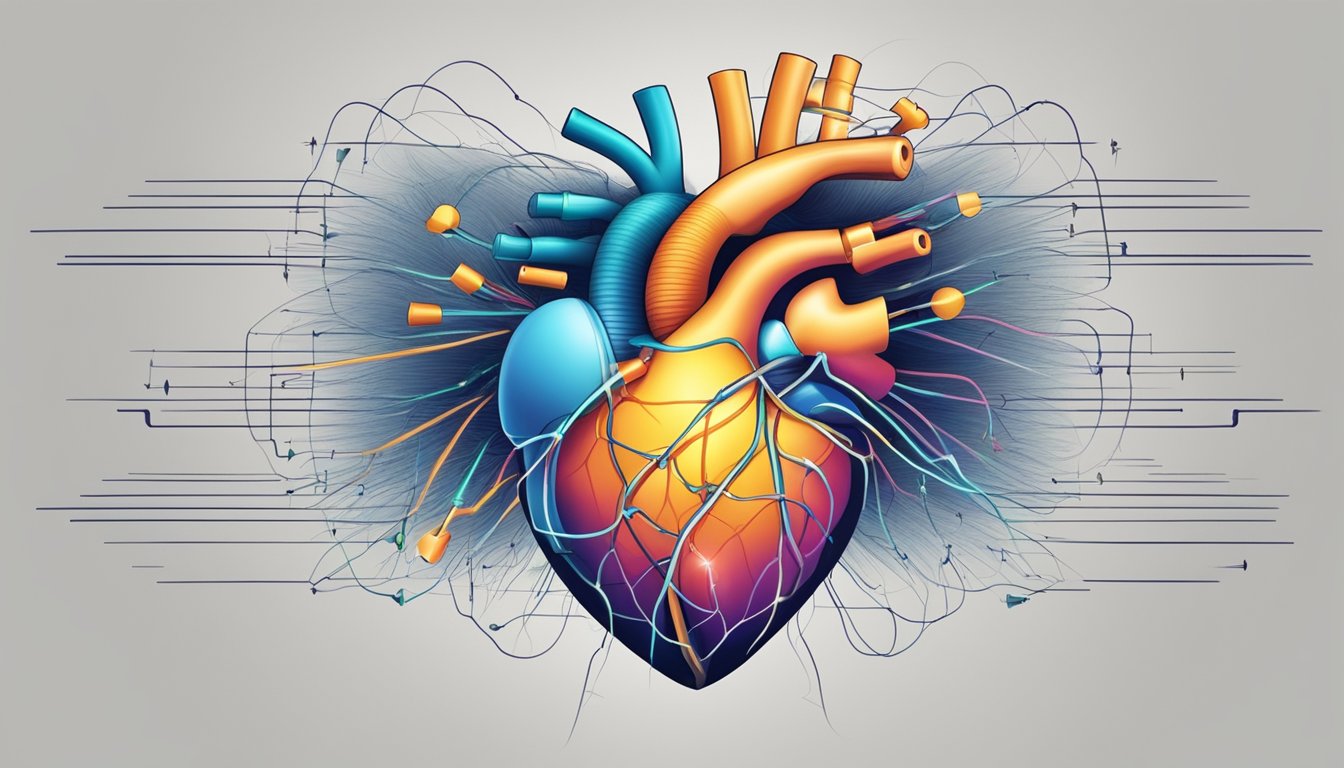
Lifestyle Changes and Home Remedies
In some cases, heart flutters can be managed through lifestyle changes and home remedies. These include:
- Reducing caffeine intake
- Avoiding alcohol and tobacco
- Managing stress through relaxation techniques, such as meditation or deep breathing exercises
- Maintaining a healthy weight through exercise and a balanced diet
While these lifestyle changes may not completely eliminate heart flutters, they can help reduce their frequency and severity.
Medical Treatments
If lifestyle changes are not enough to manage heart flutters, medical treatments may be necessary. These include:
- Medications: There are several types of medications that can be used to treat heart flutters, including beta-blockers, calcium channel blockers, and anti-arrhythmic drugs. These medications work by regulating the heart’s rhythm and reducing the frequency and severity of heart flutters.
- Procedures: In some cases, procedures may be necessary to manage heart flutters. These include catheter ablation, which uses radiofrequency energy to destroy small areas of heart tissue that are causing the heart flutters, and cardioversion, which uses an electric shock to restore the heart’s normal rhythm.
- Devices: In some cases, devices such as pacemakers or implantable cardioverter-defibrillators (ICDs) may be necessary to manage heart flutters.
When to Seek Emergency Care
While heart flutters are usually not serious, they can sometimes be a sign of a more serious heart condition. If you experience any of the following symptoms along with heart flutters, seek emergency medical care immediately:
- Chest pain or discomfort
- Shortness of breath
- Fainting or feeling lightheaded
- Rapid or irregular heartbeat that lasts more than a few minutes
It is important to note that heart flutters can be a symptom of a serious heart condition, such as atrial fibrillation or heart disease. Therefore, it is important to seek medical attention if heart flutters persist or are accompanied by other symptoms.
Getting assessed in Singapore
If symptoms are severe or come on suddenly in Singapore, emergency care is the right route rather than an outpatient appointment: call 995 or go to the nearest emergency department. For symptoms that are recurrent but not acute, a GP or polyclinic can arrange a cardiology referral, or a private clinic can be contacted directly.
If you want to know how this is assessed in practice, see a 24-hour Holter ECG assessment or an ECG, or review the preventive cardiology programme.
Frequently Asked Questions

When should one be concerned about heart palpitations?
Heart palpitations can be a common and harmless occurrence. However, if they are accompanied by other symptoms such as chest pain, difficulty breathing, or lightheadedness, it is important to seek medical attention immediately. Additionally, if they occur frequently or last for an extended period of time, it is important to consult with a healthcare provider to determine the underlying cause.
What methods are effective in halting heart palpitations?
In some cases, heart palpitations can be halted by simply taking a few deep breaths and focusing on relaxation. In other cases, it may be necessary to avoid triggers such as caffeine or alcohol, or to take medication prescribed by a healthcare provider. It is important to discuss treatment options with a healthcare provider to determine the best course of action.
Are persistent heart palpitations indicative of a serious condition?
Not necessarily. While persistent heart palpitations can be a cause for concern, they can also be a harmless occurrence. However, it is important to consult with a healthcare provider to determine the underlying cause and rule out any serious conditions.
Can a person experience fluttering in the chest unrelated to heart issues?
Yes, it is possible. Fluttering in the chest can be caused by a variety of factors, including anxiety, stress, or even digestive issues. However, it is important to consult with a healthcare provider to determine the underlying cause and rule out any serious conditions.
Is it common for individuals to experience occasional heart flutters?
Yes, it is common for individuals to experience occasional heart flutters. These can be caused by a variety of factors, including exercise, stress, or even caffeine. However, if they occur frequently or last for an extended period of time, it is important to consult with a healthcare provider to determine the underlying cause.
What implications are there if one has heart palpitations but an ECG appears normal?
While a normal ECG can be reassuring, it is important to note that it does not rule out all potential causes of heart palpitations. In some cases, further testing may be necessary to determine the underlying cause. It is important to discuss any concerns with a healthcare provider to determine the best course of action.
Further reading
- National Heart Centre Singapore — Conditions & Treatments
- HealthHub — Cardiovascular Disease
- SingHealth — Conditions & Treatments
Disclaimer: This article is general information about cardiovascular health. It is not medical advice, diagnosis or treatment, and reading it does not create a doctor–patient relationship. Always seek the advice of your doctor or another qualified health professional with any questions you have about a medical condition, and never disregard or delay seeking medical advice because of something you have read here. If you think you may be having a medical emergency, call 995 or go to the nearest emergency department.