

A hole in the heart, also known as patent foramen ovale (PFO), is a common condition that affects nearly one in four people. While most people with PFO do not experience any symptoms, in some cases, it can lead to more serious health issues such as stroke. In this article, we will explore the link between PFO and stroke, including its causes, diagnosis, and treatment options.
Understanding Stroke and Its Causes Stroke is a serious medical condition that occurs when the blood supply to the brain is interrupted or reduced, causing brain cells to die. There are two main types of stroke: ischemic and hemorrhagic. Ischemic stroke is caused by a blockage in a blood vessel that supplies blood to the brain, while hemorrhagic stroke is caused by bleeding in the brain.
The Role of Patent Foramen Ovale in Stroke Research has shown that people with PFO are at a higher risk of developing ischemic stroke, particularly if they are under the age of 55. This is because PFO can allow blood clots to travel from the right side of the heart to the left, bypassing the lungs where they would normally be filtered out. If a blood clot reaches the brain, it can cause a stroke. However, it is important to note that not all strokes in people with PFO are caused by this mechanism and other factors may also be involved.
Key Takeaways
- A hole in the heart, also known as patent foramen ovale (PFO), is a common condition that affects nearly one in four people.
- People with PFO are at a higher risk of developing ischemic stroke, particularly if they are under the age of 55.
- Treatment options for PFO include medication, surgery, and catheter-based procedures.
Understanding Stroke and Its Causes
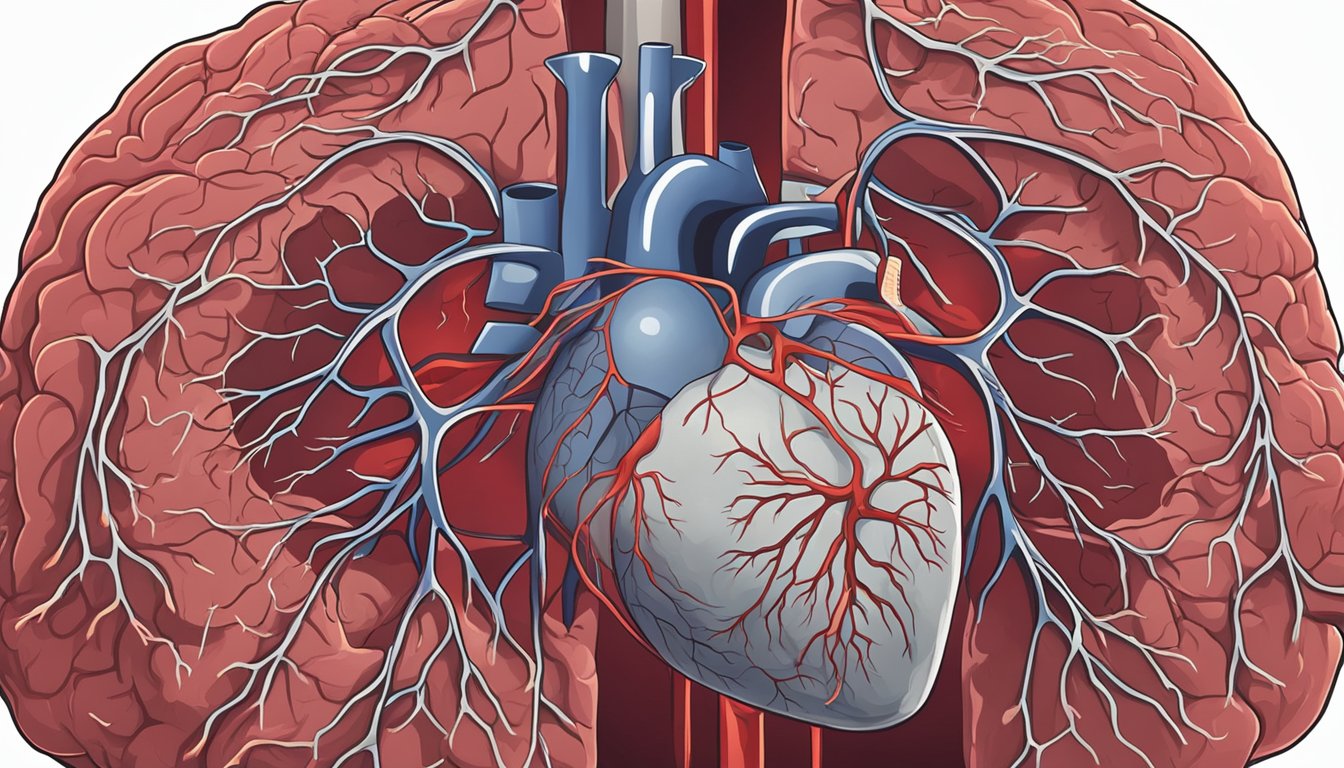
Types of Stroke
There are two main types of stroke: ischemic and hemorrhagic. An ischemic stroke is caused by a blood clot that blocks a blood vessel in the brain. A hemorrhagic stroke is caused by bleeding in the brain. Both types of stroke can be serious and require immediate medical attention.
Risk Factors for Stroke
There are several risk factors for stroke. Hypertension, or high blood pressure, is one of the most common risk factors for stroke. Other risk factors include smoking, diabetes, high cholesterol, and a family history of stroke.
In addition to these risk factors, a patent foramen ovale (PFO), which is a small hole in the wall between the two upper chambers of the heart, has been linked to an increased risk of stroke. While most people with a PFO never experience any problems, some people may develop blood clots that travel to the brain and cause a stroke.
It is important to note that not everyone with a PFO will develop a stroke, and not all strokes are caused by a PFO. However, if you have a PFO and have experienced a stroke or have other risk factors for stroke, your doctor may recommend further testing and treatment.
It is important to manage any risk factors for stroke to reduce your risk of experiencing a stroke. This may include lifestyle changes such as quitting smoking or managing hypertension, as well as medications to manage other risk factors such as diabetes or high cholesterol.
Disclaimer: This information is provided for educational purposes only and should not be used as a substitute for professional medical advice. Always consult your doctor or healthcare provider if you have any questions or concerns about your health.
The Role of Patent Foramen Ovale in Stroke

What Is Patent Foramen Ovale (PFO)?
Patent foramen ovale (PFO) is a medical condition that occurs when the foramen ovale, a small opening in the heart that is present during fetal development, fails to close after birth. This opening is a normal part of fetal circulation, allowing blood to bypass the lungs, which are not yet functioning. However, in most people, the foramen ovale closes within the first few months of life. In some individuals, the foramen ovale remains open, creating a hole in the heart.
PFO and Stroke Connection
Studies have shown that individuals with a PFO are at an increased risk of experiencing a stroke. Specifically, a PFO can act as a conduit for paradoxical embolism, which occurs when a blood clot or other debris travels from the venous circulation to the arterial circulation, bypassing the lungs. This can lead to a stroke if the clot or debris travels to the brain.
Cryptogenic Stroke and PFO
Cryptogenic stroke refers to a stroke that has no identifiable cause. In some cases, a PFO may be the underlying cause of a cryptogenic stroke. Research has shown that PFOs are more common in individuals who have experienced a cryptogenic stroke than in the general population. Therefore, it is important for individuals who have experienced a cryptogenic stroke to be evaluated for a PFO.
It is important to note that not all strokes are caused by PFOs, and not all individuals with a PFO will experience a stroke. However, for individuals who have experienced a cryptogenic stroke, evaluating for a PFO may be an important step in determining the underlying cause of the stroke and preventing future strokes. It is recommended that individuals who have experienced a cryptogenic stroke undergo a thorough evaluation, including a transesophageal echocardiogram, to determine if a PFO is present.
It is important to seek medical advice from a qualified healthcare professional for proper diagnosis and treatment of any medical condition.
Diagnosis and Treatment Options

Detecting a Hole in the Heart
Detecting a hole in the heart requires a thorough medical examination by a cardiologist. The doctor may order an echocardiogram, which is a non-invasive test that uses sound waves to create images of the heart. The echocardiogram can detect the presence of a hole in the heart and determine its size and location.
In some cases, a catheter may be inserted into the heart to obtain more detailed images. This is known as a cardiac catheterization and is usually performed by an interventional cardiologist.
Surgical and Non-Surgical Treatments
The treatment for a hole in the heart depends on its size and location. Small holes may not require treatment and may close on their own over time. However, larger holes may require surgical or non-surgical intervention.
If the hole is large, surgery may be necessary to repair it. The surgeon will close the hole using a patch or sutures. This procedure is usually performed under general anesthesia.
Alternatively, non-surgical treatments may be used to close the hole. One such treatment is the use of an Amplatzer PFO Occluder, which is a small device that is inserted into the heart to close the hole. This procedure is minimally invasive and is usually performed under local anesthesia.
Medications and Therapy
In addition to surgical and non-surgical treatments, medications and therapy may also be used to treat a hole in the heart. Blood thinners, such as aspirin, may be prescribed to reduce the risk of blood clots and stroke.
Therapy may also be recommended to help manage symptoms and improve overall heart health. This may include lifestyle changes, such as exercise and diet modifications, as well as counselling and support groups.
It is important to note that the treatment for a hole in the heart should be individualised and tailored to each patient’s specific needs. Patients should consult with their cardiologist to determine the best course of treatment for their condition.
Disclaimer: The information provided in this article is for educational purposes only and should not be used as a substitute for professional medical advice. Always consult with a qualified healthcare provider before making any changes to your healthcare regimen.
Living with a Heart Condition

Individuals with congenital heart defects such as a hole in the heart may experience physical restrictions that may affect their daily life. In some cases, medical advice may be necessary to help manage the condition and prevent complications.
Lifestyle Adjustments and Management
For adults living with a heart condition, exercise is an essential part of maintaining overall health. However, it is important to follow a rehabilitation program that is tailored to their specific needs. This may involve avoiding certain activities or gradually increasing physical activity under medical supervision.
In addition to exercise, individuals with heart conditions may need to make other lifestyle adjustments. These may include changes in diet, stress management techniques, and avoiding smoking and alcohol.
Long-Term Outlook and Complications
While many individuals with congenital heart defects can live normal, healthy lives, some may experience complications such as stroke. It is important to follow medical advice and attend regular check-ups to monitor the condition and prevent complications.
In some cases, medical intervention may be necessary to repair the hole in the heart. This may involve surgery or other procedures, depending on the individual’s specific condition.
It is important to note that every individual’s experience with a heart condition is unique, and medical advice should be sought to determine the best course of action. This article is not intended to replace medical advice, and readers should consult with their healthcare provider for specific recommendations and guidance.
Frequently Asked Questions

What are the potential complications associated with a cardiac septal defect?
A cardiac septal defect, also known as a hole in the heart, can lead to a range of complications. These can include heart failure, pulmonary hypertension, and arrhythmias. Additionally, individuals with a septal defect may be at an increased risk of developing infections in the heart or lungs.
Is there a correlation between cerebral infarction and cardiac septal anomalies?
Recent studies have shown that there may be a correlation between cerebral infarction, or stroke, and cardiac septal anomalies, such as a patent foramen ovale (PFO). A PFO is a small hole in the heart that is present in approximately 25% of the population. It is believed that a PFO may allow blood clots to bypass the lungs and enter the brain, leading to a stroke.
What lifestyle modifications are recommended for individuals with a septal defect?
Individuals with a septal defect may benefit from making certain lifestyle modifications. These can include maintaining a healthy weight, quitting smoking, and engaging in regular physical activity. Additionally, individuals with a septal defect should avoid activities that may increase their risk of injury, such as contact sports.
How does a patent foramen ovale influence the risk of thromboembolism?
A patent foramen ovale (PFO) may increase an individual’s risk of thromboembolism, or blood clots that travel through the bloodstream and block blood vessels. This is because a PFO allows blood to bypass the lungs and enter the arterial side of the heart, where it can mix with oxygenated blood and potentially form clots.
What is the prognosis for individuals diagnosed with a congenital heart defect?
The prognosis for individuals diagnosed with a congenital heart defect, such as a septal defect, can vary depending on the severity of the defect and the individual’s overall health. With proper treatment and management, many individuals with a septal defect are able to lead long, healthy lives.
Are there preventative measures for stroke in patients with a septal defect?
There are several preventative measures that can be taken to reduce the risk of stroke in patients with a septal defect. These can include taking anticoagulant medications, such as aspirin or warfarin, and undergoing closure of the septal defect, if deemed necessary by a medical professional. It is important to note that preventative measures may not completely eliminate the risk of stroke, and individuals with a septal defect should continue to monitor their health closely.
Disclaimer: This article is not intended to provide medical advice. Individuals with a septal defect should consult with a medical professional for diagnosis and treatment options.