
Resting heart rate is the number of times the heart beats per minute while at rest. A normal resting heart rate for adults is between 60 to 100 beats per minute. However, some people may have a resting heart rate that is higher than the normal range, which may indicate poor health or other problems. Fortunately, there are several lifestyle modifications that can help lower resting heart rate.
One way to lower resting heart rate is by exercising regularly. Exercise helps to strengthen the heart muscle, making it more efficient in pumping blood. This can lead to a lower resting heart rate. Additionally, stress management techniques such as meditation and deep breathing can help to reduce stress and anxiety, which can also contribute to a lower resting heart rate.
In some cases, medical interventions may be necessary to lower resting heart rate. For instance, medications such as beta-blockers may be prescribed to slow down the heart rate. It is important to consult a healthcare professional before taking any medications or making significant changes to one’s lifestyle. With the right approach, it is possible to lower resting heart rate and improve overall heart health.
Key Takeaways
- Regular exercise and stress management techniques can help lower resting heart rate.
- In some cases, medications may be necessary to lower resting heart rate.
- It is important to consult a healthcare professional before making significant lifestyle changes or taking medications.
Understanding Resting Heart Rate

Resting heart rate is the number of times your heart beats per minute while you are at rest. It is an important indicator of your cardiovascular health. The average resting heart rate for adults is between 60 and 100 beats per minute. However, athletes and people who exercise regularly may have a lower resting heart rate.
Factors Affecting Heart Rate
Several factors can affect your resting heart rate. Age is a significant factor, as the heart tends to beat slower at rest as you get older. Stress and anxiety can also increase your heart rate. Caffeine and alcohol can also have an impact on your heart rate. Caffeine is a stimulant that can increase your heart rate, while alcohol can cause dehydration, leading to an increased heart rate. Tobacco use is another factor that can increase your heart rate and negatively impact your cardiovascular health.
Health Implications of High Resting Heart Rate
A high resting heart rate can be an indication of underlying health issues. It can be a sign of anemia, thyroid problems, or cardiovascular disease. A consistently high resting heart rate can increase the risk of heart attack, stroke, and other cardiovascular problems.
It is essential to monitor your resting heart rate regularly and make lifestyle changes where necessary. Regular exercise, a healthy diet, and stress management techniques can help lower your resting heart rate and improve your overall cardiovascular health. If you have concerns about your resting heart rate, it is always advisable to consult with your doctor.
Disclaimer: The information provided in this article is for educational purposes only and should not be used as a substitute for professional medical advice, diagnosis, or treatment.
Lifestyle Modifications for Heart Health

Maintaining a healthy lifestyle is essential for improving heart health and lowering resting heart rate. Some of the key lifestyle modifications that can help achieve this goal are discussed below.
Diet and Nutrition
A healthy diet that is rich in nutrients and low in saturated fats and added sugars is crucial for maintaining good heart health. Consuming plenty of fruits, vegetables, whole grains, lean proteins, and healthy fats can help lower blood pressure, reduce inflammation, and promote healthy cholesterol levels. It is also important to stay hydrated by drinking plenty of water throughout the day.
Physical Activity and Exercise
Regular exercise is one of the most effective ways to lower resting heart rate and improve heart health. Aerobic exercise, such as brisk walking, cycling, or swimming, can help strengthen the heart muscle and improve cardiovascular fitness. Incorporating strength training exercises, such as weight lifting, can also help improve heart health by increasing muscle mass and reducing body fat.
Stress Management and Relaxation Techniques
Stress and anxiety can have a negative impact on heart health and contribute to a higher resting heart rate. Practising relaxation techniques, such as yoga, meditation, or deep breathing exercises, can help reduce stress levels and promote relaxation. Other stress management techniques, such as getting enough sleep, spending time outdoors, or engaging in hobbies, can also help improve overall heart health.
It is important to note that smoking, excessive alcohol consumption, and the use of tobacco products can have a negative impact on heart health and contribute to a higher resting heart rate. It is recommended to avoid or limit these substances as much as possible.
In conclusion, making lifestyle modifications, such as following a healthy diet, engaging in regular physical activity, and practising stress management and relaxation techniques, can help lower resting heart rate and improve overall heart health.
Medical Interventions and Monitoring
Medications and Supplements
In some cases, medication or supplements may be necessary to lower resting heart rate. Beta-blockers are a common medication used to treat high blood pressure and can also be prescribed to lower heart rate. However, it is important to consult with a doctor before taking any medication or supplement. They can advise on the right dosage and any potential side effects.
Professional Health Assessments
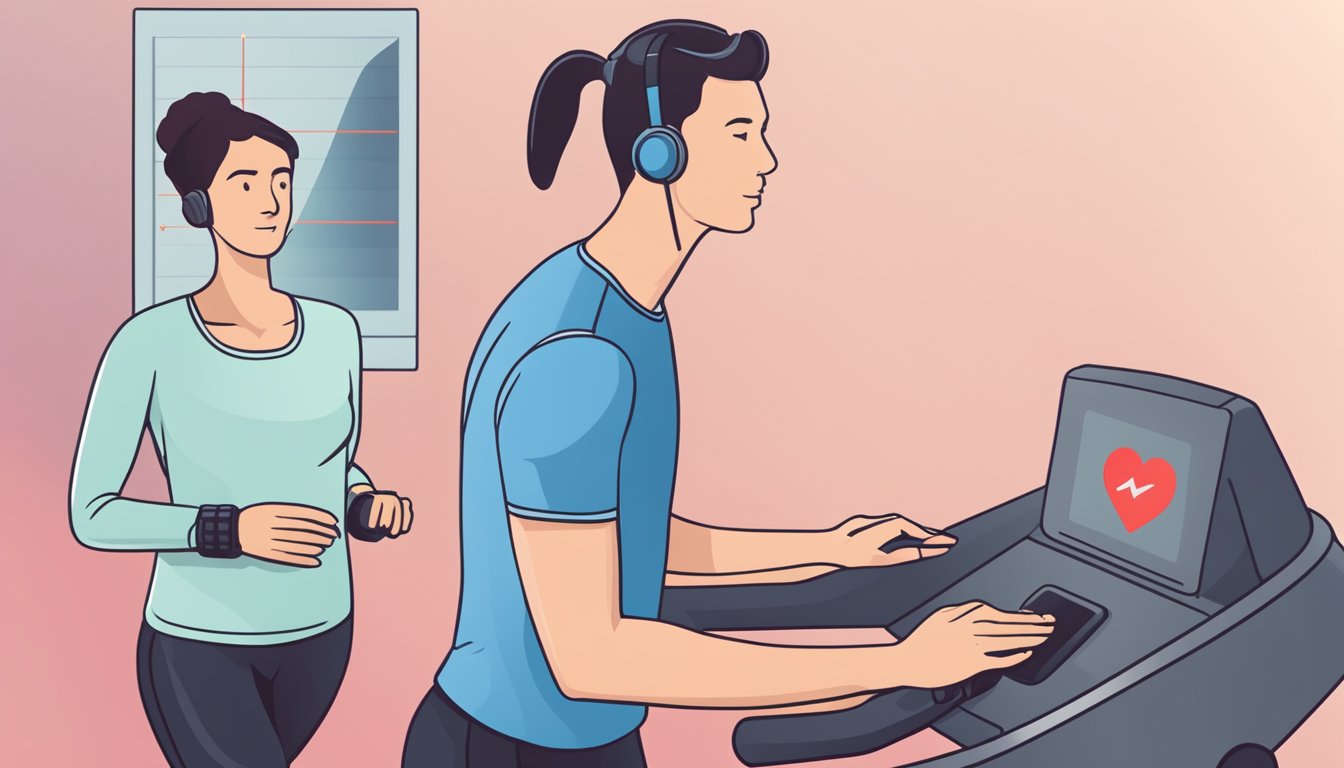
If someone is experiencing a consistently high resting heart rate, they should consider seeing a cardiologist or other healthcare professional for a health assessment. A cardiologist can use advanced equipment and techniques to monitor heart rate and identify any underlying health problems. They may recommend lifestyle changes or prescribe medication to help lower resting heart rate.
It is also possible to monitor heart rate at home using a heart rate monitor or pulse rate monitor. These devices can help track heart rate over time and identify any patterns or changes. However, it is important to note that these devices are not a substitute for professional health assessments and should be used in conjunction with medical advice.
It is important to remember that any changes to medication or supplements should only be made under the guidance of a healthcare professional. Additionally, lifestyle changes such as exercise and stress management can also help lower resting heart rate. If someone has any concerns about their heart rate or overall health, they should seek medical advice.
Frequently Asked Questions

What methods can effectively reduce one’s resting heart rate?
There are several methods that can help reduce resting heart rate. These include regular exercise, stress reduction techniques, maintaining a healthy weight, and getting enough sleep. In some cases, medications may be prescribed to help lower heart rate.
Which exercises are recommended to decrease a resting heart rate?
Aerobic exercises such as brisk walking, cycling, and swimming are recommended to decrease resting heart rate. These exercises increase heart rate during activity and for a short time afterward, which can help to strengthen the heart and improve its efficiency.
What dietary changes can contribute to a lower resting heart rate?
Eating a diet that is low in saturated and trans fats, and high in fruits, vegetables, and whole grains can contribute to a lower resting heart rate. Consuming foods that are high in omega-3 fatty acids, such as fatty fish, nuts, and seeds, may also help to decrease heart rate.
How does age affect one’s resting heart rate?
Resting heart rate tends to decrease with age as the heart becomes more efficient. However, certain health conditions and medications can affect heart rate, so it is important to consult with a healthcare professional if you have concerns about your resting heart rate.
What are the potential health implications of a high resting heart rate?
A high resting heart rate can be an indicator of poor cardiovascular health and may increase the risk of heart disease, stroke, and other health complications. It is important to monitor resting heart rate and take steps to lower it if it is consistently high.
Over what time period can one expect to observe a reduction in resting heart rate with lifestyle changes?
The time period over which one can expect to observe a reduction in resting heart rate with lifestyle changes varies depending on the individual and their specific circumstances. However, with consistent exercise and healthy lifestyle habits, one can typically expect to see a reduction in resting heart rate within a few weeks to a few months. It is important to consult with a healthcare professional before making any significant changes to your exercise or diet regimen.