

A heart attack, also known as myocardial infarction, is a serious medical condition that occurs when the blood supply to the heart is blocked. This blockage can be caused by a buildup of plaque in the arteries or a blood clot. The lack of blood flow can cause damage to the heart muscle, which can lead to complications such as heart failure, arrhythmia, and sudden cardiac death.
While heart attacks can be serious, not all heart attacks are fatal. In fact, many people survive heart attacks and go on to live long, healthy lives. However, there are cases where a heart attack can be fatal, and death can occur suddenly and unexpectedly. It is important to understand the risk factors and warning signs of a heart attack, as well as how to respond in an emergency.
Key Takeaways
- A heart attack occurs when the blood supply to the heart is blocked, which can cause damage to the heart muscle.
- While not all heart attacks are fatal, there are cases where death can occur suddenly and unexpectedly.
- Understanding the risk factors and warning signs of a heart attack, as well as how to respond in an emergency, can help improve outcomes and prevent complications.
Understanding Heart Attacks
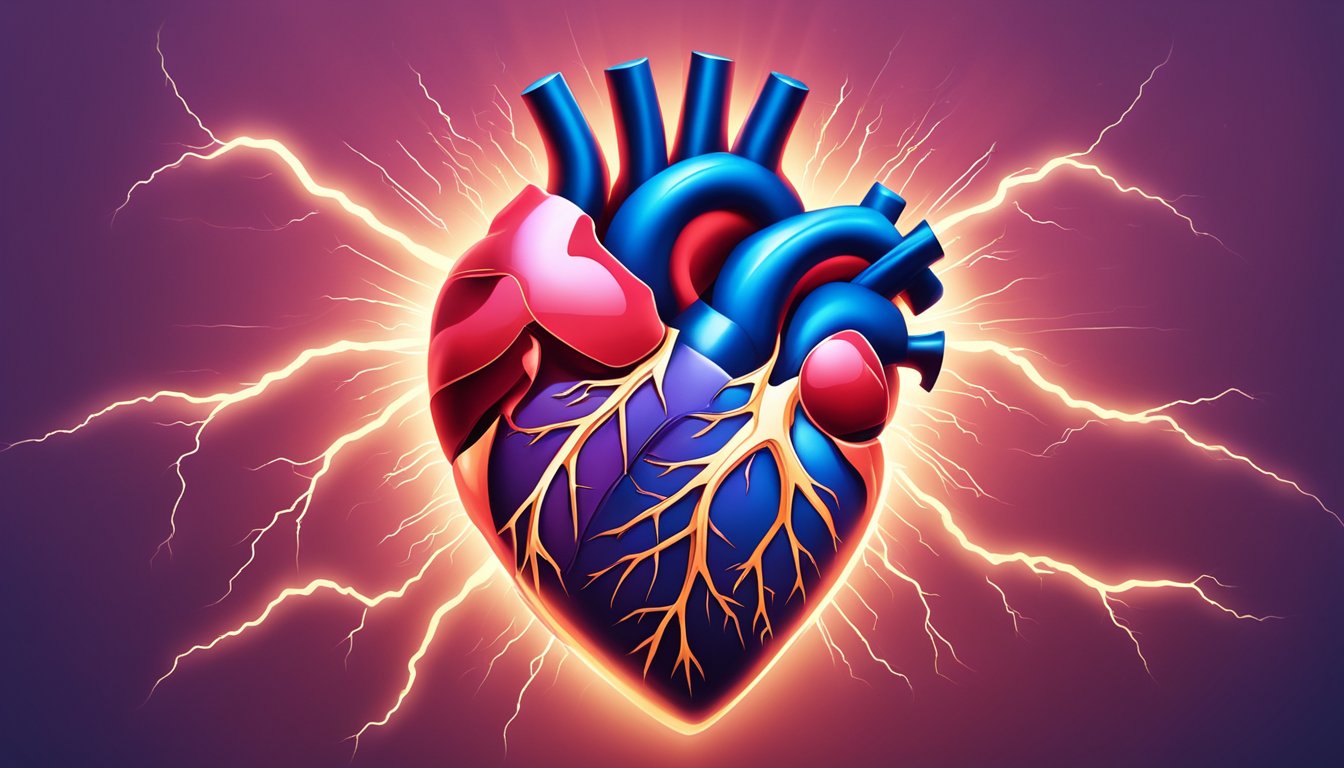
Heart attacks, also known as myocardial infarctions, occur when the heart muscle is deprived of oxygen due to a blockage in the coronary arteries. This blockage can be caused by a buildup of plaque or a blood clot, which can lead to a scar in the heart muscle.
Causes and Mechanisms
The heart is a muscle that requires a constant supply of oxygen to function properly. When the blood flow to the heart muscle is reduced or blocked, the heart muscle can become damaged, leading to a heart attack. This can be caused by atherosclerosis, a condition in which plaque builds up in the arteries, narrowing them and reducing blood flow.
Arrhythmias, such as ventricular fibrillation and ventricular tachycardia, can also cause sudden cardiac arrest, which can lead to death within minutes. This occurs when the heart’s electrical system malfunctions, causing the heart to beat irregularly and disrupt the blood flow.
Symptoms and Warning Signs
The symptoms of a heart attack can vary, but common signs include chest pain or discomfort, shortness of breath, nausea, and lightheadedness. It is important to note that not all heart attacks present with chest pain, and some people may experience only mild symptoms or no symptoms at all.
If someone is experiencing symptoms of a heart attack, it is important to seek medical attention immediately. Early intervention can greatly increase the chances of survival and reduce the risk of complications.
It is important to maintain a healthy lifestyle to reduce the risk of a heart attack. This includes regular exercise, a balanced diet, and avoiding smoking and excessive alcohol consumption. If someone has a family history of heart disease or other risk factors, they should speak with their doctor about additional measures to reduce their risk.
Disclaimer: The information provided in this article is for educational purposes only and is not intended to replace medical advice. If you are experiencing symptoms of a heart attack, seek medical attention immediately.
Risk Factors and Prevention

Heart attacks can be fatal and can occur suddenly. However, there are several risk factors that can increase the likelihood of a heart attack. Understanding these factors can help individuals take preventative measures to reduce their risk of a heart attack.
Modifiable Risk Factors
Modifiable risk factors are those that can be changed or modified to reduce the risk of a heart attack. These include smoking, high blood pressure, diabetes, obesity, sedentary lifestyle, high cholesterol, and stress.
Smoking is a significant risk factor for heart attacks. It is known to increase the risk of heart disease by damaging blood vessels, reducing oxygen supply to the heart and increasing the risk of blood clots. Quitting smoking is one of the most effective ways to reduce the risk of a heart attack.
High blood pressure is another modifiable risk factor that increases the risk of heart attacks. It can damage the arteries and make the heart work harder, increasing the risk of a heart attack. Regular monitoring of blood pressure and taking medication as prescribed can help control blood pressure and reduce the risk of a heart attack.
Non-Modifiable Risk Factors
Non-modifiable risk factors are those that cannot be changed. These include age, family history, and gender. Men are more likely to have a heart attack than women, and the risk increases with age. Family history of heart disease can also increase the risk of a heart attack.
Preventative Measures
Preventative measures can help reduce the risk of a heart attack. These include regular exercise, maintaining a healthy weight, reducing stress, and making lifestyle changes. Regular exercise can help improve heart health and reduce the risk of a heart attack. Maintaining a healthy weight can also help reduce the risk of heart disease.
Reducing stress through relaxation techniques such as meditation, deep breathing, and yoga can help reduce the risk of a heart attack. Making lifestyle changes such as reducing alcohol consumption, eating a healthy diet, and quitting smoking can also help reduce the risk of a heart attack.
It is important to note that while preventative measures can reduce the risk of a heart attack, they do not guarantee prevention. It is important to consult with a healthcare professional for personalised advice on reducing the risk of a heart attack.
Immediate Response and Treatment
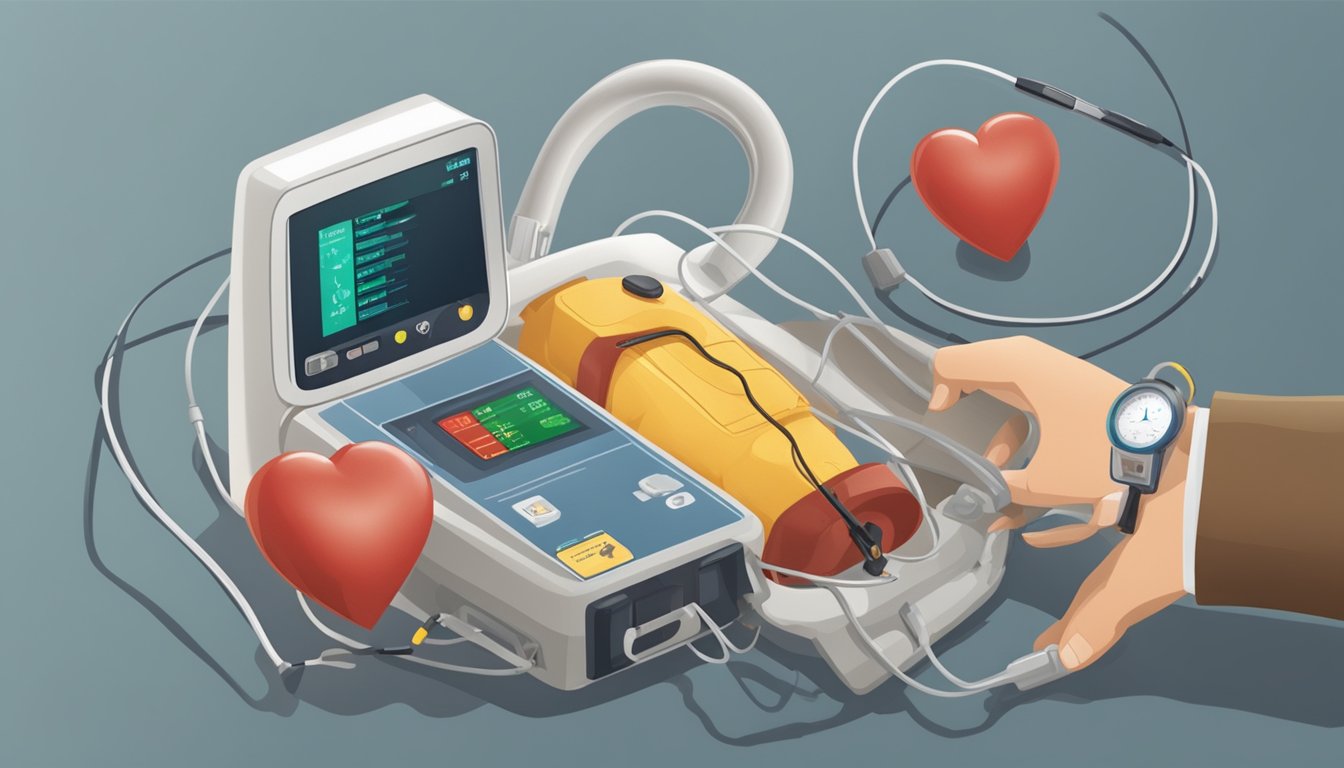
When it comes to heart attacks, time is of the essence. Recognising the symptoms and seeking immediate medical attention can mean the difference between life and death. In this section, we will discuss the immediate response and treatment options for someone experiencing a heart attack.
Recognising a Heart Attack
The symptoms of a heart attack can vary from person to person, but common signs include chest pain or discomfort, shortness of breath, lightheadedness, nausea, and cold sweats. It is important to note that not everyone experiences chest pain during a heart attack, and women may have different symptoms than men.
If someone is experiencing any of these symptoms, it is important to call for emergency medical help immediately. Every minute counts, so do not delay seeking help.
Emergency Interventions
Once emergency medical services arrive, they will begin to assess the situation and provide emergency interventions as needed. This may include cardiopulmonary resuscitation (CPR) or the use of an automated external defibrillator (AED) to restore the heart’s normal rhythm.
An electrocardiogram (ECG) may also be performed to diagnose the heart attack and determine the appropriate treatment. In some cases, cardiac catheterization may be necessary to open blocked arteries and restore blood flow to the heart.
Medications such as beta-blockers may be given to help reduce the workload on the heart and prevent further damage. In some cases, an implantable cardioverter-defibrillator (ICD) may be recommended to help prevent future episodes of ventricular fibrillation.
Post-Attack Care
After a heart attack, it is important to follow up with a healthcare provider to ensure proper care and management. This may include lifestyle changes such as quitting smoking, eating a healthy diet, and getting regular exercise.
It is also important to take any prescribed medications as directed and attend any follow-up appointments. With proper care and management, many people are able to recover from a heart attack and go on to lead healthy, active lives.
It is important to note that every case is unique, and treatment options may vary depending on the individual’s specific needs. This information is not intended to replace medical advice or treatment. Always consult a healthcare provider for personalised advice and care.
Complications and Prognosis

Potential Complications
A heart attack can lead to a range of potential complications, some of which can be life-threatening. These complications can vary widely from mild to severe and may include:
- Heart failure: A heart attack can cause damage to the heart muscle, leading to heart failure. This occurs when the heart is unable to pump enough blood to meet the body’s needs.
- Arrhythmia: A heart attack can cause an irregular heartbeat, or arrhythmia. This can range from mild palpitations to a more serious condition, such as ventricular fibrillation, which can be fatal.
- Heart damage: A heart attack can cause damage to the heart muscle, leading to decreased heart function and an increased risk of future heart attacks.
- Blood clot: A blood clot can form at the site of the heart attack, leading to further complications such as stroke or pulmonary embolism.
- Heart rhythm: A heart attack can cause changes in the heart’s rhythm, which can be detected with an electrocardiogram (ECG). This can indicate the severity of the heart attack and the potential for complications.
Factors Influencing Prognosis
Survival rates following a heart attack depend on a range of factors, including the extent of heart damage, the patient’s overall health, and the promptness and effectiveness of treatment. Clinical practice guidelines recommend that patients who have had a heart attack receive prompt medical treatment, including medication and lifestyle changes.
Other factors that may influence prognosis include the patient’s ejection fraction (a measure of the heart’s pumping ability), previous heart attacks, and the presence of other medical conditions such as diabetes or high blood pressure.
It is important to note that while a heart attack can be a serious and life-threatening condition, prompt medical attention and appropriate treatment can improve the chances of survival and reduce the risk of complications. Patients who have experienced a heart attack should work closely with their healthcare provider to manage their condition and reduce the risk of future heart problems.
Frequently Asked Questions

What factors contribute to the immediacy of a fatality following a myocardial infarction?
The immediacy of a fatality following a myocardial infarction can be influenced by several factors, including the severity of the heart attack, the individual’s overall health, and the speed of medical intervention. The faster an individual receives medical attention, the better their chances of survival.
Is it possible for an individual with no prior cardiac history to succumb to a myocardial infarction unexpectedly?
Yes, it is possible for an individual with no prior cardiac history to suffer a myocardial infarction unexpectedly. However, individuals with pre-existing risk factors such as high blood pressure, high cholesterol, or diabetes are at a higher risk of developing a heart attack.
What is the typical duration of a myocardial infarction before medical intervention is required?
The duration of a myocardial infarction before medical intervention is required varies depending on the individual’s condition. However, it is crucial to seek medical attention as soon as possible to increase the chances of survival.
How does the speed of onset affect the lethality of a myocardial infarction?
The speed of onset can significantly affect the lethality of a myocardial infarction. A sudden onset of symptoms, such as chest pain, shortness of breath, and dizziness, could indicate a more severe heart attack that requires immediate medical attention.
Can the severity of a myocardial infarction be a determinant in the potential for instantaneous death?
Yes, the severity of a myocardial infarction can be a determinant in the potential for instantaneous death. A severe heart attack can cause the heart to stop beating entirely, leading to sudden cardiac arrest and potential instantaneous death.
What are the primary signs that a myocardial infarction could be life-threatening within moments?
The primary signs that a myocardial infarction could be life-threatening within moments include sudden and severe chest pain, shortness of breath, dizziness, and a rapid or irregular heartbeat. If an individual experiences any of these symptoms, they should seek immediate medical attention.
It is important to note that while these FAQs provide general information, each individual’s situation is unique, and they should consult with a medical professional for personalised advice.