

Heart attacks are a serious medical emergency that require immediate attention. They occur when the blood flow to the heart is blocked, which can cause damage to the heart muscle. Surviving a heart attack is a significant achievement, but many people are left wondering if they can fully recover from one.
The answer to this question is not straightforward as it depends on several factors, including the severity of the heart attack, the individual’s overall health, and their willingness to make lifestyle changes. Some people may make a full recovery from a heart attack and return to their normal activities, while others may experience long-term physical and emotional effects. It is essential to understand the recovery process and what to expect to increase the chances of a successful recovery.
Key Takeaways
- Recovery from a heart attack depends on several factors, including the severity of the heart attack, the individual’s overall health, and their willingness to make lifestyle changes.
- While some people may make a full recovery from a heart attack, others may experience long-term physical and emotional effects.
- Understanding the recovery process and making lifestyle changes can increase the chances of a successful recovery.
Understanding Heart Attacks

Heart attacks, also known as myocardial infarctions, occur when the blood supply to the heart is blocked, causing damage to the heart muscle. This damage can be permanent, and it can lead to serious complications or even death. Understanding the causes, risk factors, and symptoms of heart attacks is crucial for preventing them and seeking prompt medical attention when they occur.
Causes and Risk Factors
The most common cause of heart attacks is coronary artery disease, which occurs when the arteries that supply blood to the heart become narrowed or blocked by a buildup of cholesterol and other substances. Other risk factors for heart attacks include high blood pressure, diabetes, smoking, a family history of heart disease, and age.
Recognising Symptoms
The symptoms of a heart attack vary from person to person, but the most common ones include chest pain or discomfort, shortness of breath, and a feeling of pressure or tightness in the chest. Other warning signs may include pain or discomfort in the arms, neck, jaw, back, or stomach, as well as nausea, lightheadedness, or sweating.
It is important to note that not all heart attacks present with the same symptoms, and some people may not experience any symptoms at all. This is particularly true for women, older adults, and people with diabetes.
If you or someone you know is experiencing any of the warning signs of a heart attack, it is important to seek medical attention immediately. Prompt treatment can help prevent further damage to the heart and improve the chances of a full recovery.
It is important to note that while many people can fully recover from a heart attack, the recovery process can take time and may require lifestyle changes, such as quitting smoking, eating a healthy diet, and getting regular exercise. Working closely with a healthcare professional can help ensure a safe and successful recovery.
Disclaimer: The information provided is not intended to be a substitute for professional medical advice, diagnosis, or treatment. Always seek the advice of your physician or other qualified healthcare provider with any questions you may have regarding a medical condition.
Immediate Recovery Process
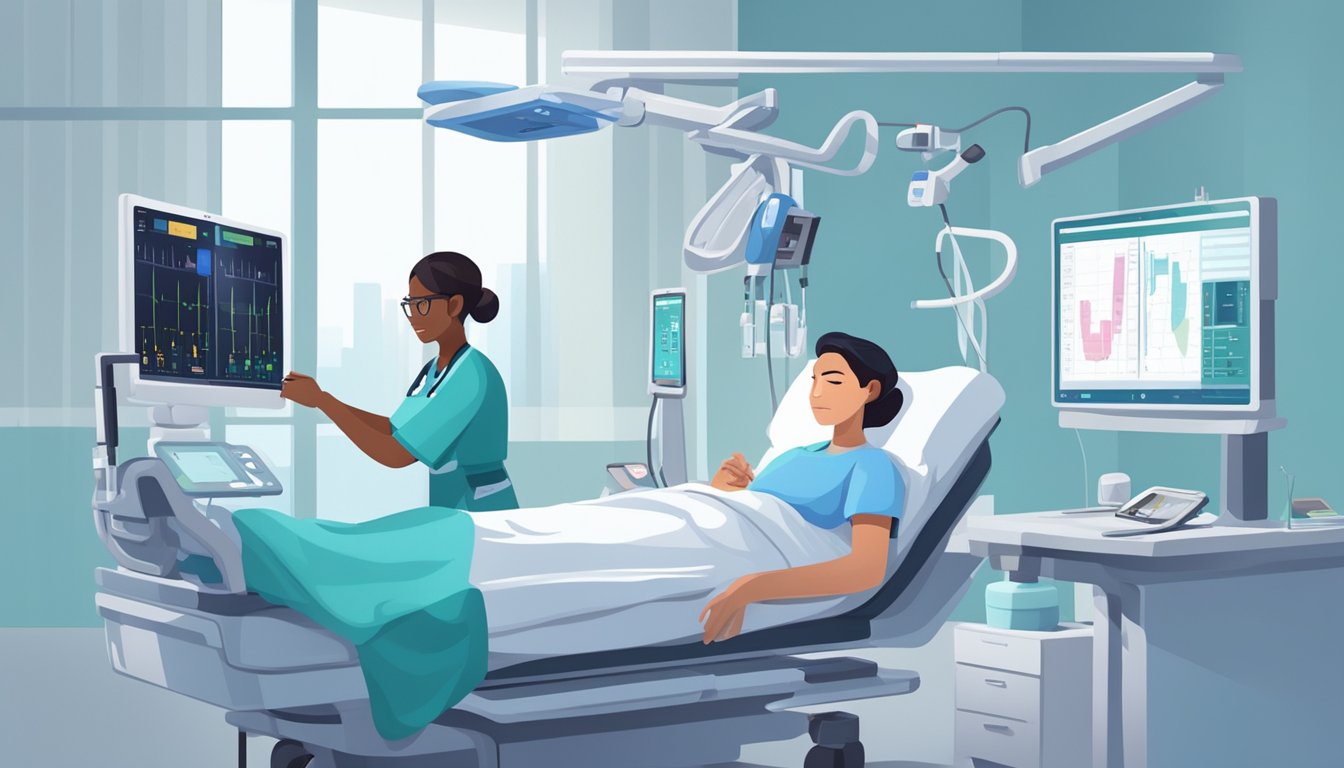
After a heart attack, the immediate recovery process is crucial in ensuring the patient’s survival and reducing the risk of future heart problems. The recovery process is divided into two main parts: hospital care and initial treatment, and early rehabilitation and rest.
Hospital Care and Initial Treatment
When a patient arrives at the hospital, the medical team will perform various tests to determine the severity of the heart attack and the extent of the damage to the heart. The tests may include an electrocardiogram (ECG), blood tests, and imaging tests such as a chest X-ray or echocardiogram.
The medical team will then determine the best treatment plan for the patient. This may involve medication to dissolve blood clots and improve blood flow to the heart, as well as the insertion of a stent to keep the artery open. In some cases, surgery may be necessary to repair damage to the heart.
Early Rehabilitation and Rest
After the initial treatment, the patient will need to rest and avoid physical activity for a period of time to allow the heart to heal. The length of this rest period will depend on the severity of the heart attack and the patient’s overall health.
Once the patient is stable, they may begin a cardiac rehabilitation programme. This programme is designed to help the patient regain their strength and improve their overall health. It may include exercise, dietary changes, and education on how to manage heart disease.
It is important for the patient to follow their medication regimen and attend all follow-up appointments with their healthcare provider. They should also make lifestyle changes such as quitting smoking, eating a healthy diet, and getting regular exercise.
While it is possible to fully recover from a heart attack, the recovery process can be long and challenging. It is important for patients to work closely with their healthcare team to ensure the best possible outcome.
Disclaimer: This article is for informational purposes only. It is not intended to be a substitute for professional medical advice, diagnosis, or treatment. Always seek the advice of your physician or other qualified healthcare provider with any questions you may have regarding a medical condition.
Long-Term Recovery and Lifestyle Adjustments

After a heart attack, it is essential to make long-term lifestyle adjustments to reduce the risk of further cardiac events. A heart-healthy lifestyle can help the patient recover and improve their long-term heart health.
Physical Activity and Exercise
Regular physical activity and exercise are crucial for long-term recovery after a heart attack. It is recommended to engage in aerobic exercise such as swimming, walking, or jogging for at least 30 minutes a day, five days a week. However, patients should consult with their healthcare provider before starting any exercise program.
Diet and Nutrition
Following a healthy diet is essential for long-term recovery after a heart attack. A heart-healthy diet includes foods that are low in saturated fats and trans fats and high in fibre, such as fruits, vegetables, whole grains, and lean protein. The Mediterranean diet is an excellent example of a heart-healthy diet.
Ongoing Medication and Health Monitoring
Patients who have suffered a heart attack may need to take medication to manage their blood pressure and cholesterol levels. It is crucial to take the prescribed medicines as directed by the healthcare provider. Patients should also monitor their weight, body mass index (BMI), and blood pressure regularly.
It is worth noting that recovery from a heart attack is a gradual process that requires patience and persistence. Patients should not hesitate to seek support from their healthcare provider, family, and friends.
It is essential to emphasise that the information provided is for educational purposes only and should not replace the advice of a healthcare professional. Patients should seek medical advice before making any significant changes to their lifestyle or medication regimen.
Psychological and Social Aspects of Recovery

When it comes to recovering from a heart attack, it is not just physical healing that is important. Psychological and social aspects of recovery are also crucial for a patient to fully recover. Here are some important factors to consider:
Mental Health and Emotional Well-being
Heart attacks can be a traumatic event and can lead to a range of emotions such as depression, anxiety, and fear. It is important for patients to seek support and help from mental health professionals or support groups to manage these emotions and improve their overall well-being.
Relaxation techniques can also be helpful in managing stress and anxiety. These techniques include deep breathing exercises, meditation, and yoga. Patients can also benefit from engaging in activities that they enjoy, such as reading, listening to music, or spending time with loved ones.
Returning to Work and Social Activities
Returning to work and social activities can be challenging after a heart attack. Patients may need to make adjustments to their work schedule or duties to accommodate their physical limitations. It is important for patients to discuss their needs with their employer and healthcare provider to ensure a smooth transition back to work.
Social activities can also be an important part of recovery. Patients can benefit from spending time with family and friends, participating in support groups, or engaging in hobbies or interests. It is important for patients to listen to their body and not overexert themselves during these activities.
It is important to note that recovery from a heart attack is a gradual process and may take time. Patients should work closely with their healthcare provider to develop a personalized plan for recovery that takes into account their physical, psychological, and social needs.
Disclaimer: The information provided in this article is for educational purposes only and should not be used as a substitute for professional medical advice. It is important to consult a healthcare provider for any questions or concerns regarding recovery from a heart attack.
Frequently Asked Questions

What is the average life expectancy following a heart attack?
The average life expectancy following a heart attack depends on various factors such as the severity of the heart attack, age, overall health, and the presence of other underlying medical conditions. According to research, the risk of death is highest in the first year after a heart attack, but with proper medical care and lifestyle changes, the risk of death can be reduced. However, it is important to note that each case is unique and there is no one-size-fits-all answer to this question.
How much time is typically required for recovery after a minor heart attack?
The recovery time after a minor heart attack can vary depending on various factors such as the extent of damage to the heart muscle, overall health, and the presence of other underlying medical conditions. Generally, it takes about two to six weeks to recover after a minor heart attack. However, the recovery period may be longer if there are complications or if the patient has other health issues.
What are the recommended restrictions on activities post-heart attack?
The restrictions on activities post-heart attack depend on the severity of the heart attack and the overall health of the patient. In general, patients are advised to avoid strenuous activities for several weeks after a heart attack. Patients should also avoid lifting heavy objects, driving, and other activities that may cause strain on the heart. It is important to discuss specific restrictions with a doctor to ensure a safe and successful recovery.
Is it possible to resume normal work duties following a heart attack, and after how long?
The ability to resume normal work duties following a heart attack depends on various factors such as the type of work, the severity of the heart attack, and overall health. In general, patients are advised to take several weeks off work to allow for proper rest and recovery. However, it is important to note that each case is unique, and the ability to return to work will depend on the individual’s specific circumstances.
Can one expect to lead a long and healthy life subsequent to a heart attack?
With proper medical care and lifestyle changes, it is possible to lead a long and healthy life subsequent to a heart attack. Patients who make healthy lifestyle changes such as quitting smoking, eating a healthy diet, and exercising regularly can reduce their risk of future heart problems. It is important to work closely with a doctor to develop an individualized plan for long-term heart health.
Is a full recovery of cardiac function achievable after a heart attack?
A full recovery of cardiac function is not always achievable after a heart attack. The extent of damage to the heart muscle and the presence of other underlying medical conditions can impact the recovery of cardiac function. However, with proper medical care and lifestyle changes, patients can improve their cardiac function and reduce their risk of future heart problems. It is important to work closely with a doctor to develop an individualized plan for heart health.