

Dry cough and heart palpitations are two symptoms that are commonly associated with a number of medical conditions. A dry cough is a cough that does not produce any mucus or phlegm, and can be caused by a variety of factors including allergies, asthma, and respiratory infections. Heart palpitations, on the other hand, are a sensation of the heart beating faster or harder than normal, and can be caused by a number of factors including anxiety, stress, and heart disease.
When these two symptoms occur together, it can be a sign of an underlying medical condition. In some cases, a dry cough and heart palpitations can be caused by an underlying heart condition such as atrial fibrillation or heart failure. However, it is important to note that in many cases, these symptoms are not related to heart disease and can be caused by other factors such as anxiety, stress, or respiratory infections.
Key Takeaways
- Dry cough and heart palpitations can be symptoms of an underlying medical condition.
- These symptoms can be caused by a variety of factors including heart disease, anxiety, stress, and respiratory infections.
- It is important to seek medical attention if you experience a dry cough and heart palpitations, as they can be a sign of a serious medical condition.
Understanding Dry Cough and Heart Palpitations
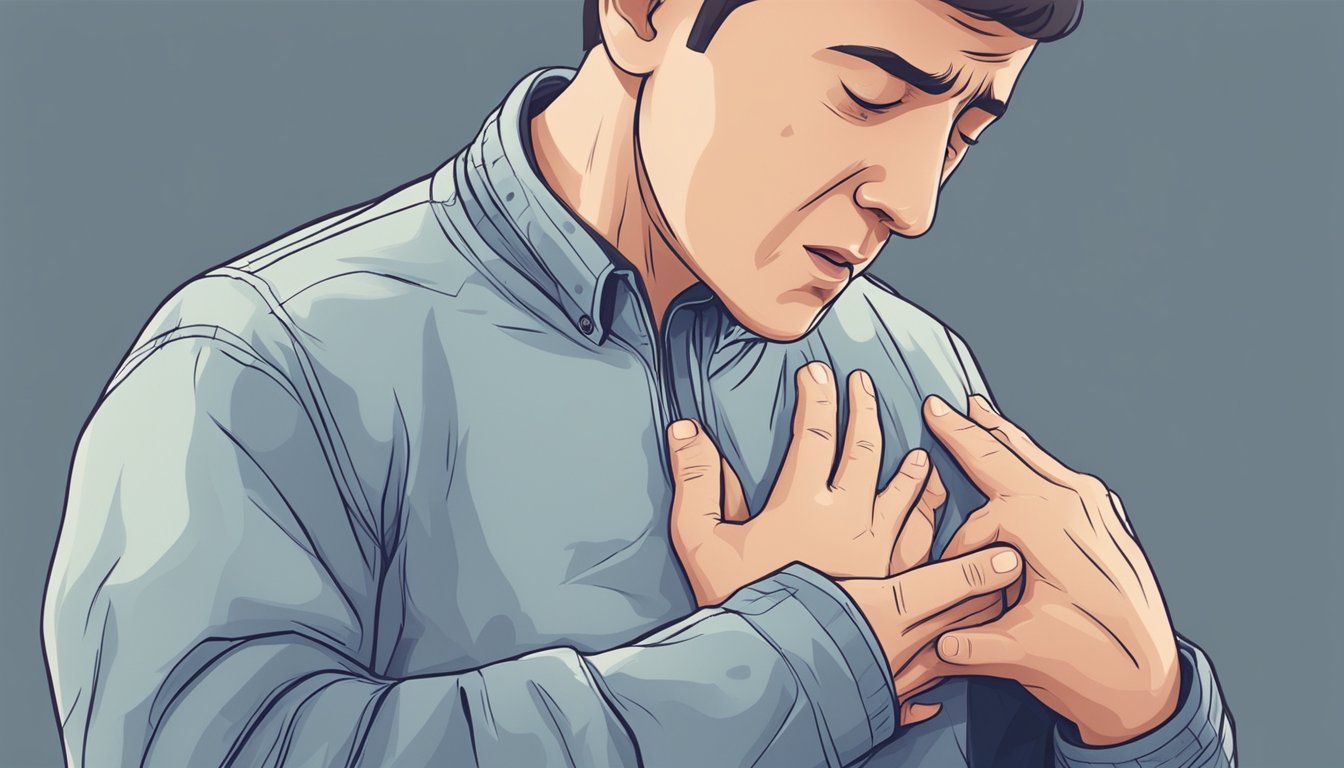
Dry cough and heart palpitations are two symptoms that can occur together and may indicate an underlying medical condition. In this section, we will explore the causes and triggers of these symptoms, as well as their potential complications.
Causes and Triggers
Dry cough is a type of cough that does not produce any sputum or phlegm. It can be caused by a variety of factors, including irritants such as dust, smoke, and other pollutants. Other causes of dry cough include inflammation in the throat, acid reflux, and congenital heart disease.
Heart palpitations, on the other hand, can be caused by irregular heartbeats or arrhythmias. High blood pressure and inflammation in the pulmonary veins can also trigger heart palpitations, as can smoking and other irritants.
Symptoms and Early Signs
Dry cough is a persistent cough that does not produce any sputum or phlegm. It can be accompanied by wheezing and other respiratory symptoms. Heart palpitations, on the other hand, can feel like the heart is beating too fast, skipping beats, or pounding. They may also be felt in the throat or neck.
Early signs of heart disease can include heavy wheezing, along with coughing, which could be a sign of trouble. A persistent dry cough, particularly when you’re not prone to coughing, can also be an early sign of heart disease.
Potential Complications
Dry cough and heart palpitations can indicate an underlying medical condition that may require treatment. If left untreated, these symptoms can lead to complications such as arrhythmias and other heart problems.
If you experience persistent dry cough and heart palpitations, it is important to see a healthcare provider for an evaluation. They can help determine the underlying cause of your symptoms and recommend appropriate treatment.
Disclaimer: The information provided in this section is for educational purposes only and should not be used as a substitute for professional medical advice. If you are experiencing persistent dry cough and heart palpitations, please consult a healthcare provider for an evaluation and treatment.
Diagnosis and Medical Evaluation

Consulting a Doctor
If someone experiences dry cough and heart palpitations, they should consult a doctor or healthcare provider as soon as possible. A physician will conduct a physical examination and inquire about the patient’s medical history. The doctor will also ask about any medications that the patient is currently taking. A thorough medical evaluation is necessary to determine the underlying cause of the symptoms.
If the physician suspects that the symptoms may be related to a cardiac condition, they may refer the patient to a cardiologist for further evaluation and testing. The cardiologist will perform additional tests to determine if there are any underlying heart conditions that may be causing the symptoms.
Diagnostic Tests
Several diagnostic tests may be performed to evaluate a patient’s symptoms of dry cough and heart palpitations. These tests may include:
- Electrocardiogram (ECG): This test measures the electrical activity of the heart and can help identify any abnormalities in heart rhythm.
- Holter monitor: This is a portable ECG device that records the heart’s electrical activity over a 24- or 48-hour period.
- Echocardiogram: This test uses sound waves to create images of the heart and can help identify any structural abnormalities or problems with heart function.
- Blood tests: These tests can help identify any underlying medical conditions that may be causing the symptoms.
- Chest X-ray: This test can help identify any abnormalities in the lungs or chest that may be causing the symptoms.
It is important to note that the diagnostic tests performed will depend on the individual patient’s symptoms and medical history. A physician will determine which tests are necessary to make an accurate diagnosis.
Overall, a thorough medical evaluation is necessary to determine the underlying cause of dry cough and heart palpitations. Patients should consult a doctor or healthcare provider as soon as possible if they experience these symptoms.
Treatment and Management

Dry cough and heart palpitations can be managed with a combination of medications, therapies, and lifestyle modifications. The treatment plan will depend on the underlying cause of the symptoms.
Medications and Therapies
Medications such as pseudoephedrine and bronchodilators may be prescribed to manage the symptoms of dry cough and heart palpitations. Antibiotics may be prescribed if the symptoms are caused by a bacterial infection such as bronchitis.
Therapies such as oxygen therapy and pulmonary rehabilitation may also be recommended to improve breathing and manage the symptoms of dry cough and heart palpitations.
Lifestyle Modifications and Home Remedies
Lifestyle changes such as reducing alcohol and caffeine intake, avoiding beta-blockers, reducing sodium intake, and taking diuretics or angiotensin-converting enzyme (ACE) inhibitors may help manage the symptoms of dry cough and heart palpitations.
Home remedies such as using a humidifier, drinking warm fluids, and avoiding irritants such as smoke and pollution may also help alleviate the symptoms of dry cough and heart palpitations.
It is important to note that lifestyle modifications and home remedies should not be used as a substitute for medical treatment. It is important to consult a healthcare professional before making any changes to your treatment plan.
Disclaimer: The information provided is for educational purposes only and is not intended to replace medical advice. Always consult a healthcare professional before starting any new treatment or making any changes to your treatment plan.
Associated Conditions and Differential Diagnosis

Cardiovascular and Respiratory Conditions
Dry cough is a common symptom in patients with cardiovascular and respiratory conditions. Heart failure, for example, can cause fluid buildup in the lungs leading to coughing. Shortness of breath, fatigue, and swelling in the legs, feet, and ankles are other common symptoms of heart failure that can be associated with dry cough.
In some cases, respiratory infections like flu, pneumonia, and upper respiratory infections can also cause dry cough. Chronic obstructive pulmonary disease (COPD), obstructive sleep apnea, and lung diseases can also be associated with this symptom.
Patients with arrhythmia-triggered cough report mainly dry cough. It is usually not very intense, but persists throughout the day and night, resulting in sleep disruption not only in patients with coexisting heart failure. Irregular heartbeat, pounding, chest pain, and dyspnea are other symptoms that may accompany dry cough in patients with heart conditions.
Other Underlying Health Issues
Dry cough can also be associated with other underlying health issues. Stress, allergies, and cold are some of the common causes of dry cough. In some cases, dry cough can be a side effect of medication.
Patients with right ventricle dysfunction can also experience dry cough. Weight gain, edema, and high blood pressure are some of the common symptoms of this condition.
It is important to note that dry cough can be a symptom of a serious underlying condition like heart attack. If the dry cough is accompanied by chest pain, neck pain, or any other symptoms, it is important to seek medical attention immediately.
Disclaimer: The information provided here is for educational purposes only and is not intended to be a substitute for professional medical advice, diagnosis, or treatment. Always seek the advice of your physician or other qualified healthcare provider with any questions you may have regarding a medical condition.
Frequently Asked Questions
What is the correlation between coughing and experiencing heart palpitations?
Coughing and heart palpitations may be related in some cases. A persistent dry cough can put a strain on the heart, leading to palpitations. Palpitations can also be caused by certain medications used to treat coughs. However, not all coughs are related to heart palpitations, and it is important to seek medical advice if you experience any symptoms.
Can anxiety lead to heart flutters accompanied by a cough?
Anxiety can cause heart palpitations, which may be accompanied by a cough. Anxiety can also cause hyperventilation, which can lead to coughing. However, it is important to rule out any underlying medical conditions that may be causing the symptoms.
Is it common to have heart palpitations coupled with a cough after consuming food?
Heart palpitations and coughing after consuming food may be a sign of an underlying medical condition such as gastroesophageal reflux disease (GERD). It is important to seek medical advice if you experience any symptoms after eating.
Are heart palpitations and coughing symptoms indicative of a potential heart attack?
Heart palpitations and coughing can be symptoms of a heart attack, especially if they are accompanied by other symptoms such as chest pain, shortness of breath, and sweating. However, these symptoms can also be caused by other conditions, and it is important to seek medical advice if you experience any symptoms.
How can one differentiate between a cough associated with a cardiac issue and one caused by other factors?
A cough associated with a cardiac issue may be dry and persistent, and may be accompanied by other symptoms such as shortness of breath, fatigue, and swelling in the legs. A cough caused by other factors such as a viral infection may be accompanied by symptoms such as fever, sore throat, and runny nose. It is important to seek medical advice if you experience any symptoms.
Does the presence of a chest infection increase the likelihood of experiencing heart palpitations?
A chest infection can put a strain on the heart, leading to heart palpitations. It is important to seek medical advice if you experience any symptoms of a chest infection, as prompt treatment can help prevent complications.
Please note that this information is for educational purposes only and should not be used as a substitute for medical advice. If you experience any symptoms, please seek medical advice from a qualified healthcare professional.