

Heart attack and cardiac arrest are two distinct medical emergencies that affect the heart. Many people use these terms interchangeably, but they are not the same. Understanding the difference between a heart attack and cardiac arrest can help individuals recognize the symptoms, seek prompt treatment, and potentially prevent long-term complications.
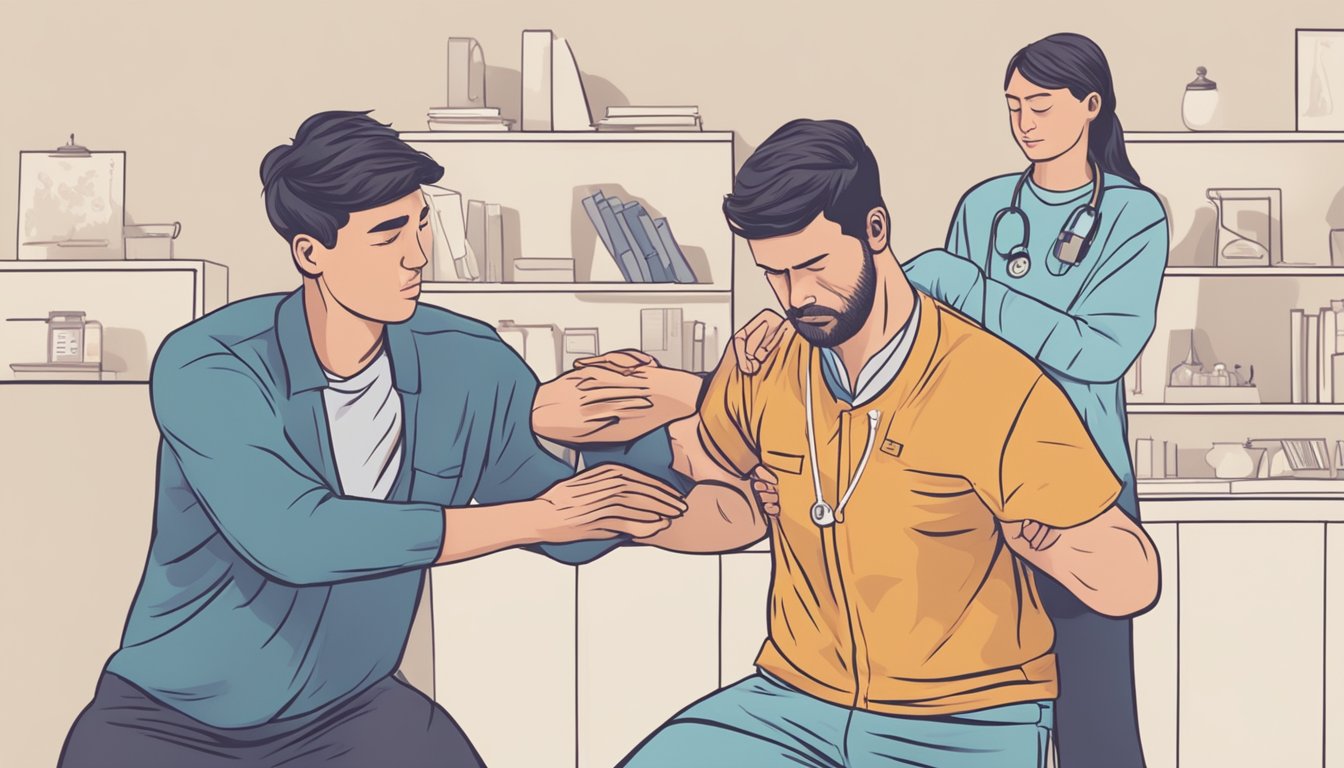
A heart attack occurs when the blood flow to the heart is blocked, often due to a buildup of plaque in the arteries. This blockage can cause damage to the heart muscle, and prompt treatment is essential to minimize damage and prevent complications. In contrast, cardiac arrest occurs when the heart suddenly stops beating, often due to an electrical problem in the heart. This can lead to sudden death if not treated promptly.
Recognizing the symptoms of a heart attack or cardiac arrest and seeking prompt medical attention can be life-saving. In this article, we will explore the difference between a heart attack and cardiac arrest, the causes and risk factors, how to recognize the symptoms and seek treatment, as well as prevention and long-term management strategies.
Key Takeaways
- Heart attack and cardiac arrest are two distinct medical emergencies that affect the heart.
- Prompt recognition of symptoms and seeking medical attention can be life-saving.
- Understanding the causes, risk factors, and prevention strategies can help individuals reduce their risk of heart attack and cardiac arrest.
Understanding Heart Attack and Cardiac Arrest
Definition of Heart Attack
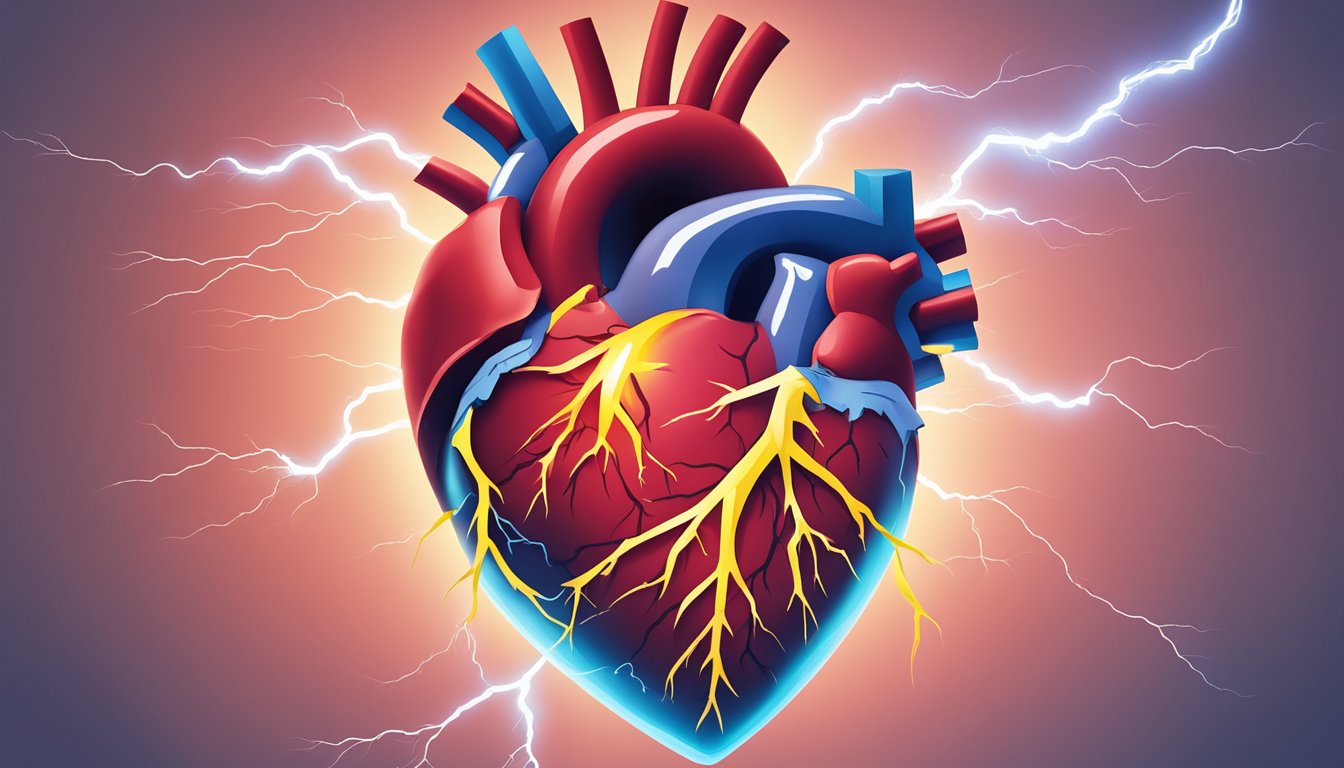
A heart attack, also known as myocardial infarction, occurs when there is a blockage in the coronary artery, which supplies blood to the heart muscle. This blockage can cause a lack of oxygen-rich blood to reach the heart muscle, leading to damage or death of the heart tissue.
Symptoms of a heart attack include chest pain, shortness of breath, nausea, and sweating. The chest pain can be described as a feeling of pressure, tightness, or squeezing in the chest. It can also spread to the arms, neck, jaw, back, or stomach. In some cases, a heart attack can cause a sudden collapse.
Immediate emergency treatment is crucial for a heart attack. The goal of treatment is to restore blood flow to the affected area of the heart muscle as quickly as possible. Treatment options include medications, angioplasty, and bypass surgery.
Definition of Cardiac Arrest
Cardiac arrest is a sudden loss of heart function that occurs when the heart’s electrical system malfunctions. This can cause the heart to beat rapidly and chaotically, or to stop beating altogether. When the heart stops beating, blood flow to the brain and other vital organs stops, and the person collapses.
Symptoms of cardiac arrest include a sudden loss of consciousness, no pulse, and no breathing. It can occur suddenly and without warning, and it requires immediate emergency treatment.
The only way to save a person’s life during cardiac arrest is to restart the heart using cardiopulmonary resuscitation (CPR) and an automated external defibrillator (AED). CPR involves chest compressions to manually pump blood through the body, while an AED delivers an electric shock to the heart to restore a normal heart rhythm.
It is important to note that a heart attack and cardiac arrest are two different medical emergencies and require different treatments. While a heart attack is a circulation problem, cardiac arrest is an electrical problem. Prompt recognition and treatment of both conditions can improve outcomes.
Causes and Risk Factors

Heart attacks and cardiac arrests have different causes and risk factors. Understanding these factors can help individuals take preventative measures to reduce their risk of developing these life-threatening conditions.
Causes of Heart Attack
A heart attack, also known as a myocardial infarction, occurs when a blocked artery prevents blood flow to the heart muscle. This blockage is often caused by the buildup of plaque in the arteries, which can rupture and form blood clots. The following factors can increase an individual’s risk of developing a heart attack:
- Age: The risk of heart attack increases with age.
- Family history: Individuals with a family history of heart disease are at a higher risk of developing a heart attack.
- Diabetes: Diabetes can increase the risk of heart disease and heart attack.
- High cholesterol: High levels of cholesterol can lead to the buildup of plaque in the arteries.
- High blood pressure: High blood pressure can damage the arteries and increase the risk of heart attack.
- Smoking: Smoking can damage the arteries and increase the risk of heart attack.
Causes of Cardiac Arrest
Cardiac arrest occurs when the heart’s electrical system malfunctions, causing the heart to stop beating. The following factors can increase an individual’s risk of developing a cardiac arrest:
- Arrhythmia: Abnormal heart rhythms can increase the risk of cardiac arrest.
- Heart failure: Individuals with heart failure are at a higher risk of developing a cardiac arrest.
- Long QT syndrome: This genetic condition affects the heart’s electrical system and can increase the risk of cardiac arrest.
- Drug use: Certain drugs, such as cocaine and amphetamines, can increase the risk of cardiac arrest.
It is important to note that some risk factors, such as age and family history, cannot be changed. However, individuals can take preventative measures, such as maintaining a healthy lifestyle and managing underlying health conditions, to reduce their risk of developing heart disease, heart attack, and cardiac arrest. It is recommended that individuals consult with their healthcare provider to determine their individual risk factors and develop a plan for prevention.
Recognising Symptoms and Seeking Treatment

Symptoms of a Heart Attack
A heart attack is a medical emergency that requires immediate attention. Symptoms of a heart attack can vary from person to person, but the most common symptoms include:
- Chest pain or discomfort that may feel like pressure, squeezing, fullness, or pain
- Shortness of breath
- Nausea
- Sweating
- Dizziness
It is important to note that some people, especially women, may experience atypical symptoms such as jaw pain, back pain, or fatigue. If you or someone you know is experiencing any of these symptoms, it is crucial to seek medical attention immediately.
Symptoms of Cardiac Arrest
Cardiac arrest is a sudden loss of heart function, which can cause a person to collapse and stop breathing. Symptoms of cardiac arrest include:
- No pulse
- No breathing
- Loss of consciousness
- Collapse
It is important to note that cardiac arrest can occur without any warning signs or symptoms. However, some people may experience chest pain, shortness of breath, or dizziness before a cardiac arrest.
Emergency Response and Treatment
If you suspect that someone is having a heart attack or cardiac arrest, it is important to call for emergency medical services (EMS) immediately. Time is of the essence in these situations, and prompt treatment can improve the chances of survival.
If someone is having a heart attack, they may be given medication to help dissolve blood clots and restore blood flow to the heart. In some cases, cardiac catheterization or stent placement may be necessary to open blocked arteries.
If someone is in cardiac arrest, immediate resuscitation with cardiopulmonary resuscitation (CPR) and an automated external defibrillator (AED) can improve the chances of survival. Once EMS arrives, they may administer medications or perform other interventions to restore heart function.
It is important to note that the information provided is for educational purposes only and should not be used as a substitute for professional medical advice, diagnosis, or treatment. Always seek the advice of your doctor or other qualified healthcare provider with any questions you may have regarding a medical condition.
Prevention and Long-Term Management
Lifestyle Changes and Medications
Preventing heart attack and cardiac arrest requires a combination of lifestyle changes and medications. Lifestyle changes include a healthy diet, regular exercise, smoking cessation, weight management, and monitoring of medical conditions such as high blood pressure, diabetes, and cardiomyopathy. A healthy diet should include plenty of fruits, vegetables, whole grains, and lean proteins. It is also important to limit the intake of saturated and trans fats, cholesterol, and sodium.
Regular exercise can help to reduce the risk of heart attack and cardiac arrest. It is recommended that individuals engage in moderate-intensity exercise for at least 30 minutes per day, five days per week. This can include activities such as brisk walking, cycling, or swimming. Individuals who have been diagnosed with a medical condition should consult with their doctor before starting an exercise program.
Medications can also be used to prevent heart attack and cardiac arrest. These medications may include aspirin, beta-blockers, ACE inhibitors, and statins. Aspirin can help to prevent blood clots, beta-blockers can help to reduce blood pressure and heart rate, ACE inhibitors can help to reduce blood pressure, and statins can help to lower cholesterol levels.
Monitoring and Regular Check-Ups
Regular monitoring and check-ups are also important for preventing heart attack and cardiac arrest. Individuals should monitor their blood pressure and cholesterol levels regularly and consult with their doctor if they are outside of the normal range. Individuals who have been diagnosed with a medical condition should also have regular check-ups with their doctor to ensure that their condition is being properly managed.
It is also important to have a family history of heart attack and cardiac arrest. Individuals who have a family history of these conditions may be at an increased risk and should discuss this with their doctor. Additionally, individuals who have been diagnosed with a medical condition should inform their family members so that they can be aware of their own risk.
In conclusion, preventing heart attack and cardiac arrest requires a combination of lifestyle changes and medications. Individuals should engage in regular exercise, maintain a healthy diet, quit smoking, manage their weight, and monitor their medical conditions. Regular monitoring and check-ups with a doctor are also important for preventing these conditions.
Getting assessed in Singapore
If symptoms are severe or come on suddenly in Singapore, emergency care is the right route rather than an outpatient appointment: call 995 or go to the nearest emergency department. For symptoms that are recurrent but not acute, a GP or polyclinic can arrange a cardiology referral, or a private clinic can be contacted directly.
To understand what an assessment would actually involve, see a consultation for suspected heart conditions and coronary angiography, angioplasty and stenting, or look through the screening packages available.
Frequently Asked Questions

Which condition is considered more life-threatening: a heart attack or cardiac arrest?
Both heart attack and cardiac arrest are medical emergencies that require immediate treatment. However, cardiac arrest is considered more life-threatening because it can lead to sudden death within minutes if not treated promptly. A heart attack, on the other hand, can cause serious damage to the heart muscle, but it is not necessarily fatal.
What distinguishes cardiac arrest from heart failure?
Cardiac arrest is a sudden loss of heart function, which can be caused by an electrical problem in the heart. Heart failure, on the other hand, is a chronic condition in which the heart is unable to pump enough blood to meet the body’s needs. While both conditions can be serious, they have different causes and require different treatments.
What are the primary symptoms indicating a heart attack compared to those of cardiac arrest?
The primary symptom of a heart attack is chest pain or discomfort, which may also be accompanied by shortness of breath, sweating, nausea, and lightheadedness. In contrast, the primary symptom of cardiac arrest is sudden loss of consciousness and absence of pulse.
Can one experience pain during a cardiac arrest?
No, a person experiencing cardiac arrest does not feel any pain as the heart is not pumping blood to the body. However, some people may experience chest pain or discomfort before a cardiac arrest occurs, which may be a warning sign of an impending heart attack.
What are the various types of cardiac arrest recognised in medical practice?
There are three main types of cardiac arrest: ventricular fibrillation, pulseless ventricular tachycardia, and asystole. Ventricular fibrillation is the most common type and occurs when the heart’s electrical signals become chaotic, causing the heart to quiver instead of beating normally.
How does the survival rate for cardiac arrest compare to that of heart attacks?
The survival rate for cardiac arrest is generally lower than that of heart attacks, but it depends on how quickly the person receives treatment. If the person receives prompt CPR and defibrillation, the survival rate can be as high as 60%. In contrast, the survival rate for heart attacks is generally higher, with up to 90% of people surviving if they receive prompt treatment.
Further reading
- HealthHub — Chest Pain
- HealthHub — Cardiovascular Disease
- National Heart Centre Singapore — Conditions & Treatments
Disclaimer: This article is general information about cardiovascular health. It is not medical advice, diagnosis or treatment, and reading it does not create a doctor–patient relationship. Always seek the advice of your doctor or another qualified health professional with any questions you have about a medical condition, and never disregard or delay seeking medical advice because of something you have read here. If you think you may be having a medical emergency, call 995 or go to the nearest emergency department.