

The location of the heart in the human body is a topic of interest for many people. The heart is a vital organ responsible for pumping blood throughout the body, and its location is essential for its proper function. The heart is located in the chest, specifically in the mediastinum, which is the central compartment of the thoracic cavity. The mediastinum is located between the lungs and extends from the sternum to the vertebral column.
The heart is tilted slightly to the left side of the body, with about two-thirds of the heart located on the left side and one-third on the right side. The left side of the heart is responsible for pumping oxygenated blood to the body, while the right side of the heart pumps deoxygenated blood to the lungs for oxygenation. The heart is protected by the ribcage and is surrounded by a layer of fluid called the pericardium, which helps reduce friction during heartbeats.
Key Takeaways:
- The heart is located in the mediastinum, which is the central compartment of the thoracic cavity.
- The heart is tilted slightly to the left side of the body, with about two-thirds of the heart located on the left side and one-third on the right side.
- The left side of the heart pumps oxygenated blood to the body, while the right side of the heart pumps deoxygenated blood to the lungs for oxygenation.
Heart Anatomy and Location
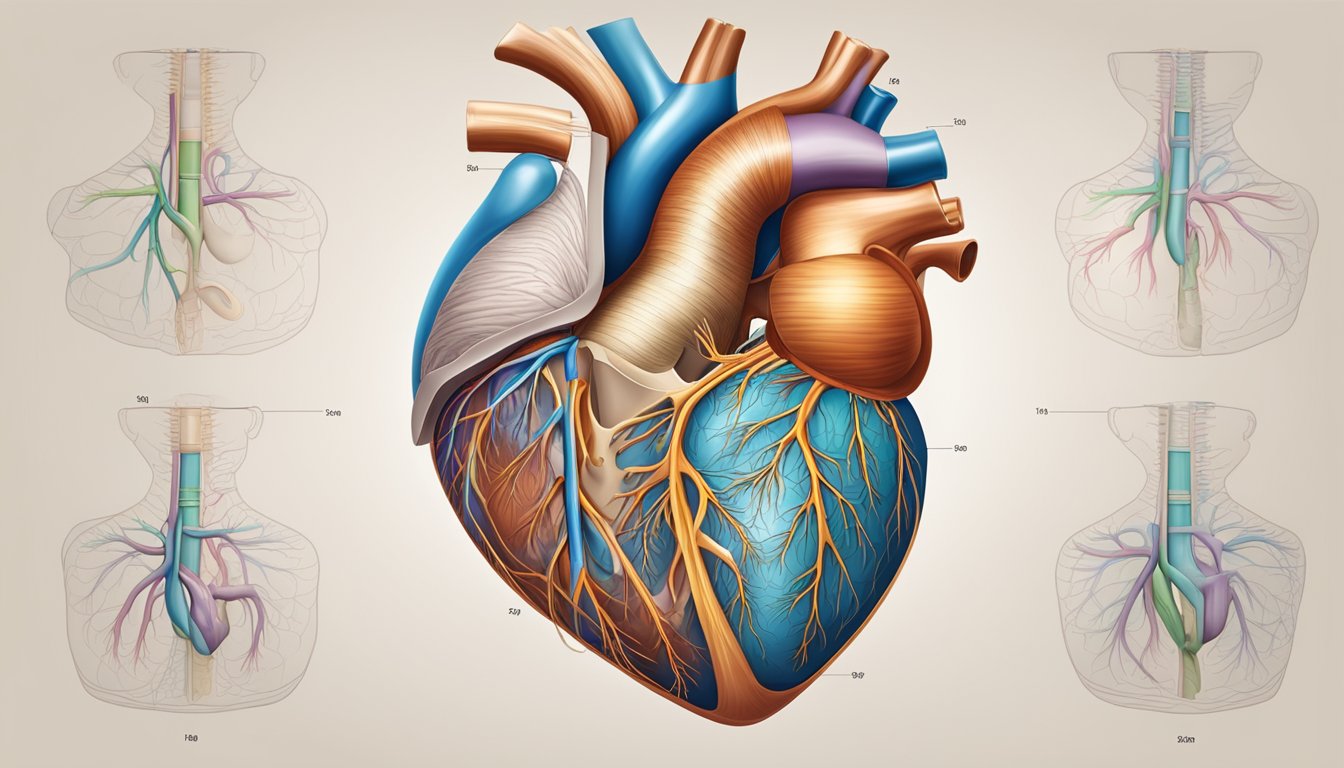
The heart is a muscular organ located in the thoracic cavity, between the lungs, and slightly to the left of the midline. The heart is enclosed in a double-walled sac called the pericardium, which contains a small amount of fluid to reduce friction during heartbeats.
Structural Overview
The heart is roughly the size of a fist and is cone-shaped, with the apex pointing downwards and to the left. The walls of the heart are composed of three layers of tissue: the epicardium (outer layer), the myocardium (middle layer), and the endocardium (inner layer). The myocardium is the thickest layer and is responsible for contracting the heart to pump blood.
Chambers and Valves
The heart is divided into four chambers: the right atrium, left atrium, right ventricle, and left ventricle. The atria are the two upper chambers of the heart, while the ventricles are the two lower chambers. The right atrium receives deoxygenated blood from the body and pumps it into the right ventricle, which then pumps the blood to the lungs to be oxygenated. The left atrium receives oxygenated blood from the lungs and pumps it into the left ventricle, which then pumps the blood to the rest of the body.
The heart also has four valves: the tricuspid valve, the mitral valve, the aortic valve, and the pulmonary valve. The tricuspid valve is located between the right atrium and right ventricle, while the mitral valve is located between the left atrium and left ventricle. The aortic valve is located at the base of the aorta, which is the largest artery in the body and carries oxygenated blood from the heart to the rest of the body. The pulmonary valve is located at the base of the pulmonary artery, which carries deoxygenated blood from the heart to the lungs.
Cardiac Muscle and Connective Tissue
The myocardium is composed of cardiac muscle cells, which are responsible for the rhythmic contractions of the heart. The myocardium is also supported by connective tissue, which provides structural support and helps to transmit electrical signals throughout the heart. The endocardium lines the inside of the heart and is composed of a thin layer of endothelial cells, which help to prevent blood clots from forming inside the heart.
In summary, the heart is a vital organ responsible for pumping blood throughout the body. It is divided into four chambers and is surrounded by a protective sac called the pericardium. The heart is composed of three layers of tissue, including the myocardium, which is responsible for contracting the heart. The heart also has four valves, which help to regulate blood flow, and is supported by connective tissue and endothelial cells.
Cardiovascular System Function
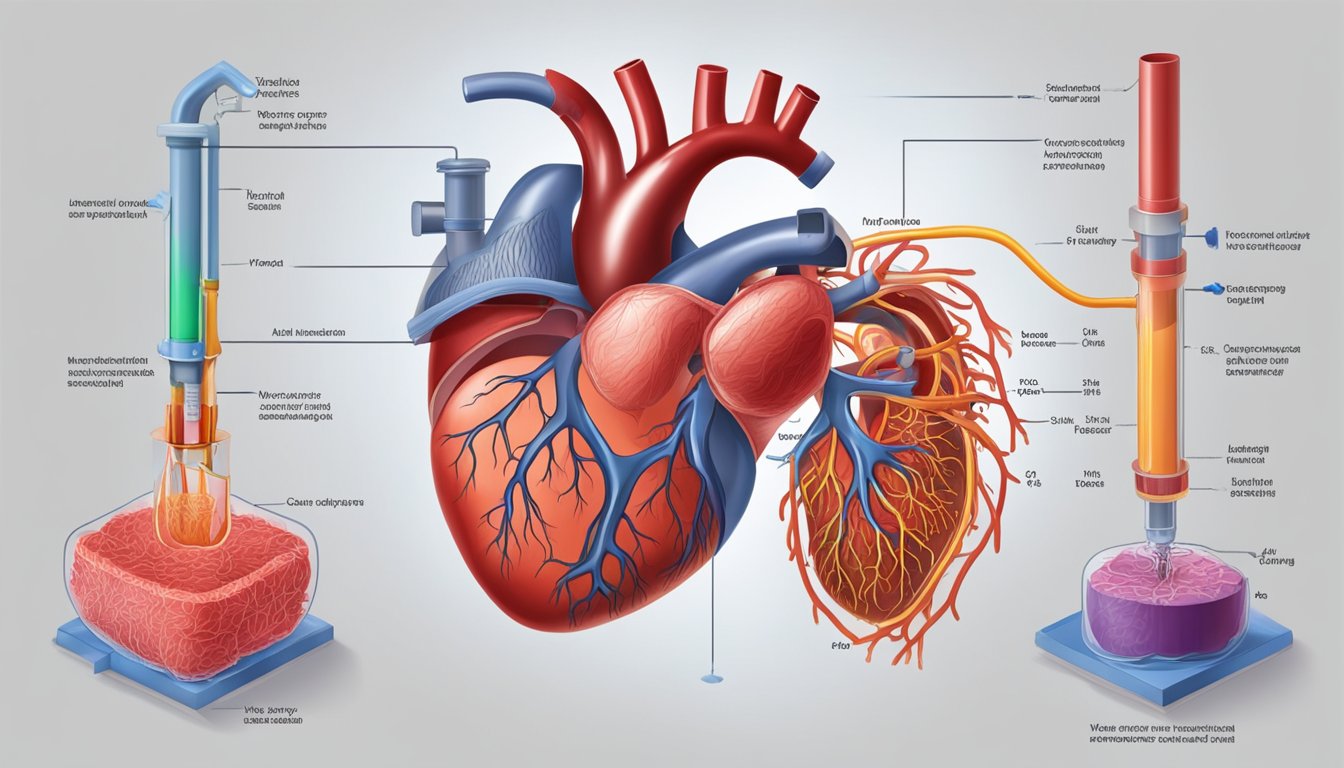
The cardiovascular system is responsible for the transportation of blood throughout the body. It consists of the heart, blood vessels, and blood. The heart is the pump that drives the blood flow, and the blood vessels are the channels through which the blood flows. The blood carries oxygen and nutrients to the cells and removes waste products from them.
Blood Circulation
Blood circulation is the process by which blood is pumped from the heart to the rest of the body and back to the heart. The heart pumps blood through the arteries, which carry oxygenated blood away from the heart to the rest of the body. The blood then flows through the capillaries, where it releases oxygen and nutrients to the cells. The blood then flows back to the heart through the veins, which carry deoxygenated blood.
Oxygen and Nutrient Transport
The cardiovascular system is responsible for the transport of oxygen and nutrients to the cells. Oxygen is transported from the lungs to the heart, where it is pumped to the rest of the body. Nutrients are transported from the digestive system to the liver, where they are processed and then transported to the rest of the body.
The blood vessels play a crucial role in the transport of oxygen and nutrients. The arteries carry oxygenated blood from the heart to the rest of the body, while the veins carry deoxygenated blood back to the heart. The capillaries are the smallest blood vessels and are responsible for the exchange of oxygen and nutrients with the cells.
In summary, the cardiovascular system plays a vital role in the transportation of blood, oxygen, and nutrients throughout the body. The heart acts as the pump that drives the blood flow, while the blood vessels are the channels through which the blood flows. The blood carries oxygen and nutrients to the cells and removes waste products from them. It is important to maintain a healthy cardiovascular system to ensure proper blood circulation, oxygen and nutrient transport, and overall good health.
Cardiac Physiology
Heartbeat and Heart Rate
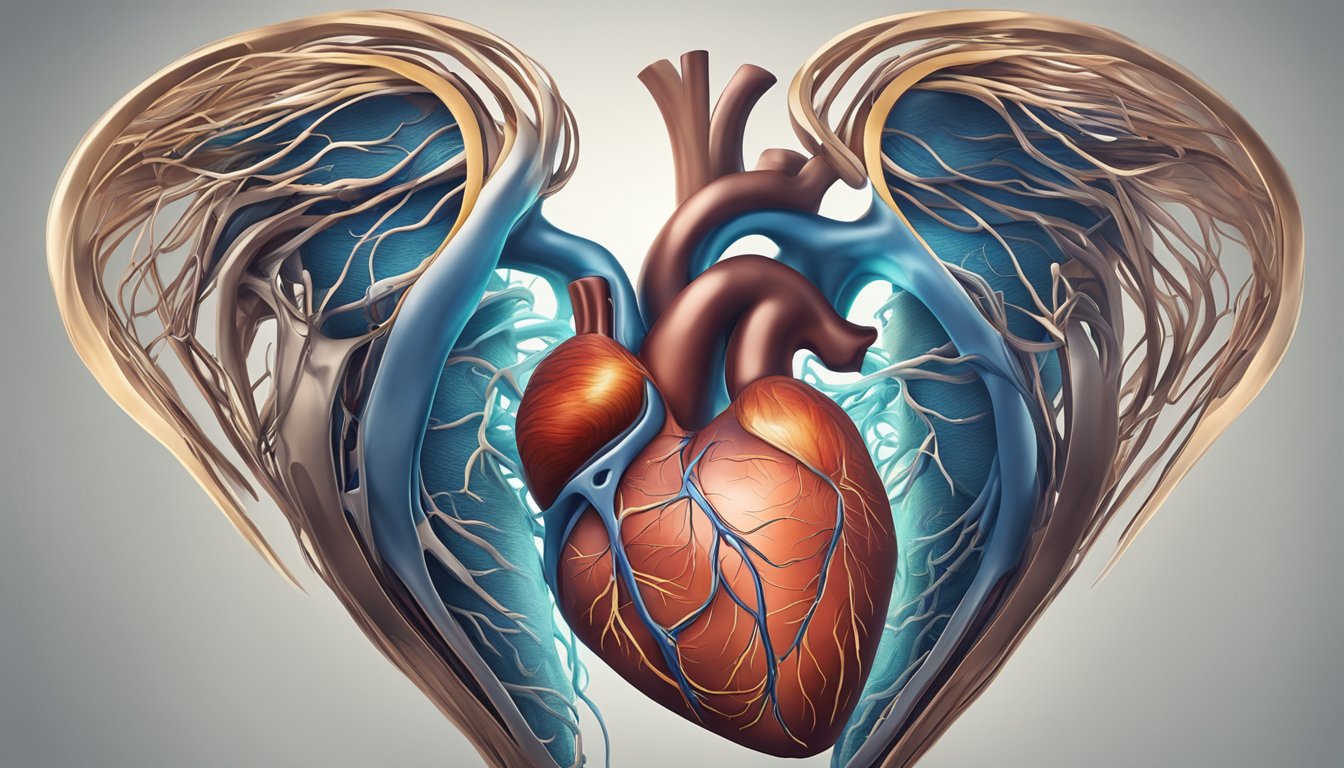
The heartbeat is the rhythmic contraction and relaxation of the heart muscles that pumps blood throughout the body. The heart rate is the number of times the heart beats per minute (bpm). The normal resting heart rate for adults ranges between 60 to 100 bpm.
The heart has four valves that ensure the blood flows in one direction: the atrioventricular (AV) valves and the semilunar valves. During the cardiac cycle, the heart undergoes systole (contraction) and diastole (relaxation) phases. The AV valves close during systole to prevent backflow of blood into the atria, while the semilunar valves close during diastole to prevent backflow of blood into the ventricles.
Electrical Impulses and Pacemaker
The heart’s electrical conduction system is responsible for controlling the heartbeat. The sinoatrial (SA) node, located in the right atrium, generates electrical impulses that spread through the atria, causing them to contract. The impulses then travel to the atrioventricular (AV) node, located between the atria and ventricles, which delays the impulse for a short time to allow the ventricles to fill with blood. The impulse then travels down the bundle of His and through the Purkinje fibers, causing the ventricles to contract.
The SA node acts as the natural pacemaker of the heart, setting the rhythm of the heartbeat. However, if the SA node fails, the AV node or Purkinje fibers can take over as the pacemaker.
It is important to note that any irregularities in the electrical impulses or the conduction system can cause abnormal heart rhythms, or arrhythmias. These can be potentially life-threatening and require medical attention.
Heart Conditions and Health
Coronary and Cardiovascular Diseases
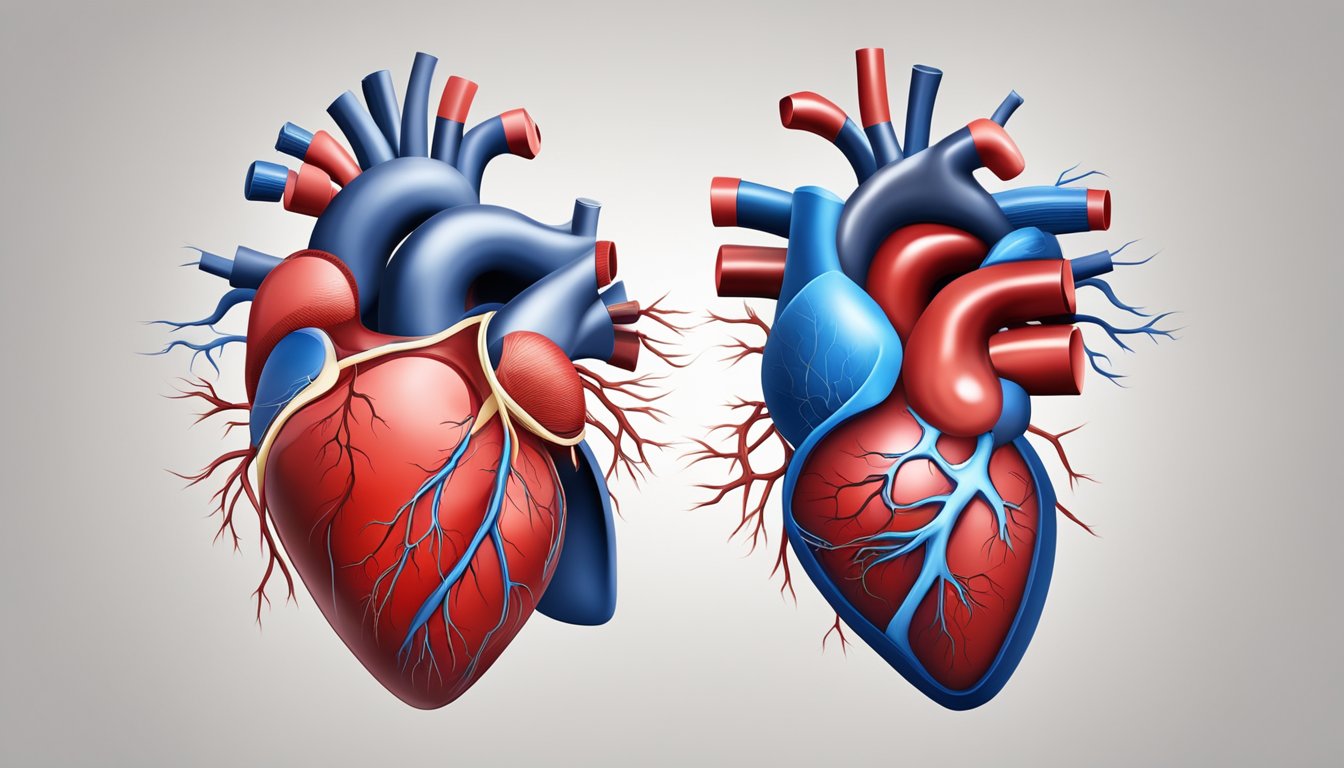
The heart is a muscular organ located in the thorax, between the rib cage and sternum. It is a vital organ that pumps blood throughout the body, and any damage to the heart can lead to serious health problems. Coronary heart disease, also known as coronary artery disease, is a common heart condition that occurs when the arteries that supply blood to the heart become narrow or blocked. This can lead to chest pain (angina) or a heart attack.
Cardiovascular diseases are a group of conditions that affect the heart and blood vessels. These diseases include heart failure, arrhythmia, and congenital heart defects. The risk factors for cardiovascular diseases include genetic factors, connective tissue disorders, and lifestyle factors such as smoking, unhealthy diet, and lack of physical activity.
Symptoms and Prevention
The symptoms of heart disease vary depending on the type of condition. Common symptoms include chest pain or discomfort, shortness of breath, fatigue, and swelling in the legs. It is important to seek medical attention if any of these symptoms occur.
Prevention of heart disease involves maintaining a healthy lifestyle. Eating a healthy diet, exercising regularly, and not smoking can help reduce the risk of heart disease. Regular check-ups with a healthcare professional can also help detect any early signs of heart disease.
It is important to note that while lifestyle changes can help prevent heart disease, they may not be enough to completely eliminate the risk. In some cases, medication or surgery may be necessary to treat heart disease.
Getting assessed in Singapore
In Singapore, cardiology is provided in both the public and private sectors. Public heart services are concentrated at the National Heart Centre Singapore and the cardiology departments of the restructured hospitals, while private cardiologists practise from medical centres attached to private hospitals. A GP or polyclinic can arrange a referral, or a private clinic can be contacted directly.
Readers looking into this next usually want to know about consultation and assessment of suspected heart conditions or a cardiac screening assessment; the clinic directly is also listed.
Frequently Asked Questions

What is the precise anatomical location of the heart within the thoracic cavity?
The heart is located in the mediastinum, which is the central compartment of the thoracic cavity. It is situated between the lungs and behind the sternum, or breastbone. The heart is tilted slightly to the left, with two-thirds of its mass located to the left of the midline of the body.
Does the heart reside on the left side of the chest in both males and females?
Yes, the heart is located on the left side of the chest in both males and females. However, it is important to note that the heart is not entirely on the left side of the chest, as it extends to the right of the midline of the body.
How can one accurately describe the position of the heart in relation to the lungs?
The heart is situated between the two lungs, with the right lung being slightly larger than the left to accommodate the heart. The heart is located anteriorly, meaning it is closer to the front of the body, and sits behind the sternum. It is also tilted slightly to the left.
In which area of the chest is cardiac discomfort most commonly experienced?
Cardiac discomfort, or chest pain, is most commonly experienced in the left side of the chest, as this is where the heart is located. However, it is important to note that chest pain can also be felt in other areas of the chest, as well as in the arms, neck, jaw, and back.
What are the primary structural differences in heart anatomy between individuals?
While the basic structure of the heart is the same in all individuals, there can be some variation in the size, shape, and position of the heart. Additionally, some individuals may have congenital heart defects or other structural abnormalities that can affect the function of the heart.
How does the orientation of the heart contribute to its three main functions?
The orientation of the heart allows it to perform its three main functions: pumping blood to the lungs to be oxygenated, pumping oxygenated blood to the rest of the body, and regulating blood pressure. The position of the heart in the thoracic cavity allows it to efficiently receive and pump blood to and from the lungs and the rest of the body.
It is important to note that while the heart is a complex and vital organ, it is susceptible to disease and dysfunction. Any concerns about heart health should be addressed with a medical professional.
Further reading
- HealthHub — Cardiovascular Disease
- National Heart Centre Singapore — Conditions & Treatments
- Health Promotion Board — Healthy Living
Disclaimer: This article is general information about cardiovascular health. It is not medical advice, diagnosis or treatment, and reading it does not create a doctor–patient relationship. Always seek the advice of your doctor or another qualified health professional with any questions you have about a medical condition, and never disregard or delay seeking medical advice because of something you have read here. If you think you may be having a medical emergency, call 995 or go to the nearest emergency department.