

Heart pain when walking, also known as angina pectoris, is a common symptom of heart disease. It is often described as a discomfort, pressure, squeezing, or burning sensation in the chest, and can also be felt in the arms, neck, jaw, shoulder blades, or back. This type of pain is usually triggered by physical activity or emotional stress, and typically goes away with rest.
Understanding Heart Pain and Its Causes Heart pain when walking is caused by a lack of blood flow to the heart muscle, which is usually due to a blockage or narrowing of the coronary arteries. This can be caused by a buildup of plaque in the arteries, which can lead to a heart attack or other serious health problems. Other factors that can contribute to heart pain when walking include high blood pressure, high cholesterol, smoking, diabetes, and a family history of heart disease.
Symptoms and Diagnosis of Heart-Related Pain The symptoms of heart pain when walking can vary from person to person, but typically include chest discomfort, shortness of breath, fatigue, and dizziness. To diagnose heart-related pain, doctors may perform a physical exam, review medical history, and order tests such as an electrocardiogram (ECG), stress test, or coronary angiogram. It is important to seek medical attention if you experience any symptoms of heart pain when walking, as early detection and treatment can help prevent serious health complications.
Key Takeaways
- Heart pain when walking is a common symptom of heart disease, caused by a lack of blood flow to the heart muscle.
- Other factors that can contribute to heart pain when walking include high blood pressure, high cholesterol, smoking, diabetes, and a family history of heart disease.
- To diagnose heart-related pain, doctors may perform a physical exam, review medical history, and order tests such as an electrocardiogram (ECG), stress test, or coronary angiogram.
Understanding Heart Pain and Its Causes

Anatomy of Heart Pain
The heart is a vital organ that pumps blood to the rest of the body. The heart muscle requires a constant supply of oxygen and nutrients to function properly. The coronary arteries supply the heart muscle with blood. When the blood flow to the heart muscle is reduced, it can cause chest pain or discomfort, known as heart pain.
Common Causes of Heart Pain
Heart pain can occur due to various reasons, including heart disease, coronary artery disease (CAD), and angina. CAD is a condition where the arteries that supply blood to the heart become narrow or blocked due to the buildup of plaque. Plaque is a substance made up of cholesterol, fat, and other substances that can accumulate in the walls of the arteries, leading to atherosclerosis.
When the blood flow to the heart muscle is reduced due to CAD, it can cause chest pain or discomfort, known as angina. Stable angina occurs when the heart is working harder than usual, such as during exercise or physical activity. Unstable angina occurs when the heart is not getting enough oxygen even at rest, which can be a sign of an impending heart attack.
A heart attack occurs when the blood flow to the heart muscle is blocked, usually due to a blood clot. This can cause damage to the heart muscle, and if left untreated, can lead to serious complications.
Risk factors for heart pain include high cholesterol, high blood pressure, smoking, diabetes, family history of heart disease, and inflammation. It is important to manage these risk factors to reduce the risk of developing heart disease.
In summary, heart pain can occur due to various reasons, including CAD, angina, and heart attacks. Risk factors for heart pain include high cholesterol, high blood pressure, smoking, diabetes, family history of heart disease, and inflammation. It is important to manage these risk factors to reduce the risk of developing heart disease. If you experience chest pain or discomfort, seek medical attention immediately.
Symptoms and Diagnosis of Heart-Related Pain

Heart pain, also known as angina, is a common symptom of heart disease. It can be triggered by physical activity, stress, or other factors that cause the heart to work harder. If left untreated, heart pain can lead to a heart attack, which is a medical emergency.
Recognising Heart Pain Symptoms
The symptoms of heart pain can vary from person to person. Some people may experience only mild discomfort, while others may feel severe pain. Common symptoms of heart pain include:
- Pressure, squeezing, or tightness in the chest
- Pain or discomfort in the shoulders, arms, neck, jaw, or back
- Shortness of breath
- Fatigue
- Nausea or vomiting
- Dizziness or lightheadedness
- Cold sweat or sweating
- Racing heart or palpitations
- Indigestion or heartburn
- Fullness or a burning sensation in the chest or stomach
- Heaviness or weakness in the arms or legs
It is important to note that not all chest pain is related to the heart. Chest pain can also be caused by other conditions, such as acid reflux, muscle strain, or lung problems. However, if you are experiencing chest pain, it is important to seek medical attention right away to rule out any serious conditions.
Diagnostic Procedures for Heart Pain
If you are experiencing heart pain, your doctor may perform several tests to diagnose the underlying cause. These tests may include:
- Electrocardiogram (ECG): This test measures the electrical activity of the heart and can detect any abnormalities.
- Stress test: This test measures how the heart responds to physical activity and can help diagnose heart disease.
- Echocardiogram: This test uses sound waves to create images of the heart and can detect any abnormalities.
- Coronary angiography: This test involves injecting dye into the arteries of the heart and taking X-rays to detect any blockages.
It is important to note that heart pain can be a medical emergency. If you or someone you know is experiencing chest pain, shortness of breath, or any other symptoms of a heart attack, call emergency services immediately.
Treatment and Management of Heart Pain

Heart pain when walking can be a sign of a serious underlying condition and should be taken seriously. Treatment and management of heart pain can involve medical interventions and lifestyle modifications.
Medical Interventions for Heart Pain
If a patient experiences heart pain when walking, a health care provider may recommend medications to improve blood flow and reduce pain. Nitroglycerin is a common medication used to treat heart pain, as it relaxes the arteries and allows for more oxygen-rich blood to flow to the heart. Artery relaxers may also be used to improve blood flow. In some cases, a patient may require surgery or other medical interventions to treat the underlying condition causing the heart pain.
Lifestyle Modifications and Preventative Measures
Lifestyle changes can also help manage heart pain when walking. Patients who are overweight may benefit from losing weight, as excess weight can put added strain on the heart. Regular exercise can also help improve heart health and reduce the risk of heart pain. However, patients should consult with a health care provider before starting any exercise program.
Managing stress and other emotional factors can also help reduce heart pain. Patients with heart pain may benefit from stress-reducing techniques such as meditation or deep breathing exercises. Additionally, quitting smoking can help reduce the risk of heart pain and other heart-related conditions.
Patients who are at higher risk for heart pain or other heart-related conditions may benefit from regular check-ups with a cardiologist or other health care provider. In some cases, emergency medical care may be required if heart pain is severe or accompanied by other symptoms such as shortness of breath or chest tightness.
In conclusion, heart pain when walking can be a sign of a serious underlying condition and should be taken seriously. Treatment and management of heart pain can involve medical interventions and lifestyle modifications. Patients should work with their health care provider to determine the best course of action for managing heart pain and improving heart health.
When to Seek Immediate Medical Attention
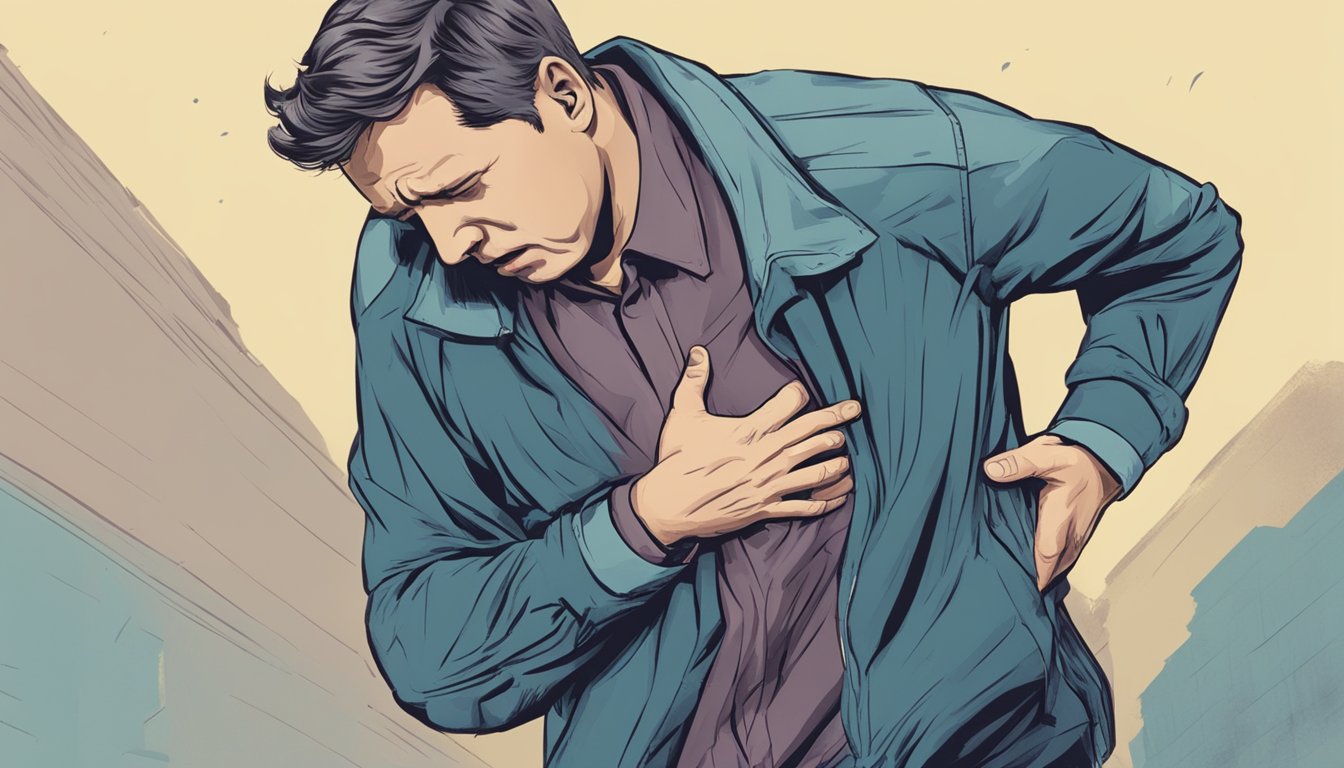
Heart pain while walking can be a sign of a serious medical condition. It is important to know when to seek immediate medical attention to prevent any complications.
If the heart pain is severe or lasts longer than a few minutes, call 999 or your local emergency number immediately. Chest pain that spreads to the neck, jaw, back, or arms is also a cause for concern.
Men and women over the age of 55, as well as individuals with diabetes, high blood pressure, or a family history of heart disease, are at an increased risk of heart attack. If you fall into any of these categories and experience heart pain while walking, seek immediate medical attention.
It is important to note that not all heart attacks present with chest discomfort. Some people experience stomach pain, shortness of breath, or sudden fatigue. If you experience any of these symptoms while walking, do not hesitate to call for emergency medical services.
Variant angina, also known as Prinzmetal’s angina, is a rare form of angina caused by a spasm in the coronary arteries. This condition can cause heart pain while walking and requires immediate medical attention.
Emotional stress can also cause heart pain while walking. If you experience heart pain during or after a stressful event, seek medical attention to rule out any underlying heart conditions.
In summary, if you experience heart pain while walking, it is important to seek immediate medical attention to prevent any complications. Call 999 or your local emergency number if the pain is severe or lasts longer than a few minutes. Do not hesitate to seek medical attention if you experience any other symptoms such as shortness of breath or sudden fatigue.
Frequently Asked Questions

What are the indications of angina in females?
Angina in females is characterized by a feeling of tightness, pressure, or discomfort in the chest area. This discomfort may also extend to the arms, neck, jaw, shoulder, or back. Shortness of breath, nausea, sweating, and fatigue are also common symptoms. Women may experience less typical symptoms, such as indigestion, upper back pain, or flu-like symptoms.
How can one distinguish between stable angina and a myocardial infarction?
Stable angina is chest pain or discomfort that occurs when the heart muscle does not receive enough blood due to narrowed or blocked arteries. The pain usually subsides with rest or medication. Myocardial infarction, or heart attack, occurs when the blood flow to a part of the heart is completely blocked, leading to damage or death of heart muscle tissue. The pain associated with a heart attack is typically more severe, persistent, and may be accompanied by shortness of breath, nausea, vomiting, dizziness, and sweating.
What are the potential risks associated with angina pectoris?
Angina pectoris is a sign that the heart is not receiving enough blood and oxygen. If left untreated, it may lead to a heart attack, heart failure, or arrhythmias. Angina may also be a symptom of underlying conditions, such as coronary artery disease, high blood pressure, or diabetes.
What might be the cause of chest discomfort following a brief walk?
Chest discomfort following a brief walk may be a sign of angina pectoris. This condition is caused by a lack of blood flow to the heart muscle, which may be due to narrowed or blocked arteries. Other potential causes of chest discomfort include musculoskeletal pain, acid reflux, or anxiety.
How can one differentiate between musculoskeletal chest pain and cardiac-related pain?
Musculoskeletal chest pain is caused by problems with the muscles, bones, or joints in the chest area. The pain may be sharp or dull and may be worsened by movement or deep breathing. Cardiac-related pain, on the other hand, is caused by a lack of blood flow to the heart muscle and is typically described as pressure, tightness, or discomfort in the chest area. The pain may also radiate to other areas of the body, such as the arms, neck, or jaw.
Are there any precursory signs that signal an impending heart attack?
Some people may experience warning signs before a heart attack, such as chest pain or discomfort, shortness of breath, nausea, vomiting, or sweating. However, not everyone experiences these warning signs, and some people may have a heart attack without any prior symptoms. It is important to seek medical attention immediately if you experience any of these symptoms.
Note: This article is for informational purposes only and should not be used as a substitute for professional medical advice. If you have any concerns about your health, please consult a qualified healthcare professional.