

Heart scan tests are an important diagnostic tool used to assess the health of the heart. These tests can help detect early signs of heart disease, which can be crucial in preventing serious complications. Heart scan tests can take various forms, including CT scans, calcium scoring, and perfusion tests, and are typically performed in a hospital or clinic setting.
Understanding heart scan tests can be a complex task, as there are many different types of tests available, each with their own set of benefits and limitations. However, by working with a qualified medical professional, patients can gain a better understanding of the tests available and which ones may be most appropriate for their individual needs. Additionally, preparing for a heart scan test is an important step in ensuring accurate results, and patients should be sure to follow all instructions provided by their healthcare provider.
While heart scan tests are generally safe, there are some risks and considerations to keep in mind. For example, some tests may expose patients to radiation, which can increase the risk of cancer over time. Additionally, patients with certain medical conditions, such as kidney disease, may not be good candidates for some types of heart scan tests. As with any medical procedure, patients should discuss the risks and benefits of heart scan tests with their healthcare provider before undergoing the procedure.
Key Takeaways
- Heart scan tests are an important diagnostic tool used to assess the health of the heart and detect early signs of heart disease.
- Patients should work with a qualified medical professional to gain a better understanding of the tests available and which ones may be most appropriate for their individual needs.
- While heart scan tests are generally safe, patients should be aware of the risks and considerations associated with these tests, and should discuss these with their healthcare provider before undergoing the procedure.
Understanding Heart Scan Tests
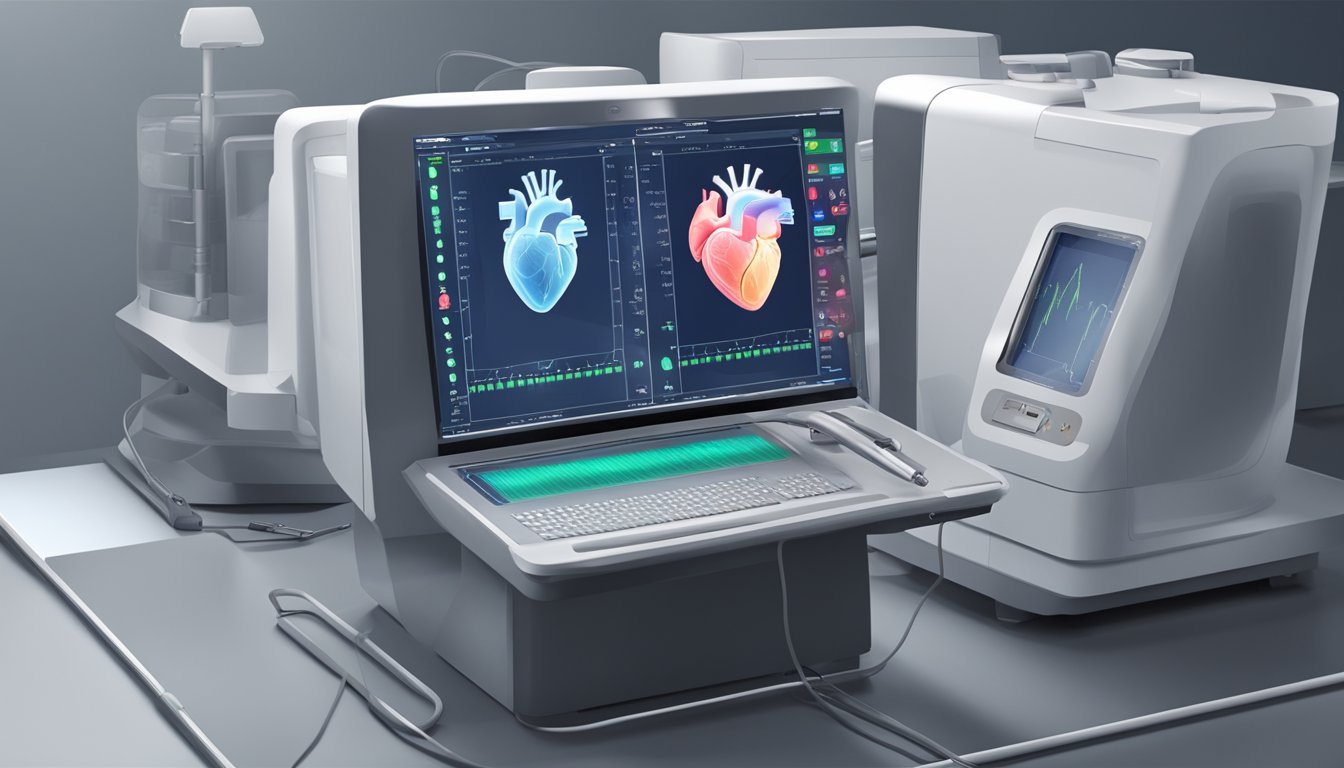
Heart scan tests are a type of medical imaging that allows doctors to examine the heart and surrounding blood vessels. These tests can help doctors identify potential problems before they become serious, allowing for early intervention and treatment.
Types of Heart Scans
There are several types of heart scans that doctors may use, including:
- Coronary calcium scan: This type of scan uses a CT scanner to look for calcium deposits in the heart’s arteries. Calcium deposits can indicate the presence of coronary artery disease, which can increase the risk of heart attack and stroke.
- Electrocardiogram (ECG): An ECG is a non-invasive test that measures the electrical activity of the heart. This test can help doctors identify irregular heart rhythms and other potential problems.
How Heart Scans Work
Heart scans use a variety of technologies to create detailed images of the heart and surrounding blood vessels. CT scanners use X-rays to create detailed images of the heart and surrounding blood vessels, while ECGs use electrodes to measure the electrical activity of the heart.
Some heart scans involve the use of radiation, which can be a concern for some patients. However, the amount of radiation used in these tests is generally considered safe, and the benefits of early detection often outweigh the risks.
Importance of Early Detection
Early detection is key when it comes to heart disease. By detecting potential problems early, doctors can take steps to prevent serious complications and improve outcomes for patients.
It’s important to note that not all heart scans are necessary for everyone. Doctors may recommend heart scans for patients who have a family history of heart disease, or for patients who are experiencing symptoms such as chest pain or shortness of breath.
As with any medical test, it’s important to discuss the risks and benefits with your doctor before undergoing a heart scan. Your doctor can help you determine whether a heart scan is right for you, and can provide guidance on how to prepare for the test and what to expect during and after the procedure.
Preparing for Your Heart Scan
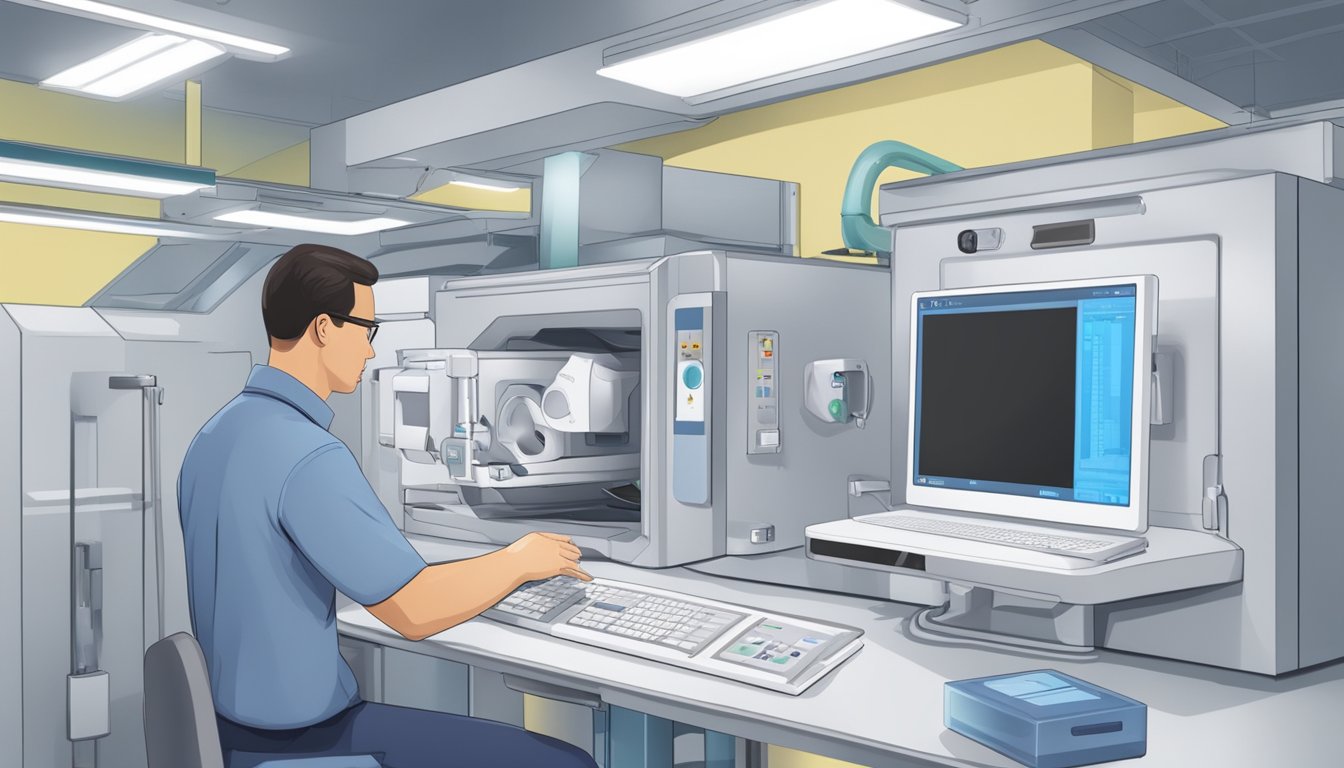
Before the Appointment
Before the appointment, the patient should ensure that they have a referral from their doctor. The patient should also verify with the clinic if they need to fast before the heart scan. If fasting is required, the patient should avoid eating or drinking anything for at least four hours before the procedure.
If the patient is taking any medication, they should inform their doctor or the clinic before the appointment. Some medications may affect the results of the heart scan. The patient should also inform their doctor if they have any allergies, especially to iodine, as contrast dye may be used during the procedure.
What to Expect During the Procedure
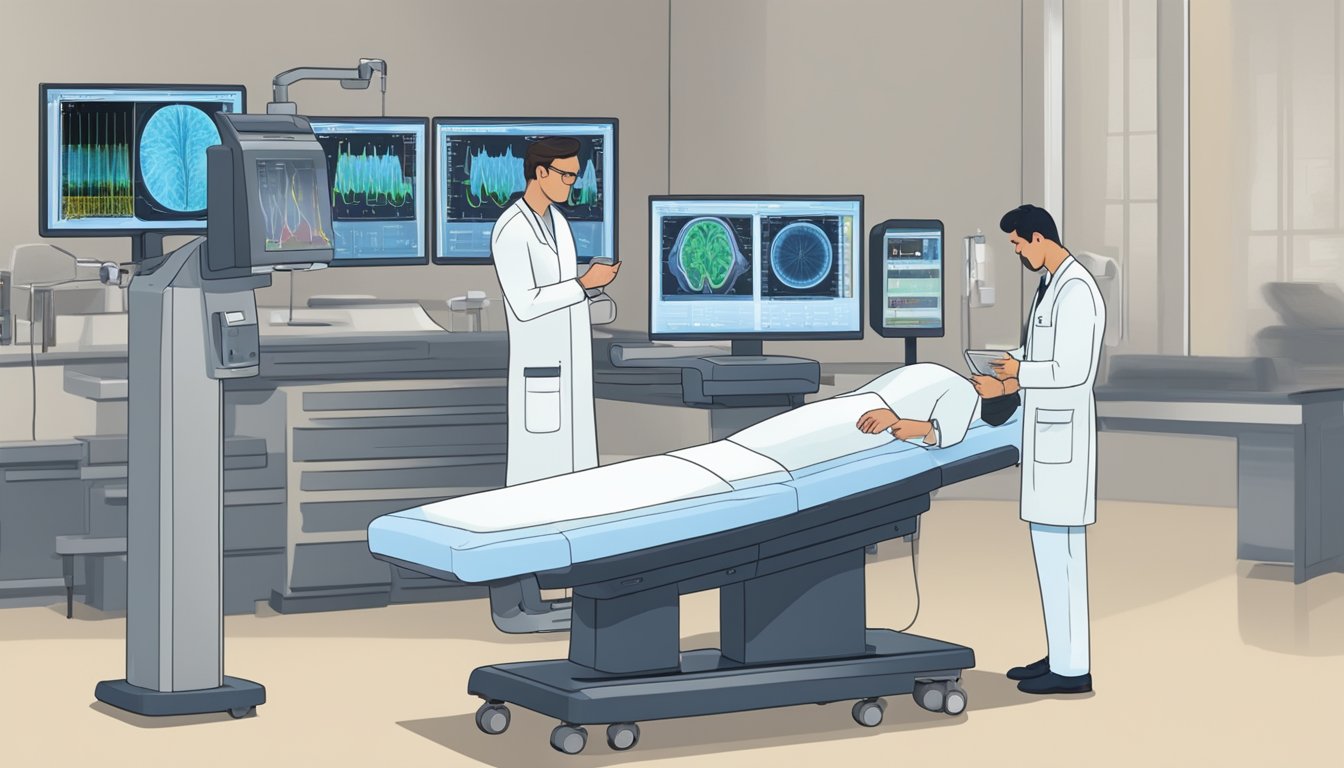
During the heart scan, the patient will be asked to change into a hospital gown. The patient will then lie down on a table, and an intercom system will be used to communicate with the technician performing the scan.
The technician will then attach several electrodes to the patient’s chest to monitor the heart’s activity. The patient will be asked to hold their breath for a few seconds while the scan is being performed. The scan may take between 30 to 60 minutes.
If contrast dye is required, it will be administered through an intravenous line. The patient may feel a warm sensation as the contrast dye is injected. The dye may cause some discomfort, but it is generally safe.
It is essential to follow the technician’s instructions during the scan to ensure the best possible results. After the scan, the patient can resume their normal activities.
It is important to note that the heart scan is a diagnostic tool and not a substitute for regular check-ups with a doctor. If the patient has any concerns about their heart health, they should consult their doctor.
Risks and Considerations
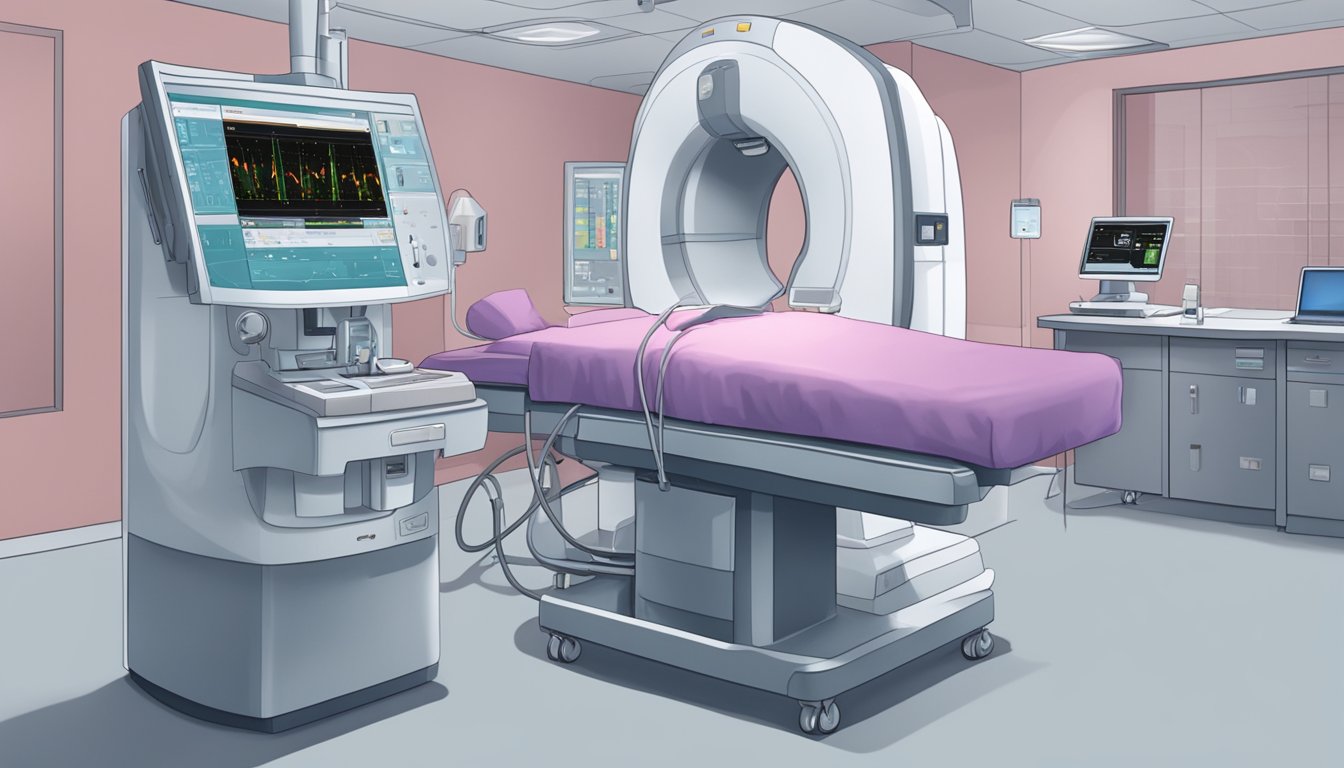
When considering a heart scan test, there are several risks and considerations that patients should be aware of. These include understanding radiation exposure, potential complications, and contraindications for certain patients.
Understanding Radiation Exposure
One of the main risks associated with heart scan tests is radiation exposure. Patients should be aware that the amount of radiation exposure from a heart scan test is relatively low, but it is still important to consider the potential risks. The amount of radiation exposure varies depending on the type of heart scan test being performed.
Potential Complications
Another consideration when undergoing a heart scan test is the potential for complications. While complications are rare, they can occur. Some potential complications include an allergic reaction to the contrast dye used during the test, kidney function problems, and other safety concerns. It is important for patients to discuss any concerns they may have with their doctor before undergoing the test.
Contraindications for Certain Patients
Heart scan tests may not be suitable for all patients. There are certain contraindications that should be taken into consideration before undergoing the test. For example, pregnant women should avoid heart scan tests due to the potential risks to the developing fetus. Patients with kidney function problems may also be at increased risk for complications.
It is important for patients to discuss any potential risks or concerns with their doctor before undergoing a heart scan test. Patients should also be aware that while heart scan tests can be useful diagnostic tools, they are not always necessary and should only be performed when deemed medically necessary by a qualified healthcare professional.
Interpreting Heart Scan Results
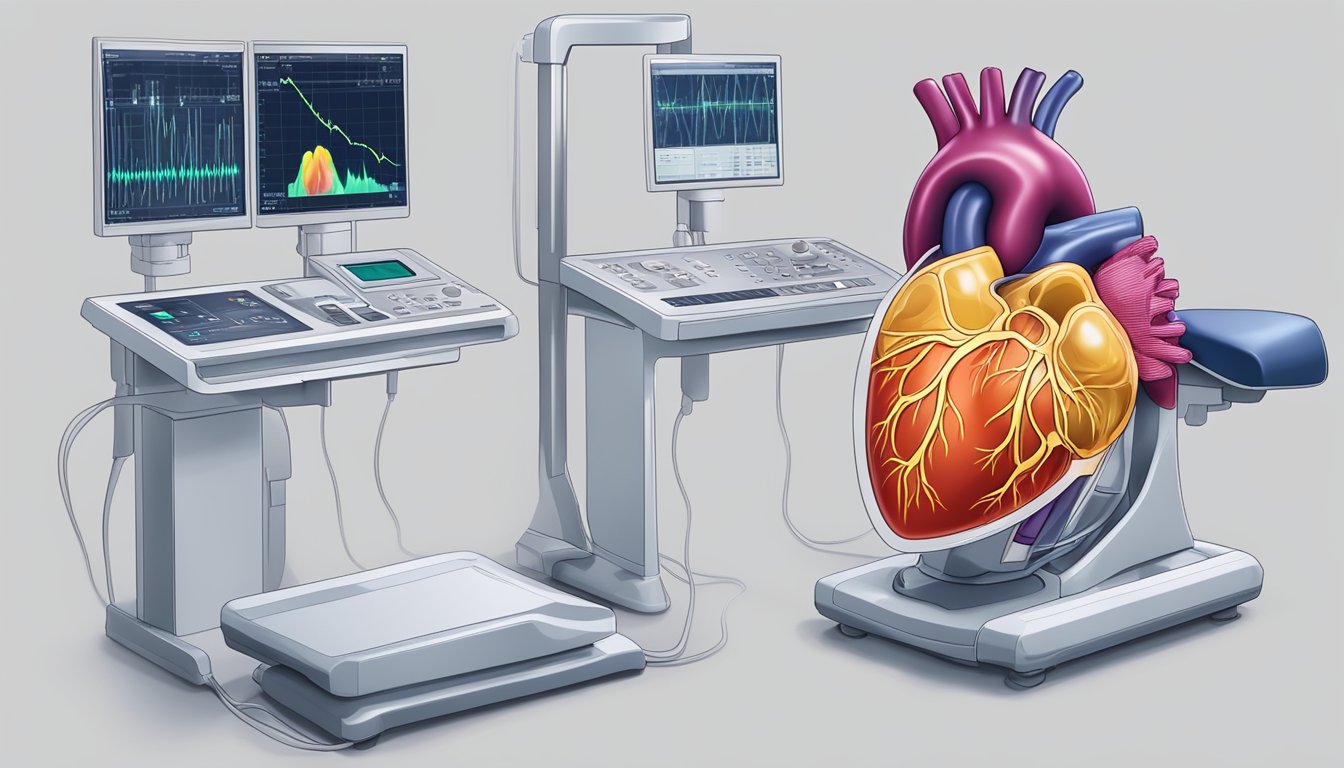
Heart scans are an effective way to detect calcium deposits in the arteries of the heart. The results of a heart scan can provide valuable information about an individual’s heart health and their risk of developing heart disease. In this section, we will discuss how to interpret heart scan results and what steps to take next.
Reading the Calcium Score
The Agatston score is the most common way to measure the amount of calcium deposits in the heart. The score is calculated based on the density and area of the calcium deposits. A score of zero means that no calcium is present in the heart, which suggests a low risk of developing heart disease. Scores between 1 and 99 are considered mild and indicate a low to moderate risk of heart disease. Scores between 100 and 399 are moderate and indicate a moderate risk of heart disease. Scores over 400 are considered severe and indicate a high risk of heart disease.
Next Steps After the Scan
If an individual receives a heart scan with high Agatston scores, it is important to consult a specialist to discuss the results and develop a plan to reduce the risk of heart disease. The specialist may recommend lifestyle changes, such as a healthy diet and regular exercise, to help lower the risk of heart disease. They may also recommend medications, such as statins, to help lower cholesterol levels and reduce the risk of heart disease.
It is important to note that heart scans are just one tool in assessing an individual’s risk of heart disease. Other risk factors, such as high blood pressure and smoking, must also be taken into account. It is important to discuss the results of a heart scan with a healthcare professional to determine the best course of action.
In conclusion, heart scans are an effective way to detect calcium deposits in the heart and assess an individual’s risk of heart disease. Understanding the results of a heart scan is important in developing a plan to reduce the risk of heart disease. It is important to consult a specialist to discuss the results and develop a plan to reduce the risk of heart disease.
Frequently Asked Questions
What are the various types of scans used to evaluate heart health?
There are several types of scans used to evaluate heart health, including CT scans, MRI scans, echocardiograms, and stress tests. Each of these scans provides different information about the heart and its function, and they are often used in combination to provide a comprehensive evaluation of heart health.
What is the significance of a calcium score for a 60-year-old individual?
A calcium score is a measure of the amount of calcium in the coronary arteries, and it is used to predict the risk of heart disease. For a 60-year-old individual, a calcium score can be particularly significant because the risk of heart disease increases with age. A high calcium score can indicate the presence of blockages in the arteries and an increased risk of heart attack.
What are the reasons for controversy surrounding heart calcium scans?
There is some controversy surrounding heart calcium scans because they are not recommended as a general screening test for those known to be at high risk for heart attacks. Additionally, some experts argue that the radiation exposure associated with CT scans can be harmful, and that the benefits of heart calcium scans may not outweigh the risks for some individuals.
How does one prepare for a CT calcium score test?
To prepare for a CT calcium score test, individuals are typically asked to fast for several hours before the test. They may also be asked to avoid caffeine and certain medications before the test. It is important to follow all instructions provided by the healthcare provider to ensure an accurate test result.
What are the implications of detecting blockages through heart scans?
Detecting blockages through heart scans can be an important step in preventing heart disease and heart attacks. If blockages are detected, individuals may be able to take steps to reduce their risk of heart disease, such as making lifestyle changes or taking medication.
How much does a coronary calcium scan typically cost?
The cost of a coronary calcium scan can vary depending on a variety of factors, including the location of the healthcare provider, the type of scan used, and the individual’s insurance coverage. It is important to check with the healthcare provider and insurance company to determine the cost of the scan and any associated fees or expenses.
Disclaimer: The information provided in this article is for educational purposes only and should not be used as a substitute for professional medical advice. Individuals should consult with their healthcare provider before undergoing any medical test or procedure.