

Cardiology is a branch of medicine that deals with the diagnosis and treatment of heart disease. The history of cardiology dates back to the early days of medicine, when physicians first began to study the heart and its functions. Over the centuries, the field of cardiology has undergone numerous changes and advancements, leading to the development of new diagnostic techniques and treatments for heart disease.
Early foundations of cardiology can be traced back to the ancient Greeks, who believed that the heart was the seat of the soul and the source of all emotions. However, it was not until the 17th century that English physician William Harvey published his observations on the anatomy and physiology of the heart and circulation, laying the foundation for the field of cardiology as we know it today.
Advancements in diagnostic techniques have played a crucial role in the development of cardiology as a medical specialty. From the first electrocardiogram in the early 20th century to modern imaging techniques such as echocardiography and cardiac MRI, doctors have been able to diagnose heart disease with increasing accuracy and precision. With the development of new treatments and surgical techniques, cardiology continues to evolve and adapt to the changing needs of patients.
Key Takeaways
- Cardiology is a medical specialty that deals with the diagnosis and treatment of heart disease.
- The field of cardiology has a long and rich history, dating back to the ancient Greeks and the work of William Harvey in the 17th century.
- Advancements in diagnostic techniques and treatments have led to significant improvements in the diagnosis and management of heart disease.
Early Foundations of Cardiology

William Harvey and the Circulatory System
The early foundations of cardiology can be traced back to William Harvey, an English physician who was the first to describe the circulation of blood in the body. In 1628, Harvey published his famous work, “De Motu Cordis,” in which he described the heart as a pump that circulated blood through the body. This was a groundbreaking discovery that laid the foundation for the modern understanding of the circulatory system.
Harvey’s work also helped to establish the importance of the heart in the field of medicine. Prior to his discovery, the heart was largely seen as a secondary organ, with the liver and spleen being considered more important. Harvey’s work changed this perception and paved the way for the development of cardiology as a medical specialty.
Development of Cardiological Tools
As the understanding of the circulatory system grew, so did the need for tools to study and diagnose diseases of the heart and blood vessels. Over time, a wide range of tools were developed to aid in the diagnosis and treatment of cardiovascular diseases.
One of the earliest tools used in cardiology was the pulse. The pulse was first described by the Greek physician Herophilus in the 3rd century BCE. It was later studied by Galen, who used the pulse to diagnose a range of diseases.
Another important tool in cardiology is blood pressure measurement. Blood pressure was first measured by the French physician Jean-Louis-Marie Poiseuille in the 19th century. This tool has since become a standard part of cardiological examinations, allowing physicians to diagnose a range of conditions related to blood pressure.
Other important tools in cardiology include the electrocardiogram (ECG), which was first developed in the early 20th century, and cardiac catheterization, which was first performed in the 1920s. These tools have revolutionized the field of cardiology, allowing physicians to diagnose and treat a wide range of cardiovascular diseases.
Overall, the early foundations of cardiology were built upon the work of William Harvey and a range of other physicians and scientists who sought to understand the physiology of the heart and circulatory system. While the tools and techniques used in cardiology have evolved over time, the fundamental principles established by these early pioneers continue to guide the field today.
Advancements in Diagnostic Techniques
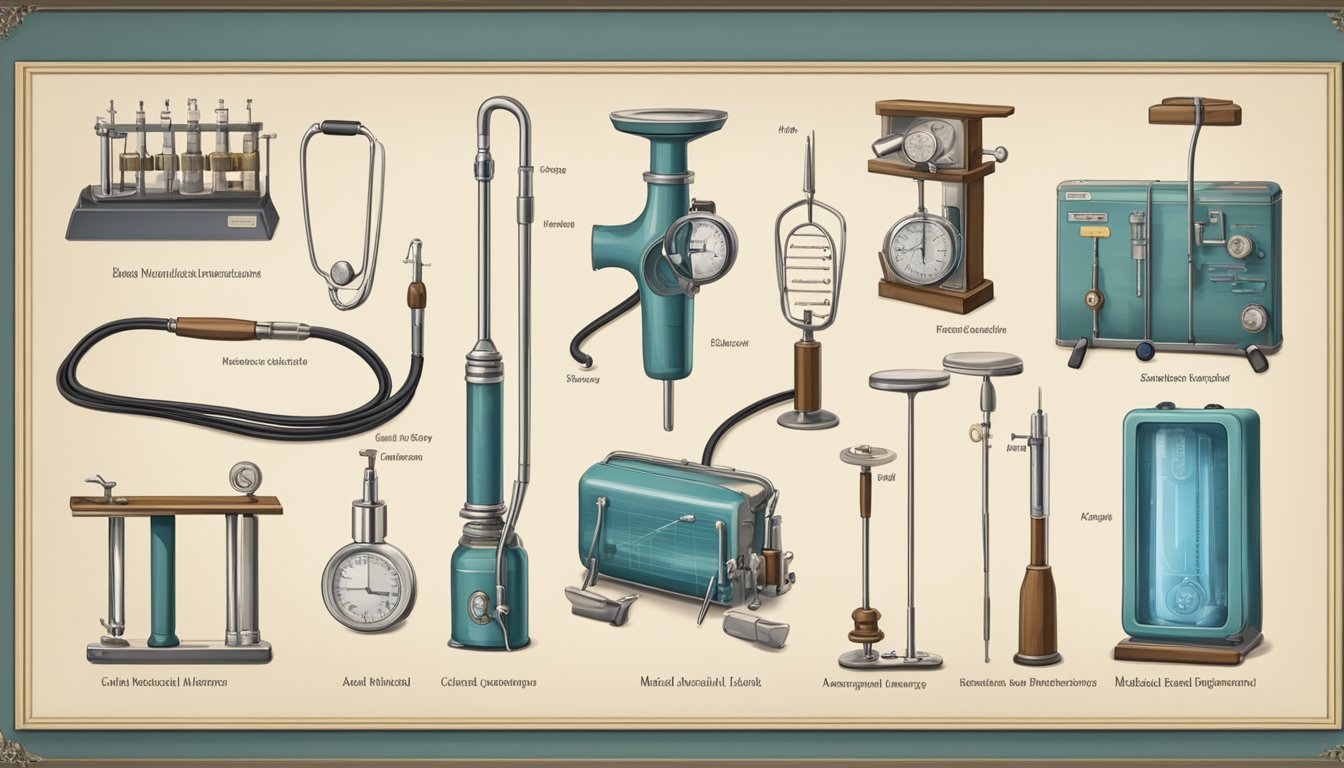
Cardiology has come a long way in terms of diagnostic techniques. With the advent of new technologies, doctors today can diagnose heart conditions with greater accuracy and speed than ever before. This section covers some of the key advancements in diagnostic techniques over the years.
Invention of the Stethoscope
The stethoscope is an essential tool in the diagnosis of heart conditions. It was invented in 1816 by French physician René Laennec. Before the stethoscope, doctors would listen to the heart by placing their ear directly on the patient’s chest. The stethoscope allowed doctors to hear the heart sounds more clearly, which made it easier to diagnose heart conditions.
Rise of Electrocardiography
Electrocardiography, or ECG, is a diagnostic tool that measures the electrical activity of the heart. It was first developed in the early 1900s by Dutch physiologist Willem Einthoven. ECGs are now a standard part of the diagnostic process for many heart conditions, including arrhythmias, heart attacks, and heart failure.
Cardiac Imaging Breakthroughs
Cardiac imaging has come a long way in recent years. There are now several different imaging techniques that doctors can use to get a detailed look at the heart. Some of the most important breakthroughs in this area include:
- Angiography: This is a type of X-ray that uses a contrast dye to show the blood vessels in the heart. It can be used to diagnose blockages and other problems in the arteries.
- Echocardiography: This is a type of ultrasound that uses sound waves to create images of the heart. It can be used to diagnose a wide range of heart conditions, including valve problems, heart failure, and congenital heart defects.
- Nuclear cardiology: This is a type of imaging that uses small amounts of radioactive material to create images of the heart. It can be used to diagnose a range of heart conditions, including blockages in the arteries and damage to the heart muscle.
Overall, these diagnostic techniques have revolutionized the field of cardiology, making it possible for doctors to diagnose and treat heart conditions with greater accuracy and speed than ever before. However, it’s important to remember that these techniques are not foolproof, and there is always a risk of misdiagnosis. Patients should always consult with a qualified medical professional for advice and treatment.
Cardiac Treatments and Surgery
Pharmacological Interventions
Pharmacological interventions are the first line of treatment for most cardiac conditions. Drugs are used to control symptoms, prevent worsening of the condition, and improve the quality of life. The most commonly used drugs in cardiology include beta-blockers, calcium channel blockers, ACE inhibitors, and diuretics. These drugs are used to treat hypertension, angina, heart failure, and arrhythmias.
Beta-blockers work by reducing the heart rate and blood pressure, which reduces the workload on the heart. Calcium channel blockers are used to relax the blood vessels, which reduces the resistance to blood flow and lowers the blood pressure. ACE inhibitors are used to dilate the blood vessels, which reduces the workload on the heart and improves blood flow. Diuretics are used to remove excess fluid from the body, which reduces the workload on the heart and improves symptoms of heart failure.
Surgical Procedures and Devices
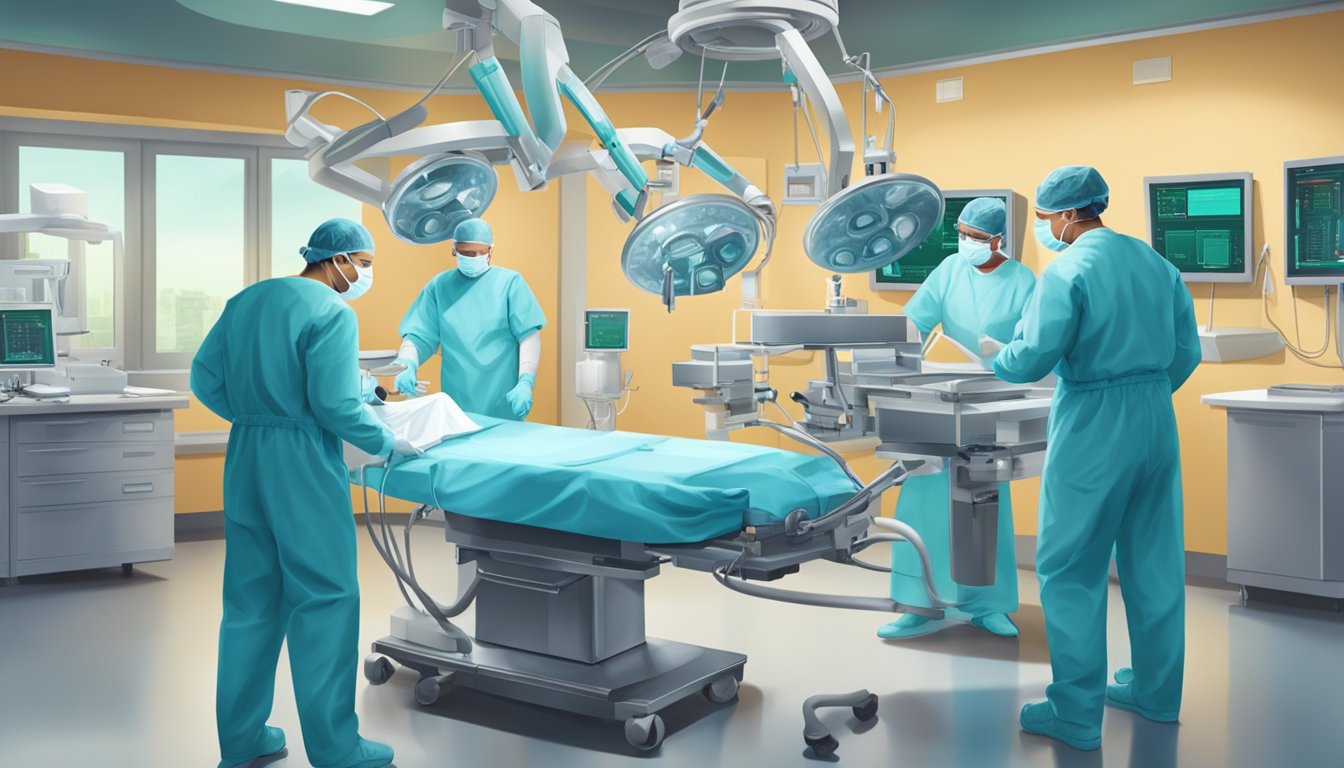
Surgical procedures and devices are used when pharmacological interventions are not effective or when the condition is severe. The most common surgical procedures in cardiology include coronary artery bypass grafting (CABG), valve replacement, and heart transplant.
CABG is a surgical procedure that is used to bypass blocked or narrowed coronary arteries. The surgeon takes a healthy blood vessel from another part of the body and uses it to bypass the blocked or narrowed artery. This improves blood flow to the heart and reduces the risk of a heart attack.
Valve replacement is a surgical procedure that is used to replace a damaged or diseased heart valve. The surgeon removes the damaged valve and replaces it with a mechanical or biological valve. This improves blood flow through the heart and reduces symptoms of valve disease.
In addition to surgical procedures, there are also several devices that are used in cardiology. Cardiac catheterization is a procedure that is used to diagnose and treat heart conditions. It involves inserting a catheter into a blood vessel and threading it up to the heart. This allows the doctor to take pictures of the heart and measure the pressure inside the heart.
Angioplasty is a procedure that is used to open blocked or narrowed coronary arteries. It involves inserting a catheter with a balloon on the end into the blocked or narrowed artery and inflating the balloon to open up the artery.
Pacemakers and defibrillators are devices that are used to regulate the heart rhythm. Pacemakers are used to treat slow heart rhythms, while defibrillators are used to treat fast heart rhythms. These devices are implanted under the skin and connected to the heart with wires. They monitor the heart rhythm and deliver electrical impulses to regulate the heart rhythm.
It is important to note that surgical procedures and devices carry risks and should only be used when necessary. Patients should discuss the risks and benefits of these procedures with their doctor before undergoing any treatment.
Modern Cardiology and Challenges

Interventional Techniques
Interventional cardiology has been one of the most significant developments in modern cardiology. This field has revolutionized the diagnosis and treatment of cardiovascular diseases. Interventional cardiology involves the use of catheters, balloons, and stents to open blocked arteries and restore blood flow to the heart. The use of interventional techniques has significantly reduced the need for open-heart surgery and has led to shorter hospital stays and faster recovery times for patients.
Cardiologists who specialize in interventional techniques are highly skilled and trained in the use of these procedures. They work closely with other specialists, such as cardiac surgeons, to provide the best possible care for patients.
Preventive Measures and Lifestyle Diseases
Preventive cardiology is another area of modern cardiology that has gained significant attention. This field focuses on preventing cardiovascular diseases by promoting healthy lifestyle habits and managing risk factors such as high blood pressure, high cholesterol, obesity, and diabetes.
The global burden of cardiovascular diseases is increasing, and preventive measures are crucial in reducing this burden. Atrial fibrillation is a common cardiac arrhythmia that is associated with a higher risk of stroke. Preventive measures such as medication and lifestyle changes can significantly reduce the risk of stroke in patients with atrial fibrillation.
Obesity and diabetes are major risk factors for cardiovascular diseases. Preventive cardiology aims to address these risk factors by promoting healthy eating habits, regular exercise, and weight management.
It is important to note that while preventive measures can reduce the risk of cardiovascular diseases, they may not completely eliminate the risk. Patients should always consult with their healthcare provider to determine the best course of action for their individual needs.
Overall, modern cardiology faces many challenges, including the increasing global burden of cardiovascular diseases and the need for preventive measures. However, with continued advancements in technology and research, the field of cardiovascular medicine will continue to evolve and improve the lives of patients.
Getting assessed in Singapore
In Singapore, cardiology is provided in both the public and private sectors. Public heart services are concentrated at the National Heart Centre Singapore and the cardiology departments of the restructured hospitals, while private cardiologists practise from medical centres attached to private hospitals. A GP or polyclinic can arrange a referral, or a private clinic can be contacted directly.
For the practical side of this, a consultation for suspected heart conditions and screening for heart disease are described in detail, alongside the full range of cardiac services.
Frequently Asked Questions

What are the origins of cardiovascular medicine?
The origins of cardiovascular medicine can be traced back to ancient times when the Egyptians and Greeks first studied the heart and its functions. However, the formal study of cardiovascular medicine began in the 17th century with William Harvey’s publication of “An Anatomical Study of the Motion of the Heart and of the Blood in Animals.”
Who is considered the father of cardiology?
William Harvey is considered the father of cardiology due to his groundbreaking work on the circulation of blood in the human body.
When was the field of cardiology formally established?
The field of cardiology was formally established in the 19th century with the development of the stethoscope and the electrocardiogram (ECG). These tools allowed doctors to better diagnose and treat heart conditions.
Can you name the first female cardiologist in history?
Dr. Helen Taussig is considered the first female cardiologist in history. She is best known for her work on the blue baby syndrome and for developing the surgical procedure known as the Blalock-Taussig shunt.
How has cardiology evolved from ancient times to the modern era?
Cardiology has evolved significantly over the centuries, with advances in technology and medical knowledge leading to better diagnosis and treatment of heart conditions. From the ancient Egyptians and Greeks to modern-day cardiologists, the study of the heart and its functions has come a long way.
What are the landmark developments in the history of cardiology?
Some of the landmark developments in the history of cardiology include the discovery of the circulation of blood by William Harvey, the development of the stethoscope and ECG, the first successful open-heart surgery, and the development of new drugs and treatments for heart conditions. These developments have significantly improved the diagnosis and treatment of heart disease.
Note: The information provided is for educational purposes only and should not be used as a substitute for professional medical advice, diagnosis, or treatment.
Further reading
- National Heart Centre Singapore — Conditions & Treatments
- SingHealth — Conditions & Treatments
- HealthHub — Cardiovascular Disease
Disclaimer: This article is general information about cardiovascular health. It is not medical advice, diagnosis or treatment, and reading it does not create a doctor–patient relationship. Always seek the advice of your doctor or another qualified health professional with any questions you have about a medical condition, and never disregard or delay seeking medical advice because of something you have read here. If you think you may be having a medical emergency, call 995 or go to the nearest emergency department.