

Heart blockage, also known as coronary artery disease, is a serious condition that affects millions of people worldwide. It occurs when the arteries that supply blood to the heart become narrowed or blocked, preventing the heart from receiving the oxygen and nutrients it needs to function properly. While heart blockage can be diagnosed by a medical professional, there are also ways to monitor your heart health at home.
Recognising the symptoms of heart blockage is the first step in monitoring your heart health at home. Symptoms of heart blockage can include chest pain, shortness of breath, dizziness, and fatigue. It is important to note that not all people with heart blockage experience symptoms, which is why regular monitoring is crucial.
Monitoring heart health indicators at home can be done through at-home heart health tests, such as checking cholesterol levels and blood pressure. Additionally, lifestyle and risk factor assessment can also be helpful in monitoring heart health. Maintaining a healthy diet, exercising regularly, and quitting smoking are all ways to reduce your risk of heart blockage. However, it is important to seek professional evaluation and treatment if you suspect you have heart blockage.
Key Takeaways
- Recognising symptoms of heart blockage is crucial in monitoring heart health at home.
- At-home heart health tests and lifestyle assessments can help monitor heart health indicators.
- Seeking professional evaluation and treatment is important if heart blockage is suspected.
Recognising Symptoms of Heart Blockage
When it comes to heart blockage, it is crucial to recognise the symptoms early on. Here are some of the most common signs to watch out for:
Understanding Chest Pain and Discomfort
Chest pain is one of the most common symptoms of heart blockage. Patients may experience a feeling of pressure, tightness, or discomfort in the chest. The pain usually lasts for a few minutes and may spread to the arms, back, neck, jaw, or stomach. It is important to note that not all chest pain is caused by heart blockage, but it is always best to seek medical attention if you experience any type of chest pain.
Identifying Breathlessness and Fatigue
Shortness of breath is another common symptom of heart blockage. Patients may feel like they are struggling to catch their breath, even when they are at rest. They may also experience fatigue or weakness, which can be a sign that the heart is not pumping enough blood to the body.
Noticing Heart Palpitations and Dizziness
Heart palpitations are another symptom of heart blockage. Patients may feel like their heart is racing or skipping a beat. They may also experience dizziness or lightheadedness, which can be a sign that the heart is not functioning properly.
It is important to note that some patients may not experience any symptoms of heart blockage, which is why regular check-ups with a healthcare provider are crucial. If you experience any of the symptoms listed above, it is important to seek medical attention immediately.
Monitoring Heart Health Indicators at Home
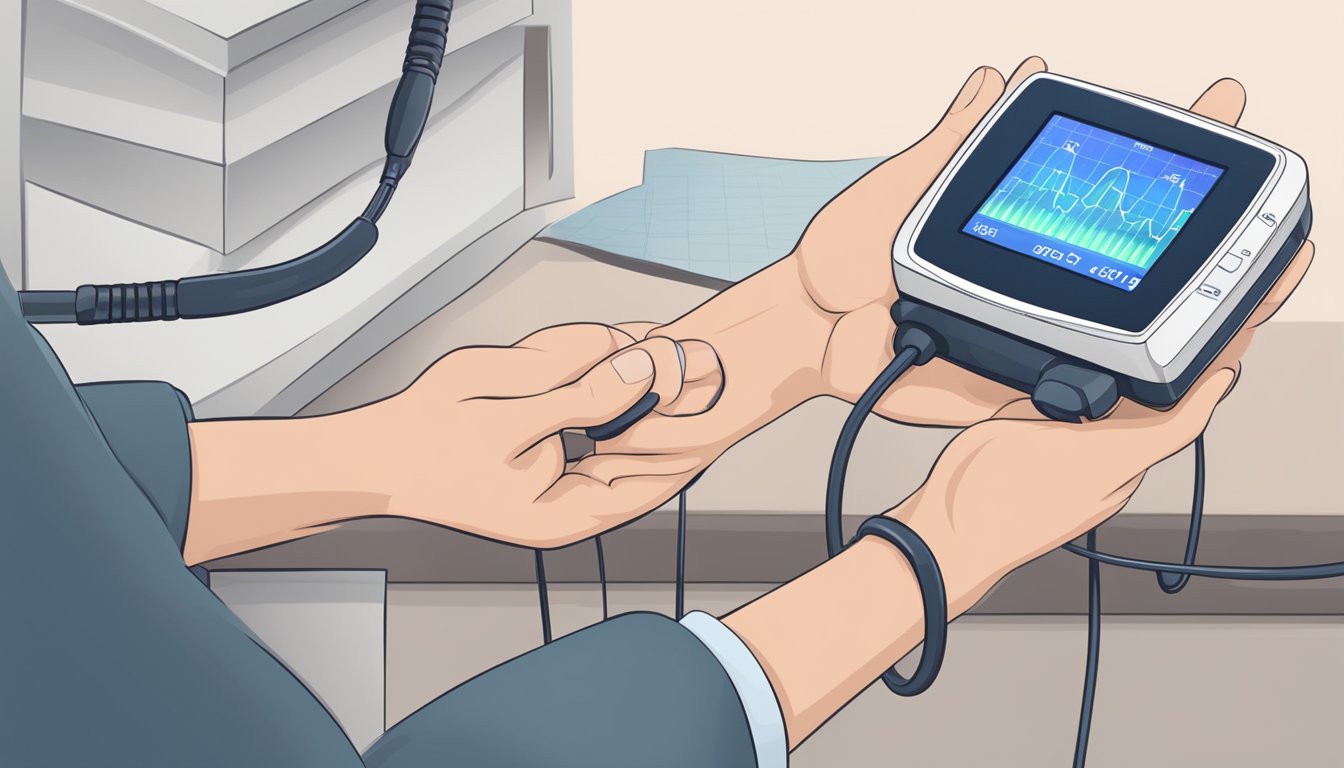
Checking heart health indicators at home is an easy and effective way to monitor your cardiovascular health. There are several key indicators that can be measured at home to assess heart health, including blood pressure, heart rate, blood flow, and pulse. Utilising at-home heart tests can also provide valuable insights into your cardiovascular health.
Measuring Blood Pressure and Heart Rate
Measuring blood pressure and heart rate are two of the most common ways to monitor heart health at home. Blood pressure is the force of blood pushing against the walls of the arteries. A blood pressure reading consists of two numbers: systolic pressure (the top number) and diastolic pressure (the bottom number). A normal blood pressure reading is around 120/80 mmHg.
Heart rate is the number of times your heart beats per minute. A normal resting heart rate is between 60 and 100 beats per minute. Measuring your heart rate is easy and can be done by placing your index and middle fingers on the inside of your wrist or neck and counting the number of beats for 60 seconds.
Assessing Blood Flow and Pulse
Assessing blood flow and pulse can also provide valuable insights into heart health. Poor blood flow can be a sign of blocked arteries, which can lead to serious health problems such as heart attack and stroke. One way to assess blood flow is to perform the stair test. This involves walking up and down a flight of stairs for a few minutes and then checking your pulse. If you notice a significant increase in your heart rate, it may be a sign of poor blood flow.
Pulse is the rhythmic beating of the heart as blood flows through the arteries. A normal resting pulse is between 60 and 100 beats per minute. Checking your pulse can be done by placing your index and middle fingers on the inside of your wrist or neck and counting the number of beats for 60 seconds.
Utilising At-Home Heart Tests
At-home heart tests can provide additional insights into heart health. These tests can measure cholesterol levels, blood glucose levels, and other key indicators of cardiovascular health. However, it is important to note that at-home tests should not be used as a substitute for professional medical advice and diagnosis.
In summary, monitoring heart health indicators at home is an easy and effective way to assess cardiovascular health. Measuring blood pressure and heart rate, assessing blood flow and pulse, and utilising at-home heart tests can all provide valuable insights into heart health. However, it is important to consult a medical professional if you have any concerns about your heart health.
Lifestyle and Risk Factor Assessment

When it comes to assessing the risk of heart blockages at home, lifestyle factors play a crucial role. By evaluating various lifestyle factors, one can determine their risk of developing heart blockages and take appropriate measures to prevent them. Here are some of the key lifestyle factors that one should consider:
Analysing Diet and Physical Activity
Diet and physical activity are two of the most important lifestyle factors that affect the risk of developing heart blockages. A diet that is high in saturated fat, trans fat, and cholesterol can increase the risk of heart disease. On the other hand, a diet that is rich in fruits, vegetables, whole grains, and lean protein can reduce the risk of heart disease.
Physical activity is also important for reducing the risk of heart disease. Regular exercise can help maintain a healthy weight, lower blood pressure and cholesterol levels, and improve overall cardiovascular health. It is recommended that adults engage in at least 150 minutes of moderate-intensity aerobic exercise per week.
Evaluating Smoking and Alcohol Consumption
Smoking is a major risk factor for heart disease. It damages the lining of the arteries, increases blood pressure, and reduces the amount of oxygen that reaches the heart. Quitting smoking can significantly reduce the risk of heart disease.
Similarly, excessive alcohol consumption can also increase the risk of heart disease. It can raise blood pressure, contribute to obesity, and increase the risk of arrhythmias. It is recommended that men limit their alcohol consumption to no more than two drinks per day, and women limit their consumption to no more than one drink per day.
Understanding Family History and Genetics
Family history and genetics also play a role in the risk of heart disease. If a close family member has had heart disease, the risk of developing heart disease is higher. Additionally, certain genetic factors can increase the risk of heart disease.
While family history and genetics cannot be changed, it is important to be aware of these factors and take appropriate measures to reduce other risk factors, such as maintaining a healthy lifestyle and managing other health conditions.
It is important to note that assessing the risk of heart blockages at home is not a substitute for medical advice. If you have concerns about your risk of heart disease, it is important to consult with a healthcare professional.
Seeking Professional Evaluation and Treatment
When it comes to heart blockage, seeking professional evaluation and treatment is crucial. A cardiologist is a medical professional who specializes in diagnosing and treating heart diseases. Consulting with a cardiologist can help individuals understand their heart health and develop a personalized treatment plan.
Consulting with a Cardiologist
A cardiologist can evaluate an individual’s heart health through a physical examination, medical history review, and diagnostic tests. These tests may include an electrocardiogram (ECG), stress test, echocardiogram, or cardiac catheterization. Based on the results of these tests, the cardiologist can determine the severity of the heart blockage and recommend a suitable treatment plan.
Interpreting ECG and Other Diagnostic Tests
ECG is a non-invasive test that measures the electrical activity of the heart. It can help diagnose heart blockages by detecting abnormal heart rhythms and patterns. Other diagnostic tests, such as stress tests and echocardiograms, can also help evaluate heart function and diagnose blockages.
Exploring Medication and Surgical Options
Depending on the severity of the heart blockage, medication and surgical options may be recommended. Medications such as statins can help lower cholesterol levels and reduce the risk of heart disease. Surgical options may include angioplasty, stent placement, or bypass surgery. These procedures can help restore blood flow to the heart and reduce the risk of heart attack.
It is important to note that seeking professional evaluation and treatment is essential for managing heart blockage. While home-based methods can be helpful in monitoring heart health, they should not be used as a substitute for medical advice and treatment. Individuals should always consult with a medical professional before making any changes to their treatment plan.
Getting assessed in Singapore
In Singapore, ongoing cardiovascular management is shared between primary care and cardiology. Many people have blood pressure, cholesterol and diabetes reviewed by a GP or polyclinic, with specialist input where a cardiac problem is suspected or already diagnosed. Referral can be arranged through primary care, or a private clinic can be contacted directly.
If this is relevant to your own situation, you can read what is involved in cardiac screening or a consultation for suspected heart conditions, or browse the cardiac services list.
Frequently Asked Questions
What are the signs of heart blockage in women?
The signs of heart blockage in women are similar to those in men. They include chest pain, shortness of breath, fatigue, lightheadedness, and nausea. However, women may also experience additional symptoms such as pain in the back, neck, or jaw. It is important to note that not all women experience the same symptoms, and some may not experience any symptoms at all.
Can heart blockage be detected without the use of angiography?
Yes, heart blockage can be detected without the use of angiography. Non-invasive techniques such as stress tests, echocardiograms, and CT scans can provide valuable information about the condition of the heart and the presence of blockages. However, these tests may not be as accurate as angiography, which remains the gold standard for diagnosing heart blockage.
What are the indicators of a minor heart blockage?
The indicators of a minor heart blockage may include mild chest pain or discomfort during physical activity, shortness of breath, and fatigue. However, these symptoms may also be caused by other conditions, and it is important to consult a healthcare professional for an accurate diagnosis.
How can one assess their heart health at home?
There are several ways to assess heart health at home, including monitoring blood pressure, heart rate, and cholesterol levels, maintaining a healthy diet and exercise routine, and avoiding smoking and excessive alcohol consumption. However, it is important to note that these measures are not a substitute for regular check-ups with a healthcare professional.
What are the symptoms indicating a weak heart?
The symptoms indicating a weak heart may include shortness of breath, fatigue, swelling in the legs and ankles, irregular heartbeat, and chest pain. However, these symptoms may also be caused by other conditions, and it is important to consult a healthcare professional for an accurate diagnosis.
Is an electrocardiogram (ECG) capable of identifying heart blockage?
An electrocardiogram (ECG) can provide valuable information about the condition of the heart, but it may not be capable of identifying heart blockage on its own. Additional tests such as stress tests or echocardiograms may be necessary for an accurate diagnosis. It is important to consult a healthcare professional for an appropriate course of action.
Further reading
- HealthHub — Cardiovascular Disease
- SingHealth — Conditions & Treatments
- National Heart Centre Singapore — Conditions & Treatments
Disclaimer: This article is general information about cardiovascular health. It is not medical advice, diagnosis or treatment, and reading it does not create a doctor–patient relationship. Always seek the advice of your doctor or another qualified health professional with any questions you have about a medical condition, and never disregard or delay seeking medical advice because of something you have read here. If you think you may be having a medical emergency, call 995 or go to the nearest emergency department.