

Left-sided heart failure pulmonary edema is a serious medical condition that affects the heart and lungs. It occurs when the left side of the heart is unable to pump blood effectively, leading to a buildup of fluid in the lungs. This condition can be life-threatening and requires prompt medical attention.
The pathophysiology of left-sided heart failure pulmonary edema involves the failure of the left ventricle, which is responsible for pumping oxygenated blood to the body. When the left ventricle is unable to pump blood effectively, it causes a backup of blood in the lungs, leading to pulmonary edema. This can cause shortness of breath, coughing, and difficulty breathing.
Diagnosis of left-sided heart failure pulmonary edema involves a thorough medical history, physical examination, and diagnostic tests such as chest x-rays, electrocardiogram (ECG), and echocardiogram. Treatment options include medications to reduce fluid buildup, oxygen therapy, and in severe cases, mechanical ventilation. In addition, lifestyle changes such as a healthy diet and regular exercise can help prevent the progression of this condition.
Key Takeaways
- Left-sided heart failure pulmonary edema is a serious medical condition that affects the heart and lungs.
- Diagnosis of left-sided heart failure pulmonary edema involves a thorough medical history, physical examination, and diagnostic tests such as chest x-rays, electrocardiogram (ECG), and echocardiogram.
- Treatment options include medications to reduce fluid buildup, oxygen therapy, and in severe cases, mechanical ventilation.
Pathophysiology and Etiology
Cardiac Function and Failure
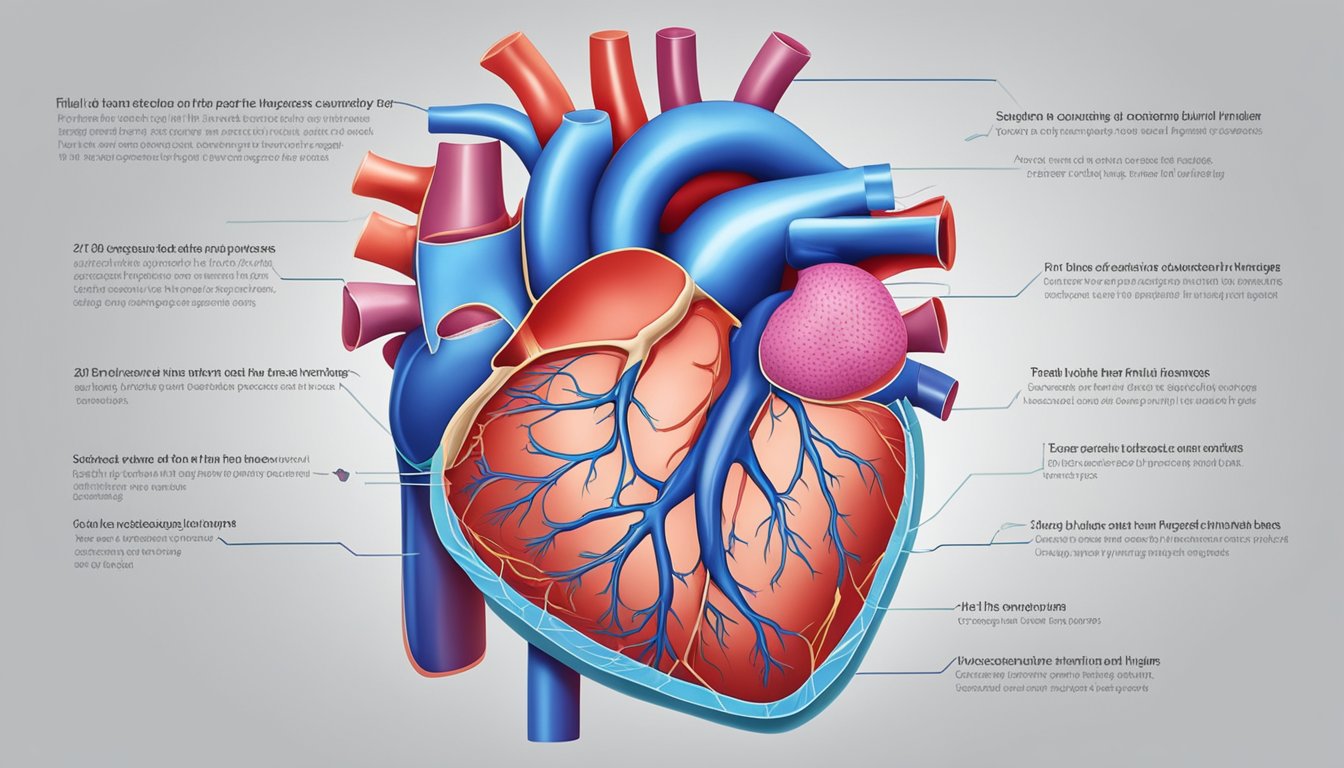
Left-sided heart failure is a condition where the left ventricle of the heart is unable to pump blood effectively. This can lead to a build-up of fluid in the lungs, known as pulmonary edema. The left ventricle is responsible for pumping oxygen-rich blood to the rest of the body. When it fails, blood backs up into the lungs, causing fluid to leak into the air sacs.
The heart is a complex organ, and left-sided heart failure can be caused by a variety of factors. In some cases, it can be the result of coronary artery disease, which can cause damage to the heart muscle. Cardiomyopathy, a disease that affects the heart muscle, can also lead to left-sided heart failure. Hypertension, or high blood pressure, can cause the heart to work harder than it should, which can eventually lead to heart failure.
Contributing Conditions
Other conditions can also contribute to left-sided heart failure. Diabetes, for example, can damage the blood vessels and nerves that control the heart. Obesity can also put extra strain on the heart, making it more likely to fail. Valvular heart disease, which affects the heart’s valves, can also lead to left-sided heart failure.
Less common causes of left-sided heart failure include amyloid and sarcoid, both of which are conditions that can affect multiple organs in the body. These conditions can cause damage to the heart muscle, leading to heart failure.
It is important to note that left-sided heart failure is a serious condition that requires medical attention. If left untreated, it can lead to life-threatening complications. Anyone experiencing symptoms of heart failure, such as shortness of breath, fatigue, or swelling in the legs, should seek medical attention immediately.
Disclaimer: The information provided here is for educational purposes only and should not be used as a substitute for professional medical advice.
Clinical Presentation and Diagnosis
Symptoms and Signs
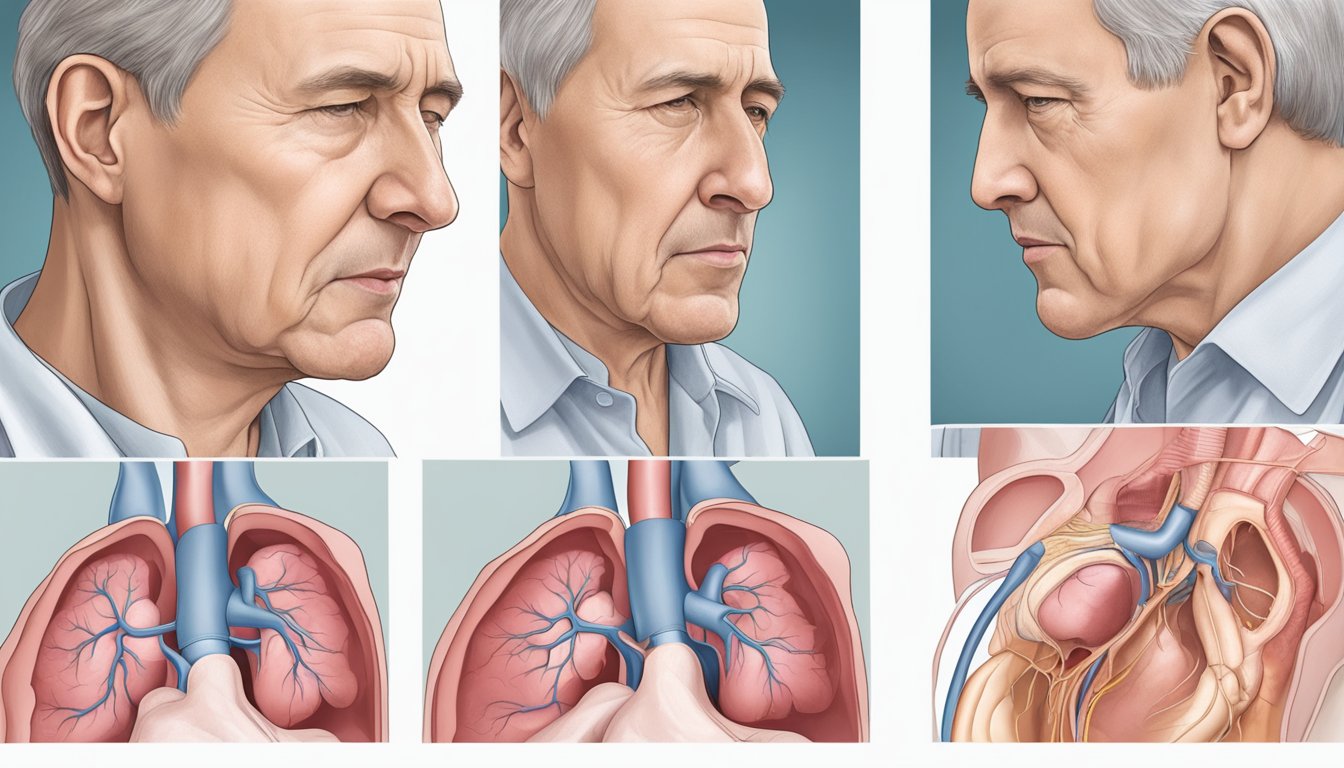
Left-sided heart failure pulmonary edema is characterized by a variety of symptoms and signs. Patients typically present with shortness of breath, which may be accompanied by coughing and wheezing. They may also experience anxiety and tachycardia, as well as dyspnea and fatigue. Chest pain may also be present.
In addition to these symptoms, physical examination may reveal signs of pulmonary edema. These may include rales or crackles heard on lung auscultation, as well as jugular venous distension and peripheral edema. Patients may also present with an elevated BNP level, which is a marker of heart failure.
Diagnostic Investigations
To confirm the diagnosis of left-sided heart failure pulmonary edema, several diagnostic investigations may be performed. These may include an electrocardiogram (ECG), which may show evidence of left ventricular hypertrophy or ischemia. Chest x-ray may reveal evidence of pulmonary edema, such as interstitial or alveolar infiltrates.
Echocardiography is also an important diagnostic tool in the evaluation of left-sided heart failure pulmonary edema. This test can provide information on left ventricular function, as well as the presence of valvular disease or other structural abnormalities.
In summary, left-sided heart failure pulmonary edema is a serious condition that requires prompt diagnosis and management. Patients may present with a variety of symptoms and signs, including shortness of breath, coughing, and wheezing. Diagnostic investigations such as ECG, chest x-ray, and echocardiography can help confirm the diagnosis and guide management. It is important for healthcare providers to be familiar with the clinical presentation and diagnostic workup of this condition to provide optimal care for their patients.
Management and Treatment
Pharmacological Interventions
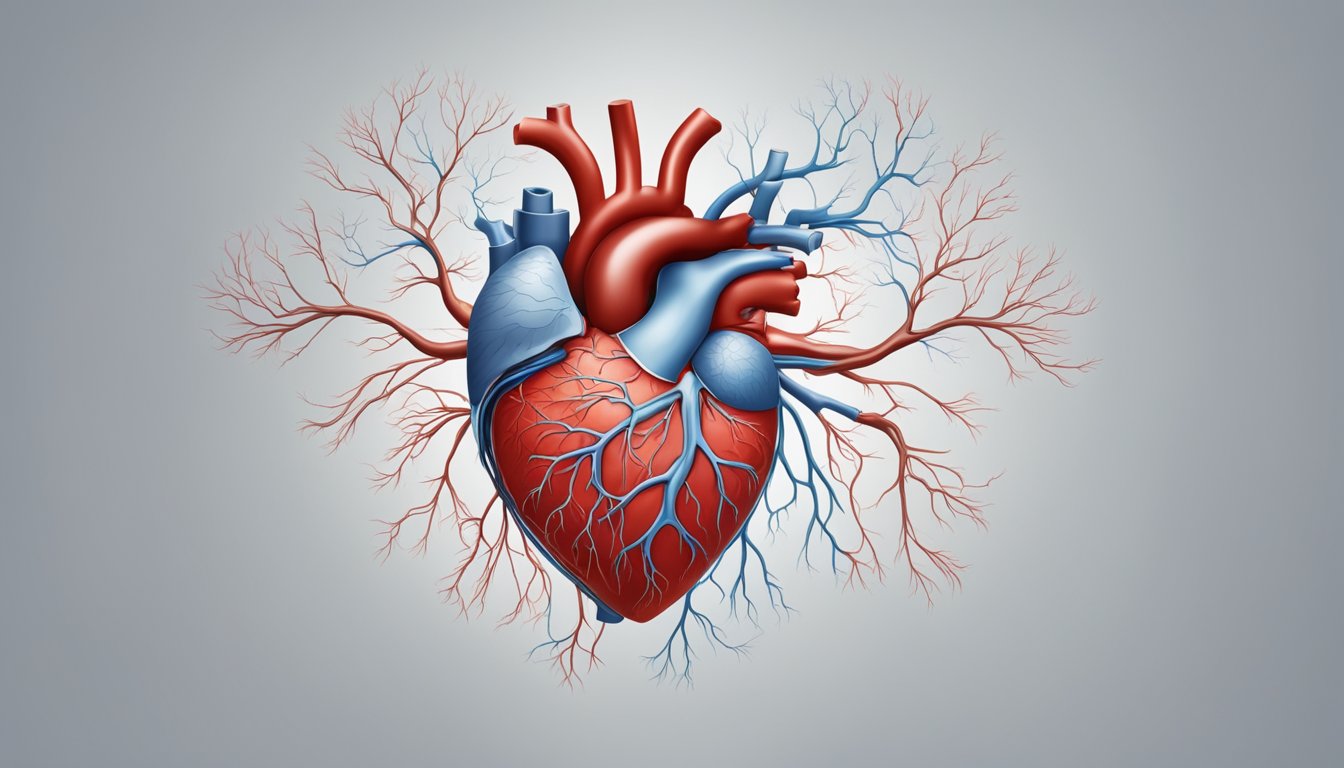
The management of left-sided heart failure and pulmonary edema involves a combination of pharmacological interventions and lifestyle modifications. Medications such as diuretics are used to reduce fluid overload and relieve symptoms of pulmonary congestion. Oxygen therapy is also used to improve oxygenation and reduce respiratory distress.
ACE inhibitors and beta-blockers are commonly used in the management of left-sided heart failure. ACE inhibitors help to reduce the afterload on the heart, while beta-blockers help to reduce heart rate and blood pressure. Digoxin is sometimes used to improve cardiac function in patients with left-sided heart failure.
Lifestyle Modifications and Supportive Care
In addition to pharmacological interventions, lifestyle modifications and supportive care are also important in the management of left-sided heart failure and pulmonary edema. Patients are advised to reduce their salt intake to prevent fluid retention. Physical activity is also encouraged to improve cardiovascular health.
In severe cases, heart transplant or mechanical ventilation may be necessary. It is important to note that the management of left-sided heart failure and pulmonary edema requires a multidisciplinary approach, involving a team of healthcare professionals.
It is important for patients to follow their treatment plan as prescribed by their healthcare provider. Any changes to medication or treatment should be discussed with a healthcare professional. It is also important for patients to seek medical attention if they experience any new or worsening symptoms.
Disclaimer: The information provided in this article is for educational purposes only and should not be used as a substitute for professional medical advice. Always consult a healthcare professional for diagnosis and treatment of medical conditions.
Prognosis and Complications
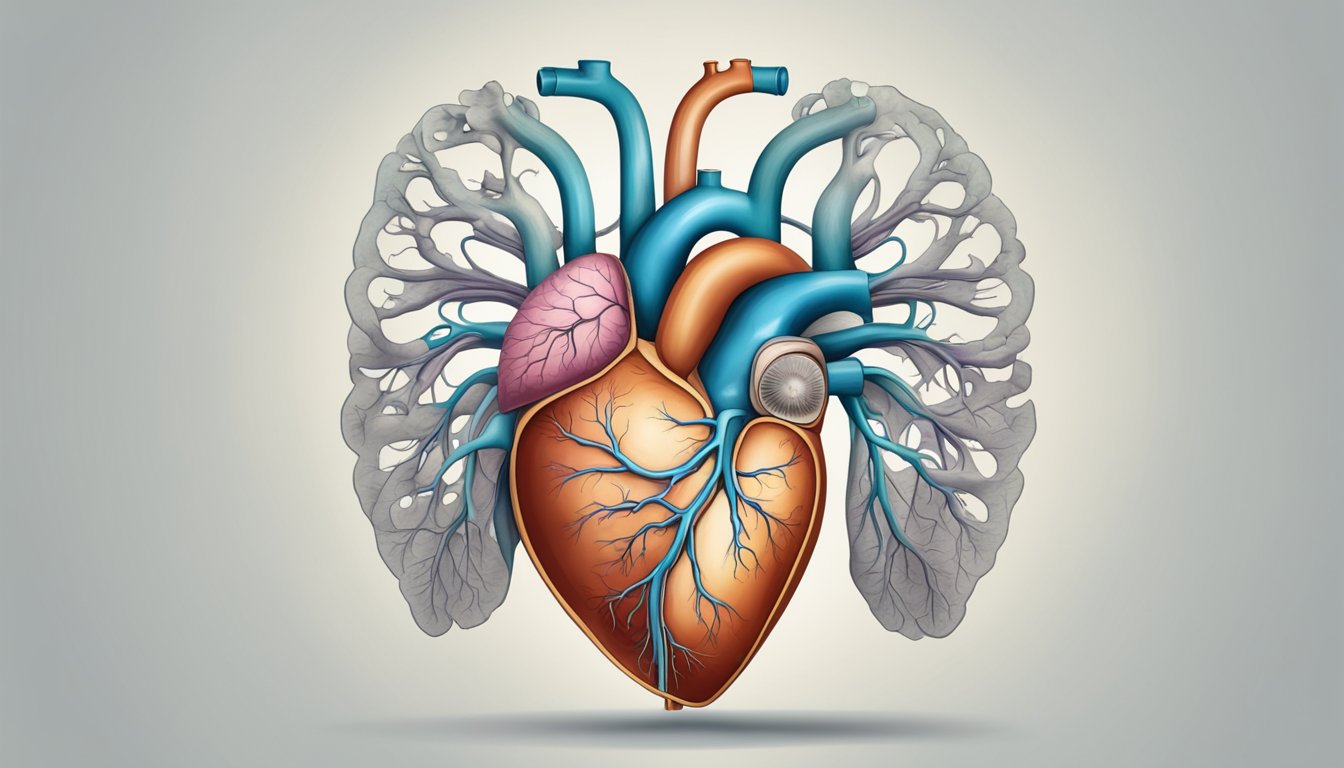
Left-sided heart failure is a serious condition that can lead to pulmonary edema, a buildup of fluid in the lungs. The prognosis for patients with left-sided heart failure depends on the severity of the condition and the underlying cause.
Acute Episodes and Chronic Progression
Acute pulmonary edema, or sudden onset of fluid buildup in the lungs, can be life-threatening and requires immediate medical attention. Patients with chronic left-sided heart failure may experience repeated episodes of acute pulmonary edema, which can lead to cardiogenic shock, arrhythmias, and other complications.
Chronic progression of left-sided heart failure can lead to further complications such as kidney disease, pleural effusion, and peripheral edema. These complications can cause significant discomfort and can also increase the risk of death.
Secondary Conditions and Risks
The mortality rate for left-sided heart failure is high, particularly for patients with severe or advanced disease. Patients with left-sided heart failure are also at increased risk of developing other conditions, such as right-sided heart failure and pulmonary hypertension.
It is important for patients with left-sided heart failure to receive prompt and appropriate treatment to manage their symptoms and prevent further complications. Patients should also work closely with their healthcare providers to manage any underlying conditions that may contribute to the development or progression of left-sided heart failure.
Disclaimer: The information provided in this section is intended for educational purposes only and should not be used as a substitute for professional medical advice. Patients with left-sided heart failure should consult their healthcare providers for guidance on their specific treatment and management needs.
Frequently Asked Questions
What are the typical symptoms associated with left-sided heart failure?
Left-sided heart failure is a condition where the heart loses its ability to pump blood effectively, causing blood to back up into the lungs. Symptoms of left-sided heart failure can include shortness of breath, fatigue, coughing, wheezing, and swelling in the legs and ankles. In severe cases, patients may experience chest pain, confusion, and a rapid heartbeat.
How does left-sided heart failure lead to the development of pulmonary oedema?
Left-sided heart failure can cause pulmonary oedema, which is a buildup of fluid in the lungs. When the heart is unable to pump blood effectively, blood can back up into the lungs, causing increased pressure in the blood vessels in the lungs. This increased pressure can cause fluid to leak from the blood vessels into the air sacs in the lungs, leading to pulmonary oedema.
What is the expected prognosis for individuals with congestive heart failure and pulmonary oedema?
The prognosis for individuals with congestive heart failure and pulmonary oedema can vary depending on the severity of the condition and the underlying cause. With appropriate treatment, many patients are able to manage their symptoms and live a normal life. However, severe cases of pulmonary oedema can be life-threatening and require immediate medical attention.
What are the primary treatment options for cardiogenic pulmonary oedema?
The primary treatment options for cardiogenic pulmonary oedema include oxygen therapy, diuretics to help remove excess fluid from the body, and medications to help improve heart function. In severe cases, patients may require mechanical ventilation or other advanced treatments.
What are the various stages of pulmonary oedema in the context of left-sided heart failure?
The stages of pulmonary oedema in the context of left-sided heart failure can vary depending on the severity of the condition. Mild cases may cause only minor symptoms, while severe cases can be life-threatening. It is important to seek medical attention if you experience any symptoms of left-sided heart failure or pulmonary oedema.
How does the survival rate for patients with pulmonary oedema vary with different severities of left-sided heart failure?
The survival rate for patients with pulmonary oedema can vary depending on the severity of left-sided heart failure and the underlying cause of the condition. In general, patients with mild to moderate left-sided heart failure have a better prognosis than those with severe left-sided heart failure. However, with appropriate treatment and management, many patients are able to manage their symptoms and improve their quality of life.