

Max heart rate during pregnancy is a topic that is of great concern to many expectant mothers who are looking to maintain their fitness levels. The heart rate is an important indicator of the intensity level of exercise and it is essential to understand the safe limits of heart rate during pregnancy.
During pregnancy, the heart rate increases due to the increased demand for oxygen and nutrients by the growing fetus. The maximum heart rate during pregnancy is lower than that of non-pregnant women due to the changes in the cardiovascular system. The American College of Obstetricians and Gynecologists (ACOG) recommends that pregnant women should not exceed 70-80% of their maximum heart rate during exercise.
It is important to understand the guidelines and safety measures related to exercising during pregnancy. High-intensity exercise may pose risks and limitations to pregnant women, and it is essential to consult a healthcare provider before starting any exercise program. In this article, we will discuss the guidelines and safety measures related to exercising during pregnancy, as well as the risks and limitations of high-intensity exercise.
Key Takeaways
- Understanding the safe limits of heart rate during pregnancy is crucial for maintaining fitness levels.
- Pregnant women should not exceed 70-80% of their maximum heart rate during exercise, according to ACOG guidelines.
- High-intensity exercise may pose risks and limitations to pregnant women, and it is important to consult a healthcare provider before starting any exercise program.
Understanding Max Heart Rate During Pregnancy
Physiological Changes and Heart Rate
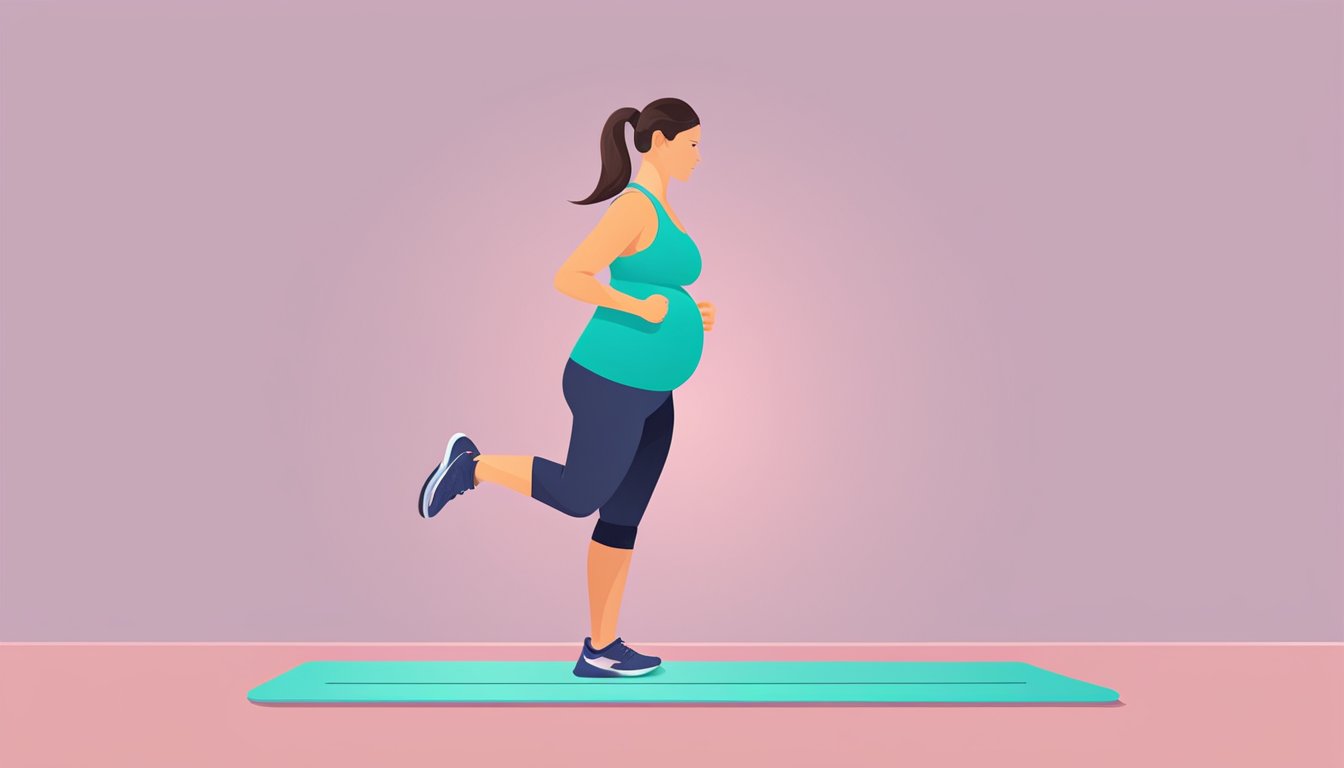
Pregnancy is a period of significant physiological changes in a woman’s body. These changes include an increase in cardiac output, blood volume, and resting heart rate. As a result, the maximum heart rate that a woman can achieve during exercise also increases.
During the first trimester, the heart rate may increase by 3-5%, while in the second trimester, it may increase by 10-15%. In the third trimester, the increase may be between 15-20%. It is essential to understand that pregnancy alone can raise a woman’s resting heart rate to higher levels.
Determining Maximum Heart Rate
The maximum heart rate during pregnancy can be determined by subtracting the woman’s age from 220. However, this formula may not be accurate for pregnant women, and it is best to consult with a healthcare provider to determine the maximum heart rate during exercise.
It is also important to note that certain prescription medications can affect a woman’s heart rate during exercise. Therefore, it is crucial to inform the healthcare provider about any medications being taken during pregnancy.
Pregnant women should aim to stay in the range of 50-85% of their maximum heart rate during exercise. However, it is essential to listen to the body and avoid pushing beyond the limits. If a woman experiences any discomfort or shortness of breath during exercise, she should stop immediately and seek medical attention.
In conclusion, understanding maximum heart rate during pregnancy is crucial to ensure the safety of both the mother and the baby during exercise. Pregnant women should consult with their healthcare provider to determine the appropriate maximum heart rate during exercise and listen to their bodies to avoid pushing beyond their limits.
Exercise Guidelines and Safety
ACOG Recommendations
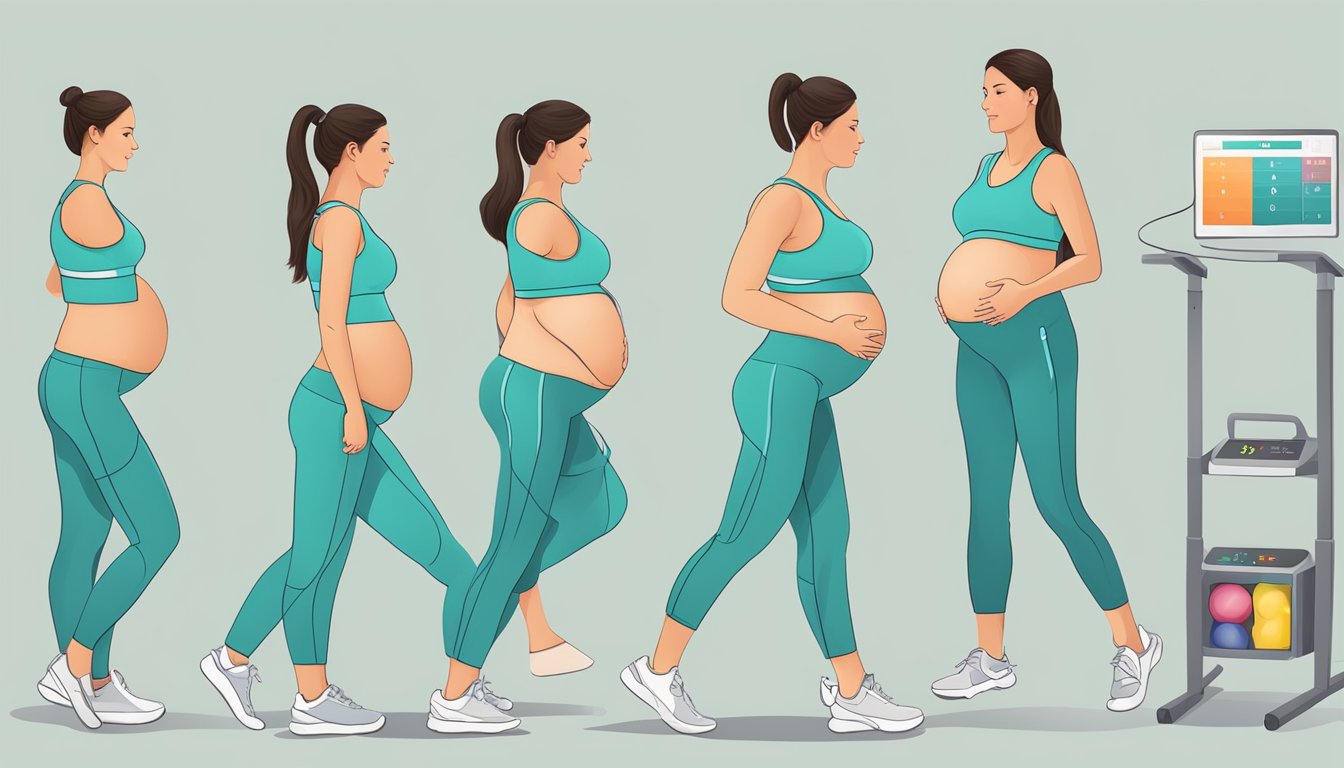
The American College of Obstetricians and Gynecologists (ACOG) recommends that pregnant women should engage in regular exercise unless there are medical or obstetric complications. Exercise during pregnancy has many benefits, including reducing the risk of gestational diabetes, hypertension, and preterm birth. It also improves cardiovascular fitness, muscle strength, and mood.
ACOG recommends that pregnant women should aim for at least 150 minutes of moderate-intensity aerobic exercise per week, spread over three or more days. They should avoid activities with a high risk of falls or trauma, such as contact sports, and scuba diving. It is also recommended that pregnant women should avoid exercising in the supine position after the first trimester.
Warning Signs and Symptoms
Pregnant women should listen to their body and stop exercising if they experience any warning signs or symptoms. These include vaginal bleeding, excessive shortness of breath, chest pain, dizziness, headache, calf pain or swelling, contractions, and decreased fetal movement. If any of these symptoms occur, pregnant women should seek medical attention immediately.
Safe Exercises for Pregnant Women
Safe exercises for pregnant women include walking, swimming, stationary cycling, and low-impact aerobics. Pregnant women should also engage in strength training exercises that target the major muscle groups, such as the legs, arms, back, and core muscles. They should avoid exercises that involve lying on their back or require sudden changes in direction, such as jumping or running.
The American Heart Association suggests that pregnant women should monitor their heart rate during exercise and keep it below 140 beats per minute. However, this guideline may not apply to all pregnant women, and it is essential to consult with a healthcare provider before starting any exercise program.
It is important for pregnant women to follow exercise guidelines and listen to their body to ensure a safe and healthy pregnancy. However, it is also important to note that every pregnancy is unique, and pregnant women should consult with their healthcare provider before starting or continuing any exercise program.
Risks and Limitations of High-Intensity Exercise
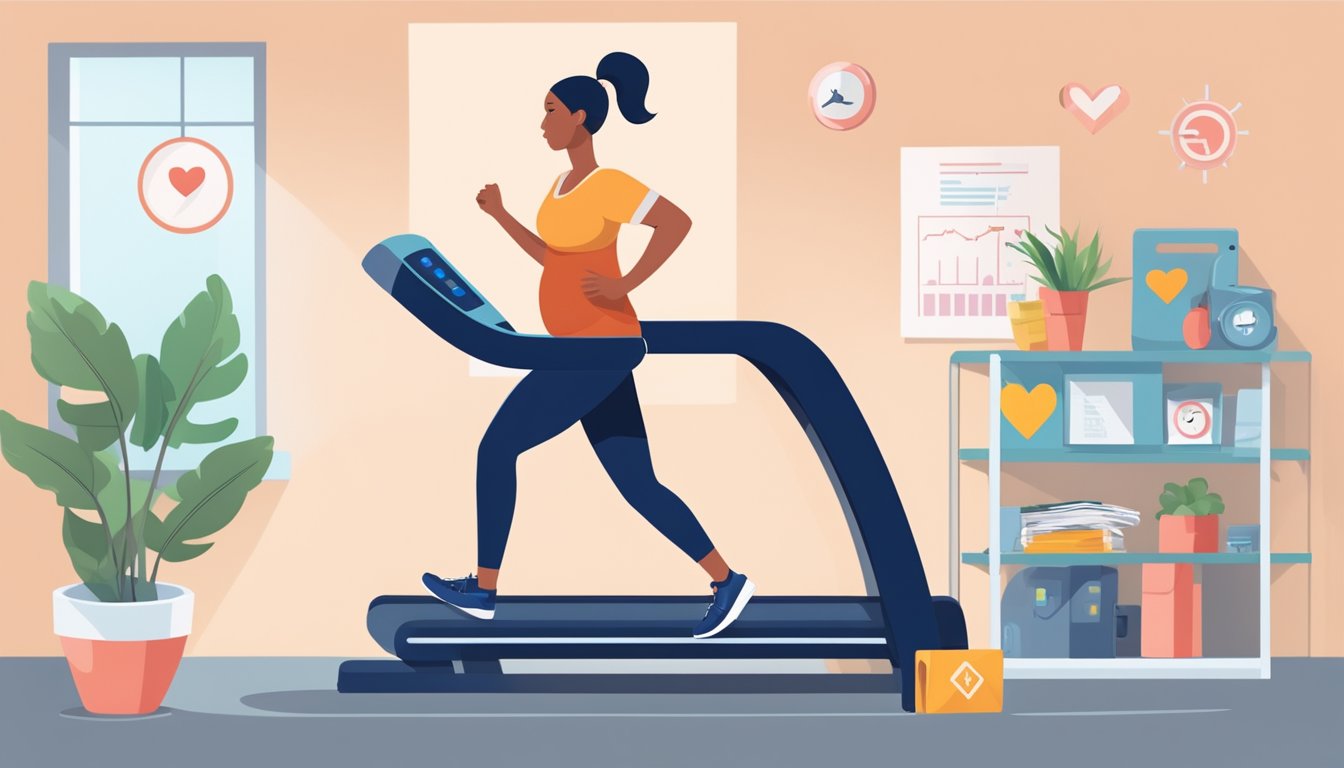
High-intensity exercise during pregnancy can be beneficial, but it also comes with potential risks and limitations. It is important for pregnant women to consult with their healthcare provider before engaging in any high-intensity exercise routine.
Potential Complications
High-intensity exercise may increase the risk of complications such as preterm labor, dehydration, and injury. It is important for pregnant women to monitor their symptoms and avoid pushing themselves too hard. High blood pressure and gestational diabetes can also be a concern, so it is important to work with a healthcare provider to manage these conditions during pregnancy.
Monitoring Intensity and Symptoms
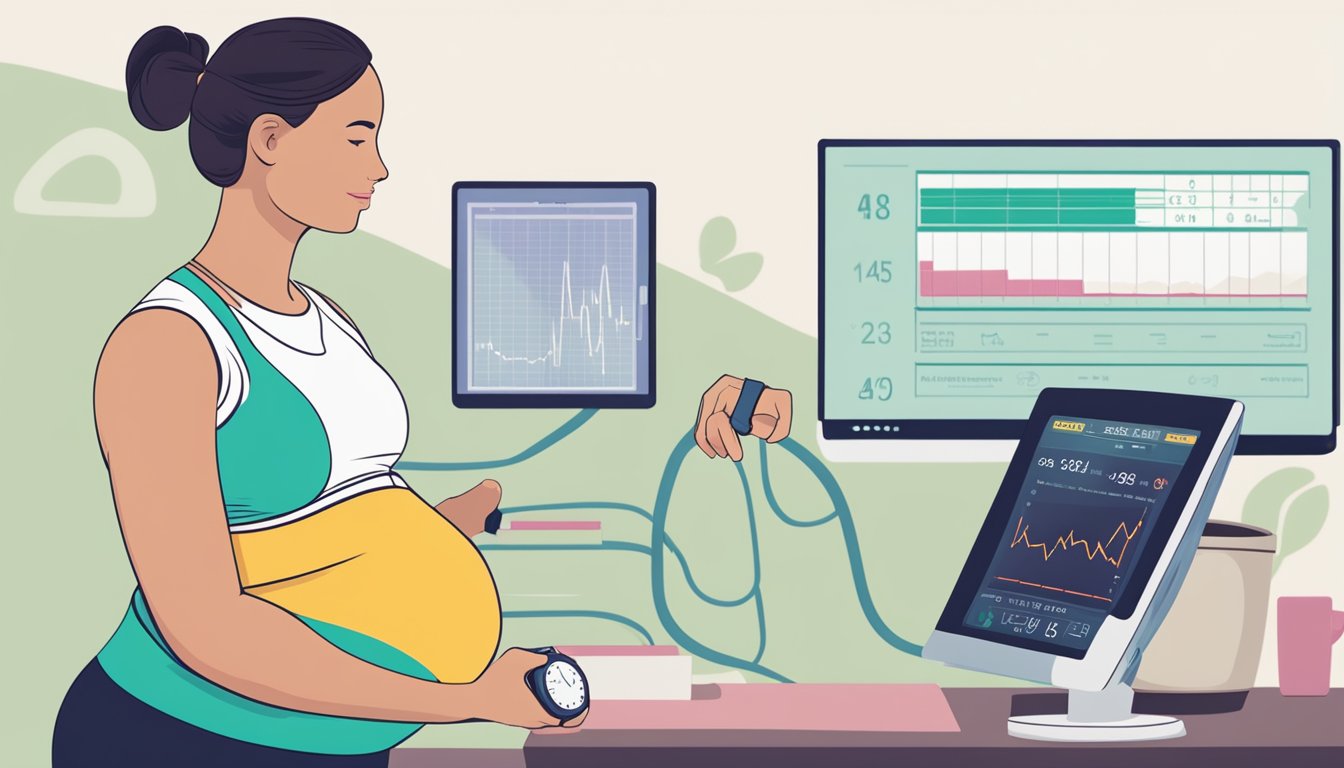
Monitoring intensity and symptoms is crucial when engaging in high-intensity exercise during pregnancy. Pregnant women should use a heart rate monitor to ensure they are not exceeding their maximum heart rate. Symptoms such as dizziness, shortness of breath, and contractions should be closely monitored and reported to a healthcare provider.
It is important to note that high-intensity exercise may not be suitable for all pregnant women. Women with a history of complications during pregnancy or those with certain medical conditions may need to avoid high-intensity exercise altogether.
In conclusion, high-intensity exercise during pregnancy can be beneficial, but it is important to approach it with caution and under the guidance of a healthcare provider. Pregnant women should monitor their symptoms and intensity closely to avoid potential complications.
Frequently Asked Questions
What constitutes a dangerous heart rate for a pregnant woman while exercising?
A pregnant woman’s heart rate during exercise should not exceed a certain level to avoid complications. The American College of Obstetricians and Gynaecologists (ACOG) recommends that pregnant women should not exceed 70-80% of their maximum heart rate during exercise. In general, a heart rate of 140 beats per minute (BPM) or less is considered safe for pregnant women during exercise. However, each woman’s body is different, and it is essential to consult with a healthcare provider before starting any exercise routine during pregnancy.
How should maximum heart rate be managed during the first trimester of pregnancy?
During the first trimester of pregnancy, a woman’s heart rate is naturally elevated due to increased blood flow. Therefore, it is recommended that pregnant women do not exceed 70% of their maximum heart rate during exercise. It is also essential to listen to your body and adjust your exercise routine accordingly. If you experience any discomfort or shortness of breath, slow down or stop the activity.
What are the recommended heart rate limits during exercise in the second trimester of pregnancy?
During the second trimester of pregnancy, a woman’s heart rate should not exceed 70-80% of her maximum heart rate. It is also recommended to avoid exercises that require lying on the back for prolonged periods, as this can cause a decrease in blood flow to the uterus.
Are there specific heart rate guidelines for exercising in the third trimester of pregnancy?
During the third trimester of pregnancy, a woman’s heart rate should not exceed 70-80% of her maximum heart rate. It is also essential to avoid activities that could cause abdominal trauma or falls, such as contact sports or high-impact exercises.
What are the risks associated with a high heart rate when engaging in physical activity during pregnancy?
Engaging in physical activity during pregnancy can provide many benefits, such as improved cardiovascular health and reduced risk of gestational diabetes. However, if a pregnant woman’s heart rate exceeds the recommended limits, it can lead to complications such as decreased blood flow to the uterus, which can affect fetal growth and development. Therefore, it is essential to consult with a healthcare provider before starting any exercise routine during pregnancy.
Is high-intensity exercise considered safe for pregnant women?
High-intensity exercise is not recommended for pregnant women. Pregnant women should avoid activities that could cause abdominal trauma or falls, such as contact sports or high-impact exercises. It is also important to listen to your body and adjust your exercise routine accordingly. If you experience any discomfort or shortness of breath, slow down or stop the activity.
Disclaimer: The information provided in this article is for educational purposes only and is not a substitute for professional medical advice. Always consult with a healthcare provider before starting any exercise routine during pregnancy.