

Normal heart rate is a key indicator of overall health and fitness. It is a measure of how many times your heart beats per minute and can vary depending on age, gender, and activity level. Understanding what is considered a normal heart rate for your age is important for maintaining a healthy heart and preventing potential health problems.
Resting heart rate, which is the heart rate when you are at rest, is a good indicator of overall health. A normal resting heart rate for adults is typically between 60 and 100 beats per minute. However, this can vary depending on age, fitness level, and other factors. For example, athletes may have a lower resting heart rate due to their high level of physical activity.
Knowing what is considered a normal heart rate for your age is important for detecting potential health problems. A high or low heart rate can be an indication of an underlying health issue. For example, a high heart rate can be a symptom of dehydration, fever, or an overactive thyroid gland. Similarly, a low heart rate can be a sign of an underlying heart condition or a side effect of certain medications.
Key Takeaways
- Understanding what is considered a normal heart rate for your age is important for maintaining a healthy heart.
- Resting heart rate, which is the heart rate when you are at rest, is a good indicator of overall health.
- A high or low heart rate can be an indication of an underlying health issue and should be monitored closely.
Understanding Heart Rate

What Is a Normal Heart Rate?
The heart rate is the number of times the heart beats per minute (bpm). A normal resting heart rate for adults is typically between 60 and 100 bpm. However, this range can vary depending on factors such as age, gender, fitness level, and overall health.
For infants, the normal heart rate is higher than that of adults. A newborn’s heart rate can range from 70 to 190 bpm, while an infant’s heart rate can range from 80 to 160 bpm. As children grow older, their heart rate gradually decreases until it reaches the adult range.
Factors Affecting Heart Rate
Several factors can affect heart rate, including age, gender, fitness, stress, sleep, medications, alcohol, smoking, and caffeine. For example, physical activity can increase heart rate, while relaxation can decrease it. Stress and anxiety can also cause an increase in heart rate.
Additionally, some medications, such as beta-blockers, can lower heart rate, while others, such as stimulants, can increase it. Alcohol and smoking can also have an impact on heart rate, with both substances potentially causing an increase.
It is important to note that while heart rate can provide insight into overall health, it should not be used as the sole indicator of health. Other factors, such as blood pressure and cholesterol levels, should also be taken into consideration.
In summary, understanding heart rate is an important aspect of overall health. While a normal resting heart rate for adults typically ranges from 60 to 100 bpm, this can vary depending on several factors. By paying attention to factors that can affect heart rate, individuals can take steps to maintain a healthy heart rate and overall health.
Heart Rate by Age Group
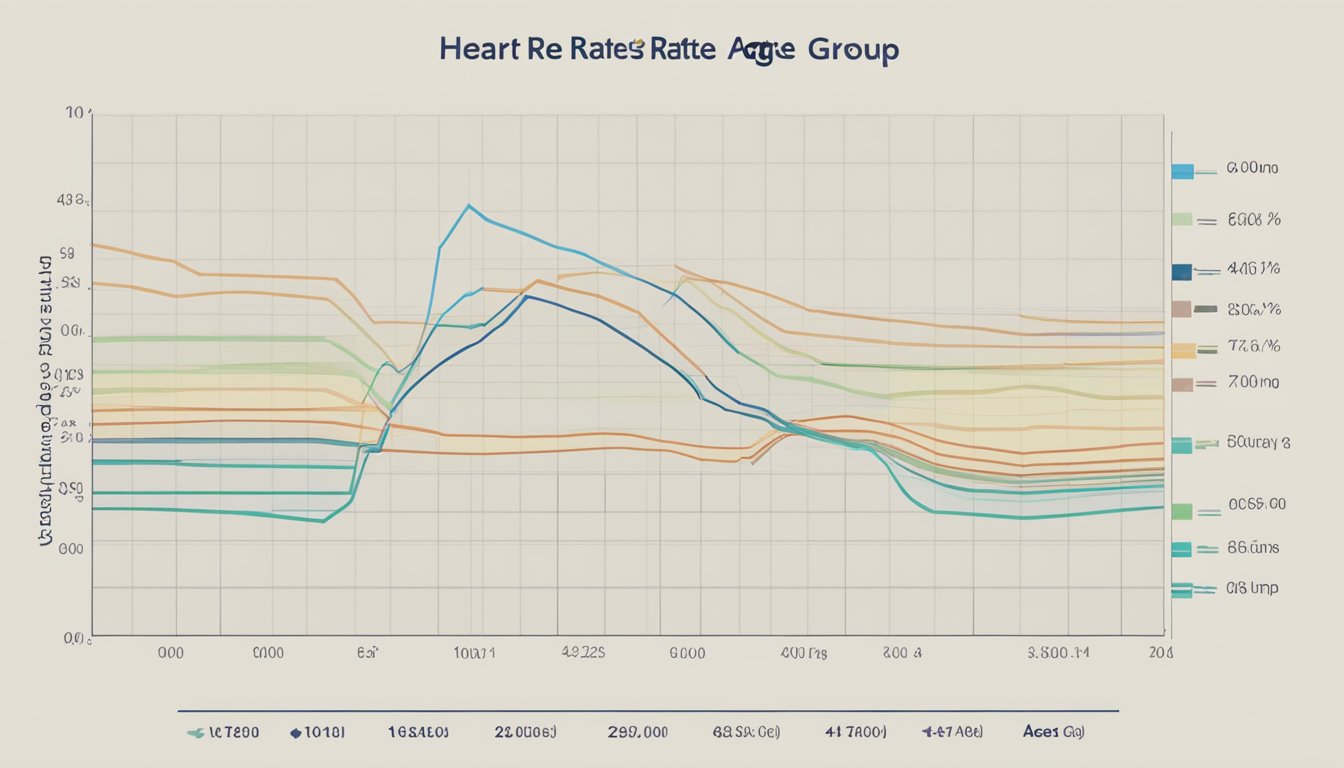
Heart rate is an essential indicator of cardiovascular health. It is the number of times the heart beats per minute (bpm). The normal heart rate varies with age, and it is essential to understand the normal ranges for each age group to maintain good health.
Children and Adolescents
Children and adolescents have higher heart rates than adults. The normal resting heart rate for children aged 6 to 15 years is between 70 and 100 bpm, and it decreases as they grow older. Adolescents aged 16 to 19 years have a normal resting heart rate of 60 to 100 bpm. However, athletes may have a lower resting heart rate due to their high fitness levels.
Adults
The normal resting heart rate for adults is between 60 and 100 bpm. Men and women have similar heart rates, but women tend to have a slightly higher resting heart rate than men. However, this difference is not significant.
Seniors
As people age, their heart rates tend to decrease. The normal resting heart rate for seniors aged 60 and above is between 60 and 100 bpm. However, seniors who are physically fit may have a resting heart rate as low as 40 bpm.
It is important to note that heart rate can be affected by various factors, such as emotions, air temperature, and physical activity. It is also important to consult a medical professional before starting any exercise program, especially for seniors or people with pre-existing medical conditions.
In conclusion, understanding the normal heart rate for each age group is essential for maintaining good cardiovascular health. By monitoring their heart rate, individuals can detect any abnormalities and seek medical attention if necessary.
Health Indicators and Abnormalities
Tachycardia and Bradycardia
Tachycardia and bradycardia are two common abnormalities related to heart rate. Tachycardia is a condition where the heart beats too fast, while bradycardia is a condition where the heart beats too slow. Both conditions can be caused by a variety of factors, including heart disease, cardiovascular disease, and high blood pressure.
Symptoms of tachycardia may include dizziness, shortness of breath, chest pain, and fainting. Symptoms of bradycardia may include fatigue, dizziness, and fainting. If left untreated, both conditions can lead to serious health problems.
Indicators of Good or Poor Health
Heart rate is an important indicator of overall health. A normal resting heart rate for adults is between 60 and 100 beats per minute. An unusually high or low resting heart rate may be an indicator of poor health.
A high resting heart rate may be an indicator of high blood pressure, heart disease, or other cardiovascular problems. A low resting heart rate may be an indicator of good cardiovascular health, but it may also be a sign of an underlying health problem.
It is important to note that heart rate alone is not always a reliable indicator of overall health. Other factors, such as age, gender, and physical fitness, should also be taken into consideration when assessing overall health.
In conclusion, it is important to monitor heart rate and seek medical attention if any abnormalities are noticed. Regular exercise, a healthy diet, and maintaining a healthy weight can help promote good cardiovascular health. However, it is important to consult a medical professional before making any significant lifestyle changes.
Maintaining a Healthy Heart Rate

Maintaining a healthy heart rate is essential for overall health and well-being. A healthy heart rate is an indicator of good cardiovascular health and physical fitness. There are several lifestyle changes and medical interventions that can help regulate and maintain a healthy heart rate.
Lifestyle and Exercise
Regular physical activity is essential for maintaining a healthy heart rate. Exercise helps to strengthen the heart muscles and improve blood circulation. It also helps to lower blood pressure, reduce cholesterol levels, and maintain a healthy weight. It is recommended that adults engage in at least 150 minutes of moderate-intensity aerobic activity or 75 minutes of vigorous-intensity aerobic activity per week.
Monitoring heart rate during exercise is important to ensure that physical activity is within the target heart rate zone. The target heart rate zone is the range of heart rate that is safe and effective for physical activity. The American Heart Association recommends that adults aim for a target heart rate of 50% to 85% of their maximum heart rate during exercise.
Heart rate monitors can be used to monitor heart rate during exercise. These devices provide real-time heart rate data and help to ensure that physical activity is within the target heart rate zone.
Other lifestyle changes that can help maintain a healthy heart rate include stress reduction techniques such as meditation and yoga. These practices help to reduce stress and anxiety, which can contribute to an elevated heart rate.
Medical Interventions
In some cases, lifestyle changes may not be enough to maintain a healthy heart rate. In these cases, medical interventions may be necessary.
Beta-blockers are a type of medication that can help regulate heart rate. These medications work by blocking the effects of adrenaline, which can increase heart rate. Beta-blockers are commonly prescribed for conditions such as high blood pressure, heart failure, and arrhythmias.
It is important to consult with a healthcare provider or cardiologist before starting any new medication or treatment. They can provide guidance on the best course of action for maintaining a healthy heart rate.
In conclusion, maintaining a healthy heart rate is essential for overall health and well-being. Regular physical activity, monitoring heart rate during exercise, stress reduction techniques, and medical interventions such as beta-blockers can all help to regulate and maintain a healthy heart rate. It is important to consult with a healthcare provider or cardiologist before making any significant changes to lifestyle or starting any new medication or treatment.
Frequently Asked Questions
What constitutes a safe resting heart rate for adults?
A safe resting heart rate for adults typically ranges from 60 to 100 beats per minute (bpm). However, it is important to note that the normal resting heart rate varies from person to person. A lower resting heart rate generally indicates better cardiovascular fitness, but it is important to consult a medical professional for an accurate assessment of your resting heart rate.
How does age affect resting heart rate in men?
Resting heart rate tends to decrease with age in men. For example, a healthy resting heart rate for a 20-year-old man is around 70 bpm, while a healthy resting heart rate for a 60-year-old man is around 60 bpm. However, it is important to note that there is significant variation in resting heart rate among individuals, and consulting a medical professional is always recommended.
What is the normal range for pulse rate in women by age group?
The normal range for pulse rate in women varies by age group. For newborns, the normal range is 70 to 190 bpm, while for infants aged 1 to 11 months, it is 80 to 160 bpm. For children aged 1 to 2 years, the normal range is 80 to 130 bpm, while for children aged 3 to 5 years, it is 80 to 120 bpm. For older children, teens, and adults, a resting heart rate between 60 and 100 bpm is considered normal.
At what heart rate should one be concerned about their health?
If your resting heart rate is consistently above 100 bpm or below 60 bpm, it may be cause for concern and you should consult a medical professional. Additionally, if you experience other symptoms such as chest pain, shortness of breath, or dizziness, you should seek medical attention immediately.
How can one interpret a resting heart rate chart effectively?
Interpreting a resting heart rate chart effectively involves understanding the normal range for your age group and taking into account individual variations. It is important to consult a medical professional for an accurate assessment of your resting heart rate and to discuss any concerns you may have.
Does a resting heart rate of 55 indicate good cardiovascular fitness?
A resting heart rate of 55 bpm may indicate good cardiovascular fitness, but it is important to note that the normal resting heart rate varies from person to person. A lower resting heart rate generally indicates better cardiovascular fitness, but it is important to consult a medical professional for an accurate assessment of your resting heart rate and to discuss any concerns you may have.