

Plain old balloon angioplasty (POBA) is a minimally invasive procedure that has been used in cardiology for decades to treat coronary artery disease (CAD). During the procedure, a small balloon is inserted into the narrowed artery and inflated to open up the blockage. POBA is often used as an alternative to more invasive procedures, such as bypass surgery, and has been shown to be effective in improving clinical outcomes for patients with CAD.
Advancements in coronary intervention have led to the development of drug-coated balloons (DCBs), which are used in conjunction with POBA to further improve clinical outcomes. DCBs are coated with a medication that is released into the artery during the procedure, which helps to prevent restenosis (re-narrowing of the artery). Clinical studies have shown that DCBs are effective in improving long-term outcomes for patients with CAD.
While POBA is generally a safe and effective procedure, there are certain special considerations that need to be taken into account when performing the procedure. For example, patients with certain medical conditions, such as severe kidney disease, may not be good candidates for POBA. Additionally, there is a risk of complications associated with the procedure, such as bleeding or damage to the artery. Therefore, it is important for patients to discuss the risks and benefits of POBA with their healthcare provider before undergoing the procedure.
Key Takeaways
- POBA is a minimally invasive procedure used in cardiology to treat coronary artery disease.
- Advancements in coronary intervention have led to the development of drug-coated balloons, which are used in conjunction with POBA to further improve clinical outcomes.
- While POBA is generally safe and effective, there are certain special considerations and risks associated with the procedure that need to be taken into account.
Fundamentals of POBA in Cardiology
Historical Perspective
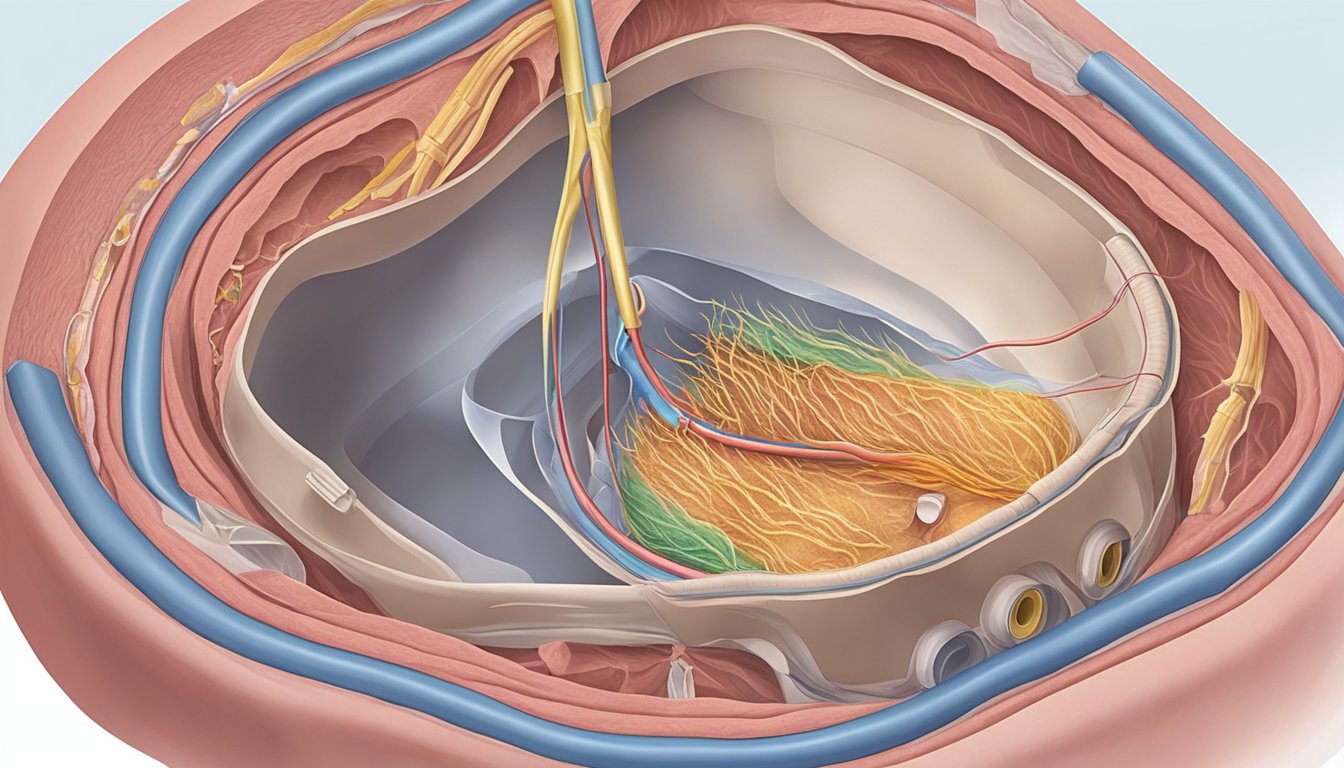
Plain old balloon angioplasty (POBA) is a technique used in cardiology to treat blockages in the coronary arteries. It was first introduced in the 1970s as an alternative to bypass surgery. POBA was a significant improvement over previous methods, which used rigid catheters that could cause damage to the artery walls.
POBA involves the use of a small balloon that is inserted into the artery and inflated to open up the blockage. The balloon is then deflated and removed. This technique has been used successfully to treat a wide range of coronary artery diseases.
Basic Technique and Procedure
POBA is a type of percutaneous coronary intervention (PCI) that is used to treat stenosis, which is a narrowing of the coronary arteries. The procedure is performed under local anaesthetic, and the patient is usually awake during the procedure.
During the procedure, a catheter is inserted into the artery and guided to the site of the blockage. A small balloon is then inserted through the catheter and inflated to open up the blockage. The balloon is then deflated and removed, leaving the artery open.
POBA is a safe and effective procedure that has been used successfully to treat coronary artery disease for many years. Clinical trials have shown that POBA is as effective as other PCI techniques, such as drug-eluting stents, in reducing the risk of restenosis.
It is important to note that POBA is not suitable for all patients, and the decision to use this technique should be made on a case-by-case basis. Patients with complex blockages or those who are at high risk of restenosis may require other PCI techniques.
Disclaimer: The information provided in this section is for educational purposes only and should not be used as a substitute for professional medical advice. It is important to consult a qualified healthcare provider before undergoing any medical procedure.
Advancements in Coronary Intervention

Coronary intervention has come a long way since the days of “plain old balloon angioplasty” (POBA). The development of stents has been a significant breakthrough in the treatment of coronary artery disease. Stent implantation has shown to improve clinical outcomes and quality of life for patients with CAD.
Development of Stents
Bare-metal stents were the first type of stents to be introduced. They were effective in reducing restenosis rates but were associated with an increased risk of thrombosis. The introduction of drug-eluting stents (DES) has been a significant advancement in coronary intervention. Sirolimus-eluting stents and paclitaxel-eluting stents have both been shown to reduce restenosis rates and improve clinical outcomes.
Drug-Eluting Technologies
Drug-eluting balloon (DEB) is a new technology that has been introduced in recent years. DEBs have shown to be effective in reducing restenosis rates and improving clinical outcomes. They are particularly useful in treating in-stent restenosis.
Another drug-eluting technology that has been introduced is the drug-coated balloon (DCB). DCBs have shown to be effective in treating de novo coronary artery lesions. They have also been shown to be effective in reducing restenosis rates and improving clinical outcomes.
It is important to note that while these advancements have shown significant improvements in the treatment of coronary artery disease, they are not without risks. Stent thrombosis and restenosis are still potential complications, and patients should be monitored closely after undergoing coronary intervention.
In conclusion, the development of stents and drug-eluting technologies has been a significant advancement in the treatment of coronary artery disease. These technologies have shown to improve clinical outcomes and quality of life for patients with CAD. However, it is important to weigh the benefits against the risks and to closely monitor patients after undergoing coronary intervention.
Clinical Outcomes and Complications

Efficacy and Restenosis
Plain old balloon angioplasty (POBA) is a widely used treatment for coronary artery disease, but its efficacy is limited by the high rate of restenosis. Restenosis is the re-narrowing of the artery after treatment, which is caused by neointimal hyperplasia, or the abnormal growth of cells within the vessel wall. Restenosis can lead to in-stent restenosis (ISR), which is the re-narrowing of the stent itself, and target lesion revascularization (TLR), which is the need for repeat intervention on the same lesion.
Several studies have shown that the use of drug-coated balloons (DCBs) can significantly reduce restenosis and improve efficacy compared to POBA. DCBs release an antiproliferative drug that inhibits neointimal hyperplasia, reducing the risk of restenosis. In a real-world, all-comers study published in Clinical Research in Cardiology, DCBs were found to have better clinical outcomes than POBA, with lower rates of TLR and major adverse cardiac events (MACE).
Adverse Events and Management
While DCBs have shown promise in reducing restenosis, they are not without risks. Stent thrombosis is a rare but serious complication that can occur after DCB treatment, particularly in patients who stop dual antiplatelet therapy (DAPT) prematurely. Late stent thrombosis (LST) is a particularly concerning form of stent thrombosis that can occur months or even years after treatment.
To mitigate the risk of stent thrombosis, it is recommended that patients receive DAPT for at least 6 months after DCB treatment. In addition, careful attention should be paid to patient selection, lesion preparation, and balloon sizing to minimize the risk of complications. Bleeding is another potential complication of DCB treatment, particularly in patients who are on anticoagulant therapy.
Overall, DCBs have shown promise in reducing restenosis and improving clinical outcomes in patients with coronary artery disease. However, careful patient selection and management are crucial to minimizing the risk of complications. As with any medical treatment, the benefits and risks of DCB treatment should be carefully weighed on a case-by-case basis.
Special Considerations in POBA

High-Risk Patient Populations
POBA for elderly patients and those with high bleeding risk requires special consideration. These patients are at a higher risk of complications during the procedure. The use of antiplatelet agents and anticoagulants in these patients should be carefully evaluated. In addition, the use of smaller sheath sizes and radial access can help reduce bleeding risk.
Small Vessel and Complex Lesions
POBA in small vessels and complex lesions can present a challenge due to the risk of complications such as dissection and thrombosis. In these cases, careful lesion preparation and the use of appropriate balloon sizes are critical for procedural success. The minimal luminal diameter should also be carefully evaluated to ensure adequate vessel patency.
In cases of acute coronary syndrome, POBA may not be the best option as it may not provide adequate vessel patency. In such cases, alternative treatment options such as drug-eluting stents or bypass surgery may be considered.
POBA may also be used in the treatment of arteriovenous fistula, but careful evaluation of the lesion and patient is necessary to ensure procedural success and avoid complications.
Overall, POBA can be an effective treatment option for de novo coronary artery lesions, but special consideration should be given to high-risk patient populations and small vessel and complex lesions. The use of appropriate balloon sizes, careful lesion preparation, and evaluation of minimal luminal diameter can help ensure procedural success and reduce the risk of complications.
Frequently Asked Questions

What are the indications for performing a plain old balloon angioplasty?
Plain old balloon angioplasty (POBA) is usually performed when a patient has a blockage in one or more of their coronary arteries. This blockage can cause chest pain, shortness of breath, and other symptoms. POBA is often recommended when medication and lifestyle changes are not effective in managing these symptoms.
How does plain old balloon angioplasty differ from stent placement?
Unlike stent placement, POBA involves using a balloon catheter to open up the blocked artery. The balloon is inflated to compress the plaque against the artery walls and widen the artery, allowing blood to flow more easily. In some cases, a stent may be placed after the balloon angioplasty to help keep the artery open.
What are the potential risks associated with a plain old balloon angioplasty procedure?
As with any medical procedure, there are risks associated with POBA. These can include bleeding, infection, damage to the artery, and heart attack. However, the risks associated with POBA are generally lower than those associated with more invasive procedures like coronary artery bypass surgery.
Can you explain the procedural steps involved in a plain old balloon angioplasty?
During a POBA procedure, a catheter is inserted into the blocked artery through a small incision in the groin or wrist. A balloon catheter is then threaded through the catheter to the site of the blockage. The balloon is inflated to compress the plaque against the artery walls and widen the artery. Once the artery is widened, the balloon is deflated and removed.
What are the success rates of plain old balloon angioplasty in treating coronary artery disease?
POBA has been shown to be an effective treatment for coronary artery disease, with success rates ranging from 70% to 90%. However, the success rate can vary depending on the severity of the blockage and other factors.
How does a plain old balloon angioplasty procedure to the left anterior descending artery compare to other coronary interventions?
POBA to the left anterior descending (LAD) artery is a common procedure and has been shown to be effective in treating LAD blockages. However, other coronary interventions like stent placement or coronary artery bypass surgery may be recommended in certain cases depending on the severity and location of the blockage. It is important to discuss all treatment options with a medical professional to determine the best course of action.