

Probiotics have been gaining popularity in recent years, with many people turning to these live bacteria and yeasts to help improve their gut health. However, a recent warning from cardiologists has raised concerns about the safety of probiotics for heart patients.
Understanding Probiotics and Cardiovascular Health is essential to appreciate the warning from cardiologists. Probiotics are live microorganisms that can benefit the host’s health when administered in adequate amounts. They are commonly found in fermented foods such as yoghurt, kefir, and kimchi. The gut microbiota plays an essential role in cardiovascular health, and probiotics can help maintain a healthy balance of gut bacteria.
Clinical Evidence and Research have demonstrated that probiotics may help reduce blood pressure, improve lipid profiles, and reduce inflammation, all of which can contribute to cardiovascular disease. However, the safety and efficacy of probiotics for heart patients are still under investigation. Some studies have suggested that probiotics could increase the risk of endocarditis, a rare but serious infection of the heart’s inner lining, in people with underlying heart conditions.
Key Takeaways
- Probiotics are live microorganisms that can benefit the host’s health when administered in adequate amounts.
- Clinical evidence suggests that probiotics may help reduce blood pressure, improve lipid profiles, and reduce inflammation, all of which can contribute to cardiovascular disease.
- The safety and efficacy of probiotics for heart patients are still under investigation, and cardiologists have issued a warning regarding their use.
Understanding Probiotics and Cardiovascular Health

Cardiovascular disease (CVD) is a leading cause of death globally. The gut microbiota has been linked to CVD, and research has shown that probiotics can have a positive impact on cardiovascular health.
The Role of Gut Microbiota in Heart Disease
The gut microbiota is a complex ecosystem of microorganisms that inhabit the human gut. The gut microbiota plays a crucial role in the development and maintenance of the immune system, digestion, and metabolism. Recent studies have shown that the gut microbiota also plays a role in the development of CVD.
Research has shown that changes in the gut microbiota can lead to inflammation and atherosclerosis, which are both risk factors for CVD. Inflammation is a key component in the development of CVD, and gut microbes have been shown to influence inflammation in the body. By modulating the gut microbiota, it is possible to reduce inflammation and improve cardiovascular health.
Mechanisms of Probiotic Action on Cardiovascular Health
Probiotics are live microorganisms that, when administered in adequate amounts, confer a health benefit to the host. Probiotics have been shown to have a positive impact on cardiovascular health by reducing inflammation and improving lipid profiles.
Probiotics can modulate the gut microbiota by increasing the number of beneficial bacteria and reducing the number of harmful bacteria in the gut. By doing so, probiotics can reduce inflammation and improve cardiovascular health.
Probiotics have also been shown to improve lipid profiles by reducing total cholesterol, low-density lipoprotein (LDL) cholesterol, and triglycerides. By doing so, probiotics can reduce the risk of atherosclerosis and improve cardiovascular health.
In conclusion, the gut microbiota plays a crucial role in cardiovascular health, and probiotics have been shown to have a positive impact on cardiovascular health by modulating the gut microbiota. By reducing inflammation and improving lipid profiles, probiotics can reduce the risk of CVD. However, more research is needed to fully understand the mechanisms of probiotic action on cardiovascular health. It is important to consult a healthcare professional before starting any probiotic regimen.
Clinical Evidence and Research

Meta-Analysis of Probiotic Supplements
A meta-analysis of randomized controlled trials (RCTs) was conducted to assess the effect of probiotic supplements on cardiovascular outcomes. The study concluded that probiotic supplements can lower the risk of cardiovascular disease, but whether it affects heart rate (HR) remains controversial. The study also revealed that probiotics consumption can lower total cholesterol, fasting glucose, HbA1C, and LDL-C. However, the study did not find any significant reduction in blood pressure.
Randomised Controlled Trials and Cardiovascular Outcomes
Several randomized controlled trials have been conducted to investigate the effect of probiotic supplements on cardiovascular outcomes. One study found that probiotics in yoghurt form demonstrated the most significant reductions in the cardiovascular risk factors of total cholesterol, fasting glucose, HbA1C, and LDL-C. Another study found that probiotic supplements can improve endothelial function, which is a key factor in the development of cardiovascular disease.
According to the World Health Organization (WHO), probiotics are defined as “live microorganisms which when administered in adequate amounts confer a health benefit on the host.” However, more research is needed to fully understand the mechanisms by which probiotics exert their cardioprotective effects.
It is important to note that dietary supplements, including probiotics, are not regulated in the same way as pharmaceuticals. Therefore, it is important to consult a healthcare professional before starting any new supplement regimen. Additionally, probiotics should not be used as a substitute for a healthy diet and lifestyle.
In conclusion, while there is some evidence to suggest that probiotic supplements may have a positive effect on cardiovascular health, more research is needed to fully understand their mechanisms of action and long-term effects. It is important to consult a healthcare professional before starting any new supplement regimen and to maintain a healthy diet and lifestyle.
Safety and Efficacy of Probiotics for Heart Patients
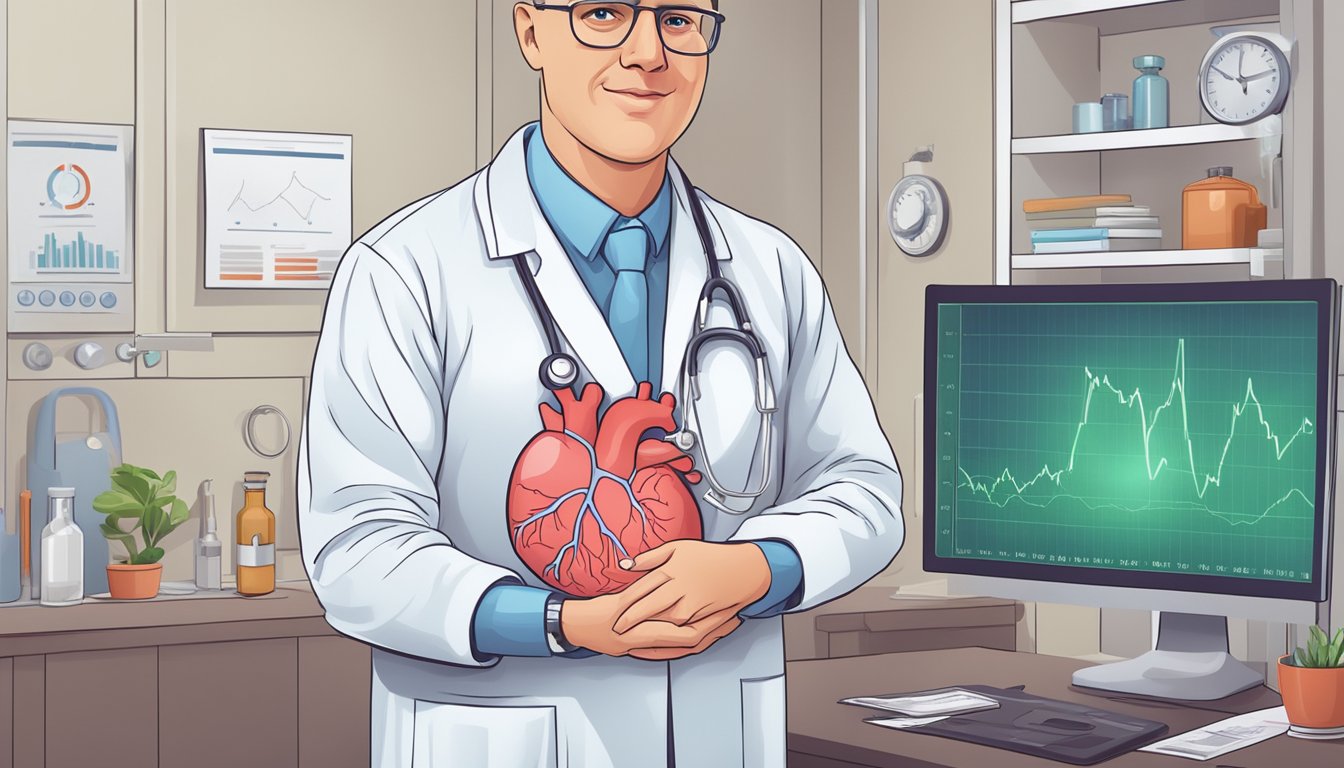
Probiotics are live microorganisms that are beneficial for human health when consumed in adequate amounts. Several studies have shown that probiotics can improve gut health, boost the immune system, and reduce inflammation. However, their safety and efficacy in managing hypertension and cholesterol in heart patients are still under investigation.
Probiotics in Managing Hypertension and Cholesterol
Hypertension and high cholesterol are major risk factors for cardiovascular disease. Some studies suggest that certain strains of probiotics can lower blood pressure and total cholesterol levels. Lactobacillus acidophilus, Lactobacillus plantarum, and Bifidobacterium lactis are some of the probiotic strains that have shown promising results in managing hypertension and cholesterol.
However, the results are not consistent across all studies, and more research is needed to establish the efficacy of probiotics in managing these conditions. It is also important to note that probiotics should not be considered as a substitute for medication prescribed by a doctor.
Potential Risks and Considerations
While probiotics are generally considered safe, there are some potential risks and considerations that heart patients should keep in mind. Probiotics can interact with certain medications, and it is important to consult a doctor before starting any probiotic supplement.
In rare cases, probiotics can cause infections in people with weakened immune systems, such as those undergoing chemotherapy or organ transplant recipients. Therefore, it is important to choose a reputable brand and follow the recommended dosage.
In conclusion, probiotics have the potential to be a safe and effective supplement for heart patients, but more research is needed to establish their efficacy in managing hypertension and cholesterol. Heart patients should consult their doctor before starting any probiotic supplement and should be aware of the potential risks and considerations.
Incorporating Probiotics into a Heart-Healthy Diet
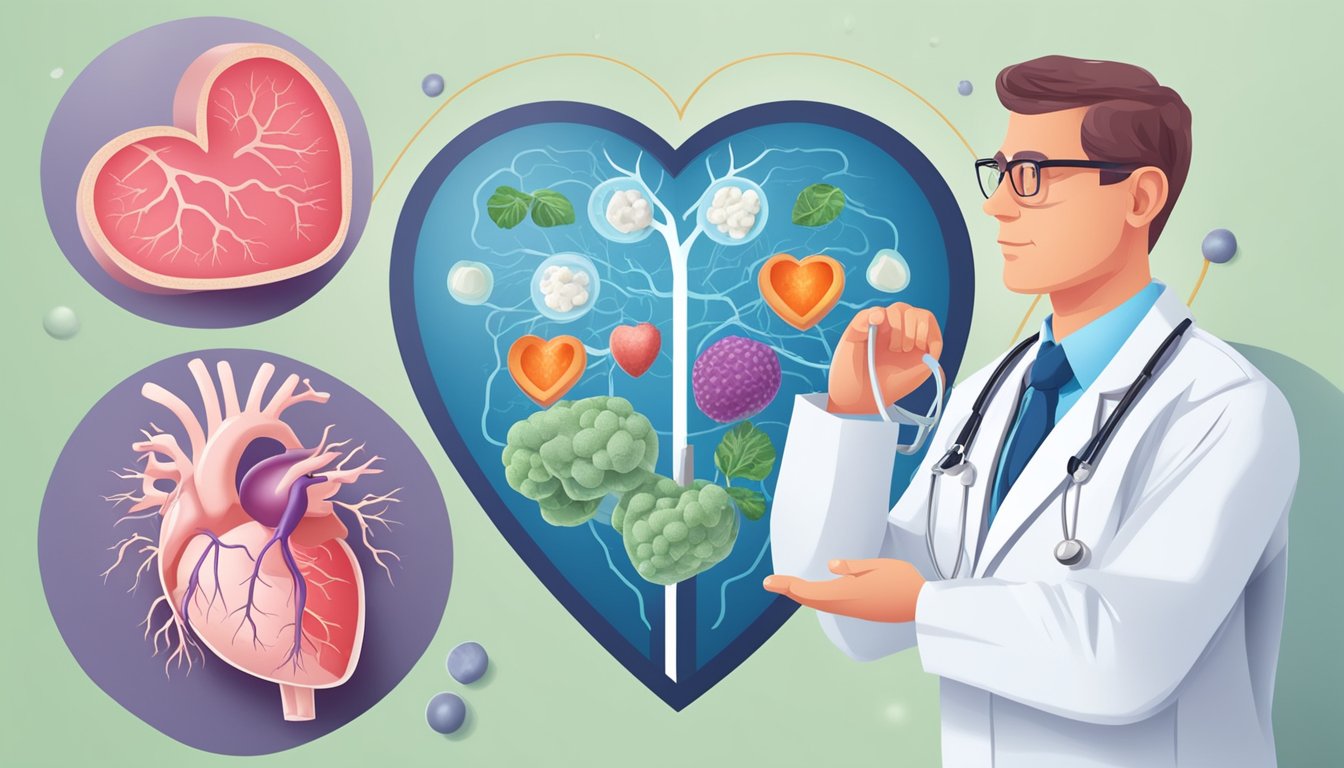
Probiotics are live microorganisms that provide health benefits when consumed in adequate amounts. They are commonly found in fermented foods and dietary supplements. Incorporating probiotics into a heart-healthy diet can be beneficial for cardiovascular health.
Prebiotics and Dietary Fibre
Prebiotics are non-digestible fibres that promote the growth of beneficial bacteria in the gut. They are found in many fruits, vegetables, and whole grains. Consuming a diet rich in prebiotics and dietary fibre can help to maintain a healthy gut microbiome, which in turn can reduce the risk of heart disease.
Recommended Probiotic Foods and Supplements
There are many foods and supplements that contain probiotics. Some of the most commonly recommended probiotic foods include yogurt, kefir, and fermented vegetables. It is important to choose products that contain live and active cultures, as not all products are created equal.
One of the most well-studied probiotic supplements is VSL#3, which contains a combination of eight different probiotic strains, including B. lactis. Studies have shown that VSL#3 can help to reduce inflammation and improve lipid profiles in people with heart disease.
While incorporating probiotics into a heart-healthy diet can be beneficial, it is important to note that they should not be used as a substitute for other heart-healthy lifestyle choices, such as regular exercise and a balanced diet. Additionally, individuals with certain medical conditions, such as immune system disorders, should consult with their healthcare provider before consuming probiotics or probiotic supplements.
Overall, incorporating probiotics into a heart-healthy diet can be a simple and effective way to support cardiovascular health.
Frequently Asked Questions

What are the potential risks of taking probiotics for individuals with cardiovascular conditions?
While probiotics are generally safe for most people, individuals with cardiovascular conditions should exercise caution when considering probiotic supplements. Some studies have suggested that probiotics may increase the risk of bacterial infections in individuals with weakened immune systems. Additionally, some probiotic strains may interact with medications used to treat cardiovascular conditions, leading to potentially dangerous side effects.
Can probiotics induce adverse effects such as gas and heart palpitations?
Yes, probiotics can induce adverse effects such as gas and heart palpitations. These side effects are usually mild and go away on their own after a few days. However, in some cases, probiotics may cause more serious side effects such as infections or allergic reactions. If you experience any unusual symptoms while taking probiotics, you should stop taking them and consult your doctor immediately.
What precautions should individuals with high blood pressure observe when considering probiotic supplements?
Individuals with high blood pressure should be cautious when considering probiotic supplements. Some probiotic strains may increase blood pressure, while others may lower it. Therefore, it is important to consult with a healthcare professional before taking any probiotic supplements if you have high blood pressure.
Are there specific probiotic strains that are recommended for supporting heart health?
Some probiotic strains have been shown to have beneficial effects on heart health. For example, Lactobacillus reuteri has been shown to reduce cholesterol levels and improve blood pressure. However, more research is needed to determine the specific probiotic strains that are most effective for supporting heart health.
Who are advised to avoid the consumption of probiotics?
Individuals with weakened immune systems, such as those undergoing chemotherapy or organ transplant recipients, should avoid consuming probiotics. Additionally, individuals with a history of allergic reactions to probiotics or any of their ingredients should also avoid them.
What are the recognised side effects associated with the use of probiotics?
The most common side effects associated with the use of probiotics include gas, bloating, and mild digestive discomfort. However, more serious side effects such as infections and allergic reactions are possible, especially in individuals with weakened immune systems. It is important to consult with a healthcare professional before taking any probiotic supplements.