

Thyrotoxicosis is a condition that results from an overactive thyroid gland, leading to an excessive production of thyroid hormones. This condition can cause several complications, including heart failure, which is a critical condition that requires immediate medical attention. Heart failure is a condition that occurs when the heart is unable to pump enough blood to meet the body’s needs. The pathophysiology of thyrotoxicosis in heart failure is complex, involving several mechanisms that contribute to the development of this condition.
The cardiovascular system is the most commonly affected by thyrotoxicosis, leading to a hyperdynamic circulatory state. This condition can cause high-output heart failure, which is characterized by an increased cardiac output that exceeds the body’s demands. However, some cases of low-output heart failure have been reported, especially in patients with co-existing dilated cardiomyopathy. The clinical manifestations of heart failure in thyrotoxicosis can be severe, including dyspnea, fatigue, edema, and palpitations.
Key Takeaways
- Thyrotoxicosis is a condition that results from an overactive thyroid gland, leading to an excessive production of thyroid hormones.
- The pathophysiology of thyrotoxicosis in heart failure is complex, involving several mechanisms that contribute to the development of this condition.
- The clinical manifestations of heart failure in thyrotoxicosis can be severe, including dyspnea, fatigue, edema, and palpitations.
Pathophysiology of Thyrotoxicosis in Heart Failure
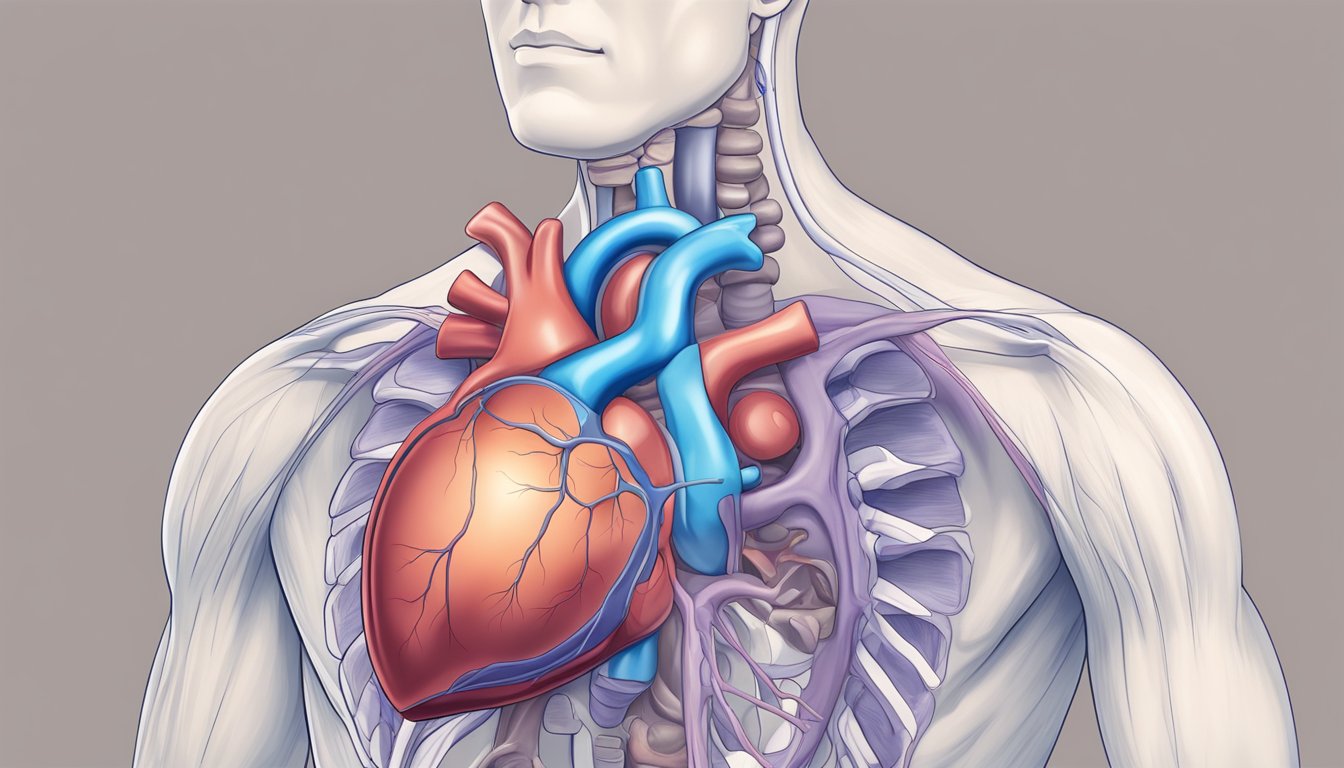
Thyrotoxicosis is a condition characterized by elevated levels of thyroid hormones, including tri-iodothyronine (T3) and thyroxine (T4). This condition can have a significant impact on cardiovascular health, including the development of heart failure. The following subsections will discuss the pathophysiology of thyrotoxicosis in heart failure.
Thyroid Hormone and Cardiac Function
Thyroid hormones play a critical role in cardiac function. These hormones increase the expression of genes involved in cardiac hypertrophy and contractility, leading to an increase in cardiac output. The effects of thyroid hormones on cardiac function are mediated through both genomic and non-genomic mechanisms.
Effects on Cardiac Output and Systemic Vascular Resistance
Thyrotoxicosis leads to an increase in cardiac output and a decrease in systemic vascular resistance. The increased cardiac output is due to an increase in heart rate and stroke volume. The decrease in systemic vascular resistance is caused by the vasodilatory effects of thyroid hormones. These effects can lead to the development of high-output heart failure.
Thyrotoxic Cardiomyopathy
Thyrotoxicosis can cause a specific type of cardiomyopathy known as thyrotoxic cardiomyopathy. This condition is characterized by the impairment of left ventricular function, including diastolic function, ejection fraction, and relaxation. The exact mechanism of thyrotoxic cardiomyopathy is not fully understood, but it is thought to be caused by the direct cellular action of thyroid hormones on the heart.
In conclusion, thyrotoxicosis can have a significant impact on cardiac function and can lead to the development of heart failure. The pathophysiology of thyrotoxicosis in heart failure is complex and involves the effects of thyroid hormones on cardiac output, systemic vascular resistance, and the development of thyrotoxic cardiomyopathy. It is essential to diagnose and treat thyrotoxicosis promptly to prevent the development of heart failure.
Clinical Manifestations and Complications
Thyrotoxicosis is a condition in which there is an excess of thyroid hormones in the body. This hormonal imbalance can lead to a range of clinical manifestations and complications, including cardiovascular disease and heart failure.
Arrhythmias and Atrial Fibrillation
One of the most common complications of thyrotoxicosis is the development of arrhythmias, particularly atrial fibrillation. This is due to the effects of thyroid hormones on the heart’s electrical system, which can cause the heart to beat too quickly and irregularly. Patients with atrial fibrillation may experience palpitations, shortness of breath, and fatigue.
Congestive Heart Failure and Pulmonary Hypertension
Thyrotoxicosis can also lead to the development of congestive heart failure and pulmonary hypertension. These conditions are caused by the increased workload placed on the heart as a result of the increased metabolic rate associated with thyrotoxicosis. Patients with congestive heart failure may experience symptoms such as shortness of breath, fatigue, and lower extremity swelling. Pulmonary hypertension can lead to shortness of breath and right-sided heart failure.
Cardiovascular Disease and Thyroid Dysfunction
Thyroid dysfunction, including both hyperthyroidism and hypothyroidism, has been shown to be a common cause of cardiovascular disease. Patients with thyroid dysfunction are at increased risk for developing a range of cardiovascular complications, including stroke, myocardial infarction, and heart failure.
It is important to note that the cardiovascular manifestations of thyrotoxicosis are reversible with appropriate treatment. However, if left untreated, these complications can lead to significant morbidity and mortality.
In summary, thyrotoxicosis can lead to a range of cardiovascular complications, including arrhythmias, congestive heart failure, and pulmonary hypertension. Patients with thyroid dysfunction are at increased risk for developing cardiovascular disease, and appropriate treatment is crucial to prevent long-term complications.
Diagnosis and Treatment
Diagnostic Imaging and Laboratory Tests
To diagnose thyrotoxicosis-induced heart failure, a combination of diagnostic imaging and laboratory tests is required. Imaging tests such as echocardiography and cardiac MRI can help identify structural abnormalities in the heart, including changes in pulse pressure and myosin heavy chain expression. Laboratory tests can help measure thyroid hormone levels, including free thyroxine (FT4) and free triiodothyronine (FT3), as well as thyroid-stimulating hormone (TSH) and thyroid peroxidase (TPO) antibodies to determine the underlying cause of thyrotoxicosis, such as Graves’ disease or multinodular goiter.
Pharmacological Management
Pharmacological management of thyrotoxicosis-induced heart failure involves the use of beta-blockers such as esmolol to control heart rate and blood pressure. Beta-blockers can also help improve myocardial contractility and reduce the risk of arrhythmias. Methimazole is another pharmacological agent that can be used to inhibit the synthesis of thyroid hormone and reduce the severity of thyrotoxicosis.
Surgical Interventions
In some cases, surgical interventions may be necessary to treat thyrotoxicosis-induced heart failure. Radioactive iodine therapy can be used to destroy the thyroid gland and reduce the production of thyroid hormone. This may be a more permanent solution for patients with Graves’ disease or multinodular goiter. Surgical removal of the thyroid gland, known as thyroidectomy, may also be necessary in some cases.
It is important to note that the treatment of thyrotoxicosis-induced heart failure should be individualized based on the underlying cause, severity of symptoms, and patient’s overall health. Patients with severe symptoms may require hospitalization and intensive care. It is also important to monitor patients closely for potential complications, such as worsening heart failure or arrhythmias.
Disclaimer: The information provided in this section is for educational purposes only and should not be used as a substitute for medical advice. Patients should always consult with their healthcare provider before starting any new treatment or medication.
Frequently Asked Questions
What are the cardiac manifestations of thyrotoxicosis?
Thyrotoxicosis is associated with a range of cardiac manifestations. These include an increase in heart rate and cardiac output, as well as an increase in blood pressure. Thyrotoxicosis can also lead to the development of atrial fibrillation, ventricular arrhythmias, and heart failure.
In what ways can thyrotoxicosis precipitate cardiac failure?
Thyrotoxicosis can precipitate cardiac failure in a number of ways. The most common mechanism is through the development of high-output heart failure, which is characterised by an increase in cardiac output and a decrease in systemic vascular resistance. This can lead to the development of left ventricular dysfunction and heart failure. In addition, thyrotoxicosis can also precipitate cardiac failure through the development of thyrotoxic cardiomyopathy, which is characterised by the development of dilated cardiomyopathy in the absence of other underlying causes.
What is the pathophysiology behind high-output heart failure in hyperthyroid patients?
High-output heart failure in hyperthyroid patients is primarily caused by an increase in cardiac output and a decrease in systemic vascular resistance. This is due to an increase in the metabolic rate and oxygen consumption associated with hyperthyroidism. The increased metabolic demand leads to an increase in cardiac output, which can eventually lead to left ventricular dysfunction and heart failure.
How do symptoms of thyrotoxic cardiomyopathy present?
Symptoms of thyrotoxic cardiomyopathy can be variable and may include dyspnoea on exertion, fatigue, palpitations, and chest pain. Patients may also present with signs of heart failure, including peripheral oedema, hepatomegaly, and jugular venous distension.
What diagnostic criteria are utilised to confirm heart disease secondary to thyrotoxicosis?
The diagnosis of heart disease secondary to thyrotoxicosis is typically made through a combination of clinical assessment, electrocardiography, and echocardiography. In addition, laboratory tests may be used to assess thyroid function and rule out other causes of heart disease.
What are the potential complications associated with untreated thyrotoxic heart disease?
Untreated thyrotoxic heart disease can lead to a range of complications, including the development of severe heart failure, atrial fibrillation, and embolic events. In addition, untreated thyrotoxic heart disease can also lead to the development of thyrotoxic crisis, which is a life-threatening medical emergency. It is important to seek medical attention if you suspect that you may have thyrotoxic heart disease.
Disclaimer: This article is for informational purposes only and is not intended to be a substitute for professional medical advice, diagnosis, or treatment. Always seek the advice of your physician or other qualified healthcare provider with any questions you may have regarding a medical condition.