

A low heart rate, also known as bradycardia, is a condition where the heart beats fewer than 60 times per minute. While a low resting heart rate may be an indication of good cardiovascular fitness in some individuals, it can also be a sign of an underlying health condition. Understanding the meaning of low heart rate, its causes, symptoms, and complications, as well as the diagnosis and treatment options available, can help individuals take proactive steps to manage their health.
Bradycardia can be caused by a variety of factors, including age, medication use, underlying heart disease, and lifestyle choices. It can also be a result of certain medical conditions, such as hypothyroidism or sleep apnea. Individuals with bradycardia may experience symptoms such as fatigue, dizziness, and shortness of breath, and may be at an increased risk of developing other health complications such as heart failure.
It is important to seek medical attention if you suspect you have a low heart rate, as it can be a sign of a serious underlying health condition. A healthcare provider can perform diagnostic tests to determine the cause of the low heart rate and recommend appropriate treatment options. By understanding the meaning of low heart rate and taking proactive steps to manage it, individuals can help maintain their overall health and wellbeing.
Key Takeaways
- A low heart rate, or bradycardia, is a condition where the heart beats fewer than 60 times per minute.
- Bradycardia can be caused by a variety of factors, including age, medication use, underlying heart disease, and lifestyle choices.
- Seeking medical attention and working with a healthcare provider to determine the cause of the low heart rate and appropriate treatment options is essential for maintaining overall health and wellbeing.
Understanding Low Heart Rate
Defining Bradycardia
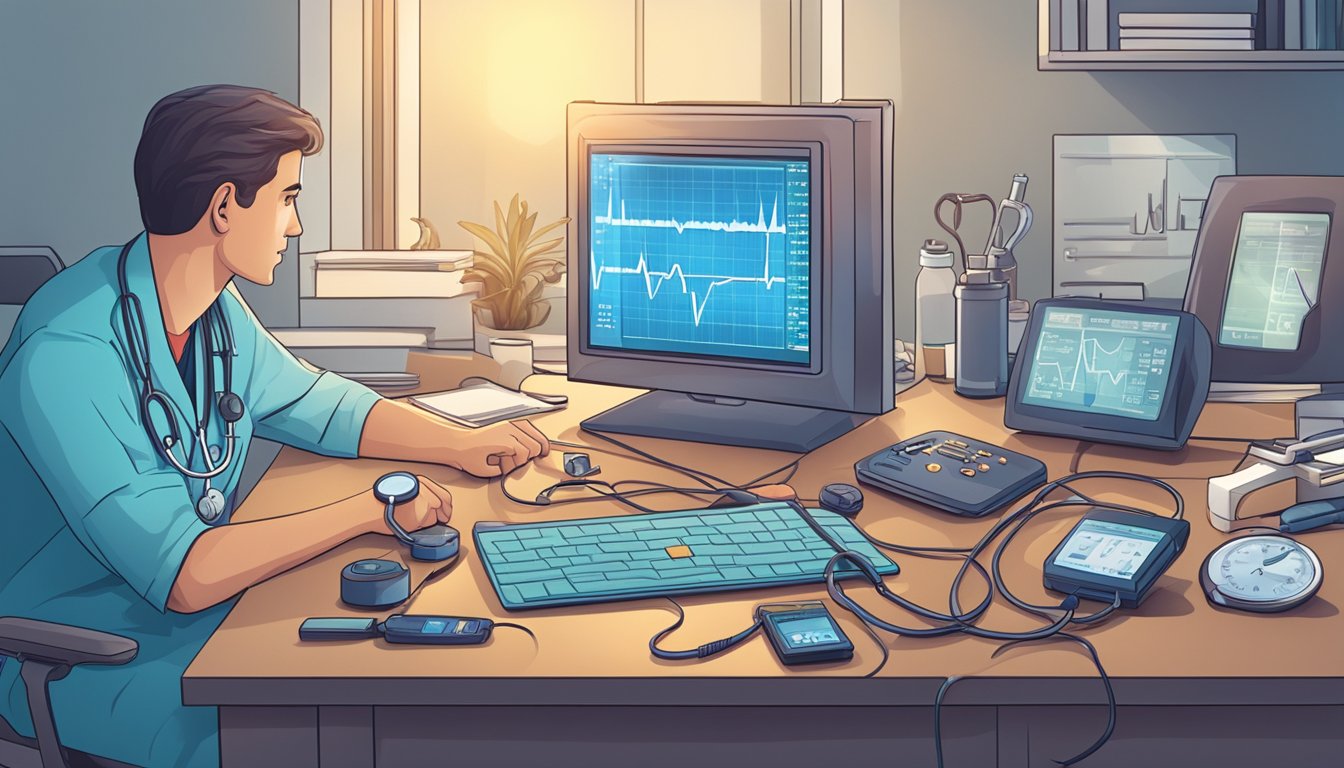
Bradycardia refers to a condition where the heart beats at a slower rate than normal. The normal heart rate for an adult at rest ranges from 60 to 100 beats per minute. When the heart rate falls below 60 beats per minute, it is considered to be a low heart rate or bradycardia.
Normal Heart Rate Ranges
The heart rate is the number of times the heart beats per minute. The heart is a muscle that pumps blood throughout the body. The heart rate can vary depending on factors such as age, physical activity, and overall health. For adults, the normal heart rate ranges from 60 to 100 beats per minute. However, athletes and individuals who exercise regularly may have a lower resting heart rate.
Physiological Versus Pathological Bradycardia
There are two types of bradycardia: physiological and pathological. Physiological bradycardia is a normal response to physical activity, such as during sleep or relaxation. Pathological bradycardia, on the other hand, is a result of an underlying medical condition or medication. Pathological bradycardia can be caused by conditions such as heart disease, hypothyroidism, electrolyte imbalances, and certain medications.
The heart’s natural pacemaker, known as the sinoatrial (SA) node, is responsible for regulating the heart rate. The SA node is located in the right atrium of the heart and sends electrical signals to the atria and ventricles, causing them to contract and pump blood. When the SA node is functioning properly, the heart beats at a regular rate. However, if the SA node is damaged or malfunctioning, it can cause bradycardia.
It is important to note that not all cases of bradycardia require treatment. In some cases, bradycardia may be a sign of good cardiovascular fitness. However, if bradycardia is accompanied by symptoms such as dizziness, fainting, or shortness of breath, it is important to seek medical attention. A healthcare professional can perform tests to determine the underlying cause of the bradycardia and recommend appropriate treatment.
Disclaimer: The information provided is for educational purposes only and should not be used as a substitute for professional medical advice. Always consult a healthcare professional if you have any concerns about your health.
Causes and Risk Factors
Low heart rate, or bradycardia, can be caused by a variety of factors, including medical conditions, lifestyle influences, and medications or substances.
Medical Conditions
Several medical conditions can lead to a low heart rate. These include:
- Heart conditions: heart block, heart attack, and other heart-related issues can cause a slow heart rate.
- Hypothyroidism: an underactive thyroid gland can lead to a decreased heart rate.
- Sleep apnea: this condition causes breathing to stop and start during sleep, which can lead to a slow heart rate.
- Infection: certain infections can cause inflammation of the heart muscle, which can result in a low heart rate.
Lifestyle Influences
Certain lifestyle factors can also contribute to a low heart rate. These include:
- Age: as people age, their heart rate tends to slow down naturally.
- Smoking: smoking can lead to a decreased heart rate and other heart-related issues.
- High blood pressure: high blood pressure can cause the heart to work harder, which can result in a slower heart rate.
Medications and Substances
Certain medications and substances can also cause a low heart rate. These include:
- Beta-blockers: these medications are commonly used to treat high blood pressure and other heart-related conditions. They work by slowing down the heart rate.
- Calcium channel blockers: these medications are also used to treat high blood pressure and other heart-related conditions. They work by relaxing the blood vessels and slowing down the heart rate.
- Other medications: certain medications used to treat other conditions, such as depression or anxiety, can also cause a low heart rate.
- Illegal drugs: certain illegal drugs, such as cocaine, can cause a low heart rate.
It’s important to note that having a low heart rate doesn’t always indicate a problem. However, if you’re experiencing symptoms such as dizziness, fatigue, or fainting, it’s important to speak with your doctor. Your doctor can help determine the cause of your low heart rate and recommend appropriate treatment options.
Disclaimer: The information provided in this article is for educational purposes only and should not be used as a substitute for professional medical advice.
Symptoms and Complications
Recognising Symptoms of Bradycardia
Bradycardia, or a low heart rate, can be a sign of an underlying medical condition. Some people may not experience any symptoms, while others may experience a range of symptoms. The symptoms of bradycardia can be mild or severe and may include:
- Dizziness
- Shortness of breath
- Fainting
- Lightheadedness
- Chest pain
- Confusion
- Fatigue
- Palpitations
- Syncope
- Memory problems
- Heart palpitations
If you experience any of these symptoms, it is important to speak to a healthcare professional. They can conduct a physical examination and run tests to determine the cause of your symptoms.
Potential Complications
If left untreated, bradycardia can lead to a range of complications. These can include:
- Cardiac arrest: a sudden loss of heart function
- Syncope: a temporary loss of consciousness
- Heart failure: a condition where the heart is unable to pump enough blood around the body
- Stroke: a serious medical condition that occurs when blood flow to the brain is disrupted
It is important to seek medical attention if you experience any symptoms of bradycardia. Early diagnosis and treatment can help prevent complications and improve your overall health and wellbeing.
Disclaimer: The information provided in this article is for educational purposes only and should not be used as a substitute for professional medical advice. Always consult a healthcare professional if you have any concerns about your health.
Diagnosis and Treatment

Diagnostic Procedures
When a low heart rate is suspected, a physical exam is usually the first step in diagnosis. During the exam, a doctor may listen to the heart with a stethoscope to check for any irregularities in the heart rate. They may also ask about the patient’s medical history and any symptoms they are experiencing.
In addition to a physical exam, an electrocardiogram (ECG or EKG) may be used to diagnose a low heart rate. This test measures the electrical activity of the heart and can detect any abnormalities in the heart’s rhythm. A Holter monitor, which is a portable device that records the heart’s activity over a 24-hour period, may also be used to monitor the heart’s activity.
Treatment Options
The treatment for a low heart rate depends on the underlying cause of the condition. In some cases, no treatment may be necessary if the low heart rate is not causing any symptoms or complications. However, if the low heart rate is causing symptoms such as dizziness, fainting, or shortness of breath, treatment may be necessary.
One treatment option for a low heart rate is the use of medications. Medications such as atropine or epinephrine may be used to increase the heart rate and improve blood flow. In some cases, a pacemaker may be necessary to regulate the heart rate and ensure that the heart is pumping enough blood to the body.
In addition to medications and pacemakers, lifestyle changes may also be recommended for those with a low heart rate. Regular exercise can help improve heart function and increase the heart rate. However, it is important to consult with a cardiologist before starting any exercise program.
In conclusion, a low heart rate can be diagnosed through a physical exam and diagnostic procedures such as an electrocardiogram. Treatment options include medications, pacemakers, and lifestyle changes such as exercise. It is important to consult with a medical professional to determine the best course of treatment for an individual’s specific condition.
Frequently Asked Questions

When should one be concerned about a low pulse rate?
A low pulse rate, also known as bradycardia, can be a sign of an underlying health condition. However, not all cases of bradycardia require medical intervention. If a person experiences symptoms such as dizziness, fainting, shortness of breath, or chest pain, they should seek medical attention immediately. Additionally, if a person’s heart rate drops below 50 beats per minute, they should notify their doctor.
What constitutes a dangerously low pulse rate?
A dangerously low pulse rate is typically considered to be below 40 beats per minute. This can lead to inadequate blood flow and oxygen delivery to the body’s vital organs, which can be life-threatening. If a person experiences symptoms such as confusion, fainting, or chest pain, they should seek medical attention immediately.
What are the potential causes of a reduced heart rate?
There are several potential causes of a reduced heart rate, including medication side effects, heart disease, electrolyte imbalances, and thyroid disorders. In some cases, a low pulse rate may be a normal variation for an individual, especially in athletes or individuals with a high level of physical fitness.
What implications does a low heart rate have for one’s health?
A low heart rate can be a sign of an underlying health condition, and it can also lead to complications such as fainting, dizziness, and fatigue. If left untreated, a low pulse rate can lead to more serious complications such as heart failure or cardiac arrest.
How might one safely elevate their pulse rate?
If a person’s pulse rate is low and they are experiencing symptoms such as dizziness or fatigue, they should seek medical attention immediately. In some cases, lifestyle changes such as increasing physical activity or reducing stress may help to elevate the pulse rate. In other cases, medication or other medical interventions may be necessary.
What are the symptoms associated with a low heart rate?
The symptoms associated with a low heart rate can vary depending on the individual and the underlying cause of the condition. Common symptoms include fatigue, dizziness, fainting, shortness of breath, and chest pain. If a person experiences any of these symptoms, they should seek medical attention immediately.