

Blood flow is a crucial aspect of heart health. The heart pumps oxygen-rich blood to the body through a network of blood vessels. If blood flow is obstructed, it can cause a host of health problems, including heart attack and stroke. Therefore, it is essential to maintain healthy blood flow to the heart.
One way to improve blood flow is through lifestyle changes. Regular exercise, a balanced diet, and maintaining a healthy weight can help improve circulation. Additionally, avoiding smoking and limiting alcohol consumption can also help improve blood flow. Medical interventions and therapies, such as medications, surgeries, and other procedures, may also be necessary in some cases.
Key Takeaways
- Maintaining healthy blood flow is crucial for heart health.
- Lifestyle changes, such as exercise and a balanced diet, can help improve circulation.
- Medical interventions and therapies may be necessary in some cases.
Understanding Blood Flow and Circulation
Components of the Circulatory System
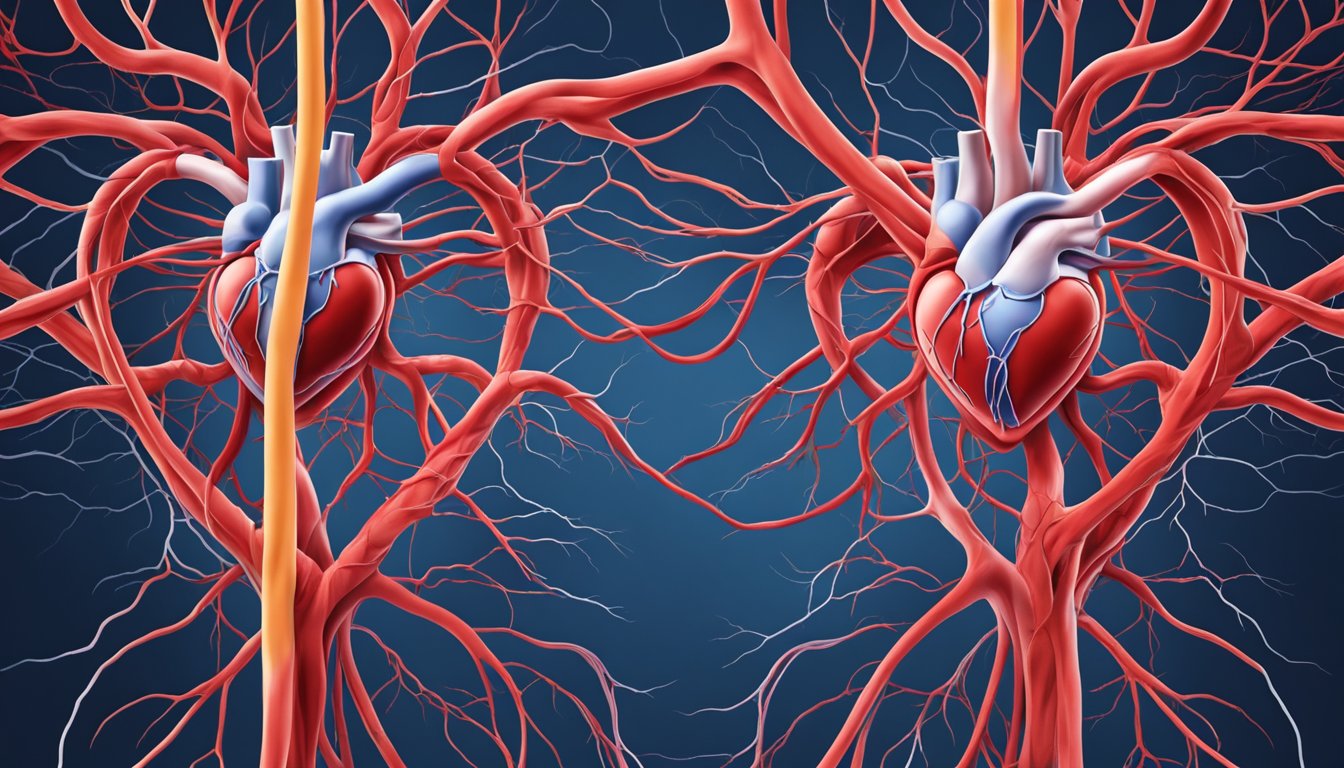
The circulatory system is made up of arteries, veins, and capillaries, which work together to transport blood throughout the body. Arteries carry oxygen-rich blood away from the heart and to the body’s tissues. Veins, on the other hand, carry oxygen-poor blood back to the heart and lungs to be re-oxygenated. Capillaries are tiny blood vessels that connect arteries and veins, allowing for the exchange of nutrients, oxygen, and waste products between the blood and body tissues.
Common Causes of Poor Circulation
Poor circulation can have a number of causes, including high blood pressure, atherosclerosis, and peripheral artery disease. High blood pressure can damage the walls of arteries, making them less flexible and more prone to blockages. Atherosclerosis is a condition in which fatty deposits build up on the walls of arteries, narrowing the passageway for blood flow. Peripheral artery disease occurs when the arteries that supply blood to the legs and feet become narrowed or blocked, leading to reduced blood flow to these areas.
Impact of Blood Flow on Heart Health
Healthy blood flow is essential for maintaining heart health. When blood flow to the heart is reduced, it can lead to a variety of problems, including chest pain (angina), heart attack, and heart failure. In order to maintain healthy blood flow to the heart, it is important to adopt a healthy lifestyle, including regular exercise, a balanced diet, and avoiding smoking and excessive alcohol consumption.
It is important to note that poor circulation can be a symptom of an underlying medical condition, and anyone experiencing symptoms such as cold hands and feet, numbness or tingling, or swelling in the legs should consult a healthcare professional for further evaluation.
Disclaimer: The information provided in this article is for educational purposes only and is not intended to replace medical advice. Always consult a healthcare professional if you have any concerns about your health.
Lifestyle Changes to Improve Circulation

Improving circulation is vital for maintaining a healthy heart. Making lifestyle changes is one of the most effective ways to improve blood flow to the heart. Here are some of the lifestyle changes that can help improve circulation:
Exercise and Physical Activity
Regular exercise and physical activity can help improve blood flow to the heart. Exercise helps to lower blood pressure, reduce the risk of heart disease, and improve overall cardiovascular health. It is recommended that adults engage in at least 150 minutes of moderate-intensity exercise per week. Examples of moderate-intensity exercise include brisk walking, cycling, and swimming.
Dietary Adjustments
Dietary adjustments can also help improve circulation. Consuming foods that are high in omega-3 fatty acids, such as oily fish, can help reduce inflammation and improve blood flow. On the other hand, consuming foods that are high in saturated fats, such as processed foods, can increase the risk of heart disease and reduce blood flow. Following a Mediterranean diet, which is rich in fruits, vegetables, whole grains, and healthy fats, can also help improve circulation.
Weight Management
Maintaining a healthy weight is important for improving circulation. Obesity can increase the risk of heart disease and reduce blood flow. Losing weight through a combination of a healthy diet and regular exercise can help improve circulation.
Smoking Cessation
Smoking is a major risk factor for heart disease and can reduce blood flow to the heart. Quitting smoking can help improve circulation and reduce the risk of heart disease. It is never too late to quit smoking, and there are many resources available to help individuals quit.
It is important to note that lifestyle changes alone may not be enough to improve circulation in some cases. It is important to consult a medical professional for personalized advice and treatment options.
Medical Interventions and Therapies
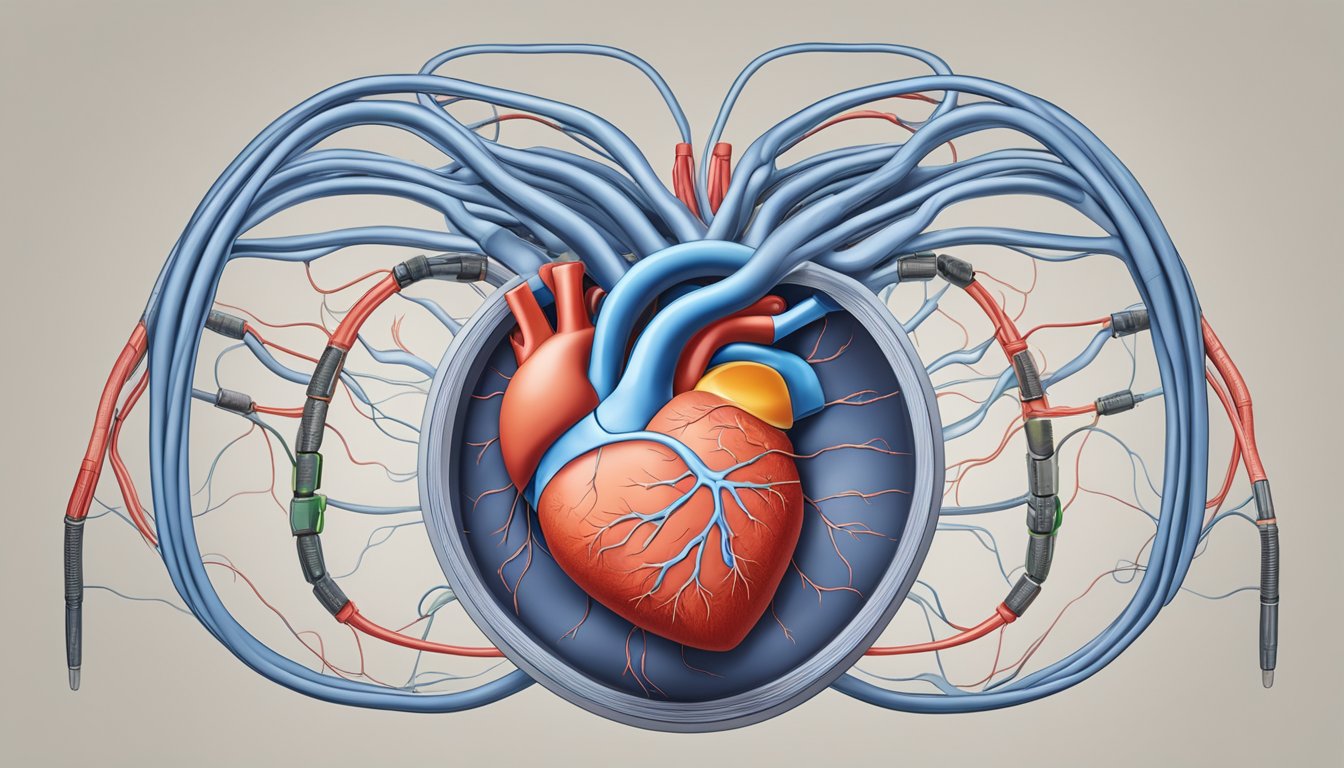
There are several medical interventions and therapies that can help increase blood flow to the heart. These interventions can be categorised into three main categories: Medications and Supplements, Surgical Procedures, and Alternative Therapies.
Medications and Supplements
Medications and supplements can help improve blood flow to the heart by dilating blood vessels, reducing inflammation and thinning the blood. Nitric oxide is a gas that can help dilate blood vessels and improve blood flow. Nitric oxide supplements are available over the counter, but it is important to consult a doctor before taking them.
Blood thinners such as aspirin and clopidogrel can help reduce the risk of blood clots and improve blood flow. Antioxidants such as vitamin C and vitamin E can help reduce inflammation and promote healthy blood vessels. Nitrates, such as nitroglycerin, can also help dilate blood vessels and improve blood flow.
Surgical Procedures
Surgical procedures can help improve blood flow to the heart by removing blockages and widening narrowed arteries. Angioplasty is a common surgical procedure that involves inserting a catheter into the blocked artery and inflating a balloon to widen the artery. A stent may also be placed in the artery to help keep it open.
Coronary artery bypass surgery is another surgical procedure that involves bypassing the blocked artery with a healthy blood vessel from another part of the body. This procedure is usually reserved for more severe cases of blocked arteries.
Alternative Therapies
Alternative therapies such as acupuncture and massage therapy can help improve blood flow to the heart by reducing stress and promoting relaxation. Compression socks can also help improve blood flow by compressing the legs and promoting blood flow back to the heart.
It is important to note that alternative therapies should not be used as a substitute for medical treatment. It is always important to consult with a doctor before trying any new therapies or supplements.
Disclaimer: The information provided in this article is for educational purposes only and should not be used as a substitute for medical advice. Always consult a doctor before trying any new therapies or supplements.
Monitoring and Managing Heart Health

Regular Health Check-Ups
Monitoring heart health is crucial to maintaining optimal blood flow to the heart. Regular check-ups with a healthcare provider can help identify any potential issues before they become serious problems. During these check-ups, the healthcare provider may check blood pressure, blood sugars, and cholesterol levels. They may also perform an electrocardiogram (ECG) to check the heart’s electrical activity.
Understanding Symptoms and Risks
It is essential to understand the symptoms and risks associated with heart disease. Symptoms such as chest pain, shortness of breath, and fatigue can indicate heart problems. Knowing the risk factors for heart disease, such as high blood pressure, high cholesterol, and diabetes, can help individuals take steps to manage their health.
Emergency Situations
In the event of an emergency, such as a heart attack or stroke, it is essential to act quickly. Recognising the symptoms of a heart attack or stroke and seeking medical attention immediately can help minimise damage to the heart and brain. Some common symptoms of a heart attack include chest pain, shortness of breath, and pain in the arms, neck, or jaw. Symptoms of a stroke may include sudden weakness or numbness on one side of the body, difficulty speaking or understanding speech, and severe headache.
It is important to note that stress levels can also impact heart health. Managing stress through techniques such as meditation, yoga, or exercise can help reduce the risk of heart disease. In cases of heart failure, amputation may be necessary, but this is a last resort and not a common treatment option.
Overall, monitoring and managing heart health is crucial to maintaining optimal blood flow to the heart. Regular check-ups, understanding symptoms and risks, and being prepared for emergency situations can help individuals take control of their heart health and reduce the risk of heart disease. It is important to consult a healthcare provider for personalised advice and treatment options.
Frequently Asked Questions

What methods can swiftly enhance circulatory health?
There are several methods that can swiftly enhance circulatory health. Exercise is one of the most effective ways to improve blood flow to the heart. Simple exercises such as walking, swimming, and cycling can help to improve circulation. Additionally, stretching and yoga can also be beneficial for improving blood flow.
Which exercises are known to bolster cardiac blood flow?
Aerobic exercises are known to bolster cardiac blood flow. These exercises include running, cycling, and swimming. Resistance training can also be beneficial for improving blood flow to the heart. However, it is important to consult a doctor before starting any exercise program, especially if you have a pre-existing medical condition.
What natural remedies contribute to improved circulation?
Several natural remedies can contribute to improved circulation. These include garlic, onions, beets, berries, citrus fruits, and leafy greens. Additionally, supplements such as magnesium, omega-3 fatty acids, and vitamin D can also be beneficial for improving circulation. However, it is important to consult a doctor before taking any supplements.
Which dietary choices can augment blood supply to the heart?
Dietary choices that can augment blood supply to the heart include foods that are high in fiber, such as whole grains, fruits, and vegetables. Additionally, foods that are high in omega-3 fatty acids, such as salmon and other fatty fish, can also be beneficial for improving blood flow to the heart. It is important to maintain a healthy diet and limit the intake of saturated and trans fats.
What are the common causes of reduced cardiac circulation?
The most common cause of reduced cardiac circulation is coronary artery disease (CAD). This occurs when the arteries that supply blood to the heart become narrowed or blocked. Other conditions that can cause reduced cardiac circulation include high blood pressure, diabetes, and smoking.
Are there specific vitamins that aid in leg circulation?
Vitamins such as vitamin C and vitamin E can aid in leg circulation. Additionally, supplements such as ginkgo biloba and horse chestnut can also be beneficial for improving circulation in the legs. However, it is important to consult a doctor before taking any supplements.