

Congestive heart failure (CHF) and heart attack are two of the most common heart conditions that affect people worldwide. Although they may share some similarities, they are distinct conditions that require different treatments and management strategies. Understanding the differences between these two conditions is crucial for effective diagnosis, treatment, and prevention.
Congestive heart failure is a chronic condition that occurs when the heart is unable to pump enough blood to meet the body’s needs. It is a progressive condition that can affect people of all ages, but it is more common in older individuals and those with a history of heart disease. On the other hand, a heart attack occurs when the blood flow to a part of the heart is blocked, causing damage to the heart muscle. While both conditions can be life-threatening, they require different treatment approaches.
In this article, we will explore the differences between congestive heart failure and heart attack, including their symptoms, causes, treatments, and prevention strategies. We will also discuss some frequently asked questions about these conditions to help readers understand them better. By the end of this article, readers will have a better understanding of these two conditions and how to manage them effectively.
Key Takeaways
- Congestive heart failure and heart attack are two distinct heart conditions that require different treatments and management strategies.
- Congestive heart failure is a chronic condition that occurs when the heart is unable to pump enough blood to meet the body’s needs, while a heart attack occurs when the blood flow to a part of the heart is blocked.
- Understanding the differences between these two conditions is crucial for effective diagnosis, treatment, and prevention.
Understanding Congestive Heart Failure
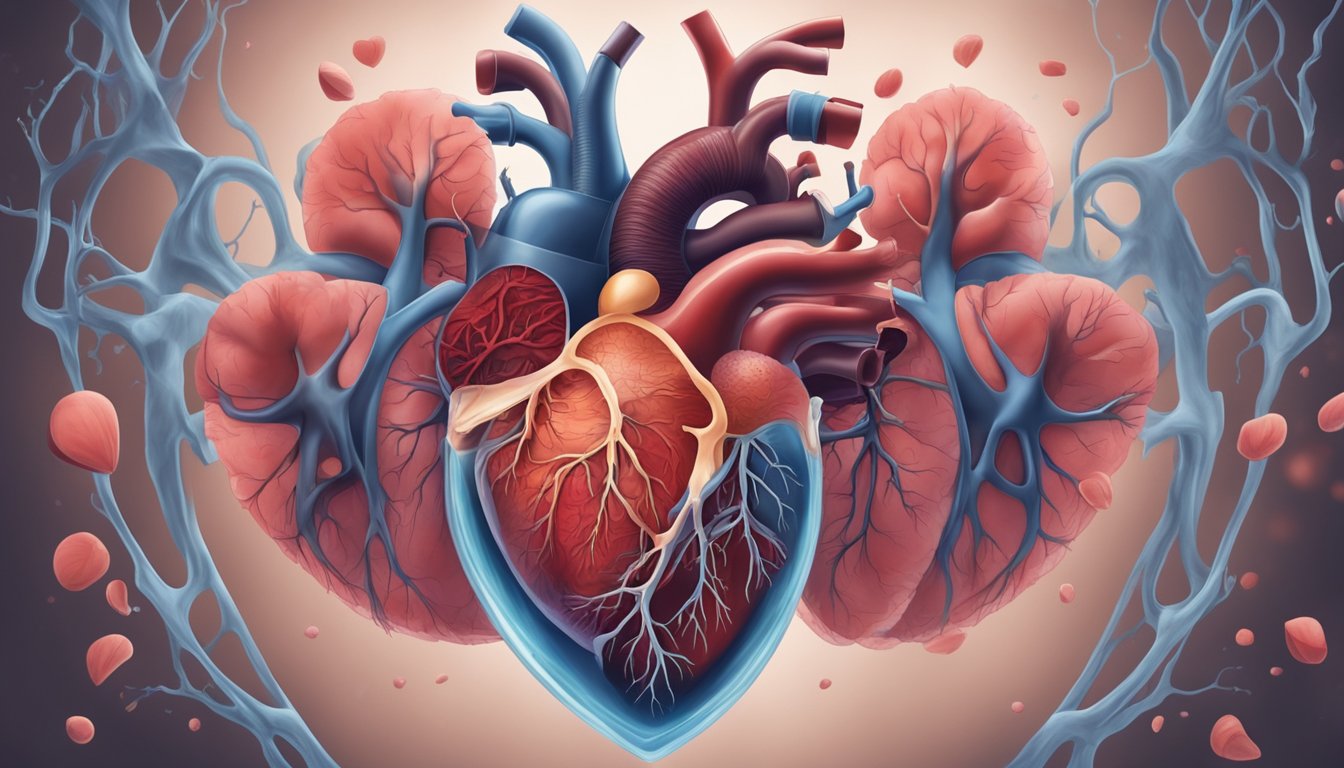
Congestive heart failure (CHF) is a chronic and progressive condition that occurs when the heart is unable to pump blood efficiently, leading to a build-up of fluid in the body. This can result in swelling, cough, and weight gain. CHF can be caused by a variety of factors, including high blood pressure, diabetes, coronary artery disease, obesity, and more.
Causes and Risk Factors
The most common causes of CHF are coronary artery disease and high blood pressure, which can damage the heart muscle over time. Other risk factors include diabetes, obesity, and a history of heart attacks. Left-sided heart failure is the most common type of CHF, but right-sided heart failure can also occur.
Symptoms and Diagnosis
Symptoms of CHF can include shortness of breath, fatigue, swelling in the legs and ankles, and coughing. A healthcare professional can diagnose CHF through a physical exam, electrocardiogram, echocardiogram, and other tests.
Treatment and Management
Treatment for CHF involves a combination of medications and lifestyle changes. Medications can include diuretics to reduce fluid build-up, beta-blockers to lower blood pressure, and ACE inhibitors to improve heart function. Lifestyle changes can include reducing sodium intake, maintaining a healthy weight, and regular exercise. In some cases, surgery may be necessary.
It is important to note that CHF can be a serious and life-threatening condition, and individuals with symptoms should seek medical attention promptly. A healthy lifestyle and regular medical check-ups can help manage CHF and reduce the risk of complications.
The American Heart Association recommends that individuals with CHF work with their healthcare professional to develop a treatment plan that includes medication, lifestyle changes, and regular monitoring of symptoms and ejection fraction. It is also important to maintain a healthy lifestyle, including a balanced diet and regular exercise, to help manage CHF and prevent further complications.
Disclaimer: The information provided is not intended to replace medical advice or treatment. Always consult with a healthcare professional before starting any new treatment or making changes to your current treatment plan.
Comparing Heart Attack and Congestive Heart Failure
Differences in Causes
Heart attack and congestive heart failure are two distinct conditions that have different causes. A heart attack occurs when there is a blockage in one or more of the coronary arteries, which supply oxygen-rich blood to the heart muscle. This blockage can be caused by a blood clot or plaque buildup in the artery walls.
Congestive heart failure, on the other hand, is a chronic condition that occurs when the heart is unable to pump enough blood to meet the body’s energy needs. This can be caused by a variety of factors, including high blood pressure, coronary artery disease, cardiomyopathy, and heart valve disease.
Varying Symptoms
The symptoms of a heart attack and congestive heart failure can also differ. A heart attack often presents with sudden and severe chest pain, discomfort, or pressure that may radiate to the arms, neck, jaw, back, or stomach. Other symptoms may include shortness of breath, nausea, vomiting, lightheadedness, weakness, cold sweat, and irregular heartbeat.
Congestive heart failure, on the other hand, may present with symptoms such as fatigue, weakness, shortness of breath, coughing, swelling in the legs, ankles, or feet, and rapid or irregular heartbeat. These symptoms may worsen over time and can be caused by the accumulation of fluid in the lungs and other tissues.
Distinct Treatment Approaches
The treatment approaches for heart attack and congestive heart failure also differ. In the case of a heart attack, prompt intervention is necessary to restore blood flow to the affected area of the heart. This may involve the use of medication, such as aspirin or nitroglycerin, or medical procedures, such as angioplasty or stent placement.
In the case of congestive heart failure, treatment may involve medication to lower blood pressure, reduce fluid buildup, and improve heart function. Lifestyle changes, such as reducing alcohol intake, quitting smoking, and increasing physical activity, may also be recommended. In some cases, surgery or other medical interventions may be necessary.
It is important to note that both heart attack and congestive heart failure are serious medical conditions that require prompt diagnosis and treatment. If you or someone you know is experiencing symptoms of either condition, it is important to seek medical attention immediately.
Disclaimer: The information provided is for educational purposes only and should not be used as a substitute for professional medical advice, diagnosis, or treatment. Always consult a qualified healthcare provider regarding any questions or concerns you may have about your health or medical condition.
Lifestyle and Prevention Strategies

When it comes to managing congestive heart failure (CHF) and heart attack, lifestyle changes can play a significant role in preventing further complications. There are several lifestyle and prevention strategies that can help individuals with CHF and heart attack live a healthier life.
Dietary Considerations
Dietary considerations are essential for individuals with CHF and heart attack. A healthy diet can help manage high blood pressure, diabetes, cholesterol levels, and obesity, all of which can increase the risk of heart disease. Individuals with CHF and heart attack should aim to consume a diet rich in fruits and vegetables and low in saturated and trans fats. They should also limit their salt intake to prevent edema.
Physical Activity and Exercise
Regular exercise is crucial for maintaining heart health and managing CHF and heart attack. Physical activity can help improve appetite, manage weight, and reduce stress levels. Individuals with CHF and heart attack should aim to engage in regular exercise, such as walking or swimming, for at least 30 minutes a day, most days of the week. They should also consult their doctor before starting any exercise program.
Managing Comorbidities
Managing comorbidities, such as high blood pressure and diabetes, is essential for individuals with CHF and heart attack. They should aim to manage their blood pressure and blood sugar levels through medication, dietary changes, and regular check-ups with their doctor. They should also quit smoking and limit their alcohol intake to reduce the risk of further complications.
It is important to note that lifestyle changes alone may not be enough to manage CHF and heart attack. Individuals with CHF and heart attack should work closely with their doctor to develop a comprehensive care plan that includes medication, regular check-ups, and lifestyle changes.
Frequently Asked Questions

Which condition is considered more life-threatening, a myocardial infarction or cardiac insufficiency?
Both conditions can be life-threatening, but a myocardial infarction, also known as a heart attack, is considered more immediately life-threatening. A heart attack occurs when blood flow to a part of the heart is blocked, leading to damage or death of heart muscle tissue. Cardiac insufficiency, also known as heart failure, is a chronic condition in which the heart is unable to pump enough blood to meet the body’s needs.
Is it possible for cardiac insufficiency to precipitate a myocardial infarction?
Yes, it is possible for cardiac insufficiency to precipitate a myocardial infarction. In some cases, the weakened heart muscle of cardiac insufficiency can lead to the development of blood clots, which can then block blood flow to the heart and cause a heart attack.
What distinguishes cardiac insufficiency from congestive cardiac insufficiency?
Cardiac insufficiency and congestive cardiac insufficiency are often used interchangeably, but congestive cardiac insufficiency specifically refers to the stage of heart failure in which fluid accumulates in the lungs and other tissues, leading to symptoms such as shortness of breath, fatigue, and swelling in the legs and ankles.
What are the primary treatments available for congestive cardiac insufficiency?
The primary treatments for congestive cardiac insufficiency include medications such as diuretics, which help the body eliminate excess fluid, and ACE inhibitors, which help dilate blood vessels and improve heart function. Lifestyle changes such as reducing salt intake, maintaining a healthy weight, and exercising regularly can also help manage symptoms.
Could you detail the symptoms indicative of cardiac insufficiency?
Symptoms of cardiac insufficiency can include shortness of breath, fatigue, swelling in the legs and ankles, rapid or irregular heartbeat, persistent cough or wheezing, and difficulty performing daily activities. It is important to seek medical attention if you experience any of these symptoms.
What are the recognised stages of congestive cardiac insufficiency?
The recognised stages of congestive cardiac insufficiency are classified as Stage A, B, C, and D. Stage A refers to individuals at risk for heart failure due to underlying conditions such as high blood pressure or diabetes. Stage B refers to individuals who have structural heart disease but no symptoms. Stage C refers to individuals who have structural heart disease and symptoms of heart failure. Stage D refers to individuals with severe heart failure who require advanced treatment options such as heart transplantation or mechanical circulatory support.
It is important to note that this information is intended for educational purposes only and should not be used as a substitute for professional medical advice. If you have any concerns about your heart health, please consult with a qualified healthcare provider.